
Mahjong Starter Kit Buying Guide: What to Buy First
Last updated: Nov 23, 2026
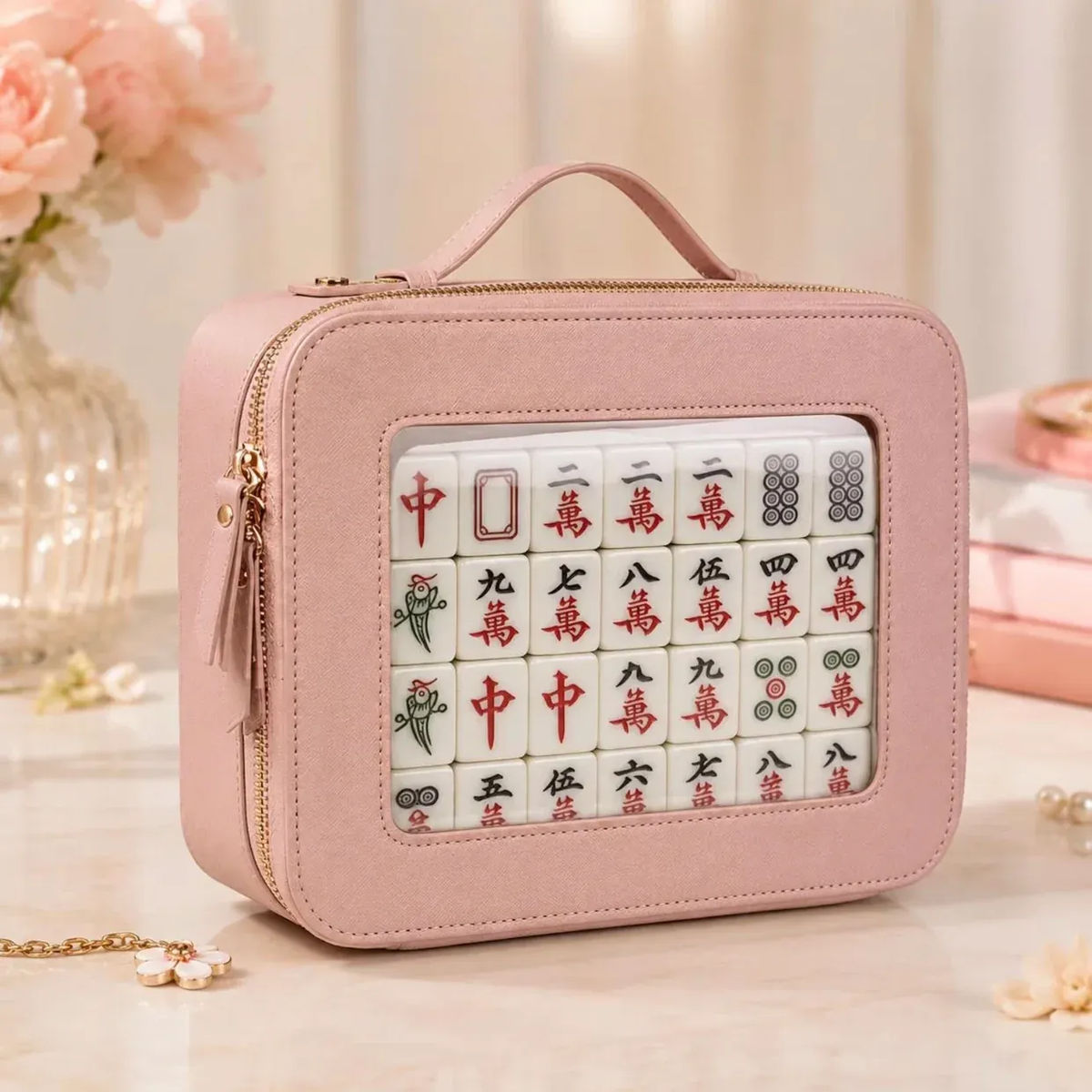
A true mahjong starter kit requires four components: a full 160-tile American mahjong set (152 playing tiles + spares), a mat with clearly marked wind positions and hand spaces, racks with pushers to organize your tiles, and a storage bag or case for transport and protection. American mahjong is played with exactly 152 tiles and 8 jokers from the current year's National Mah Jongg League card, so you need a set that includes the full complement of Bams, Craks, Dots, winds, dragons, flowers and jokers—nothing less. You can start with just the tiles and mat (roughly the entry investment point), but adding racks and a case eliminates fumbled tiles, speeds up play, and protects your tiles from chips and cracks over years of weekly games. Mahstead offers complete combinations in our best-selling collection, where kits are bundled by play style: casual home games, serious league play, and gifts. The decision is less "how much to spend" and more "what kind of player are you becoming?"
A complete mahjong starter kit isn't one box—it's a thoughtful combination of tiles, mats, racks and storage that matches how you'll actually play. We walk you through what each piece does, who needs what, and how to avoid the common mistakes we see at our table.
What exactly goes in a starter kit?
A legal American mahjong set contains 152 tiles: 108 in three number suits (Bams, Craks, Dots), 16 winds, 12 dragons, 8 flowers, and 8 jokers. A 160-tile set includes spare jokers or blanks so you always have backups. You also need a mat (shows hand spaces, winds, hand indicators), racks to hold and organize tiles during play, and ideally a bag or case so tiles stay protected and you can move your game to a friend's house. The National Mah Jongg League card—issued every spring—defines all legal hands for American mahjong, so you're building a kit to play hands from that card. Nothing in the kit is optional; missing even one component either forces workarounds (hand tiles on the table, tiles sliding around) or breaks the game altogether.
🀄 Shop best-selling mahjong sets →
How do I know if tiles are good quality?
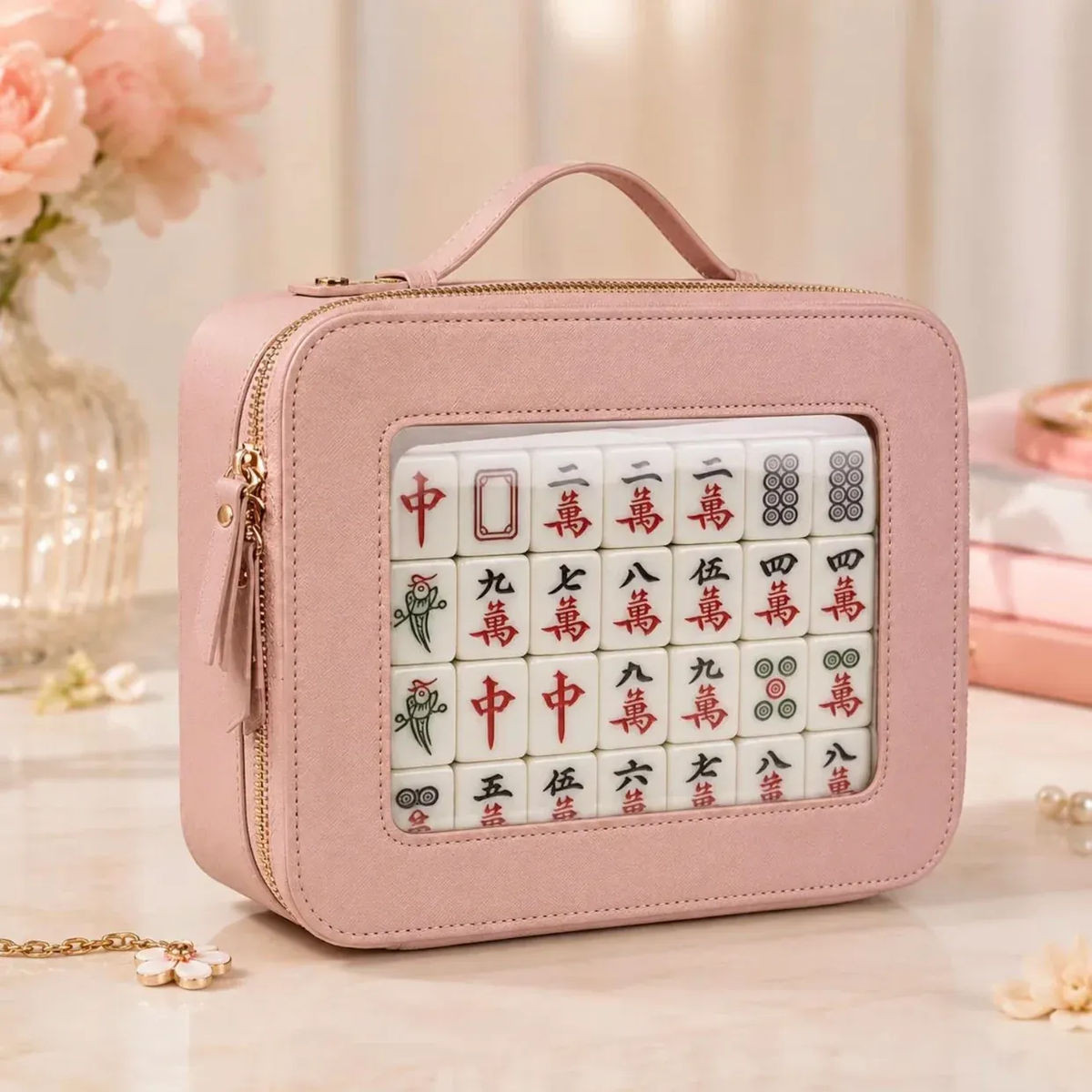
Inspect tiles for weight, clarity, and how engraving sits on the surface. Acrylic tiles should feel substantive in your hand—hollow or flimsy tiles chip easily during shuffles and the Charleston (the pre-game tile-passing ritual). Engraved symbols should be clean and consistent; smudged or shallow engravings fade after a few seasons of handling. Check the joker count: you need exactly 8 jokers in play, and a good set includes spares in case one gets lost. Look at the edges—sharp corners snag on racks and hands, so slightly rounded edges are a sign of thoughtful manufacturing. Buy from makers who specify tile material (cast acrylic, for example) and show photos of the actual tiles you're purchasing, not just generic stock images. Mahstead acrylic sets are cast and engraved; each design is photographed before shipping so you know what you're getting.
Should I buy everything at once or add pieces over time?
Start with tiles and mat, then add racks and a case within a month. Tiles and a mat are the non-negotiable foundation—you cannot play without them. Racks and pushers are the next logical step; they cut shuffle time in half, prevent tiles from sliding off the table during play, and make it much easier to manage the Charleston. A case or bag comes third; it protects your tiles during storage and travel, extending their life by years. Bundled kits often cost less than buying pieces separately, but only buy together if you know you'll use every component. If you're testing whether mahjong fits your life, a tile-and-mat starter pair is your minimum entry point. If you're hosting weekly games, buy the full kit up front and stop wishing you had racks halfway through your first hand.
Comparison: Who should buy which kit?
Player Type | Tiles | Mat | Racks | Case | Why This Works |
Trying mahjong once | ✓ | ✓ | — | — | Lowest cost; tiles + mat are all you need to learn the game. Tiles borrowed or shared. |
Weekly casual games | ✓ | ✓ | ✓ | — | Racks eliminate fumbled tiles; no case needed if playing at one home. |
Serious home host | ✓ | ✓ | ✓ | ✓ | Full kit keeps tiles pristine, speeds setup, shows respect for the game. Bag protects investment. |
Traveling/tournament player | ✓ | ✓ (folding) | ✓ | ✓ | Compact mat and reinforced case fit in a car; portable racks travel easily. |
Gift for experienced player | ✓ (engraved) | — | — | — | Engraved tiles add personality; experienced player has mat and racks already. |
Gift for beginner | ✓ | ✓ | ✓ | ✓ | Complete kit removes decision paralysis; beginner learns with all tools. |
The key insight: beginners benefit from a full kit because it removes friction and teaches the game properly. Experienced players upgrading usually need tiles or an engraved set; they already have mats and racks at home.
🎁 See our most-loved mahjong sets & accessories →

What mistakes do first-time buyers make?
Buying tiles without a mat. Tiles slide across a kitchen table, hands get mixed up, and the game stalls while everyone sorts chaos. The mat is not optional—it's the table itself.
Choosing the wrong mat size. A mat must fit your play surface and still leave room for the wall (undealt tiles) at each edge. Measure your table; an undersized mat means tiles spill onto the table surface. Visit our guide to choosing a mahjong mat for exact dimensions.
Skipping pushers because "we'll manage tiles by hand." You won't. After your third game, fumbled tiles and bent racks will make you regret this choice. Racks with pushers cost far less than replacing cracked tiles.
Buying lightweight tiles "because they shuffle easier." Lightweight tiles ARE easier to shuffle—straight into a chip on the edge. Acrylic weight indicates durability. Heavier tiles stay intact through years of play.
Not checking joker count. If your set includes only 4 jokers instead of 8, you cannot play any hand calling for doubled jokers. Count before you pay.
Assuming all "American mahjong sets" are legal. Some sellers bundle tiles that don't include the full count (missing dragons, short on flowers, wrong wind configuration). Verify the tile inventory before buying. Read our explanation of what's in an American mahjong set.
What to check before you buy
Tile count and configuration: Does the set include 108 number tiles (36 per suit), 16 winds, 12 dragons, 8 flowers, 8 jokers? A 160-tile set should state this clearly. Mahstead sets are labeled with the exact tile inventory.
Material and durability: Are tiles cast acrylic or resin? Can you see customer photos showing real tile finish? Avoid generic stock images.
Mat size and markers: Will the mat fit your table? Are wind positions and hand spaces clearly printed or embossed? Does it include seat indicators?
Rack compatibility: Do the racks fit the tiles you're buying? Some racks are designed for smaller or larger tiles. Test photos or customer reviews help here.
Storage solution: Does the bag or case have compartments for tiles, mat, and racks? Is it padded? Will it fit in your car or closet?
Joker and spare policy: How many spare tiles are included? Can you replace lost or damaged tiles after purchase? Clarify before buying.
✨ Find your Mahstead set — free US shipping →
Why engraved tiles matter (and when to skip them)
Engraved tiles add personality—your name, a date, a saying, a joke—and they make a huge difference in how your game feels. An engraved set transforms mahjong from "game night" into "our tradition." They're also wonderful gifts because they signal that the giver knows the recipient is serious. But engraved tiles cost more than plain tiles, and they take longer to ship because each is customized. Skip engraving if you're buying for someone just trying mahjong, or if you're on a tight budget. Engrave if you're hosting weekly for years, gifting to someone you know plays or wants to learn, or celebrating a milestone. Mahstead's engraved mahjong sets let you add text, dates, or initials—see examples on the collection page to decide if it fits your story.
How beginners should approach learning with a new kit
Unpack everything in order: tiles first, mat second, racks third. Place the mat on your table and set racks at the cardinal positions (North, East, South, West). Place all tiles face-down in the wall at the mat's edge. Practice the Charleston—the tile-passing ritual that starts every hand—with one full set before playing a real hand; this teaches you how tiles move and how to handle them without dropping them. Read the current year's National Mah Jongg League card alongside your mat; the card shows all legal hands, and learning to read it is half the skill. Don't memorize hands yet—just practice finding them on the card and spotting patterns. Join a beginner's group or ask an experienced player to supervise your first few games; mahjong is faster and clearer with a table mentor. See how to play American mahjong for detailed step-by-step rules and mahjong for beginners for common missteps.

FAQ
Can I play American mahjong with a 144-tile Chinese set?
No. American mahjong requires exactly 152 tiles in specific counts (108 numbers, 16 winds, 12 dragons, 8 flowers, 8 jokers). A Chinese set has different tile distributions and no jokers, so hands won't match the American League card.
How long do acrylic tiles last before I need to replace them?
Well-made acrylic tiles last 10+ years of weekly play if stored in a case and handled with pushers. Lightweight or thin tiles chip within 2–3 years; heavy, cast acrylic tiles stay intact far longer.
What if I don't have space for a full-size mat?
Folding mats reduce to 12–16 inches and fit in a travel bag; they unfold to standard playing size at the table. Check mat dimensions before buying to ensure it fits your setup.
Do I need racks if I'm only playing casually?
Not technically, but you'll want them after your first few games. Racks cut shuffle time in half and prevent tiles from sliding off the table or being accidentally exposed. They're cheap insurance.
Should I buy spare tiles now or wait until I lose one?
Buy a complete kit with spares included (160-tile sets have them). If you lose a tile later, replacement options depend on the maker; Mahstead can advise on tile swaps.
What's the difference between American and Chinese mahjong tiles?
American sets have jokers, flowers, and specific dragon-suit matching (Red with Craks, Green with Bams, White with Dots). Chinese sets have no jokers or flowers, no specific suit pairings, and different hand structures. They're incompatible.
Can I buy just tiles and borrow a mat from a friend?
Yes, temporarily—but only if the borrowed mat is the right size and clearly marked. Get your own mat within a month; borrowing slows games and leads to frustration.
What's included in a "starter kit" versus just buying tiles?
A starter kit bundles tiles, mat, racks, and often a case. Buying "just tiles" leaves you without a playing surface, tile organizers, or storage. A kit is designed so everything works together immediately.


View More
View More
View More
