
Mahjong Speed and Pace Mistakes to Avoid
Last updated: Nov 23, 2026
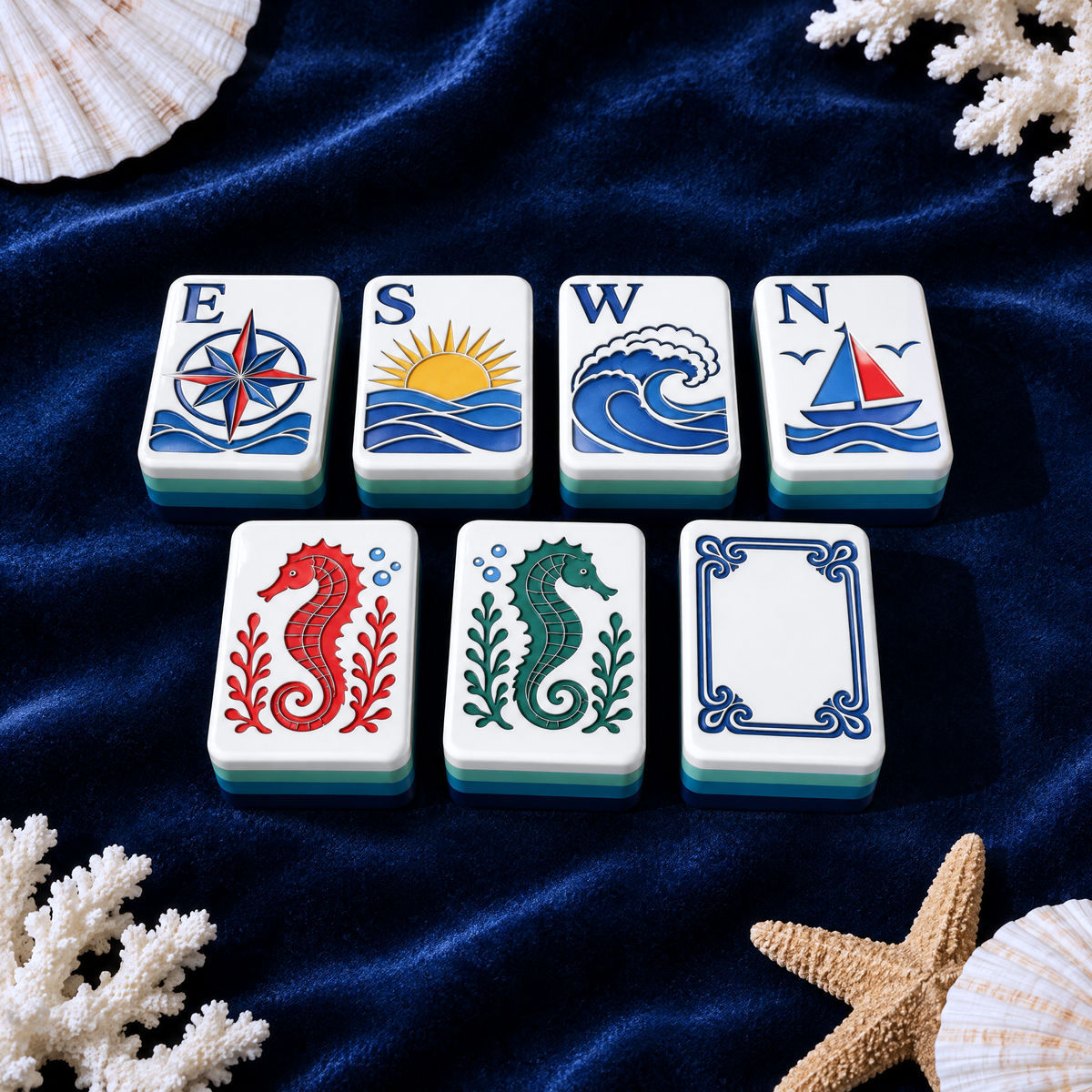
Mahjong speed mistakes fall into five categories: rushing the Charleston, discarding without thinking (and then changing your mind), drawing too slowly, exposing melds at the wrong moment, and calling out of turn. A full four-player game typically takes 60–90 minutes for eight hands when everyone follows pace rules, versus 120+ minutes when players hesitate, fumble tiles, or pause to discuss legality mid-play. The biggest single error is hesitating over your discard after you've already picked it up; decide before you draw. Jokers in your hand create bottlenecks because players stop to ask whether a joker is "locked" or available—clarify your rule before the game starts. Mahstead's best-selling mahjong sets include durable, easy-to-read tiles that reduce fumbling and squinting, so discards land crisply and everyone sees the tile clearly the first time.
🀄 Shop best-selling mahjong sets →
How do I know if I'm discarding too slowly?
Most new players pick up their draw tile, then pause to study their entire hand before deciding what to throw. That 10–15 second pause happens eight or nine times per round. Multiply by four players: your game just added 6–9 minutes per hand. A faster rhythm is: pick up your tile, glance at what you drew (does it help your hand?), decide in 2–3 seconds, and discard. If you're going for a specific hand from the current year's card and need to think, decide before your turn comes around—not when thirteen tiles are in your rack staring at you. The rule is simple: your discard must leave the wall within 10–15 seconds of drawing.

What does "locking" a joker mean, and why does it slow play?
In American mahjong, a joker is "locked" or "dead" once you expose it as part of a pung, kong, quint, or sextet. After that, no other player can steal it or ask you to use it differently—it stays in that meld for the rest of the hand. If your rule is not locked (some groups allow players to reclaim jokers mid-hand), you'll hear constant negotiations: "Can I have that joker back?" "Wait, do I own this one or not?" Decide on locked-joker rules before Charleston begins and announce it aloud. Write it on a note card if your group is mixed skill levels. Locked jokers eliminate 70% of mid-hand disputes and keep play moving.
Why do new players call or expose tiles out of turn?
Excitement and confusion—when another player's discard matches their hand, a new player calls "Pung!" immediately instead of waiting for their own draw. Or they expose a meld before their turn. This derails the entire round: the discard has to be returned, that player's turn is skipped (or rules get fuzzy), and everyone loses count of the order. The sequence is: draw → check your hand → discard → pass to the next player. Only on your turn do you draw. Until your turn arrives, your job is to watch and wait. Place a marker or chip at each seat so no one forgets whose turn it is. Use a simple call: "Your turn" or tap the table lightly.
How should I organize my rack to avoid picking the wrong tile?
A messy rack is a slow rack. Keep tiles in suit order (all Bams left to right, then all Craks, then all Dots), with winds and dragons at the end. When your discard lands, you know exactly where each group lives, so you grab the right tile in one motion instead of hunting. Flowers and jokers go to the far end so they don't get tangled with your number suits. If you're using mahjong racks with pushers, the pusher lets you slide tiles forward as you draw, keeping your hand compact and organized. A pusher also prevents tiles from falling or sliding during play—saves 30 seconds per hand just from not resetting a toppled tile.

What's the biggest pace mistake when drawing from the wall?
Reaching across the table, hesitating over which tile to take next, or taking two tiles and putting one back. When you draw from the wall, grab your tile in one smooth motion—don't hover. If your group plays with a live wall (tiles stacked four-high in pairs), draw from the top of your assigned pair; no debate. If you accidentally take the wrong tile, that becomes your draw; you don't get a do-over. The same rule applies to the Charleston: commit to each pass—don't swap tiles after you've handed them over. Hesitation and corrections add 20–30 minutes to a session and frustrate experienced players. Make a decision, execute it, and move on.
Speed and Pace Mistakes: Comparison Table
Mistake | Impact on Pace | Who It Affects Most | How to Fix | Time Saved per Hand |
Discarding slowly | +15–45 seconds per discard | Newer players | Decide before you draw; set a 10-second rule | 2–4 minutes |
Unclear joker rules | +30–60 seconds per disputed meld | Mixed-skill tables | Announce "locked joker" rule aloud at start | 1–2 minutes |
Out-of-turn calls | +45–90 seconds (replay or confusion) | Beginner-heavy groups | Use turn markers; enforce "wait for your turn" | 2–5 minutes |
Disorganized tiles in rack | +5–10 seconds per draw | All players | Sort by suit; use pushers | 1–2 minutes |
Fumbling the wall | +10–30 seconds per draw | All players | Grab tile in one motion; no hovering or swaps | 1–2 minutes |
A four-player game with all five mistakes happening regularly will run 45–60 minutes longer than one where these rules are followed. That's the difference between eight hands in 90 minutes and eight hands in 150+ minutes.
🎁 See our most-loved mahjong sets & accessories →
How do I recover if I make a pace mistake mid-hand?
Acknowledge it quickly and move on. If you drew out of turn, your turn is skipped once; if you exposed a tile you shouldn't have, it goes back face-down to the wall. Don't restart the hand or ask for a vote—that's how a 90-minute game becomes a 120-minute debate. Learn the full American mahjong rules so you know what's legal and what isn't before the game starts. When everyone understands the same rules, disputes evaporate and pace flows naturally.
What equipment actually speeds up play?
Clear, easy-to-read tiles reduce squinting and fumbling. Acrylic tiles with crisp engravings let you identify numbers and suits instantly—especially important if players are older or have vision challenges. Larger tiles (1.25" or bigger) also improve pace because everyone reads the board faster. A quality mat with clear demarcation zones (player areas, wall, discard row) prevents tile spills and keeps the wall aligned; you're not hunting for tiles that slid off the table every thirty seconds. A pusher lets you draw and discard in one hand, keeping your other free for mental math or checking the card. These aren't luxuries—they're tools that shave off dead time.
What to check before you buy a set for faster play
Tile size: Can everyone at your table read the pips and characters without leaning in? Larger tiles = faster recognition.
Material clarity: Acrylic engravings must be sharp and consistent; dull or muddy tiles slow everyone down.
Rack and pusher: Do they fit the tiles snugly? A loose rack lets tiles tumble; you lose 30+ seconds resetting.
Mat surface: Is there clear contrast between the wall zone and player zones? A mat you can't read creates confusion.
Spare tiles: A 160-tile set includes spares so you're never short if one cracks or goes missing mid-session.
✨ Find your Mahstead set — free US shipping →

FAQ
Why do some groups take longer than others to play the same number of hands?
Rule clarity, tile visibility, and player habit. Groups that decide pace rules upfront, use easy-to-read tiles, and avoid mid-play disputes finish in 60–90 minutes. Groups that negotiate rules, squint at worn tiles, and debate joker ownership often run 120+ minutes. Practice and equipment both matter equally.
Should I rush my discards if everyone else is rushing?
No. Play at your own pace if you're thinking legally. What you want to avoid is hesitating after you've already drawn—that's the real bottleneck. Think before your turn, then move decisively when it arrives.
Does playing with jokers locked actually speed things up?
Yes, significantly. Locked jokers eliminate 70% of mid-hand arguments because everyone knows the joker belongs to that meld and cannot be reclaimed. Decide this rule before the first hand and stick to it for the whole session.
Can I use pushers with any mahjong rack?
Most standard racks are designed to work with mahjong racks with pushers because the pusher's size and shape are proportional to tile dimensions. Check the product fit guide, or ask Mahstead before buying if you have an older or non-standard set.
What's the fastest I should ever play a single hand?
About 12–15 minutes total (13 draws, 14 discards per player, at roughly 30–45 seconds per cycle). Anything faster than that usually means players aren't checking the card carefully or are playing illegally. American mahjong rewards thought, not speed.
How do I teach new players to keep pace without making them feel rushed?
Tell them the rhythm before the game: "Pick, glance, decide, discard—about 10 seconds." Show them one example hand at normal pace. Then play gently; don't call them out if they hesitate once. After two or three hands, the rhythm clicks and pace becomes natural.


View More
View More
View More
