
Changsha Mahjong Tips: Rules, Tiles & Common Mistakes
Last updated: Nov 23, 2026
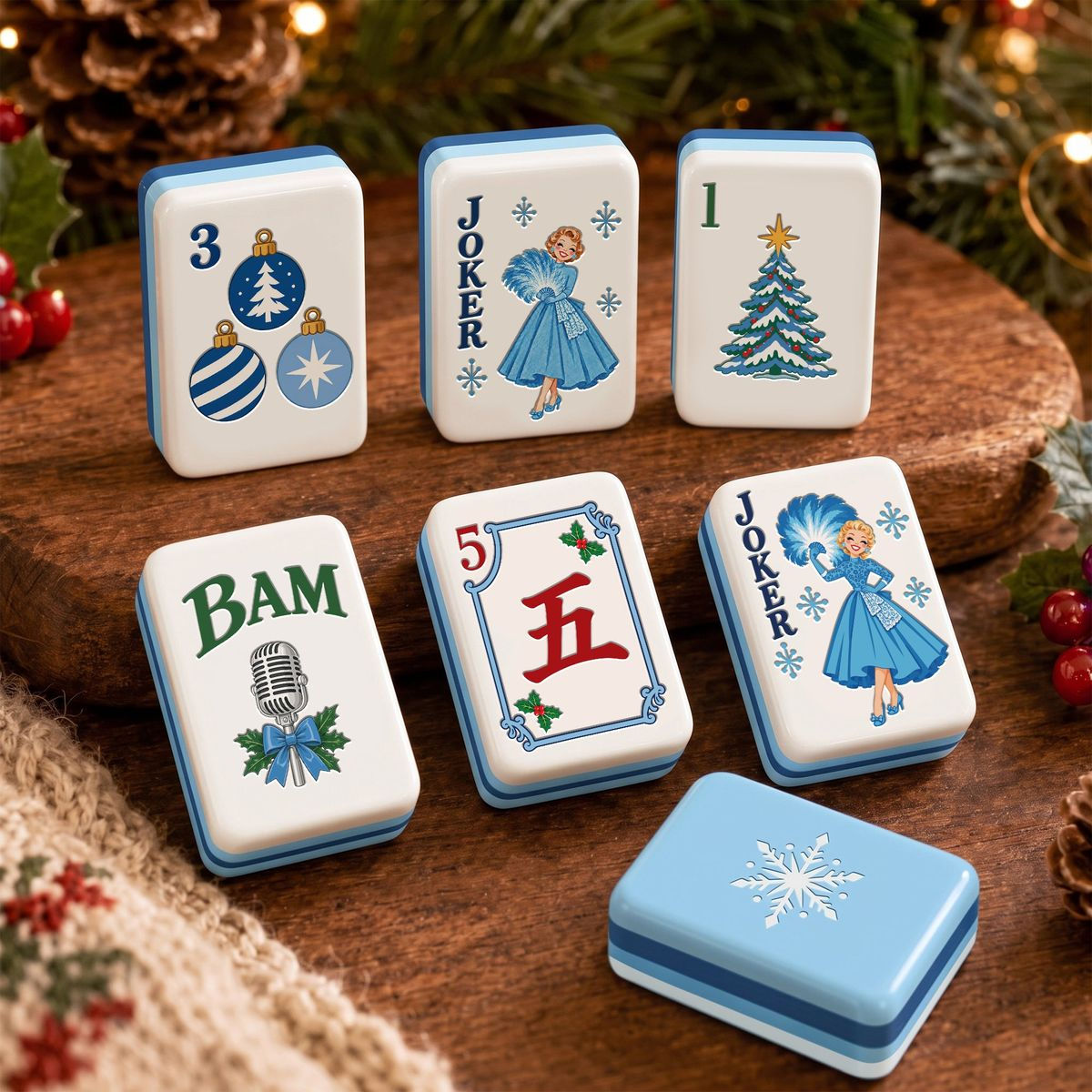
Changsha mahjong (长沙麻将) is a Chinese regional variant played primarily in Hunan Province with 108 tiles (four copies each of numbered 1–9 in three suits: Bams, Craks, Dots), winds, dragons, and often house-specific joker counts. A complete hand is 14 tiles; winning requires a legal combination of melds (pungs, chows, pairs) plus typically a pair bonus or terminal/honor rule. Unlike American mahjong, Changsha allows chows (sequences like 3–4–5 of one suit) both exposed and concealed, and joker rules vary by house. Games last 2–8 rounds depending on local custom; play moves counterclockwise. The core strategic difference: Changsha rewards discarding safety over American's strict card-driven hand matching, making observation and reading opponents' discard patterns critical for survival.
What tiles and combinations win in Changsha?
Changsha hands win with 14 tiles arranged as four melds (pung, kong, or chow) plus one pair. A pung is three identical tiles (e.g., three 5 Craks); a chow is three consecutive numbers in one suit (3–4–5 Bams is legal here, unlike American play where chows never exist). Kongs are four identical tiles; pairs are two matching tiles. Most houses require at least one pung or pair of terminals (1s, 9s) or honors (winds, dragons) to qualify as a "winning hand"—pure chows alone typically don't win. Jokers substitute for any tile when exposed, but their role in concealed melds varies by house rule. The critical rule: you cannot win on your own discard—the hand must be completed by drawing from the wall or winning someone else's discarded tile. Verify your house's bonus rules (flower tiles, all-honors, all-number variations) before play starts.

How does Changsha differ from American mahjong?
American mahjong uses 152 tiles, plays only pungs, kongs, quints (5 identical), and sextets (6 identical)—never chows or sequences of any kind. Each American hand comes from the current year's National Mah Jongg League card (rigid matching), and the game has a formal tile-passing ritual called the Charleston before each round. Changsha, by contrast, allows both chows and pungs freely, requires no reference card, and has no formal pass sequence; players simply deal and begin. American jokers cannot appear in a single tile position or as a pair; Changsha typically allows jokers more flexibly depending on local house rules. Scoring systems differ: American uses point values per hand; Changsha often scores by payment (loser pays winner, or all pay the winner). If you play both, treat them as entirely separate games—rule-mixing causes costly mistakes at the table.
What are the most common Changsha mistakes?
Rushing to call a win without verifying the hand structure. Players often forget the pair requirement or miscalculate whether their melds truly total 14 tiles. Count aloud: four melds of three or four tiles each, plus one pair. Discarding when dead. In Changsha, a player can "die" if all tiles they need have been discarded, exposed in melds, or claimed by others. Track which 9s, terminals, and honors left the wall; if you need a 1 Bam to win but three copies are visible, your odds shift from winning to folding. Joker misuse. If your house allows jokers in winning hands only if exposed, using one in a concealed chow that then goes unfilled is a costly error—verify with your group before the first hand. Ignoring the discard pile. Changsha rewards reading sequences: if opponent A discards 4 Dots and opponent B then discards 2 Dots, they're likely not building 1-2-3 or 4-5-6; watch for patterns and hold back matching tiles. Winning on your own discard. Self-drawn melds only count as a win if you draw from the wall; claiming your own discard is an immediate bust.
How should I adjust if I'm used to American mahjong?
If you play American regularly, reset three mental gears. First, chows are now legal: a 2–3–4 sequence in one suit is a valid meld, exposed or concealed. Second, there is no card: you're not matching a rigid hand pattern each round. Instead, you're building any legal combination of three melds plus a pair, with bonus rules your house defines. Third, observation matters more: because hand patterns overlap heavily, tracking discards and reading opponents' safety or hunger signals determines survival. Many American players initially over-discard high-value tiles (dragons, winds) thinking they're "safe"; in Changsha, these are actually critical building blocks and must be held longer. Start conservatively: play tight for 3–4 rounds, watch how your group plays, note which tiles circulate quickly and which sit. Practice with friends before joining a regular group; even 15 minutes clarifies your house's rules on jokers, pair bonuses, and flowers.

What setup and rules should you confirm before your first game?
Rule to Clarify | American Standard | Changsha Varies | Why It Matters |
Chows (sequences) | Never legal | Always legal | Changes meld options drastically |
Joker use | No singles, no pairs | Per house (often flexible) | Affects concealed vs. exposed play |
Winning tile source | From wall only | Wall or live discard | Changes timing and strategy |
Flowers & seasons | Not in play | Often bonus points | Affects final score calculation |
Pair bonus | None (fixed card) | Often yes (terminals/honors) | Changes hand difficulty |
Self-draw penalty | N/A | Automatic loss | Critical to remember |
Before sitting down, ask: (1) How many jokers are in play (typically 4–8)? (2) Are flowers included, and do they award bonus points or simply trigger a re-deal? (3) Does a winning hand require at least one terminal/honor meld, or is any combination legal? (4) What is the payment structure (all pay winner, loser pays, graduated by hand value)? (5) If a player runs out of tiles to draw (dead wall exhausted), what happens—round ends, or do remaining tiles count as a loss? Write these answers down or take a photo on your phone; referring to your notes mid-game is far better than arguing later.
🀄 Shop best-selling mahjong sets →
What tiles and equipment do you need to play Changsha?
Changsha is traditionally played with 108 Chinese tiles (four copies each of Bams 1–9, Craks 1–9, Dots 1–9, plus winds North/East/South/West, dragons Red/Green/White, and often flowers—2 or 4 per house). Some houses add jokers (4–8 tiles) to replace ones discarded early or lost. You don't need the ornate bamboo racks that American players use; many Changsha players simply hold tiles in hand or stack them face-down in a row. However, if you're teaching American visitors or building a flexible hosting setup, acrylic sets with clear mahjong racks with pushers keep tiles organized and visible without fumbling. A padded travel mat or cloth protects the tile surface and defines the play area; some groups add a small bamboo mat underneath to muffle noise. A dice or random tile draw determines the starting dealer. The main difference from American: you can begin Changsha with any set labeled as Chinese or Hong Kong tiles, as long as the suit count and honor allocation match; there is no yearly "card" requirement. If you're hosting mixed American-Changsha nights, stock a 152-tile acrylic set and a separate Chinese-suited 108 or 120-tile set to keep rules clean.
How do you build strategy and read opponents in Changsha?
Strategy in Changsha centers on three layers: tile flow, discard reading, and hand management. First, tile flow: watch which suits and numbers appear earliest in the discard pile. If four Dots vanish by turn 3, don't fish for Dots yourself; redirect to Craks or Bams. Second, discard sequences reveal intent. If a player discards 1, 4, 7 of Bams (skipping 2–3, 5–6, 8–9), they're likely building chows and holding pairs; don't throw them a 2, 3, 5, 6, 8, or 9 Bam. If they discard high honors (wind, dragon) early, they're flush in that suit and won't need it—those are safer throws. Third, hand management: don't fix your eyes on one winning pattern. Many Changsha players build two or three possible hands simultaneously (a Bam-heavy hand, a mixed hand, a terminal-honor hand) and adapt as the wall shrinks. Once a suit appears dead (all four of a number are gone), mentally delete that number from your possible melds and shift. Practice by playing a few casual rounds and keeping a small notebook of patterns you see—then compare notes with experienced players afterward. Speed comes later; early wins go to the careful observer.
🎁 See our most-loved mahjong sets & accessories →
What to check before you buy or host Changsha tiles
If you're purchasing a set for Changsha play, verify three things: (1) Suit symbols match Changsha convention: Bams (bamboo stalks), Craks (circles or "cracks"), Dots (the simple dots—not numerical pips). Older American sets sometimes swap Craks for circles that don't match Chinese tile appearance; compare photos if ordering online. (2) Tile count is correct for your house: most use 108 + jokers; some use 120 (adding flowers). Count before first play. (3) Honors are present: all four winds, three or four dragons (Red, Green, White—check if White appears four times), and flowers if your house uses them. Many budget sets ship with uneven honor counts; ask the seller before ordering. For long-term hosting, our engraved mahjong sets come with consistent tile allocation and clear suit marking, plus free US shipping, so there's no guesswork on game day. Store tiles in a padded mahjong bag or case to prevent chipping and loss during transport between games. Handle tiles gently—acrylic cracks if dropped on hard surfaces, and one missing 1 Bam derails your entire round.
✨ Find your Mahstead set — free US shipping →

FAQ
Can I play Changsha with an American mahjong set?
No. American sets have 152 tiles with pungs, kongs, quints, sextets, no chows, and joker restrictions. Changsha needs 108+ tiles and allows chows freely. Mixing them causes constant rule conflicts. Use the correct tile set for each game.
What happens if I accidentally call a win with only 13 tiles?
Most houses rule it a misdeclare: you're out that hand, may owe a penalty, and play resumes. The strictest groups end the round immediately. Always count your 14 tiles aloud before calling—this one mistake has ended friendships.
Do I need to memorize specific hands like in American mahjong?
No. American requires matching the current year's card each round. Changsha is open-ended: any four valid melds plus a pair, with your house's bonus rules applied. You memorize the bonus rules (terminals/honors required, flowers score, etc.), not individual hand combinations.
How fast does a Changsha game move compared to American?
Changsha moves faster in skilled groups (20–40 minutes per round) because there's no Charleston pass and no card-matching delay. New players often take 45–90 minutes per round as they calculate meld legality. American games also run 20–45 minutes per round depending on group speed.
If the wall runs out and no one has won, what happens?
House rule varies: most groups declare a draw (all-pass), re-deal, and carry the score forward to the next round. Some groups impose a small penalty on the dealer or reset the wind. Ask before the first hand; this rule prevents late-game chaos.
Can jokers be used in any position in a Changsha hand?
Most houses allow jokers to substitute for any tile in exposed melds; rules for concealed melds vary. Some houses ban jokers in pairs or terminal chows. Clarify with your group—it's the single biggest source of post-win arguments.


View More
View More
View More
