
Mahjong Set Reviews: What Matters When You Buy
Last updated: Nov 23, 2026
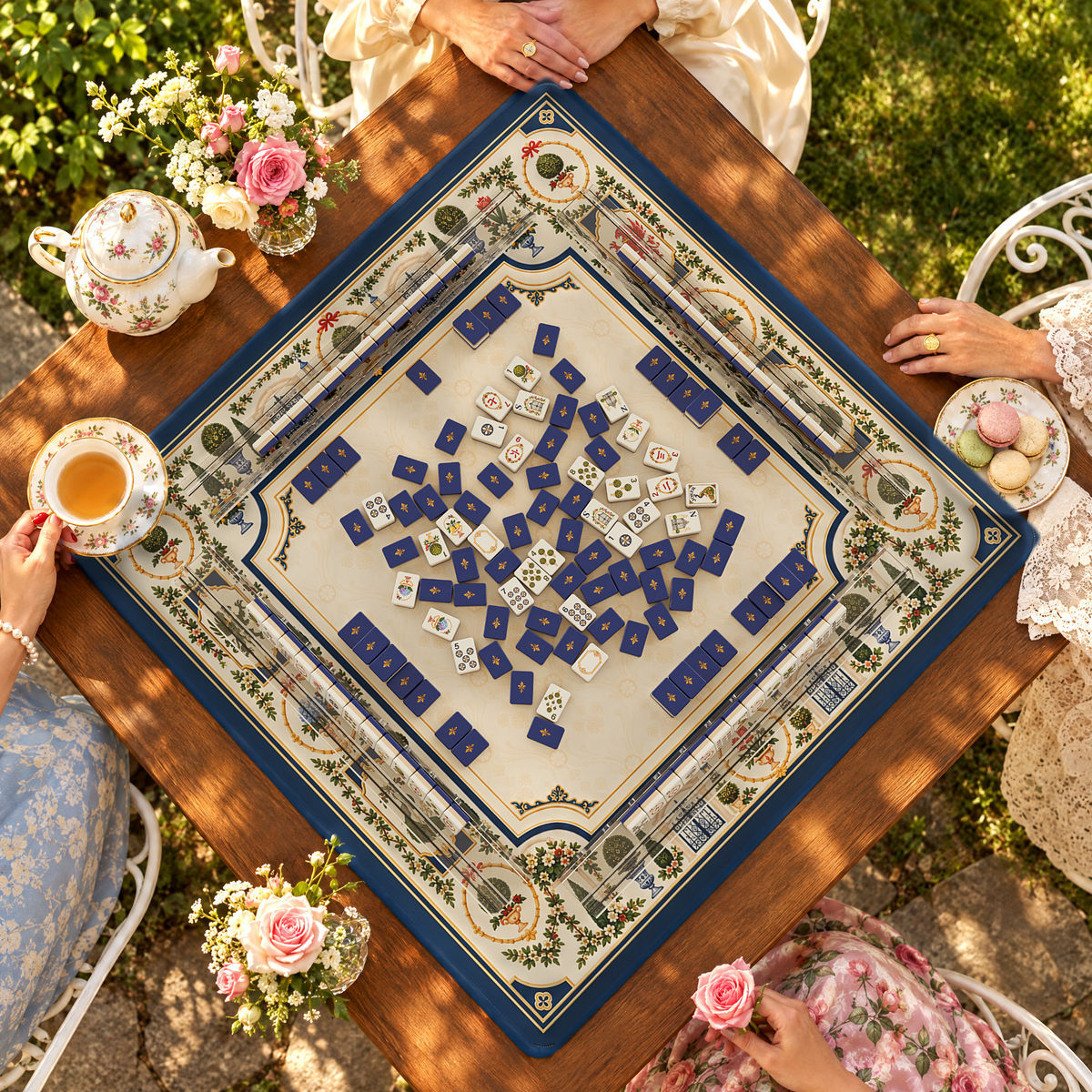
When you're comparing mahjong sets, ignore marketing language and focus on four measurable factors: tile material and weight (acrylic vs. resin feel different in hand and across the mat), case construction (does it protect corners during transport?), engraving depth and legibility (will the print fade or chip after 50 games?), and whether spares come included. American mahjong sets contain exactly 152 playing tiles plus 8 jokers; Mahstead sells 160-tile sets with spare tiles to replace any that wear or break. Cost varies by material, design complexity, and customization, but you should compare actual durability—a lighter set may feel cheap mid-shuffle, while a heavier acrylic set holds up through decades of weekly games. Check whether the case is rigid plastic, soft-sided, or foam-lined; flimsy cases crack at the corners and won't protect your investment. Ask the seller for close-up photos of tile edges, engraved text, and the corner joints before ordering. 🀄 Shop best-selling mahjong sets →
What's the Difference Between Acrylic and Other Tile Materials?
Most American mahjong sets sold today are molded acrylic or resin. Acrylic tiles feel heavier in your palm and sound crisp when they knock against each other—that's the feedback experienced players crave during the shuffle and wall-build. Resin can feel lighter and sometimes dull. Weight matters because it affects how tiles glide across the mat and whether shuffling tires your wrists during a four-hour session. Acrylic is also more scratch-resistant on the face, so your engraved titles or custom designs stay readable after hundreds of games. If you host weekly games, acrylic is the safer long-term choice.
How Do You Judge Case Quality Before Buying?
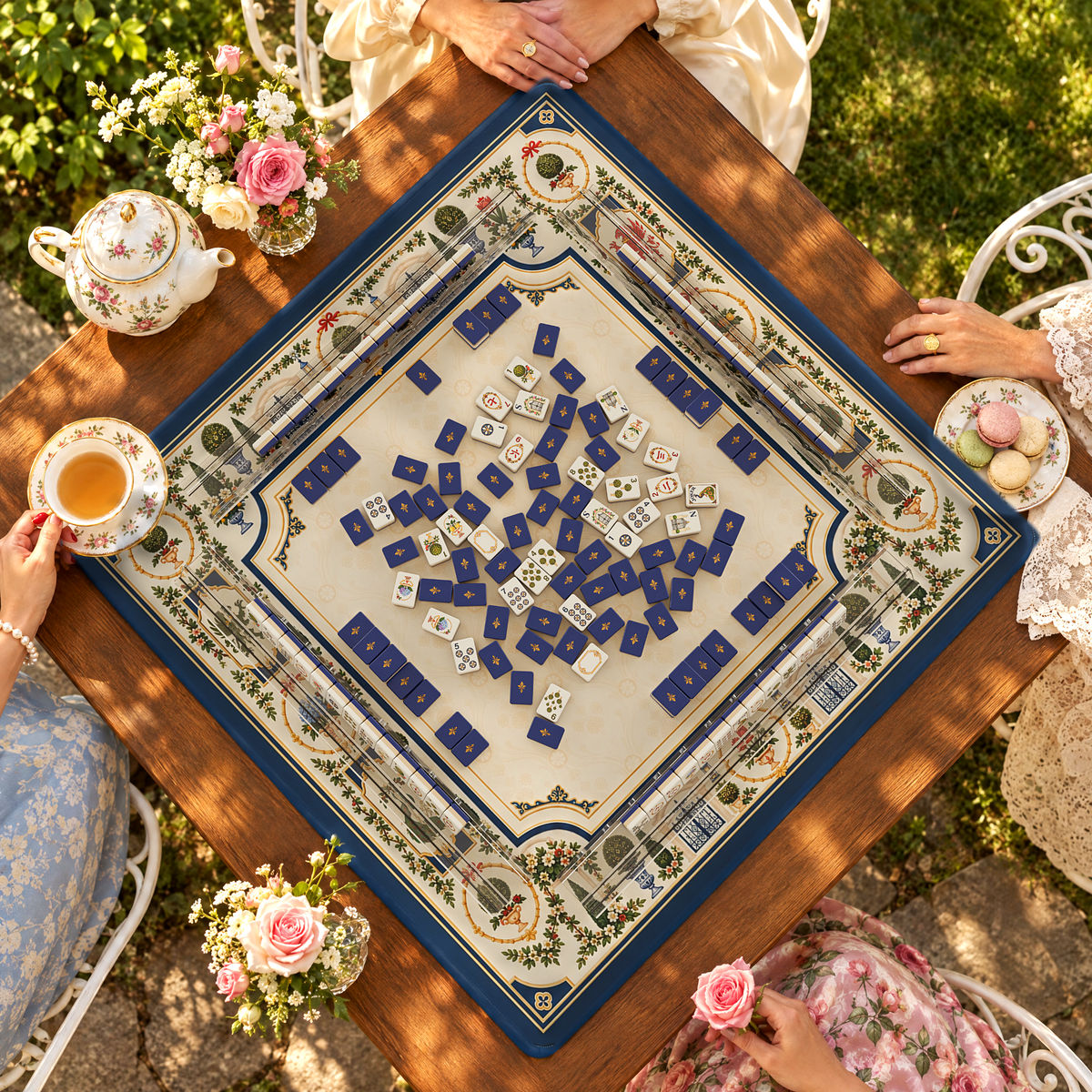
The case is where most mahjong sets fail first. Soft-sided nylon bags won't protect tiles if you drop the set or pack it into a car trunk. Hard-shell plastic cases protect edges, but check whether the corners are reinforced with plastic or aluminum—weak corners crack within a year of transport. Foam-lined cases distribute weight evenly and absorb shock, which matters if you travel to games or store the set in a closet with books stacked on top. Open the case after delivery and inspect the hinge; does it feel stiff or loose? A loose hinge means the lid will sag and won't close flat—that's a red flag for long-term durability. Rigid cases with latches or magnetic closures are more reliable than simple flip lids. If you mail your set to tournaments or friends' houses, choose a mahjong bag with reinforced carrying handles designed specifically for mahjong weight and volume.
🎁 See our most-loved mahjong sets & accessories →
What Should You Look for in Engraved Text and Design?
Engraved titles—whether you choose player names, a household name like "The Johnson Game," or decorative motifs—must be deep enough that they won't fade with handling. Shallow laser engraving (under 0.5 mm) wears off after 200+ shuffles; deeper engraving (1+ mm) lasts indefinitely. Ask the seller for a close-up photo of the engraved surface taken at an angle, not straight-on, so you can see the depth of cut. Font size matters too: anything smaller than 6 points becomes hard to read across a card-width distance. If you want engraved American mahjong sets with custom titles, verify that the engraver tests on scrap acrylic first, not your final set. Mahstead engraves each set to order, which means you'll know the exact design before tiles arrive. Check whether the case or tiles themselves carry the engraving, or both—a title on the case doesn't prove the tiles are personalized, and vice versa.
How Many Spare Tiles Do You Actually Need?
American mahjong sets contain 152 playing tiles (three suits × nine numbers × four copies each, plus winds, dragons, flowers, and jokers). A 160-tile set includes 8 spare tiles—usually extra jokers and blanks that never enter play. Over 5 years of weekly games, you'll almost certainly crack or chip one tile; spares let you swap it out without buying a second set. If you play tournaments or host monthly games with multiple tables, buy at least two sets so players can rotate, and ask whether spare tiles are packaged separately or in the main case. Mahstead 160-tile sets are shipped with all spares included, so you have backups ready without delay. Don't assume "160 tiles" means extras—some sellers add blanks that aren't acrylic and don't match your game set; verify that spares are the same material and finish as your playing tiles.

Tile Weight and Feel: Does It Matter?
Yes. Tiles under 8 grams each feel hollow and shift too easily across the mat, disrupting wall-building rhythm and making mistakes more likely. Tiles between 9–11 grams settle firmly when shuffled and stack predictably during the wall-build—that's the "official" feel at serious tournaments. If your table surface is soft (cloth mat, no hard underlay), lighter tiles can slip into one another, making it hard to read your hand. Heavier tiles (12+ grams) are slower to shuffle and tire wrists on longer sessions, but they're dramatically more durable. Pick up a sample if possible, or watch videos of the shuffle and listen to the sound—that acoustic feedback tells you whether the set will feel substantial or cheap after your third game. Compare this with how jokers work in your hand positioning to understand whether weight affects your ability to quickly spot and substitute blank tiles.
✨ Find your Mahstead set — free US shipping →
Comparison Table: What to Weight When Choosing
Feature | Lightweight Sets | Standard Weight | Premium/Durable |
Tile weight per piece | 7–8 grams | 9–11 grams | 12+ grams |
Acrylic vs. resin | Mixed materials | Pure acrylic | Full acrylic |
Engraving depth | Shallow (<0.5 mm) | Medium (0.5–1 mm) | Deep (1+ mm) |
Case type | Soft nylon | Hard plastic | Foam-lined rigid |
Spare tiles included | Minimal or none | 8 standard | 8+ verified match |
Best for | Occasional casual play | Weekly groups | Tournaments, long-term |
Durability (years) | 2–3 | 5–7 | 7+ |
What to Check Before You Buy: A Practical Checklist
Request a sample tile photo at an angle to see engraving depth and color accuracy.
Confirm case corner reinforcement—ask whether the case has plastic or metal reinforcement at all four corners.
Verify spare tile material—they must be acrylic and match your playing tiles exactly.
Ask about shipping protection—does the box include corner guards or foam inserts?
Check the tile weight in grams—compare across at least two brands if you're torn.
Test the shuffle sound if a sample is available locally; listen for crispness, not dull thuds.
Review the warranty or return policy—can you replace a cracked tile within 30 days?
Confirm the set is 152-tile standard plus 8 jokers, not a variant count.
Look at the joker tiles specifically—are they blank acrylic, or printed? Printed jokers wear faster.
For new mahjong arrivals and seasonal designs, check whether materials have changed year-over-year; older inventory may have different tile weight or case construction.
Why Mahstead's Approach Differs
We engrave and pack every set in Dallas. That means we control tile sourcing, case quality, and engraving depth—no dropship surprises. You'll see the exact design before checkout, and every set includes verified spare tiles matched to your playing set. We offer free US shipping, so you're not paying hidden logistics markup. When a tile cracks, you don't rebuy a whole set; you order a replacement tile. That transparency is the reason experienced players review durability rather than marketing claims. Over years of weekly games, a set is an investment in your table's consistency and reliability.
✨ Find your Mahstead set — free US shipping →

FAQ
How do I know if a mahjong set is "tournament quality"?
Tournament-grade sets have acrylic tiles weighing 9–11 grams each, rigid foam-lined cases, and engraving deeper than 1 mm. They're designed to meet National Mah Jongg League standards for tile uniformity and durability through 100+ annual games.
Should I buy a set with a soft bag or hard case?
Hard cases with foam lining protect tiles during transport and storage; soft bags are lighter for carry-on travel but offer no corner protection. For weekly home games, a hard case. For tournaments or frequent travel, choose a reinforced bag with cushioned compartments.
What's the difference between a blank tile and a spare joker in a 160-tile set?
Spare jokers are printed acrylic tiles identical to your playing jokers and can replace worn originals. Blank tiles are unpainted acrylic used only for repair kits or custom designs; they're never added to play.
How often do tiles actually crack or chip during normal play?
In weekly casual games, you'll chip or crack one tile roughly every 3–5 years from impacts during shuffling or dropping. Heavier acrylic tiles chip less often than lighter resin. Spares let you swap without buying a second set.
Can I tell if engraving is deep enough before I buy?
Request a high-angle photo of an engraved tile or case from the seller, not a straight-on shot. Deep engraving (1+ mm) casts a visible shadow; shallow engraving looks flat. Mahstead photos show angle details so you can confirm depth before ordering.
What does "160-tile set" actually mean?
American mahjong uses exactly 152 tiles in play: 108 suited tiles, 16 winds, 12 dragons, 8 flowers, plus 8 jokers. A 160-tile set includes 8 spare tiles (usually extra jokers and blanks) that never enter play but replace worn tiles over time.
Is acrylic always better than resin?
Acrylic is heavier, more scratch-resistant, and holds engraving longer. Resin can feel lighter and wears faster under regular play. For weekly games, acrylic is the better investment; for occasional casual play, resin is acceptable.


View More
View More
View More
