
Mahjong Lessons in Boston: Where to Learn & What to Know
Last updated: Nov 23, 2026
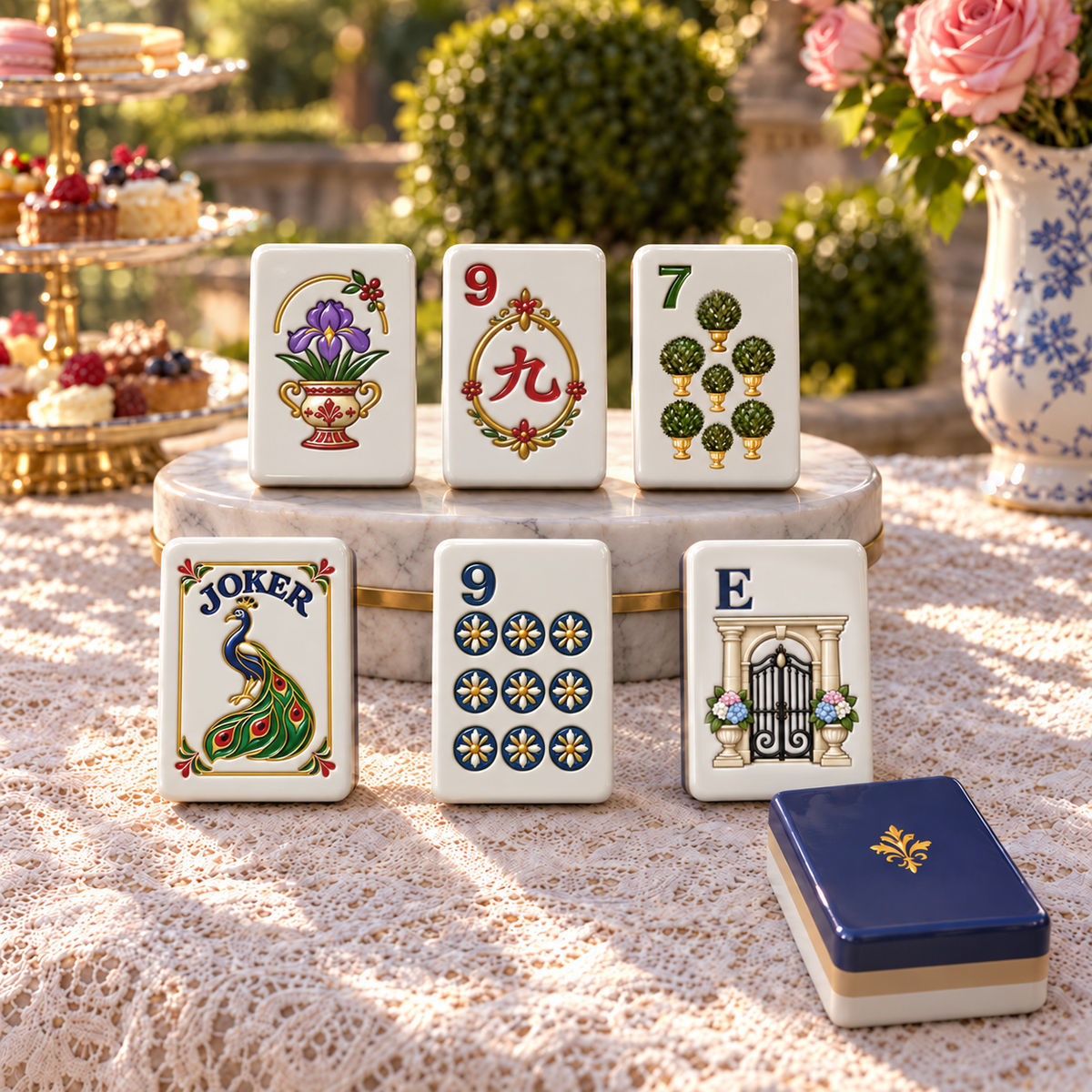
Mahjong lessons in Boston are available through public libraries (check Boston Public Library branches for community programs), synagogues in the Greater Boston area that host game groups, community centers in neighborhoods like Jamaica Plain and Dorchester, and private instructors who advertise on meetup boards. Most beginner lessons run 4–8 weeks, meeting once or twice weekly for 1.5–2 hours. Costs vary by provider; ask directly about current rates. Classes typically cover hand structure, the tile-passing Charleston ritual, reading the National Mah Jongg League card (updated each spring), joker rules, and exposed melds. You'll learn American mahjong, the most common variant in the United States. Before enrolling, confirm the game variant taught and whether the instructor provides tiles or expects you to bring your own best-selling acrylic set.
Finding lessons in Boston starts with local library systems. The Boston Public Library and branch locations often host mahjong groups and beginner workshops, especially in fall and winter. Call ahead or check their community calendar online; many offer free or low-cost sessions. Synagogues, particularly in areas with established Jewish communities (Brookline, Newton, Cambridge), regularly host mahjong nights and beginner instruction as part of adult programs. Community centers in every Boston neighborhood maintain bulletin boards and websites listing game groups; search your zip code plus "mahjong" to find the nearest one. Meetup and Craigslist community sections sometimes list private lessons from experienced players; always ask for references and confirm the teacher's experience before booking.
What Should I Expect in a Beginner Lesson?
A beginner mahjong lesson covers the 152-tile American set, hand types (pungs, kongs, exposures), the Charleston (the tile-passing round before play), and how to read the yearly League card. Most teachers show you how to organize tiles on a rack, explain joker rules (jokers can never form a pair or single tile), and walk through 2–3 complete hands. Plan for slow play and many questions—good instruction assumes you know nothing. Bring a notepad; the hand patterns take practice to recognize. Teachers should explain why American mahjong has no sequences (chows) that players can call or expose, only identical-tile groups, which makes it different from Chinese variants.

How Long Does It Take to Learn American Mahjong?
Beginner courses typically run 4–8 weeks at one or two sessions per week. By week 2–3, you'll understand hand structure and tile management. By week 6–8, you'll play full games with fewer rule questions, though pattern recognition (spotting hands on the card quickly) improves over months of play. Most people need 10–20 games before they feel confident enough to join a casual group game. The real learning happens at the table after formal lessons end; playing weekly with the same group accelerates skill far more than passive instruction. Budget 2–3 months before you're ready to host or join a regular game.
What Equipment Do I Need to Start at Home?
You'll need a 160-tile American mahjong set with racks, a mat to protect your table, and the current year's National Mah Jongg League card (available from league members or online retailers). Many players add racks with pushers to speed up tile management and reduce hand strain. Pushers let you sort and display tiles without gripping them, which matters during the Charleston and long games. A travel bag or case keeps your set protected if you rotate hosting among homes. Dice come with most sets, but if yours is missing them, they're easy to replace. Start with a basic mat and set; fancy extras aren't necessary, but a durable acrylic set and a non-slip mat prevent tiles from sliding during tile draws.
🀄 Shop best-selling mahjong sets →

How Do You Find the Right Teacher for Your Skill Level?
Ask potential instructors about their teaching experience (not just how long they've played). Good teachers explain rules clearly, repeat without frustration, and give you time to absorb patterns. Ask if they teach the current League card version and confirm they use American mahjong rules. Visit a lesson before committing; many instructors let you observe a game free. Check whether they provide tiles or expect you to own a set—this affects your startup cost. If you prefer to learn by playing rather than lecture, ask about "learning circle" groups where experienced players teach informally during games. Boston's active communities mean you'll have options; don't rush into the first program you find. Ensure the class size allows one-on-one feedback (ideally 4–6 players, not 20).
What Common Beginner Mistakes Should You Avoid?
The biggest mistake is memorizing hand patterns instead of learning the principle: hands on the card are organized by structure (like all pungs, or mixed pungs and exposures). Spend time understanding the card's layout so you can find hands during play instead of freezing up. Second, new players often forget that jokers cannot form a pair—this kills many hand attempts. Third, don't assume American mahjong is the same as Chinese mahjong; if you've played another variant, actively unlearn sequences (chows). The Charleston's tile-passing order confuses beginners; ask your teacher to walk through it step-by-step before your first game. Finally, avoid joining a serious money game until you've played at least ten casual hands. Boston's game culture ranges from relaxed learning groups to highly competitive tables; find one that matches your speed.
Beginner Setup Checklist
[ ] Attend 1–2 beginner lessons at a library, synagogue, or community center
[ ] Ask the teacher what set to buy (most recommend durable acrylic, 160-tile)
[ ] Purchase a best-selling set with racks and a protective mat before your first home game
[ ] Get the current-year National Mah Jongg League card (your teacher or instructor group can provide one)
[ ] Review how the Charleston works so you're not lost in round one
[ ] Practice reading the card at home for 30 minutes before your first game
[ ] Play at least two non-money casual games before joining a regular group
Boston Learning Paths: Quick Comparison
Learning Route | Best For | Time to First Game | Why It Works |
Library beginner class | Budget-conscious, structured learners | 6–8 weeks | Free/cheap, teaches American rules correctly, group support |
Synagogue game group | Social learners with Jewish community ties | 4–6 weeks | Informal, welcoming, older players patient with beginners |
Community center workshop | Flexible schedulers, part-time learners | 8–10 weeks | Drop-in format, multiple time slots, consistent instructors |
Private instructor lesson | Learners who prefer one-on-one pace | 3–4 weeks | Tailored to your speed, faster progress, higher cost |
Learning circle (informal) | Self-directed players, quick learners | 2–3 weeks | Real games from day one, peer teaching, lowest pressure |
🎁 See our most-loved mahjong sets & accessories →
What to Check Before You Buy Your First Set
When you're ready to buy, choose a 160-tile acrylic American mahjong set—acrylic tiles are loud (so you hear tile placement), durable, easy to clean, and last through hundreds of games. Avoid sets with fewer than 152 tiles or unclear Bam, Crak, and Dot markings; unclear suits slow the game. Check that racks are included and sturdy; wobbly racks are frustrating. Ensure the case or bag has padding if you'll transport your set. Confirm the set contains jokers; American games require them, and you can't play without the full count. If you're unsure about specific set features, ask your instructor or the vendor—there's no penalty for checking twice. Mahstead's best-selling sets come acrylic-tiled with included racks and free US shipping, so you're ready to play straight out of the box.
✨ Find your Mahstead set — free US shipping →

FAQ
Where do most Boston beginners take lessons?
Boston Public Library branches and synagogues offer the most lessons. Check library community calendars and call synagogue adult program directors. Community centers in Jamaica Plain and Dorchester also list regular games and welcome newcomers.
Can I learn mahjong online instead of in-person?
Video tutorials teach rules, but American mahjong requires hands-on practice with actual tiles. In-person lessons plus games are far more effective. Online resources supplement instruction—not replace it.
How much does a beginner lesson cost?
Library and synagogue classes are free or very low-cost. Ask your provider directly; costs vary widely by instructor and program length. Private lessons cost more than group classes.
What if I've played Chinese mahjong before—will that confuse me?
Yes—American mahjong is a completely different game. You have no sequences (chows), only identical-tile groups, and jokers work differently. Tell your instructor your prior experience so they can clarify the differences.
Do I need to buy my own set before lessons start?
Ask your instructor. Many beginner classes provide sets; others expect you to own one. It's worth confirming before your first session so there's no surprise.
How long before I'm ready to play money games?
Most experienced players recommend 8–12 casual games before joining a stakes table. This prevents frustration and teaches you to pace bids correctly. Never rush into money play just to fit in.
What's the difference between American mahjong and other variants?
American mahjong uses 152 tiles, no sequences, jokers that substitute for any tile (never pairs or singles), and hands that come only from the current League card. Chinese and Hong Kong variants play by different tile counts and hand rules entirely. Always confirm your lesson teaches American rules.


View More
View More
View More
