
Mahjong Set for Beginners: What to Buy in 2026
Last updated: Nov 23, 2026
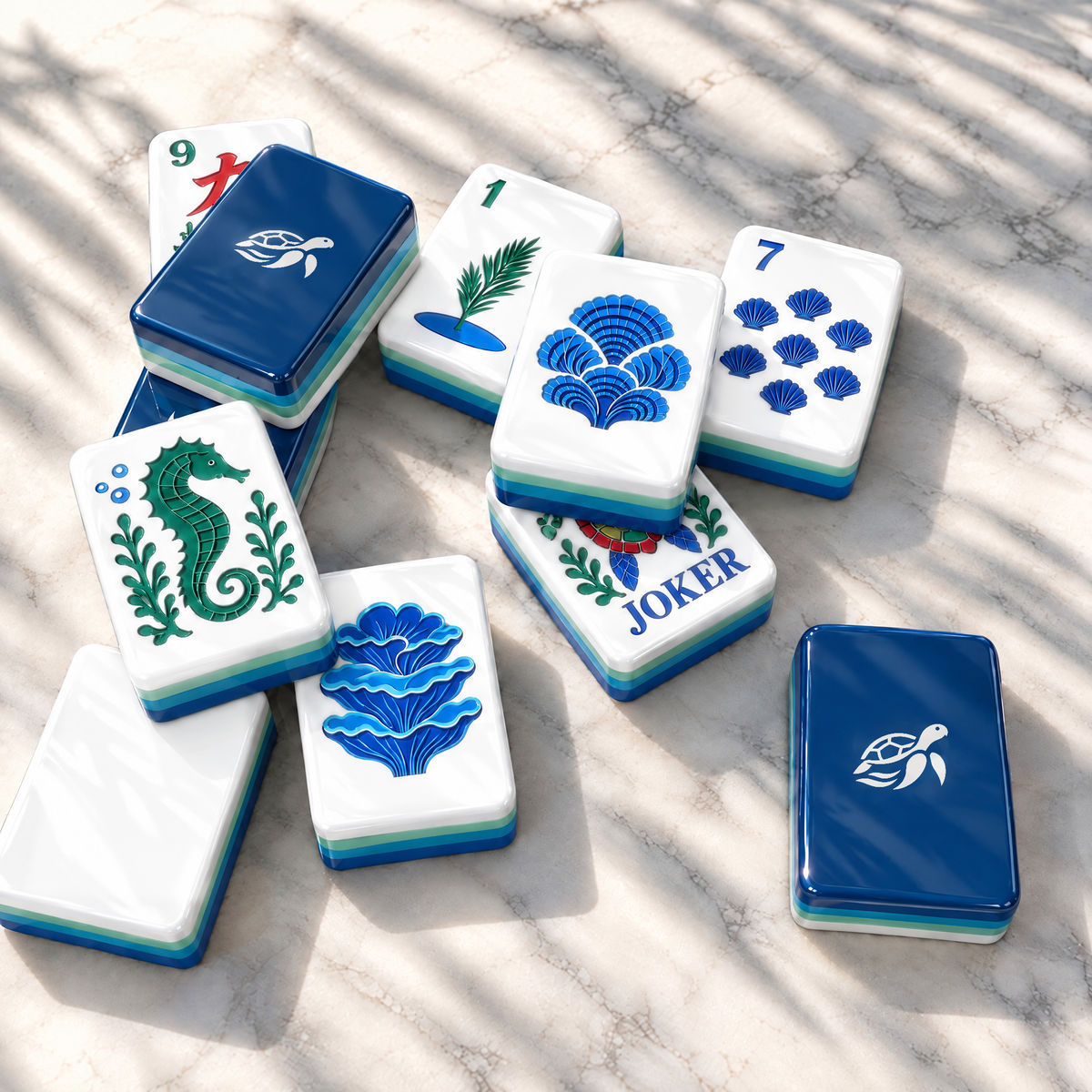
An American mahjong set for beginners contains 160 tiles total: 152 tiles you play with (three suits, winds, dragons, flowers, and blanks) plus 8 jokers. The core set includes acrylic tiles, a tile mat for organizing play, racks with pushers to hold and manage tiles, and a carrying bag. You also need the current year's National Mah Jongg League card (issued every spring) to know which hands are valid. Most beginner sets from Mahstead start as acrylic, which are durable and easy to read, shipped flat to arrive intact. Engraved personalization—names, years, club names—is an option if you're building something to keep long-term. The price and contents vary based on whether you choose a basic or deluxe collection. Look for sets that include a sturdy mat and racks; without those, your first game feels awkward. Avoid tiny tiles or sets missing the League card reference—both will frustrate you within minutes.
What's actually inside a 160-tile beginner set?
A 160-tile set includes 152 playing tiles plus 8 jokers. Within those 152: three suits (Bams, Craks, Dots) numbered 1–9, with four copies of each tile; 16 winds (four each of North, East, West, South); 12 dragons; 8 flowers; and one blank tile. The extra 8 jokers serve as wild cards during play. Most beginners don't realize jokers have strict rules—read how jokers work to avoid early mistakes. You'll also need a mat to lay out tiles so everyone can see them, racks to hold your hand, and a bag to carry everything. Mahstead sets include all these pieces together; buying items piecemeal wastes money and often leads to mismatched sizes.
🀄 Shop best-selling mahjong sets →

Should I buy plain acrylic or engraved tiles?
Plain acrylic tiles are cheaper and load into a set faster—ideal for learning. Engraved tiles cost more but add a name, year, or club emblem, making the set feel like an heirloom worth maintaining. If you're starting solo or joining a casual league, plain works fine. If you're hosting a standing weekly game at home, engraved tiles signal permanence and pride. Beginners who plan to play for years often regret not engraving; those uncertain about commitment prefer plain first. The engraving doesn't affect gameplay—it's purely about ownership and aesthetics. Browse engraved American mahjong sets to see the options; if nothing resonates now, buy plain and upgrade later.
Do you need a mat and racks from day one?
Yes. Many new players borrow sets without mats and racks, then spend the entire first game frustrated—tiles slide, scoring is slow, hands are disorganized. A mat creates a defined play zone and keeps tiles stable during the Charleston (the tile-passing ritual before each hand). Racks with pushers let you hold 13 or 14 tiles comfortably and arrange them one-handed, which matters when you're also tracking the card and the discard pile. A mat also teaches proper table positioning—where the Charleston pile sits, where each player discards—so you develop habits for every venue you'll play in later. Learn how to choose a mahjong mat to match your table size and setup. Our racks with pushers guide explains push-vs.-pull mechanics.
What's the difference between a beginner set and a "best-selling" set?
Beginner sets focus on clarity and completeness—larger tiles, good tile art, sturdy mats. Our best-selling collection includes these entry-level options but also encompasses players upgrading from their first set, hosts buying premium gear for weekly games, and gift-givers looking for prestige. A beginner set is usually a popular picks because it works for so many contexts. The best-selling line doesn't imply luxury; it reflects balanced quality, durability, and value. For beginners, the popular picks list filters out both the ultra-budget options (which crack or scratch fast) and the boutique pieces meant for display. If you're new, start in the best-selling range and you'll find everything you need without overthinking.

How do I compare beginner sets before ordering?
Use this checklist to narrow your choice:
Feature | Why it matters for beginners | What to check |
Tile size | Tiles too small = eye strain and fumbling. | 1.25" or larger; compare to a coin in photos. |
Included mat | Stabilizes play and teaches position. | Mat should fit at least 4 tiles in a row without sliding. |
Included racks | Essential for hand management and comfort. | 2 racks minimum; check if pushers are included. |
Included bag | Protects tiles in transit and storage. | Bag should be padded or have internal dividers. |
Joker count | More jokers = more spare tiles if one cracks. | 160-tile sets include 8 jokers; confirm before buying. |
Durability rating | Acrylic can yellow or chip with heavy use. | Look for reviews mentioning 1+ year of weekly play. |
Before you order, confirm the set ships flat (not shaken in a box), includes a current-year League card, and has a return window. Mahstead ships sets free across the US, packaged to arrive intact. If tiles arrive chipped, replacement is straightforward.
🎁 See our most-loved mahjong sets & accessories →
What should I avoid as a beginner?
Tiny tiles under 1.25 inches: They're cute in photos but brutal during your first five games. Your eyes will hurt and you'll misread suits.
Sets without a mat: You'll improvise with a tablecloth or towel and regret it within an hour.
Missing jokers: If the set doesn't state "160 tiles," it may have only 144, and you'll be one hand short every game.
No included bag: Loose tiles in a box get damaged in transit and scratched from touching each other.
Wrong year's League card: The card is updated every spring and lists only valid hands for that year. An old card will confuse scoring.
Unmarked suits: Avoid sets where Bams, Craks, and Dots aren't clearly labeled. You'll spend the first game guessing symbols.
New players who skip these traps have a smooth, fun first month. Those who ignore them usually quit.
✨ Find your Mahstead set — free US shipping →
What to check before you buy
Confirm the tile count: 160 tiles (152 playing + 8 jokers) is the American standard. Anything less is incomplete.
Read the included items list: Verify mat, racks, pushers, and bag are listed as included, not sold separately.
Check shipping: Mahstead includes free US shipping; confirm the set ships flat or well-padded to prevent arrival damage.
Confirm the League card is current: The National Mah Jongg League releases a new card every spring. An older card won't match valid hands.
Test the tile size if possible: Visit a friend's set or ask the seller for dimensions. Compare to your thumb or a standard coin.
Ask about joker spares: If you plan to play weekly, ask if spare jokers or tiles are included in case one cracks.
FAQ
Do I need to learn Chinese mahjong first?
No. American mahjong is a distinct variant—no chows, different rules, different tile set. Starting with American is fine; switching variants later is harder than learning American from scratch.
Can I use a mahjong set I find online for $20?
Possibly, but confirm it's 160 tiles, includes a mat and racks, and has free or low-cost shipping. Ultra-cheap sets often arrive with cracked tiles or missing pieces; hidden costs add up.
What if I'm left-handed?
Mahjong seating and tile placement are the same for all players regardless of dominance. Left-handed players hold racks and tiles the same way right-handed players do; the game accommodates both equally.
Should I memorize the League card before my first game?
No. Bring the current-year card to the table, reference it during play, and gradually recognize patterns. Most beginners memorize 10–15 hands within three sessions.
Can I play with fewer than 4 people?
Yes, but the rules change. Read the 2 and 3 player mahjong rules before attempting—seatings and hand counts shift. Four-player is the standard and easiest entry point.
What if tiles crack or jokers go missing?
Most Mahstead sets come with spare jokers in the 160-tile count. If a tile cracks mid-game, replace it and note it for later repair or contact Mahstead. Replacement tiles are usually available.
How long does a beginner set last?
Acrylic tiles last 2–5 years of weekly play before yellowing or chipping. Mats last 3–7 years. A set used casually (once a month) easily lasts 10+ years. Usage, storage, and care matter more than purchase date.


View More
View More
View More
