
Mahjong Safe Discards: Mistakes to Avoid at Your Table
Last updated: Nov 23, 2026
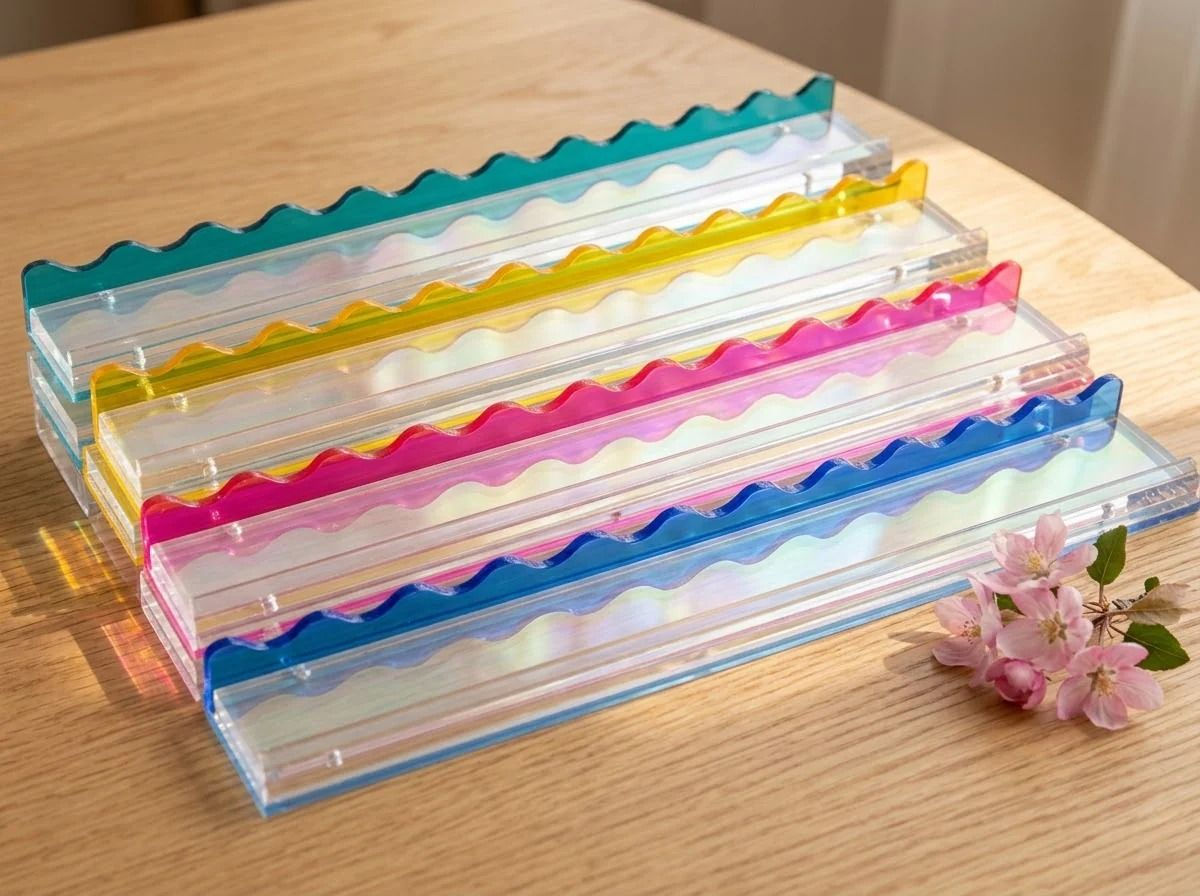
A safe discard in American mahjong is a tile you believe no opponent can call to complete a hand on the current National Mah Jongg League card. The core mistake: assuming a tile is safe because you don't need it. What matters is whether anyone does. Watch which tiles your opponents have already discarded, kept, and picked from the wall. Tiles discarded early by multiple players are often safer (fewer players need them). Winds and dragons are frequently safe early in the hand; honor tiles and matching pairs grow riskier as the game progresses. Track how many copies of each tile you've seen on the discard wall versus how many remain in play. A tile you discard could complete a pung, kong, quint, or sextuple in any of four suits, so scan the card before every discard. The biggest error: discarding the same number in different suits in quick succession (e.g., 5 Bam, then 5 Crak, then 5 Dot), which telegraphs you're trying to clear a number and gives observant opponents a pattern to hunt. 🀄 Shop best-selling mahjong sets →
What does "safe" really mean at the table?
Safe doesn't mean mathematically risk-free—it means contextually low-risk. A 1 Bam discarded by East in turn two might be safe in turn twelve if you've seen three copies already hit the wall and no one is visibly melding that suit. But the same 1 Bam is dangerous if West just picked from the wall after it was discarded, because West may be building toward a hand using Bams. Safety is a live calculation, not a rule. The best players in our weekly games constantly update their mental map: How many 2 Craks have left the table? Is anyone sitting on a pair of them? Refer to the complete how-to-play guide to confirm what hands are legal on the current season's card—then use that knowledge to predict what others are chasing.

Why do most players lose tiles they shouldn't?
The biggest trap is false confidence in honors. Winds and dragons feel safer than number tiles because they appear in fewer hands—but when someone does need one, they need it urgently, often in a pung or kong. Discard a Green Dragon carelessly in turn six, and the player across from you might knock immediately with it. The second mistake is impatience: players discard tiles defensively without building a coherent strategy, which means they throw away useful tiles and then can't complete their own hand. The third is pattern blindness—failing to notice that your neighbor has melded two Dragon/Wind pungs and is clearly collecting a third. A player who has exposed two Red Dragon combinations is fishing for the third; hand it to them, and they knock. Track what each player has shown, not just what they've discarded. If you see three people meld Bams in the first six turns, melding a Bam suit yourself becomes riskier because fewer Bams remain for you to draw.
How do you tell which tiles are becoming dangerous?
Use the tile-presence-and-exposure map: as tiles are discarded, melded, or drawn, their scarcity increases and so does their danger. Here's the live-table priority checklist:
Tiles discarded by multiple players early: often safe (many people don't need them).
Tiles in two or more exposed sets: high danger (players are clearly committed to those ranks).
Tiles you've never seen discarded: unknown—safer to hold them than discard them.
Pair tiles that haven't been melded yet: medium to high danger after turn five (players are hoarding pairs to draw into).
Matching number across all three suits: check the card—if 5 Bam, 5 Crak, 5 Dot all appear together in a common hand, discarding one broadcast the other two as targets.
Write down which tiles each player has melded. If North shows a pung of 7 Dots in turn four, 7 Dots are dangerous for everyone. A safe discard usually falls into one of these patterns: a tile already on the wall three times (you've seen all four copies or three of them, meaning zero or one remain), an honor tile no one is collecting (check: no visible honor melds, and it was discarded early by two players), or a number tile from a suit that hasn't been melded yet and you haven't seen in a player's hand.
What's the best way to practice reading the table?
Before you discard, ask yourself five questions in order:
What hand am I building? Know your target on the card. This focus prevents panic discards.
Has anyone melded this tile's suit, rank, or family? If yes, that tile is contested; only discard it if you're confident.
How many of this tile have I seen on the wall? If two or more copies are visible, the tile is safer (fewer remain to be called).
Is the player to my left close to knocking? (Listen for hesitation, quick draws, or exposed sets in consecutive turns.) If yes, discard nothing that fits a common pattern on the card.
Which tile will I regret most if someone knocks with it? Discard the other one.
The most successful players we know keep a mental discard timeline: they recall not just which tiles left the wall, but when and by whom. A 3 Dot discarded by East in turn two has different meaning than a 3 Dot discarded by West in turn eight. Early discards are often "garbage clearance"; late discards reveal desperation or a change in strategy. Over five games, you'll build intuition for your group's habits—who discards defensively, who is aggressive, who talks through their logic and accidentally hints at their hand.
How do you recover if you make a dangerous discard?
You can't un-ring the bell, but you can minimize exposure. If you accidentally discard a tile that fits multiple hands, watch the reaction carefully. If no one calls it or looks at it after you place it, congratulations—your fear was unfounded. If someone picks from the wall immediately after, they may be considering whether to call it; if they hesitate, they probably need it but aren't ready. If someone calls it on your next turn or the next player's turn, accept it and move on—don't cascade into more careless discards out of frustration. The second phase of recovery is tightening your discard strategy for the rest of the hand: shift toward honor tiles, wait longer before discarding number tiles, and prioritize melding quickly to reduce the number of tiles in your hand (fewer tiles = fewer discard opportunities = less exposure).
One practical setup that helps: use quality engraved tiles and a clear mat so everyone can read what's on the wall instantly. Unclear tiles or a cluttered wall slow down the game and lead to memory errors, which cascade into bad discard decisions. Clear, legible tiles also reduce disputes and keep the table calm.
What are the biggest discard mistakes in different game positions?
East (first hand, opener): The error is discarding a tile you later wish you'd kept. East usually completes their hand fastest, so East's early discards have outsized impact. Don't discard a pair or a likely number tile until you're sure you don't need it. East sets the tone; careless East opens the door for others to steal the hand.
South, West, North (Middle and late hands): The mistake is defensive discard fatigue. By hand three, players often throw tiles carelessly because they're tired of thinking. This is when "safe" becomes random. Stay alert. Also: if East knocked early in the first hand, the rhythm resets—don't assume the second hand will follow the same pace.
Any position, any hand: The fatal error is discarding a tile you know fits the card because "it's unlikely" or "they're not the type." In American mahjong, anyone can be one tile away from knock. Discard strategically, not hopefully.
Discard Scenario | Risk Level | When It's Safe | When It's Dangerous |
Tile discarded 3× already (all copies visible) | Low | Always safe to discard the 4th | Only unsafe if you misread the wall |
Honor tile, no melds shown | Low to Medium | Turn 1–4 | Turn 7+ (hoarding begins) |
Number tile matching exposed set | High | Never (avoid) | After 1–2 of that tile visible on wall |
Tile you've never seen | Medium | If paired with low-risk honor | If similar tiles are contested |
Pair you're not melding | Medium to High | Only if you've seen 3+ copies on wall | Before turn 5 or if suited players are active |
🎁 See our most-loved mahjong sets & accessories →

Common discard mistakes players make in their first 20 games
Mistake 1: Assuming your own needs dictate safety. You don't need 3 Craks, so you discard it—but someone across the table needs three 3 Craks for a pung. Safety is about all four players, not just you. Scan the card for every hand type containing each tile, then think about what you've seen discarded and kept.
Mistake 2: Discarding numbers in a clear sequence within the same suit. Throwing 4 Bam, then 5 Bam, then 6 Bam in consecutive turns is broadcasting that you're trying to clear that rank. Observant players will see you're not building a sequence there and will avoid melding anything that conflicts—and will hunt for the other tile types you do need.
Mistake 3: Trusting that "old" discards are safe. A 1 Dot hit the wall in turn two; it's now turn ten. You assume 1 Dot is safe because it's been sitting there untouched. But a new player may have just drawn a pair of 1 Dots and is waiting to knock. Old doesn't mean safe; number of copies on the wall is what matters.
Mistake 4: Panicking and discarding after someone picks from the wall. When another player picks from the wall, you might rush to discard, thinking "they have what they need now." Wrong—they just drew a tile and are deciding which tile to discard. Your hasty response often lands on exactly the tile they were hunting for.
Mistake 5: Playing the card instead of the table. Yes, the National Mah Jongg League card shows what hands are legal—but if no one at your table is chasing 1-2-3 sequences in any suit (sequences can't be called anyway in American mahjong), then 1s are safer than they look on paper. Play the actual game with the actual people, not a theoretical game with the theoretical card.
What to check before you buy new tiles or gear
Clear visibility at the table prevents discard errors. When you're shopping for a set upgrade or replacement tiles, ensure:
Tiles are large enough to read from across the table (4 cm / ~1.6 inches is standard).
Engraving or printing is high-contrast so you can quickly identify suits, ranks, and dragons without squinting.
A mat with clear zones (e.g., dedicated discard areas) helps everyone track what's been discarded and avoid discard-wall confusion, which leads to re-reading and hesitation.
Racks with pushers (vs. holding tiles in hand) slow down accidental discards because you're placing a tile deliberately, not pulling it from a fan where you might grab the wrong one under pressure.
Engraved sets with clear titles take one extra cognitive load off the table—you spend less mental energy identifying tiles and more energy reading your opponents.
✨ Find your Mahstead set — free US shipping →
Real-table tip: the "discard interval" rule
The safest players we know practice what we call the discard interval: they never discard the same rank in different suits within three turns of each other. Why? Because it reveals your hand logic to anyone paying attention. If you discard 4 Bam in turn three, 4 Crak in turn four, and 4 Dot in turn five, you've just announced that 4 is a rank you're clearing across the board, which means you're probably not building a hand with 4s. Other players can now ignore 4s as a target for you and focus on what is your target. By spacing your discards of similar ranks, you keep your strategy opaque. It's a small discipline that raises your win rate over a season.
Another pro move: discard the tile that leaves your hand visually balanced. If you're holding two 3 Dots and one 2 Dot, discard the 3 Dot if it's safe—keeping unmatched singles is usually weaker than hoarding pairs. This ties back to what you're trying to build: are you melding sets (pungs, kongs, quints, sextets) or drawing into them? Every discard should make your remaining hand more cohesive, not weaker.
Why clear tiles and a good mat matter for discard safety
Discard errors spike when the wall is hard to read. If tiles are small, murky, or jumbled together, players mis-read what's been discarded, forget what they've already seen, and make risky guesses. A mat with clear discard zones and legible tiles gives everyone the same visual information—no one has an excuse to claim they "didn't see" a tile that was already on the wall. This shared clarity levels the playing field and forces every discard decision to be based on strategy, not memory or miscommunication.
If your group plays regularly, upgrading your travel bag or case also ensures your tiles stay in good condition—worn, chipped, or faded tiles become harder to read under table light, which cascades into poor discard reads.
Final checklist: Before you discard
[ ] I know which hand I'm building on the card.
[ ] I've looked at the discard wall and counted how many copies of this tile I've seen.
[ ] I know which suits each player has melted.
[ ] I've checked the card for all hand types that use this tile.
[ ] I'm confident no one is hoarding this tile or collecting its rank.
[ ] I've observed my left neighbor's recent draws and discards (are they close to knocking?).
[ ] This tile doesn't fit any common hand patterns I see forming at the table.
If you can check all seven boxes, discard with confidence. If you can't, hold the tile one more turn.
FAQ
If a tile has been on the discard wall untouched for five turns, is it safe to discard a matching tile?
No. An untouched tile doesn't mean it's safe—it means no one yet has the rest of the hand to call it. A player drawing a pair this turn could call both the old and the new tile on their next opportunity. Only discard a tile if you've seen all four copies or three copies on the wall (meaning zero or one remain in play).
Is it safer to discard a wind or dragon than a number tile?
Early game (turns 1–4), yes—winds and dragons appear in fewer hands. Late game (turn 7 onward), no—by then, if someone is collecting a wind or dragon, they're usually one tile away from knocking. Honor tiles are only safer if you see them discarded early by multiple players without being called.
What does it mean if someone picks from the wall and then immediately discards something they just picked?
It usually means the tile they picked was not useful for their hand. This is useful information: if they were hunting for a specific tile and didn't get it, they may call the next discard that fits their hand. Conversely, if they pick and quickly discard, they're not close to knocking—they're still in exploration mode.
Should I discard a pair if I'm not sure I'll meld it?
Only if it's safe. A pair is valuable insurance—if you discard one half, you've lost your backup. But if you're certain both copies will hurt your hand, discard the safer of the two. A pair is also a target for anyone collecting that rank, so discarding one is advertising you have it.
If multiple players have melted the same suit (e.g., three players melted Bams), are all Bams unsafe?
Very unsafe. A suit that's being melted by multiple players has fewer tiles available for any single player to draw. If you meld Bams and three other people also meld Bams, you're competing for the same shallow pool. Discard Bams carefully or avoid melding Bams altogether if you see heavy early melding in that suit.
How do I know if someone is bluffing with their exposed sets?
You can't, with certainty—but you can make educated guesses. If a player has melted two Dragon pungs and suddenly discards a Dragon (risky move), they're probably not collecting a third—they're lying about interest to throw you off. However, assume the opposite until proven otherwise: assume they are hunting for that tile. Bluffing at mahjong is rare and usually fails; most players stick to their visible strategy.


View More
View More
View More
