
Common Mistakes in Three-Player Mahjong (and How to Fix Them)
Last updated: Nov 23, 2026
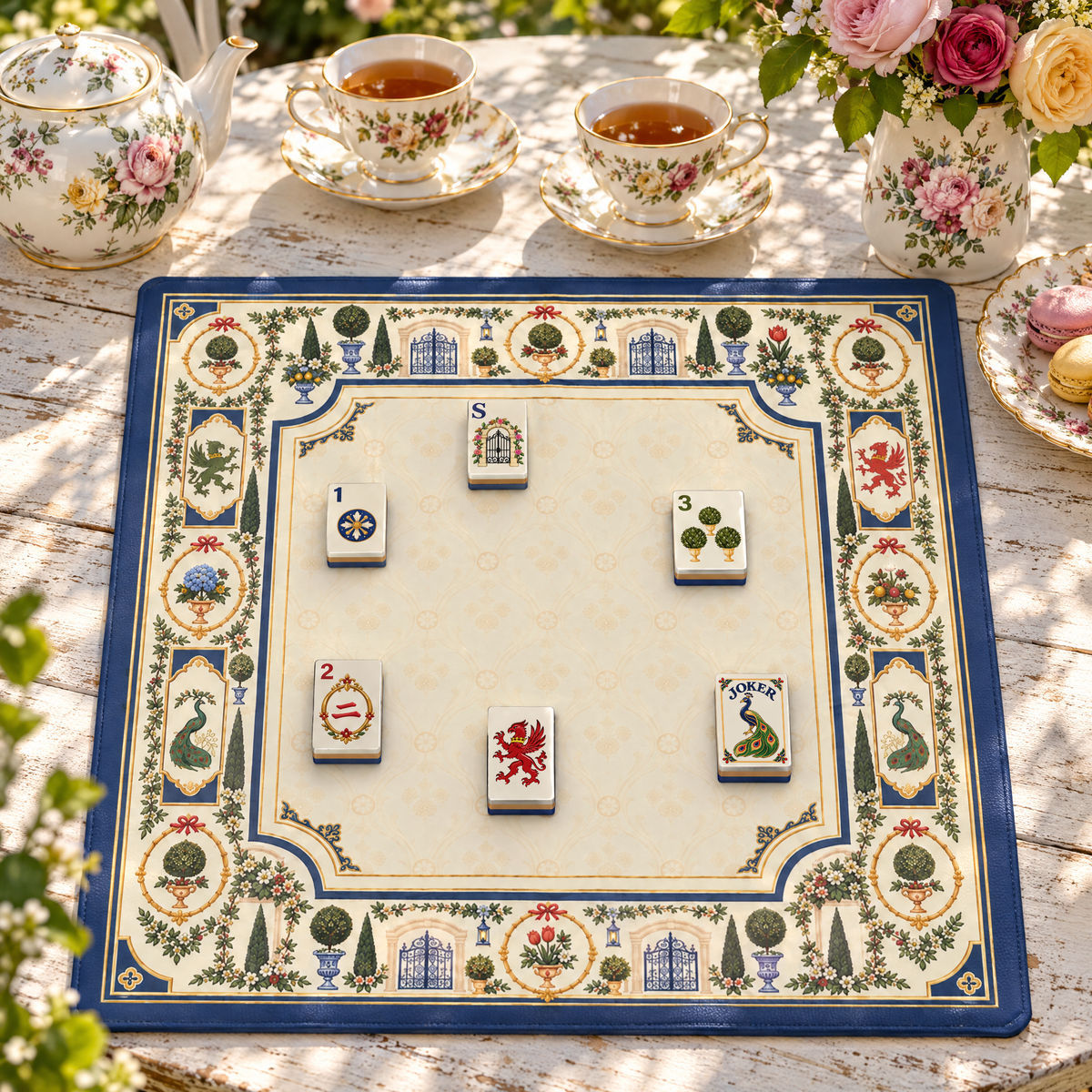
Three-player mahjong reduces the tile count and removes one entire suit (usually Bams) to balance hand difficulty and discard speed. Instead of 152 tiles and four players, you typically work with a reduced deck and rotate the position of "dead hand." Setup requires removing all Bam tiles or following your variant's specific rules; hand validity uses the same card-based logic as four-player American mahjong, but your available pung/kong/quint combinations shrink. The most frequent errors are miscounting the live wall, misreading which hands are legal with fewer tiles in play, and forgetting that Kong rules differ when fewer jokers are active. Whether you play American three-player or adapt Chinese or Hong Kong rules, the core mistake is treating it as "four-player with one seat empty"—it's a different game. Grab a variant-specific guide or 2/3-player rules reference before hosting.
Three-player mahjong isn't a watered-down four-player game—it's a distinct format that changes tile availability, hand patterns, and the pace of play. We've hosted weekly three-player rounds for years, and we see the same costly slip-ups over and over. Here's what they are, why they happen, and how to play tight.
What tiles do you actually remove for three-player?
The variant you choose determines your tile removal. In American mahjong adapted for three players, the standard is to remove all 36 Bam tiles (1–9 Bam, four copies each), bringing the live deck to 116 tiles. Some groups remove Dots instead, or remove one entire wind or dragon suit; check your variant's rules before you start. The mistake most players make is assuming "one suit out" means the hand card stays the same—it doesn't. Legal hand patterns shrink when you can't make certain pung/kong combinations with missing tiles.
🀄 Shop best-selling mahjong sets →

Why does your live wall size change the whole game?
With 116 tiles and three players instead of 152 and four, your live wall is dramatically shorter. In American four-player, each player takes 13 tiles plus 1 off the live wall, leaving a dead wall of 14 tiles; the remaining 108 form the live wall. In three-player with 116 total tiles, your live wall holds far fewer tiles. This changes how quickly you cycle through discards and how many jokers you realistically draw. Players who don't recalculate the wall often miscall Mahjong because they've miscounted live tiles—they think they have one more tile available than they actually do. Always recount the live wall before the first hand, and mark it clearly on a mat so all three players see the same endpoint.
How do jokers behave differently in three-player?
Your joke count drops too. If you remove 36 Bam tiles, you're also losing any embedded logic that tied joker supply to game balance in four-player. Most three-player variants keep the standard 8 jokers, but some reduce to 6 or use house rules. The critical error: using the four-player hand card without checking whether the hands listed there are actually makeable with your reduced tile pool and joker count. A hand that asks for two quints and a kong might not be legal if your joker supply is tighter. Cross-reference your hand card against your tile and joker count before every session.
What's the biggest scoring mistake?
American mahjong three-player typically uses the same point values as four-player (pung, kong, quint, sextet, hand bonus, joker bonus), but some variants scale points down or use a different payment structure (e.g., each player pays the winner equally, or payment flows only from your payers). The mistake: assuming all three pay equally if you go out. Always agree on your payment rule before shuffling, and write it down. We've seen disagreements kill games mid-session. If you're mixing American rules with house rules, note the scoring card on the mat so there's no ambiguity.
How does the dead hand rule trip up three-player groups?
In American four-player, a seat rotates out briefly as "dead hand" and buys from the live wall at a set interval. In three-player, you often eliminate the dead hand concept entirely, or rotate it in a way that feels unnatural if you're not prepared. Some groups keep one seat as a "dead" position that cycles each round; others let the three players go continuously. The mistake is forgetting which rule you chose mid-game. Decide this rule, write it on your mat, and stick to it. Our weekly crews use a rotating dead position that cycles every four hands—we mark it with a small token so there's no argument.
Setup Aspect | Four-Player American | Three-Player (Bams Out) | What Goes Wrong |
Total tiles in play | 152 | 116 | Miscounting live wall, wrong hand validity |
Jokers | 8 | 8 (usually; check your variant) | Joker-heavy hands become impossible |
Live wall size | ~108 tiles | ~62–70 tiles | Drawing too few tiles, incorrect Mahjong calls |
Dead hand rotation | Yes, at set draws | Optional; often continuous three-way | Confusion over who buys from where |
Hand card | Current year NMJL card | Must be validated for reduced tile pool | Playing illegal hands, uncalled Mahjiang |
Pung/Kong rules | Standard (any identical trio/quad) | Same, but fewer tile combos exist | Locking yourself into bad patterns early |
🎁 See our most-loved mahjong sets & accessories →
How do you avoid illegal hands when tiles are missing?
The single biggest trap: a hand looks legal on the four-player card, but with Bams (or Dots, or Winds) removed, it's impossible to build. Example: a hand calling for "three 5 Bams pung, one quint Craks, one sextet Dots" doesn't exist if all Bams are out of the deck. Before calling Mahjong, ask yourself: Is every pung, kong, or other meld possible with the tiles that are still in play? If a suit is missing, cross it off your hand card mentally and re-read the hand. We keep a variant reference guide printed and laminated on the mat so we can quick-check without stopping play.

What equipment do you actually need for three-player?
You still need a 160-tile set (which holds 152 game tiles plus spares); the spares let you retire damaged tiles without stalling a session. You do not need fewer tiles—use the full 160-tile set and simply remove the unused suit(s) before the game, setting those tiles aside. A mat is crucial: it shows your tile count, dead wall, and (if you mark it) your payment rule and dead-hand rotation. Racks with pushers are optional but helpful—they keep tiles tidy when hand-sorting is harder with only three racks. A dedicated mahjong mat with a printed tile count and wall layout removes one whole class of argument.
How do Charleston and wall draw work with three people?
The Charleston (the tile-passing ritual before play) can be adapted for three by having each player pass to their right, left, and then center (some groups skip the center pass or use house rules). The bigger issue: the wall draw. Decide before you start whether you're drawing from a reshuffle after 12 draws, or whether you rotate wall position among all three players each round. Some three-player groups use a "rolling" draw where players take turns drawing from a central pool; others stick to clockwise draws from their own stacks. Write your rule down so no one has to remember mid-game.
Why does speed matter in three-player?
With fewer players, discards cycle faster and hands play out quicker. Players who aren't used to the tempo make hasty calls or forget to track what's been played. We recommend slowing the first few hands down: no one touches their rack until all tiles are dealt, and the player holding the card reads the hand aloud before any one discards. This kills speed mistakes early and builds confidence.
✨ Find your Mahstead set — free US shipping →
Before you host your first three-player game: a checklist
Pick your variant. Decide which suit to remove (or follow your group's house rule). Write it down.
Count your tiles. Remove the unused suit and verify your live-wall total matches your rule.
Validate the hand card. Cross-reference at least three hands from the card with the tiles you have. Can you actually make them?
Set joker count. Confirm you're using 8 jokers (or whatever your variant uses) and count them before dealing.
Define scoring. Do all three players pay the winner equally, or does payment flow from specific seats? Write it on the mat.
Mark dead-hand rotation (if you use one). Use a chip or token to show which seat rotates out, and rotate it visibly each round.
Test a Charleston. Do one full pass before the first hand so all three players understand the three-way flow.
Use a mat. A printed mat prevents 80% of count arguments and confusion over wall position.
What you'll need
For three-player mahjong, grab a best-selling 160-tile set from our collection—the spare tiles let you retire worn pieces and keep playing. Add a mahjong mat printed with your tile-count and wall layout; this single item eliminates most arguments over live-wall size and hand validity. If your group uses racks, racks with pushers make tile-sorting faster with fewer hands sorting at once. For groups that travel to different locations, a travel-friendly bag or case keeps your subset of tiles (minus the removed suit) safe and organized between sessions.

FAQ
Can I play three-player mahjong with the full 152-tile set and just ignore one player's tiles?
No. Remove one entire suit before dealing so all three players work with the same tile pool. Leaving 152 tiles in play creates hand validity problems and makes the deck too fat for three people.
Do I use the same hand card as four-player?
Use the current year's card, but verify each hand is possible with your reduced tile set. If a hand calls for multiple Bams and you removed Bams, cross it out and skip it.
How many jokers do I need for three-player?
Most three-player variants use 8 jokers. Check your specific variant; some reduce to 6. Always confirm before the first hand.
What happens if someone calls Mahjong but it's not legal because we miscounted the tiles?
The hand is void, they lose the round, and play passes to the next player. This is why counting the live wall and validating hands before dealing is critical.
Should I use a mat for three-player?
Yes. A mat showing your tile count and wall layout prevents confusion and keeps all three players accountable to the same rules. We recommend printing your three-player variant rules on the mat itself.
How do I know which suit to remove?
Check your group's house rule or the variant guide you're following. Bams is traditional for American-adapted three-player, but Dots and Winds are also valid. Pick one and stick to it.


View More
View More
View More
