
Fujian Mahjong Terms and Glossary: Core Vocabulary
Last updated: Nov 23, 2026
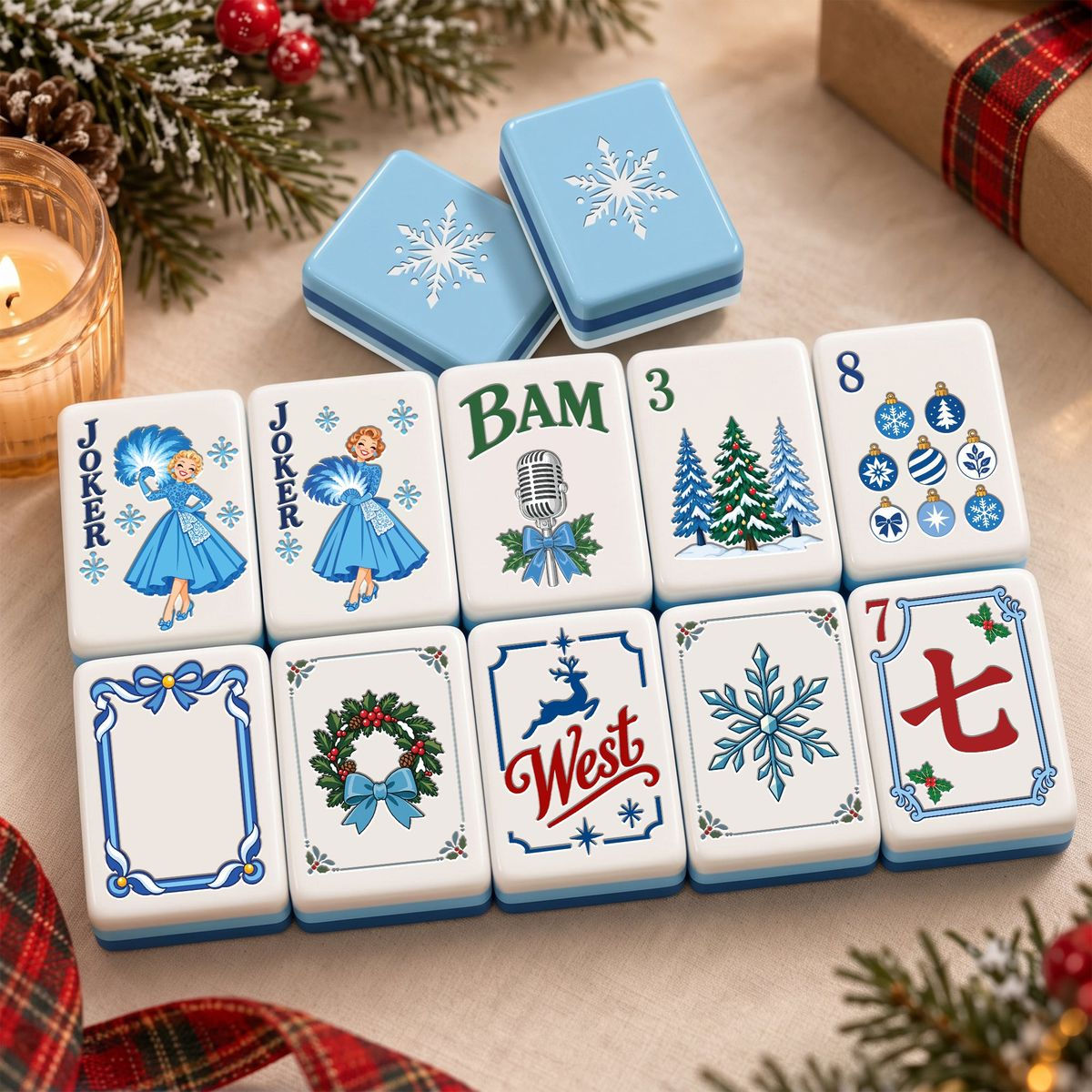
Fujian mahjong developed its own lexicon rooted in the Fujian province dialect and regional rules that predate modern standardization. Core terms include suit names (筒 "tong"/circles, 条 "tiao"/bamboo, 万 "wan"/ten-thousands), wind tiles (风 "feng"), dragons (龙 "long"), and terminal/honor tiles collectively called 幺九牌 "yao jiu pai." Unlike American mahjong, which uses jokers and requires hands from an annual card, Fujian players recognize patterns like 清龙 "qing long" (all-dragon sequences) and 混龙 "hun long" (mixed dragons). Winning hands, called 胡 "hu," follow region-specific point calculations. Many Fujian terms map to Cantonese and Mandarin variants but carry different gameplay weight—for example, 刻子 "ke zi" (pung/triplet) always means three identical tiles, never sequences. Learning this dialect accelerates play and deepens respect for the game's historical roots.
Fujian mahjong—played across Fujian province, southern China, and among diaspora communities—preserves traditional terminology that predates modern standardized rulesets. Whether you're joining a Fujian player group or exploring regional variants beyond American mahjong, these core terms unlock the game's logic and strategy.
What are the four suits called in Fujian mahjong?
Fujian mahjong uses three numbered suits, each represented by a symbol and spoken name. 筒 "tong" (circles/dots) represents coins; 条 "tiao" (bamboo sticks) shows plant imagery; 万 "wan" (ten-thousands) depicts ideographs. Each suit contains tiles numbered 1–9, with four copies of each tile in a standard deck. Beginners often confuse Fujian suit names with Cantonese variants, where pronunciation differs slightly. The fourth category—honor tiles (honors)—includes winds, dragons, and flowers, which do not belong to a numbered suit.

What do "honor" tiles mean, and why do they matter?
Honor tiles (非数字牌, "fei shu zi pai") comprise winds (风 "feng"), dragons (龙 "long"), and flowers (花 "hua"), and they form the foundation of many high-scoring hands in Fujian play. The four winds—东 "dong" (East), 南 "nan" (South), 西 "xi" (West), 北 "bei" (North)—mirror compass directions and player positions. Three dragons—红 "hong" (Red), 绿 "lü" (Green), 白 "bai" (White)—appear in classic Fujian triplets and honor-heavy patterns. Flowers (梅 "mei"/plum, 兰 "lan"/orchid, 竹 "zhu"/bamboo, 菊 "ju"/chrysanthemum) act as bonus tiles in many regional rules, drawn and replaced outside regular play, similar to how bonus tiles function in some Japanese variants. Mastering honor-tile combinations unlocks understanding of traditional hand types.
What is "hu" and how does it differ from a "win" in American mahjong?
胡 "hu" (pronounced "hoo") means to complete a winning hand—the core objective in any mahjong variant. In Fujian rules, hu requires a hand of four melds (groups of three or four identical tiles, or sequences of three consecutive numbers in the same suit) plus one pair, mirroring classical Chinese mahjong. American mahjong differs fundamentally: it uses a seasonal rack card that dictates exactly which tile arrangements win each year; hands require 14 tiles (four melds plus a pair), jokers wildcard, and no sequences (called chows) may be claimed or exposed—only pungs (triplets), kongs (quadruplets), and longer groups. Fujian play instead allows sequences (called 顺子 "shun zi") as standard melds, making hand formation more flexible but requiring deeper memorization of legal pattern types. The act of declaring hu, called 出牌 "chu pai" (discard) in the winning moment, signals completion and triggers scoring.
What are the most common hand types (patterns) in Fujian mahjong?
Fujian recognizes dozens of named hand types, each with point values determined by rarity and difficulty. A reference table of foundational patterns:
Fujian Hand Term | English Equivalent | Core Requirement | Relative Difficulty |
清龙 (qing long) | All-dragon hand | Four melds of dragons only (Red/Green/White) | Very high |
混龙 (hun long) | Mixed-dragon hand | Three dragon melds + one non-dragon meld | High |
大三元 (da san yuan) | Big three dragons | Triplets of all three dragons | Very high |
小三元 (xiao san yuan) | Little three dragons | Triplets of two dragons + pair of third | High |
全风 (quan feng) | All-wind hand | Four wind triplets | Very high |
清一色 (qing yi se) | All-one-suit hand | All tiles from one suit only (numbered + honors) | High |
对对胡 (dui dui hu) | All-triplets hand | Four triplets + pair (no sequences) | Medium |
Each hand type earns points based on a rarity score—harder hands score more. Point values vary by region and house rules; players typically consult a local scoring guide before play.
How do terminal and honor tiles ("yao jiu pai") affect strategy?
幺九牌 "yao jiu pai" (literally "one-nine tiles") refers to terminals (1 and 9 in each numbered suit) and all honor tiles—collectively the highest and most restricted tiles on the board. In Fujian mahjong, hands featuring only yao jiu pai tiles are called 清老头 "qing lao tou" (all terminals and honors) and rank among the most prestigious wins, worth significant point bonuses. Strategically, yao jiu pai tiles are hardest to complete into sequences because 1 can only pair with 2, and 9 only with 8; therefore, hands built around these tiles demand defensive play and patience. Many regional rules impose limits on how many yao jiu pai tiles a single player may hold without announcing ("ting"), forcing transparency. Understanding which discard patterns expose your intent to collect terminals teaches position awareness—critical in Fujian play where players read each other's tile choices to deduce concealed strategies.
🀄 Shop best-selling mahjong sets →

What's the difference between a pung, kong, and a sequence—and how do they appear in Fujian play?
Fujian mahjong recognizes three fundamental meld types. 刻子 "ke zi" (pung) = three identical tiles (e.g., three 5-Bam); 杠子 "gang zi" (kong) = four identical tiles; 顺子 "shun zi" (sequence) = three consecutive numbered tiles in the same suit (e.g., 3-4-5 Bam). American mahjong forbids sequences outright—no chows (sequences) may ever be claimed or exposed during play; you may only expose pungs, kongs, and longer groups (quints, sextets). Fujian players, by contrast, freely form and declare sequences as standard melds, dramatically changing hand calculation and discard strategy. When a player declares a meld, they expose it face-up on their rack—or, in casual play, may conceal it. Recognizing which tiles form legal sequences in your suit accelerates decision-making and helps read opponents' incomplete patterns.
What scoring multipliers and bonuses exist in Fujian mahjong?
Fujian scoring is region-specific and often complex, but common multipliers include base points (determined by hand type), draw type bonus (whether you drew a winning tile yourself or claimed a discard, called 自摸 "zi mo" vs. 荣和 "rong he"), and position bonus (East player pays/earns at different rates than others). Some regional rules apply double or triple multipliers for hands containing specific patterns (all-dragon, all-wind, all-one-suit). A hand valued at 2 points might become 4, 8, or 16 points depending on combinations. Before joining a Fujian game, always clarify the local scoring reference—house rules vary widely, and point values are set by community agreement, not a universal card like American mahjong's National Mah Jongg League card. Asking "What's your scoring system?" early prevents disputes and accelerates your integration into an established group.
🎁 See our most-loved mahjong sets & accessories →
How does Fujian mahjong differ from American and Cantonese variants?
Three major differences define Fujian play. Sequences allowed: Fujian permits 顺子 "shun zi" (sequences) as standard melds; American mahjong has no sequences—you may only form and expose pungs, kongs, and longer groups. Hand card vs. memory: American mahjong players consult a printed National Mah Jongg League card (issued yearly) to verify which tile arrangements win that season; Fujian players rely on memorized hand types and local scoring rules, making it a knowledge-intensive variant. Tile count: American mahjong uses exactly 152 tiles plus 8 jokers; Fujian play traditionally uses a 108-tile deck (three suits numbered 1–9, each with four copies, plus 16 winds, 12 dragons, and sometimes flowers). Cantonese mahjong sits between the two—it allows sequences and uses a 136-tile deck, but scoring is more standardized than Fujian's regional flexibility. Understanding these contrasts helps players switch smoothly between variants and appreciate how regional histories shaped rule evolution.
What to check before you buy a set for Fujian play
If you're assembling your first Fujian mahjong set, verify tile count (seek 108-tile or 136-tile decks marketed for Chinese play, not American sets, which contain jokers and use 152 tiles). Check that suit markings are clear—Fujian sets often use traditional Chinese characters or period artwork; ensure symbols match your group's preference. Ask whether your players use flower tiles (some regions do, others don't); sets vary in inclusion. Consider a mat designed for easy tile arrangement, which helps organize four suits and honors during play. Our best-selling collection includes tiles suitable for learning, though some players prefer sourcing authentic Fujian sets from specialty importers to match regional artwork and materials. Bring a glossary or smartphone note with key terms to your first session—players appreciate the effort and will help you refine pronunciation.
✨ Find your Mahstead set — free US shipping →

FAQ
Is Fujian mahjong playable with an American mahjong set?
Not ideally. American sets contain 152 tiles plus jokers, no sequences-as-melds rule, and require a seasonal card. Fujian uses 108 tiles, allows sequences freely, and scores from memory. Use a Fujian or Chinese set for authentic play. American sets work only if all players agree to reinterpret rules—not recommended for learning.
What does 自摸 "zi mo" mean, and why is it worth more points?
自摸 means you drew your winning tile from the deck yourself (self-drawn), versus 荣和 where you won off another player's discard. Self-drawn wins typically earn double points because they demand less reliance on discard luck and more pure pattern mastery. It rewards defensive skill.
Can I play Fujian mahjong with three people instead of four?
Traditional Fujian play uses four players (one per wind position). Three-player variants exist but require rules modifications and are less common. For variants that accommodate two or three players, consult your regional group's house rules before attempting it.
What does 听牌 "ting pai" mean, and when do I announce it?
听牌 means you have discarded all unneeded tiles and are "listening" (waiting) for a specific tile to win. In many Fujian rules, you announce ting to prevent opponents from misconceiving your strategy. Timing and when to ting depends on local customs—ask before your first game.
How do I learn Fujian hand types if I'm new to the game?
Start by memorizing the big three: 清龙 (all dragons), 混龙 (mixed dragons), and 清一色 (all one suit). Join a community group—libraries, community centers, or cultural organizations often host Fujian players who teach. Keep a pocket glossary and ask teammates to call out hand names during play so you internalize patterns over sessions.
Are there online resources or apps for Fujian mahjong scoring?
Yes; several Chinese-language mahjong apps include Fujian rule variants with automated scoring. Search "福建麻将" or "Fujian mahjong" in app stores. However, live play with experienced players teaches faster and embeds social context that apps cannot replicate.


View More
View More
View More
