
Mahjong Revival Among Young People: Why Gen Z Is Playing
Last updated: Nov 23, 2026
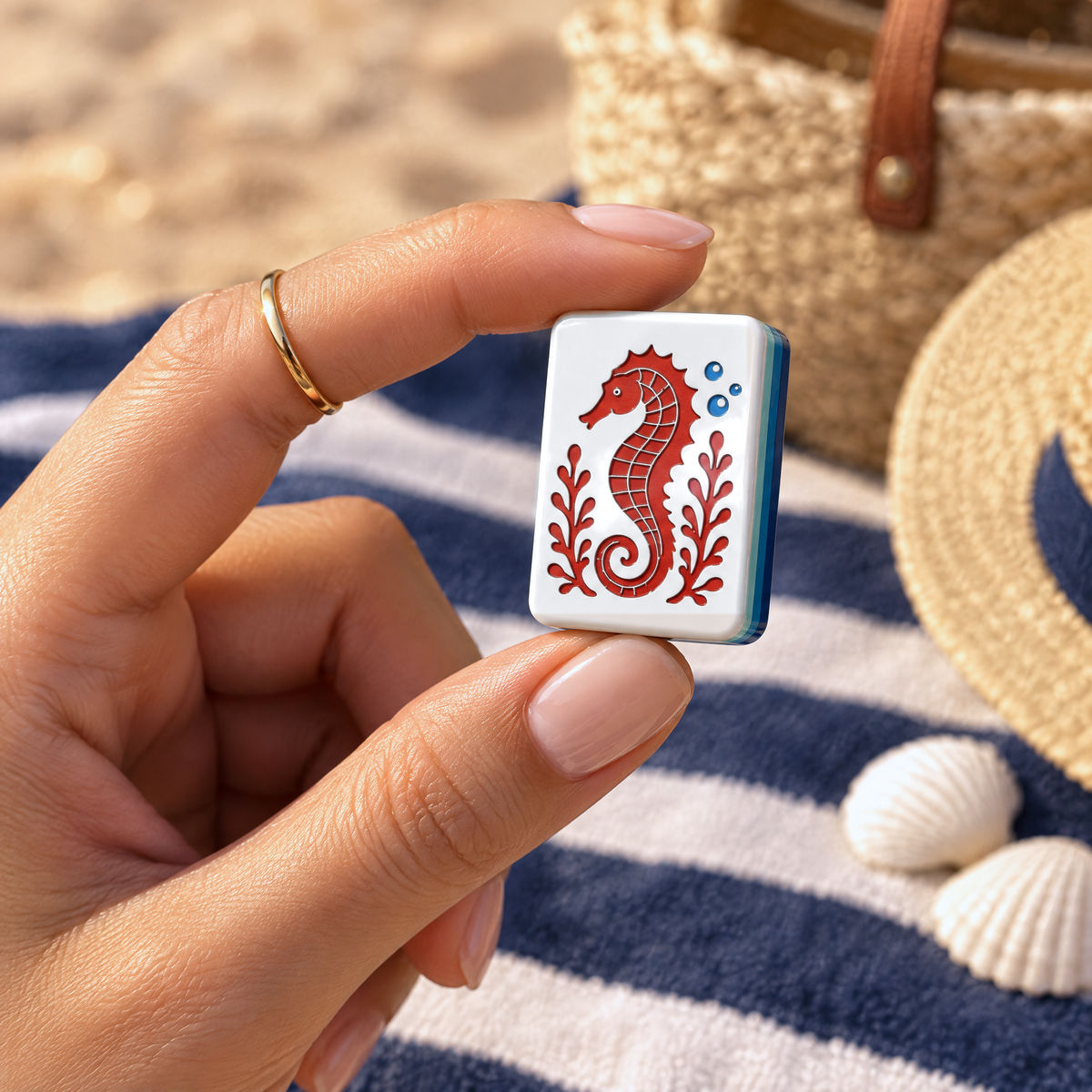
Mahjong revival among young people is driven by three forces: nostalgia for pre-digital ritual, the appeal of strategy-based gameplay that requires presence and memory rather than pixels, and social media amplification through TikTok and Instagram. Gen Z players learn American mahjong through online guides, YouTube channels, and Discord communities—most begin with a National Mah Jongg League card and a standard 160-tile set including jokers and racks, which costs roughly what a dinner out does per set. Unlike online games, mahjong demands four humans in a room for 45–90 minutes, creating the kind of friction-free hangout young people crave. Mahstead has seen this cohort buy best-selling mahjong sets with custom engravings (inside jokes, name dates, band names) and pair them with travel bags for dorm-to-apartment portability. The game is old, the players are new, and the market has noticed.
Mahjong has become Gen Z's favorite way to unwind offline. What started as nostalgia for parents' and grandparents' traditions has evolved into a thriving subculture of young players learning American mahjong, hosting regular games, and collecting engraved sets as meaningful décor.
Why has mahjong captured young people's attention right now?
Mahjong appeals to Gen Z because it combines several things they're actively seeking: zero screens, real-time social interaction, a learning curve that rewards skill, and a ritual with built-in nostalgia. The game feels "retro" without being pretentious—it's family history made playable. TikTok creators documenting mahjong nights (shuffling tiles, the satisfying clack of a win, laughter around a table) have normalized the game as Gen Z lifestyle content rather than an elderly pastime. Young players also see it as more egalitarian than poker; luck and strategy matter equally, and no one's risking rent. The aesthetic of an acrylic set with custom engravings fits Gen Z's gift-giving language (meaningful, personalized, shareable), so a mahjong night becomes an event worth documenting.

How do Gen Z players actually learn the rules?
Young players learn mahjong through a mix of YouTube tutorials, Reddit threads, Discord bots that simulate the National Mah Jongg League card, and—crucially—asking a parent or aunt to teach them over a trial game. How to play American mahjong covers the basics (exposure rules, how jokers work, why the Charleston matters), and once a beginner understands that they're building one of roughly 40 hand patterns on the current year's card, the game clicks. Many Gen Z players buy a best-selling mahjong set at the same time they join a WhatsApp group or Discord channel where more experienced players answer questions in real time. The generational bridge—a Gen X or Boomer player mentoring a 20-something—is often how a game group forms.
🀄 Shop best-selling mahjong sets →
What role does social media play in mahjong's comeback?
TikTok, Instagram, and Pinterest have done more to popularize mahjong among young people than any marketing campaign. Creators post 15–60 second clips of:
Tile shuffling (ASMR appeal, satisfying sound design)
Hand reveals and winning moments (suspense and celebration)
Custom set aesthetics (unboxing, color photography, personalization close-ups)
"Mahjong night" planning and outfit coordination (treating it like a cultural event)
The algorithm treats these videos as "hobby content" and serves them to users interested in board games, crafts, and alternative socializing. Young viewers see peers their age playing—not their grandmothers—and the psychological barrier drops. Hashtags like #mahjonggang and #mahjongnight have millions of impressions, and when a creator shows off an engraved mahjong set with a friend group's names or an inside joke, it signals that mahjong is a gift-worthy, personalization-worthy social good.

What are Gen Z buying when they invest in a mahjong set?
A typical young player's purchase journey:
What They Buy | Why | First-Time Cost Range |
Standard 160-tile American set (acrylic, standard colors) | Durability, no upkeep, works for weekly games | Entry-level |
Engraved set (custom names, dates, humor) | Personal significance, makes a statement gift, shareable aesthetic | Mid-tier |
Set + matching mat | Hospitality signal, upgrades the vibe of game nights | Higher |
Set + racks with pushers | Reduces hand fatigue, looks organized and professional | Higher |
Full bundle (set + mat + bag) | Portability for college or apartment-hopping | Higher |
Gen Z players often start with a basic set and add a mat or travel bag after a few months once they're confident the group will stay together. The appeal of mahjong-specific accessories is that they signal commitment and taste—a young player with a coordinated mat, racks, and dice is saying, "This is my hobby, I'm serious about it."
🎁 See our most-loved mahjong sets & accessories →
How does Gen Z's way of playing differ from older generations?
Older players often played in formal clubs or at family gatherings with house rules. Gen Z players:
Host games in apartments, dorms, and shared housing (convenience, no membership fee)
Use the current-year National Mah Jongg League card rigorously (fairness, standardization)
Play with all four players every time (fewer 2- or 3-player variants)
Treat the game as a media moment (photos, stories, recaps)
Learn exclusively from written sources and video (less oral tradition)
Rotate the banker seat by choice or app (egalitarian, no hierarchy)
Play for bragging rights or minimal stakes, never serious money (social, not financial)
The ritual has survived intact; the context has shifted. A Gen Z player respects how the Charleston works, knows that jokers are wildcards but can't form a pair alone, and understands that exposing a pung requires three identical tiles—but they learned it from a blog post, not their grandmother's rules sheet.
✨ Find your Mahstead set — free US shipping →
What to check before you buy your first mahjong set
Tile material: Acrylic is durable, easy to clean, and portable—ideal for young players moving between locations. Marble or wood feels premium but requires more care.
Set completeness: Verify the set includes 152 playing tiles plus jokers and any accessories (dice, wind indicator, racks). A 160-tile set from Mahstead includes spare tiles; confirm what's included before purchase.
Engraving quality: If personalizing, check that text is legible, colors are crisp, and engravings are deep enough to last years of handling. Test-drive a photo from the seller before ordering.
Portability: If you're moving the set between apartments or game locations, a travel bag or case prevents tile loss and protects against accidental drops.
Matching accessories: Buying a set and mat together in coordinated designs looks intentional and photographs well. A mat also protects your table and cushions tile sounds for quieter games.
Shipping: Confirm free shipping is included and that the seller ships within the US reliably. Tiles can shift in transit; reputable sellers pack carefully.

FAQ
Is American mahjong the same as Chinese or Hong Kong mahjong?
No. American mahjong uses 152 tiles, jokers, and hand patterns from the annual National Mah Jongg League card. Chinese mahjong uses 144 tiles, no jokers, and sequences (chows) you can call during play. The rules, scoring, and strategy are fundamentally different. Gen Z players most often learn American mahjong because it's easier to start and plays faster.
Do I need to buy an expensive set to learn?
No. A basic acrylic set (whether best-selling or budget) works perfectly for learning. Upgrade to custom engravings, a mat, or racks once you've played 10+ times and know you'll stick with it.
Can I play mahjong online instead of in person?
Yes, but Gen Z is choosing in-person games specifically because they want the tactile, social, offline experience. Online versions skip the shuffle, the tile handling, and the face-to-face conversation. The appeal of mahjong for young players is that it's the opposite of a screen.
What's the best way to teach a friend who's never played?
Start with a demo hand before the game begins. Teach the Charleston, show them how to read the card, and let them play one hand observing before joining. Keep the first game light (no money, no pressure). Reference how to play American mahjong or a video if they get stuck.
Why do people engrave mahjong sets?
Engraving personalizes a set with names, dates, or inside jokes, making it a keepsake and a conversation piece. Gen Z buys engraved sets as gifts for close friends or to commemorate a game group's formation. It's the mahjong equivalent of a sports team jersey.
How long does a typical game take?
Most games last 45–90 minutes, depending on how familiar players are with the card and how much side conversation happens. Gen Z players often time it as a single social event (game night window) rather than an open-ended session.


View More
View More
View More
