
Mahjong Clubs in Greenville: Where to Play & How to Start
Last updated: Nov 23, 2026
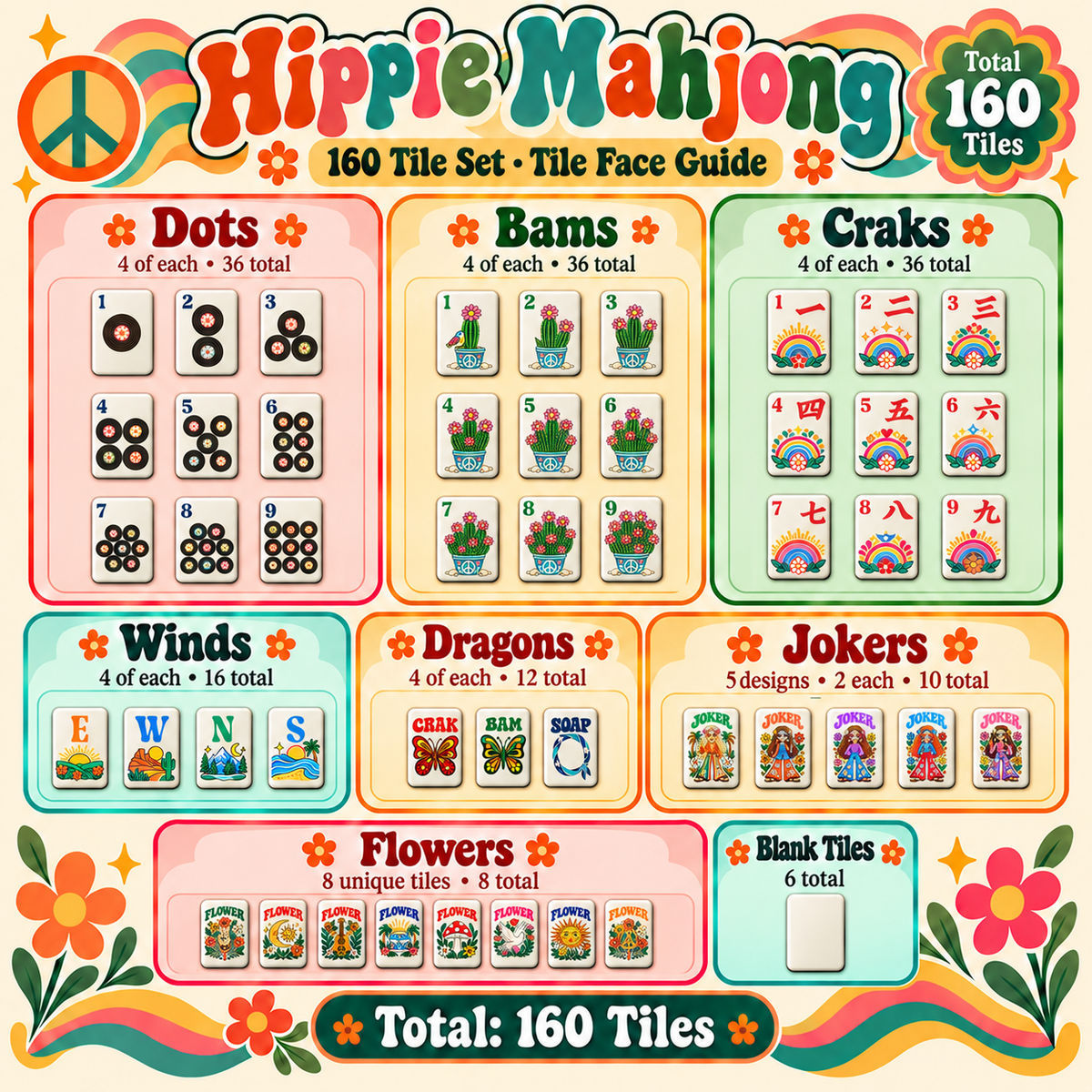
Greenville's mahjong scene lives in community centers, libraries, synagogues, country clubs, and online meetup boards—search "mahjong Greenville" or check local recreation departments for game schedules. Most clubs play American mahjong on Thursday or Friday evenings; drop-in games typically welcome beginners. Call ahead to confirm times, tile-set availability, and whether they teach the Charleston (the pre-game tile pass that takes five minutes). Before your first game, learn the 152-tile layout—108 tiles across three number suits, 16 winds, 12 dragons, 8 flowers, and 8 jokers—and grab a current-year National Mah Jongg League card to read hand patterns. Many players bring their own best-selling mahjong sets so they know the tile feel and quality; hosting your own game starts with a 160-tile acrylic set, a mat, and racks.
Where exactly do Greenville mahjong clubs meet?
Community recreation centers often host mahjong nights; check the Parks & Recreation Department website or call directly. Libraries—especially larger branch locations—sometimes have game nights or bulletin boards advertising local play groups. Synagogues and Jewish community centers frequently run weekly mahjong groups, open to players of all backgrounds. Country clubs, senior centers, and casual meetup apps like Meetup.com sometimes list standing games. Search "mahjong Greenville SC" or "mahjong groups near me" to find current venues; Facebook groups for Greenville hobbies and game nights are another live source.

What happens at your first club night?
Expect to arrive 10–15 minutes early, meet three other players, and sit at a table for a 2–3 hour session. The group will explain their preferred hand-difficulty level (some clubs play only the current NMJL card; others mix years). Before tiles are dealt, everyone does the Charleston—passing tiles left, center, and right in a set rhythm to shuffle and randomize the hand. A scorekeeper tracks wins (usually played "for fun" in Greenville clubs, not money). Beginners are welcomed; experienced players typically sit together and manage speed. Bring a notebook if you want to jot down winning hand patterns or scoring rules; most clubs have spare tile sets on hand.
How do I prepare before joining a game?
Learn the tile anatomy first: three suits (Bams, Craks, Dots numbered 1–9), four Winds (North, East, West, South), three Dragons (Red, Green, White), Flowers (1–4), and Jokers. Study the current-year National Mah Jongg League card for 15 minutes—it's a laminated card issued every spring that shows which 88 tile patterns win each hand. Understand that American mahjong allows no chows (sequences like 1-2-3); only pungs (three identical tiles), kongs (four), and jokers can be exposed. Watch a 10-minute YouTube tutorial on hand-calling to know when to shout "mah jongg." Many clubs lend a tile set, but owning one removes anxiety: a 160-tile acrylic set with engraved American mahjong titles lets you practice tile recognition at home and brings familiar weight and sound to the table.
🀄 Shop best-selling mahjong sets →
What's the difference between American and Chinese mahjong clubs?
American mahjong (NMJL standard) uses 152 playing tiles, a specific hand card, and no sequences—only sets of three or four identical tiles. Chinese mahjong uses 144 tiles, allows chows, and rotates the starting player each round; hands are called on-the-fly, not from a fixed card. Hong Kong mahjong (a Chinese variant) is faster-paced, with different hand rankings. Taiwanese mahjong often plays for stakes. If you're new, ask the club which variant they play; Greenville clubs are usually American (NMJL), but confirm. The National Mah Jongg League card is printed fresh every spring, so bring or ask for the current year's card or you'll misread winning patterns. American clubs are the most forgiving for beginners because the card removes guesswork.

How do you decide which club suits your pace?
Club Type | Play Level | Speed | Best For |
Library or community center drop-in | Mixed (beginner to intermediate) | Moderate; takes 2–3 hours per session | Newcomers, flexible schedules |
Synagogue or JCC group | Usually intermediate-plus | Brisk; experienced players know patterns | Regulars wanting community |
Senior center | Beginner to intermediate | Slow; lots of teaching | Retired players, social focus |
Online meetup group | Varies; read reviews first | Self-paced before joining | Players testing new groups |
Visit one club for two sessions before committing. Notice whether players chat during play or stay silent, how long hands take (typically 8–12 minutes per hand), and whether jokers are used sparingly or generously. If the pace feels rushed, try a beginner-friendly library game. If it feels too slow, hunt for a faster synagogue group. The right fit matters more than the location.
🎁 See our most-loved mahjong sets & accessories →
What should you bring or own before your first night?
Bring: your phone (with a calculator app), a notebook, a pen, and the current-year NMJL card (downloadable free online or ask the club). Own or borrow: a tile set so you can practice at home; acrylic tiles are standard in American clubs because they're loud (good for hearing when tiles are drawn) and durable. A mahjong mat isn't required for club play—most clubs have built-in table grooves or mats—but owning one at home helps you learn tile positions faster. Racks with pushers are optional but beloved: they hold your hand upright and let you move tiles without fumbling, building confidence before game night. Tablets or small scorebooks keep track across multiple rounds; most clubs supply these, but owning your own ensures comfort. Start simple: a 160-tile acrylic set and the hand card are all you strictly need.
What to check before you buy your own set
Tile clarity: Can you read numbers and suits at arm's length? Avoid sets with tiny, hard-to-see glyphs. Weight and sound: Acrylic tiles should feel substantial (not hollow or light) and make a satisfying click when shuffled. Joker count: A 160-tile set includes 152 playing tiles plus spares; confirm the set has 8 jokers minimum so you're never short during play. Case quality: If you plan to transport the set to club nights, a padded mahjong bag or case protects tiles from chipping and keeps everything organized. Spare tiles: Acrylic can chip; owning extra blank tiles lets you replace a damaged one without rebuilding the whole set.
Visit mahjong for beginners to learn the full rule foundation before your first club visit; it covers hand-reading, tile-passing, and common beginner mistakes that slow down table play.
✨ Find your Mahstead set — free US shipping →

FAQ
Do I need to own a mahjong set before joining a Greenville club?
No. Most clubs have spare sets and lend them free to beginners. Owning one helps you practice tile recognition at home and build confidence before your first game night, but it's not required.
What's the best first club to visit if I'm nervous about being a beginner?
Library or community center drop-in groups are usually slower-paced and more forgiving than private synagogue circles. Call ahead, ask if beginners are welcome, and attend a session to observe before sitting down to play.
How much does it cost to play at a Greenville mahjong club?
Most Greenville clubs play for fun with no money involved. Some charge a small fee (typically a few dollars per session) to cover space rental or snacks; confirm when you call or check the meetup posting.
Do I need to know how to read the NMJL hand card before my first night?
Spend 15 minutes learning the card layout at home, but don't memorize it. Experienced players at the club will help you spot winning patterns your first few rounds; the card becomes natural with practice.
What's the biggest mistake new players make at mahjong clubs?
Exposing tiles too slowly or fumbling with racks, which holds up the table. Invest 20 minutes learning the Charleston rhythm and practice shuffling tiles before your first game; most clubs appreciate the effort and patience will follow.
Can I join a mahjong club if I've only played online or with friends, not at an official club?
Yes. Online and casual home games teach the basic rules, but club play introduces official hand cards, faster pace, and tournament etiquette. Expect a learning curve of 3–5 sessions before you feel comfortable; clubs expect this and welcome you.


View More
View More
View More
