
Mahjong Retreats in Texas: Where to Play & What to Bring
Last updated: Nov 23, 2026
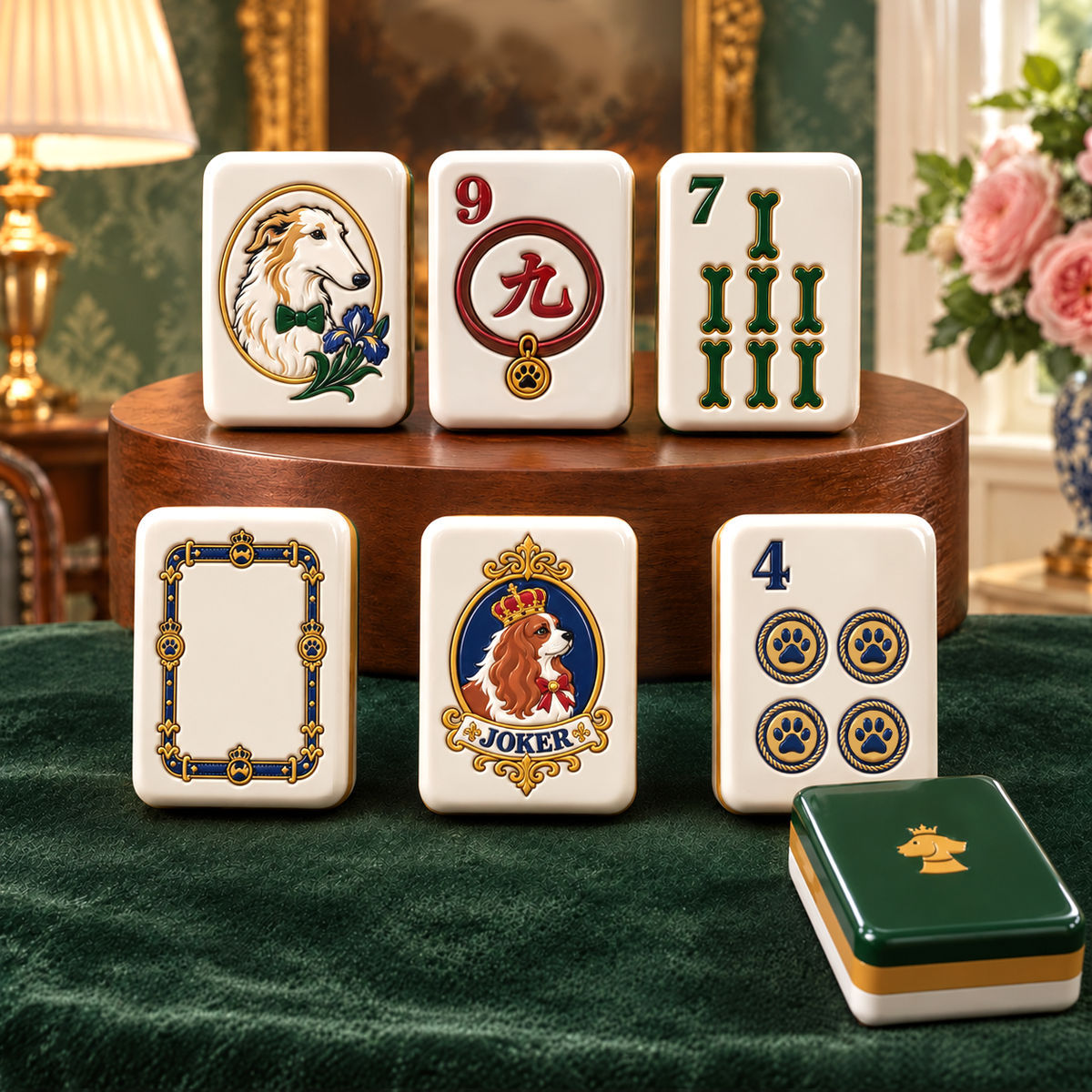
Mahjong retreats in Texas are typically multi-day, tile-focused getaways hosted in private homes, vacation rentals, or resorts where players gather for continuous games, meals, and camaraderie. Most run Friday evening through Sunday afternoon; some span a full week. They're organized through existing player networks (community centers, libraries, synagogues, country clubs, or online meetup boards), not centralized booking sites. Retreats include 4–6 players in rotation, shared meals, and a relaxed pace. Costs vary widely based on venue and meals; assume you'll cover your share of lodging and food. To host successfully, you need four best-selling mahjong sets (one per table if you have multiple tables), comfortable mahjong racks with pushers, and quality mats to protect surfaces and improve play. The most common mistake is bringing insufficient lighting, worn tiles, or racks too shallow for a relaxed grip during long sessions.
What exactly happens at a Texas mahjong retreat?
A retreat isn't a tournament with brackets or scores; it's a social event where players rotate tables, often playing the same hand at each table for comparison. Sessions run 4–6 hours with meal breaks. Most retreats follow American mahjong rules, players bring the current year's National Mah Jongg League card, and the atmosphere is about connection and learning, not competition. Evening sessions often include lighter snacks; breakfast and lunch are shared or potluck-style. Experienced players mentor newer ones. Nights typically end by 10 p.m., and days start over coffee around 9 a.m.

How do I find a mahjong retreat happening in Texas right now?
Ask your local player circle first—existing friends or acquaintances often organize retreats and share details by email or group chat. Check bulletin boards at community centers, libraries, and religious organizations (synagogues and some churches host or advertise events). Search online meetup boards and Facebook groups for "mahjong" + your city or region; many Texas cities have active groups that post retreat schedules months in advance. Some resorts in Hill Country and coastal areas promote mahjong-themed weekends in spring and fall; contact their group events coordinator directly. Ask at local tile shops or mah-jongg associations if they maintain a retreat calendar. Word-of-mouth remains the fastest path—tell players you know you're interested, and you'll likely be invited within weeks.
Should I host a retreat, and what gear do I absolutely need?
Hosting is rewarding if you have space, can commit 2–3 weeks to planning, and enjoy coordination. You'll need a large dining or living area with 1–2 tables (each seating 4), good ventilation, and sleeping arrangements for guests (yours or nearby rentals). Essential gear: four complete American mahjong sets, one per table; four racks with pushers for comfort and tile control; four mats to protect tables and reduce tile noise (especially important in shared spaces). Deck mats or protective pads under tables if your flooring is delicate. Adequate lighting—overhead and task lamps—prevents eye strain during 4–6-hour sessions. Ensure every set has working jokers and is complete (152 tiles). Keep spare sets on hand in case tiles crack; we've seen a chipped tile derail a session's rhythm when no backup exists. Plan 5–6 meals (breakfast, lunch, dinner for 2–3 days), and confirm dietary restrictions a week ahead.
🀄 Shop best-selling mahjong sets →
What's the ideal mahjong retreat setup by group size?
Group Size | Table Count | Recommended Setup | Why It Works |
4 players | 1 table | One set, racks, shared mat, 1 light source | Intimate, minimal gear, ideal for first-timers |
8 players | 2 tables | Two sets, two racks, two mats, overhead + task lighting | Rotation keeps energy high; players rest between rounds |
12 players | 3 tables | Three sets, three racks, three mats, bright overhead lights | Full rotation every 2 hours; variety prevents fatigue |
16+ players | 4 tables | Four sets, four racks, four mats, staged lighting | Large events; needs two hosts or a co-organizer |
For 8+ players, rotate players every 1–2 hours so everyone plays fresh hands and meets different opponents. Stagger meals to keep one table running while others eat.

What common mistakes ruin a retreat—and how do I avoid them?
Worn or incomplete tiles: Players notice a missing tile or a cracked joker immediately. Test each set 48 hours before guests arrive; replace any damaged tiles. Keep a spare set unopened in your guest room.
Poor lighting: Overhead ceiling lights alone create shadows on tile racks; tiles become hard to read after 3 hours. Add task lamps angled at each table's center. Avoid glare on tiles.
Uncomfortable racks: Standard plastic racks can dig into hands during long sessions. Invest in racks with pushers that support the full rack angle and include smooth-gliding pushers—hands stay relaxed and mistakes drop.
No mat or thin mats: Unpadded tables are loud; tiles rattle and distract players. Quality mats dampen noise, protect surfaces, and define the play space visually.
Inadequate space between tables: If tables are too close, players at adjacent tables interfere with each other's sight lines and racks bump. Space tables at least 4 feet apart.
Forgetting the current year's card: Hands expire; last year's card is invalid. Email guests 10 days ahead reminding them to bring the current League card or printouts.
Running out of snacks or water: Dehydration and hunger kill focus. Set out water, tea, coffee, and light snacks (fruit, nuts, crackers) all day; replenish after each session.
How should I prepare as a guest attending a Texas retreat?
Bring a recent mahjong score sheet or a pen and small notebook to track hands and discuss strategies afterward. Pack the current League card in a protective sleeve or plastic cover—creased or water-damaged cards are hard to read. Wear comfortable clothes and shoes; you'll sit for 4–6 hours. If you take medication or have mobility needs, alert the host ahead of time so they can accommodate seating or breaks. Arrive 15 minutes early to allow racks and mats to be arranged without rush. Offer to help set up tiles before play begins; it builds goodwill and shows respect for shared space. Ask players at your table questions—retreats thrive on mentoring and openness. Avoid checking your phone during play; presence matters more than scoring. If you're new to American mahjong, read the rules in advance so you're not learning during the event.
🎁 See our most-loved mahjong sets & accessories →
What to check before you buy retreat gear
Before ordering sets, racks, and mats:
Tile quality: Ensure sets are acrylic, not plastic; acrylic tiles age better over repeated retreats and feel premium to experienced players.
Rack durability: Check that racks have reinforced joints and smooth-gliding pushers rated for hundreds of uses.
Mat thickness: Mats should be at least 0.25 inches thick to dampen sound and protect tables; confirm dimensions fit your tables (most retreat tables are 30–36 inches wide).
Spare jokers and blanks: Extra jokers extend set life when one cracks. We include spares in 160-tile sets; verify your order includes them.
Storage: Can racks and mats roll or fold for transport if you host multiple retreats? Compact designs save space between events.
FAQ
Can I host a 4-player retreat, or do I need 8+ players?
Four players is valid; it's a small, intimate retreat, often called a "weekend at home." Many players prefer 4-person retreats for deeper friendships and fewer logistics. Start small if you're new to hosting.
What's the typical cost to attend or host a Texas retreat?
Costs vary widely by venue, meals, and lodging. Budget-friendly retreats (home-based, potluck) cost little beyond food; resort retreats may include lodging and prepared meals. Ask organizers directly for cost breakdowns; there's no standard price.
Do I need to know advanced American mahjong rules to join a retreat?
No. Most retreats welcome intermediate and beginner players. Tell the host your skill level in advance; they'll pair you with experienced players who mentor during play. Spend an hour reviewing the basics beforehand to build confidence.
How do I keep 16+ players entertained without overcrowding?
Host in a space with 4 separate tables, rotate players every 1.5–2 hours, and stagger meals so one table rests while others play. Assign a co-host to manage rotations and timings. Downtime between sessions can include socializing, meals, or walking outside.
What if someone brings their own worn-out set to the retreat?
Politely offer one of your sets in advance ("We have four sets; please use one of ours"). Don't shame worn-out gear, but take the lead by providing well-maintained tiles. Most guests will appreciate the gesture and play quality improves for everyone.
Are retreats always American mahjong, or do some play Chinese or Hong Kong rules?
Most Texas retreats follow American mahjong with the annual League card. If you want a different variant, clarify when inviting guests; having the retreat ruleset understood beforehand prevents confusion and keeps play cohesive. ✨ Find your Mahstead set — free US shipping →


View More
View More
View More
