
Mahjong Set Appraisal: How to Value Your Tiles & Equipment
Last updated: Nov 23, 2026
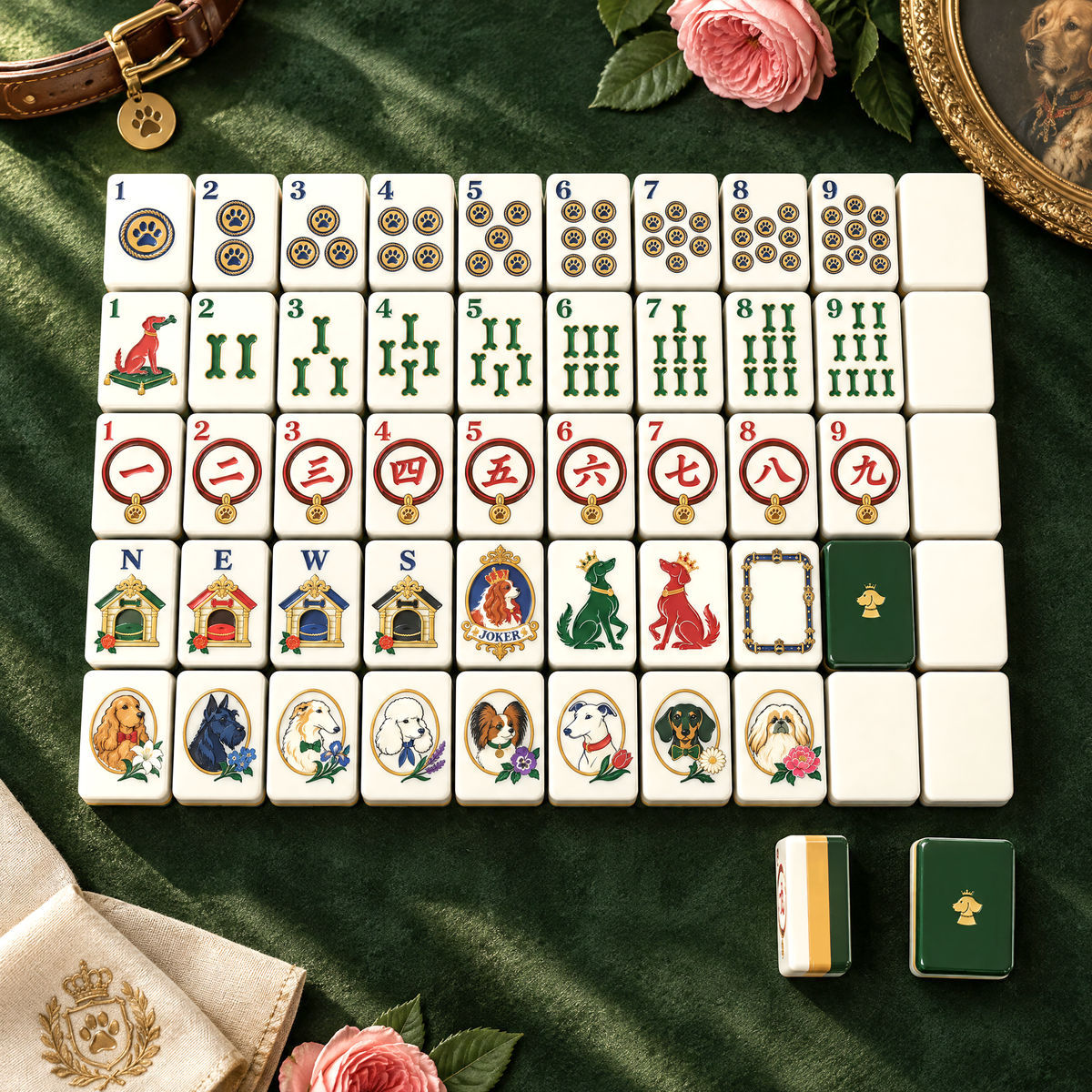
Mahjong set appraisal evaluates three core elements: tile inventory (152 playing tiles plus spares), material and construction quality, and condition grade (wear, stains, cracks, missing pieces). American sets are appraised differently than Chinese, Hong Kong or vintage variants—American sets use exactly 152 tiles with 8 jokers and no sequences, while Chinese and regional sets follow different tile counts and rules. An appraisal starts with a physical inventory: count Bams, Craks, Dots (1–9 in each, four of each number), winds, dragons and flowers, then compare against the set's documented tile count. Next, examine material (bone, bamboo, plastic, acrylic, wood), check for chips, stains, fading and completeness of racks, mats or cases. A complete mid-range American acrylic set in excellent condition typically holds more value than a partial vintage set, though rarity and craftsmanship shift the calculation. We recommend photographing all sides and keeping documentation of origin, purchase date and any repairs.
What counts as a complete American mahjong set?
A complete American set contains exactly 152 playing tiles: 108 numbered tiles (1–9 Bams, Craks and Dots, four of each), 16 winds (four each: North, East, West, South), 12 dragons (four each: Red, Green, White), 8 flowers and 8 jokers. Many retail sets are sold as 160-tile versions—those extra tiles are spares (jokers or blanks) never added to play. During appraisal, verify all 152 core tiles exist, then count spares. Missing or cracked tiles reduce value by 15–30% depending on rarity and whether replacements can be sourced. Check that each number, wind and dragon appears exactly four times; a set missing one 5 Crak or one East wind is incomplete. Verify jokers work (no cracks, clear faces). If the set includes a mat, racks, pushers, dice or case, photograph these separately and note their condition.

How do material and construction quality affect appraisal?
Material grade is the second major factor. Acrylic sets are durable, inexpensive to produce and modern; they hold value well if uncracked. Bone and bamboo tiles are heavier, feel premium and age gracefully but cost more and can warp or chip. Plastic tiles are common, lightweight and affordable; they yellow over time and lose resale appeal. Wood racks, cases and mats add authenticity and durability; check for splits, water damage or missing pushers. Hand-painted or engraved tiles command higher value than printed designs because artistry is labor-intensive and irreplaceable. Examine the carving depth on numbered faces—deep, even lines indicate quality craftsmanship; shallow or uneven marks suggest mass production. Test the heft: heavier tiles usually mean denser material and longer lifespan. If the set includes engraved American mahjong sets with custom names, dates or designs, document the engraver's work and any signatures. Custom and artisan-made sets often appreciate if the maker is known or the design is limited-edition.
How do you grade condition and spot damage?
Condition grading runs from mint (no wear, original packaging) to poor (heavy use, cracks, stains). Start by examining each tile surface under natural light. Mint condition means no scratches, dings or discoloration. Excellent means light surface wear, no cracks or stains. Good means scattered light scratches, minor discoloration, no structural damage. Fair means visible wear, possible light stains, minor edge chipping. Poor means heavy scratching, stains, chips or cracks affecting playability. Document damage by photographing close-ups of problem areas from multiple angles. Check tile edges for chips—these are common and lower value by 5–10% each if minor, 20% or more if widespread. Look for water stains (rings, discoloration), ink fading, or glue residue from old labels. Inspect racks for cracks, missing pushers or bent rails; a mahjong mat with torn fabric or stains devalues the set by 10–20%. Test cases for broken hinges, locks or latches. A single missing pusher from a pair of racks with pushers costs about 5–15% in overall set value, depending on the set's tier.

What's the difference between American, Chinese and Hong Kong set values?
American mahjong sets use 152 tiles (no sequences playable; jokers cannot be used for single tiles or pairs). Chinese and Hong Kong variants use 144 tiles (playable sequences called chows, no jokers, different wind and dragon rules). Taiwanese sets add extra tiles and follow regional rules. When appraising, first identify which variant you have by tile count and rule card. American sets command steady resale value because they serve a large, consistent player base—look for complete 152-tile inventories with original documentation or rule cards from the year the set was created. Chinese and Hong Kong sets appreciate based on craftsmanship (bone, bamboo) and age; vintage Chinese sets from 1960s–1990s in excellent condition can be collectible. Taiwanese sets are less common in Western markets and harder to resell. Check online marketplaces, auction records and collector forums for recent sales of comparable sets (same variant, material, condition, age). Document the year of purchase or manufacture if known; older sets are often valued higher unless condition is poor.
Set Type | Tile Count | Sequences Playable | Jokers | Typical Buyer | Resale Appeal |
American | 152 + spares | No | 8 (cannot be singles/pairs) | Weekly players, league members | High; steady demand |
Chinese | 144 | Yes (chows) | None | Collectors, traditional players | Medium–high; age matters |
Hong Kong | 144–152 | Yes (chows) | Varies | Collectors, regional players | Medium; material quality drives price |
Taiwanese | 152–160+ | Yes (chows, variations) | Varies | Specialists, collectors | Low; niche market |
Vintage (any) | Varies | Rule-dependent | Varies | Collectors, museums | High if complete, low if damaged |
How do you research fair market value?
Fair market value depends on comparable sales—look for sets sold in the last 12 months with similar material, condition, age and completeness. Check online auction sites, classified listings and mahjong collector groups for asking prices and closed sales. Ask local clubs or teachers if they know of recent private sales. Museum or antique dealer appraisals (typically 50–150 for evaluation) provide expert assessment if you're selling or insuring a high-value set. Document your research with screenshots or links showing the date, seller, condition description and final price. If you're selling, price 5–15% below recent comparables to ensure a quick sale; if buying, use comparables to avoid overpaying. Be honest about condition when describing to buyers; cracked tiles or missing pieces must be disclosed. For best-selling mahjong sets in current production, check retailer pricing to establish a baseline—a new mid-range acrylic American set in excellent condition is worth roughly 60–80% of retail if resold. Vintage or custom sets require individual research because each is unique.
🀄 Shop best-selling mahjong sets →
What to check before you buy or sell an appraised set
Tile inventory checklist:
Count all 152 core tiles (108 numbered, 16 winds, 12 dragons, 8 flowers, 8 jokers).
Verify each number (1–9) in Bams, Craks, Dots appears exactly four times.
Check all four cardinal winds and dragons (Red, Green, White) exist.
Confirm no cracks, chips or missing faces on any tile.
Material & construction:
Identify material (acrylic, bone, bamboo, plastic, wood).
Inspect racks, pushers, case, mat and dice for damage.
Test tile weight and surface finish (smooth, even carving vs. rough spots).
Look for maker's mark, date or signature indicating artisan work.
Condition documentation:
Photograph all four sides of each tile under even light.
Close-up images of any chips, stains or wear.
Record the condition grade (mint, excellent, good, fair, poor).
Note missing or damaged accessories (racks, mat, case, pushers).
Provenance & context:
Record purchase date, price paid and original source.
Collect rule cards, original packaging or documentation.
Note year of manufacture if stamped or known.
Save any certificates of authenticity or artisan information.
Market research:
Search completed sales on auction sites for the same variant and material.
Ask local clubs or online collector groups for recent price data.
Compare retail prices of new sets in the same category.
Allow 2–4 weeks for research before setting a selling price.
🎁 See our most-loved mahjong sets & accessories →
If you're building a new collection or replacing damaged pieces, the mahjong titles collection offers custom-engraved American sets designed to last—acrylic tiles resist cracks and fading, and engraving lets you document ownership or personalize for resale value as a heirloom set. Whether you're appraising inherited equipment or evaluating a purchase, honest condition grading and thorough documentation protect your investment and ensure fair trading.
✨ Find your Mahstead set — free US shipping →

FAQ
How many tiles should a complete American mahjong set have?
Exactly 152 playing tiles: 108 numbered tiles (1–9 in three suits, four of each), 16 winds, 12 dragons, 8 flowers and 8 jokers. Sets sold as 160 tiles include extra spares (jokers or blanks) that are never added to play. Count only the 152 core tiles to determine completeness.
What's the difference between a complete set and one with spares?
The 152 core tiles are always used in play; anything beyond 152 is a spare replacement. When appraising, verify all 152 exist first, then count and photograph spares. A set missing core tiles is incomplete; extra spares don't add value but do help buyers replace damaged pieces.
Does a vintage mahjong set automatically have more value?
Not necessarily. A complete, well-maintained 1970s bone set may be worth more than a cracked acrylic set from 2010, but only because of condition and material. A damaged vintage set can be worth less than a new, high-quality one. Age alone doesn't determine value—rarity, condition and craftsmanship do.
How much does a missing pusher or cracked rack reduce a set's value?
A single missing pusher from a pair of racks typically reduces value by 5–15% depending on the set's original price and condition. A cracked rack costs 10–20% because replacement racks must be sourced separately. Document these issues clearly when listing for sale.
Should I get a professional appraisal before selling a mahjong set?
A professional appraisal (from an antique dealer or museum specialist) costs 50–150 but is worth it if the set is rare, vintage, high-value or if you're insuring it. For standard American acrylic sets or common vintage sets, honest condition grading and online comparable sales research suffice.
How do I price a custom or engraved mahjong set for resale?
Custom engraving adds 10–25% value if the artisan is known or the design is limited-edition; document the engraver's name and work quality. Price it at 70–80% of retail if in excellent condition, comparing to new custom sets at retailers. Emphasize the personalization as a selling point for heirloom or gifting buyers.


View More
View More
View More
