
How to Clean Vintage Bakelite Mahjong Tiles
Last updated: Nov 23, 2026
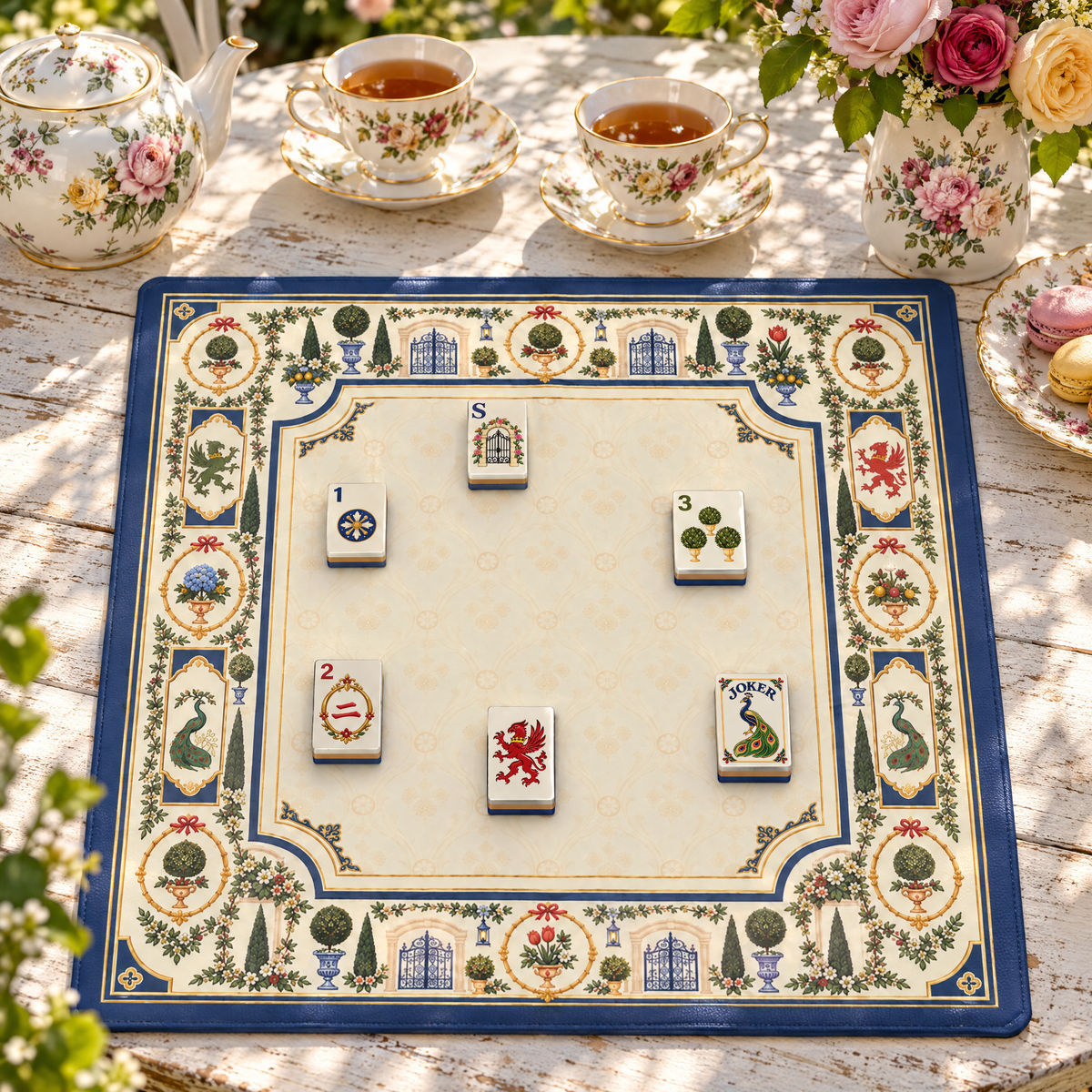
Vintage bakelite mahjong tiles turn amber or brown from age and UV exposure; you cannot reverse this chemically, but surface dust and grime lift safely with a soft, lint-free cloth slightly dampened with distilled water. Never soak, use hot water, vinegar, bleach, acetone, or abrasive scrubbers—bakelite is brittle and dissolves in solvents. For stubborn residue, add one drop of mild dish soap to distilled water, wring the cloth nearly dry, wipe each tile, and dry immediately with a second cloth. Deep cracks, missing paint, or flaking mean the tile has lost structural integrity and should be retired; Mahstead's engraved American mahjong sets offer durable modern alternatives. Store cleaned tiles flat in a cool, dry place away from direct sun to slow further yellowing.
Vintage bakelite tiles—the hard, dark resin used from the 1920s through the 1970s—survive decades but degrade visibly. Dust, cigarette smoke residue, and old adhesive from storage cases cling to the surface; age yellows the resin itself; and thermal swings cause micro-cracking. The challenge: bakelite resists most cleaners because it is a plastic resin, yet responds poorly to the solvents that dissolve modern acrylics. We've hosted games with sets spanning sixty years, and what separates tiles you can still shuffle from ones that snap is knowing exactly what bakelite tolerates.
What's the safest cleaning method for bakelite tiles?
Start dry. Use a soft, lint-free microfiber cloth—the kind sold for eyeglasses or camera lenses—to dust each tile gently. Never drag; lift and wipe. This removes 80% of loose grime without risk. For sticky residue (old case glue, cigarette tar, storage dust), dampen a fresh microfiber cloth with distilled water only—tap water leaves mineral spots on the gloss—wring it hard so it's barely moist, and wipe each tile once, flipping and using a dry corner immediately after to prevent water pooling in the carved characters. This works because distilled water has no minerals or ions that etch bakelite, and minimal contact time prevents absorption. Do not soak, spray, or let water sit on tiles longer than two seconds.

When should you add soap, and when is it risky?
If water alone doesn't lift the residue, add exactly one small drop of unscented dish soap (Dawn or equivalent) to a cup of distilled water, stir gently, and re-dampen your cloth. This breaks down oily films—tar, old varnish, fingerprint buildup—without degrading the resin. Wring the cloth until it stops dripping, wipe the tile once, and dry immediately with a fresh dry cloth. Never let soapy water pool or soak into carved areas where paint sits; the soap can lift old paint bonds, especially on tiles from the 1940s–50s that used shellac-based inks. If paint is already flaking or lifting at the edges, skip the soap and water entirely—mechanical stress will only worsen it. Bakelite is hygroscopic (absorbs moisture slowly), so extended wetness causes swelling and warping; your entire session should take under thirty minutes for a full set.
What damage is permanent and irreversible?
Bakelite yellowing is chemically irreversible—the resin's polymer chains darken with age and UV exposure, and no cleaner restores the original color. Surface cracks that run deeper than 1 mm, chips in the corners, or flaking paint are structural failures; attempting to clean around them risks complete breakage because the tile is already weakened internally. If you see a tile that flexes slightly when bent gently (it should be rigid), discard it—the binder has degraded. Never use acetone, alcohol, or ammonia-based cleaners; bakelite dissolves in these solvents and the damage appears within seconds as surface crazing (white stress lines) and material loss. One host we know used rubbing alcohol on a dozen tiles and ruined half the set; bakelite's brittleness means there is no "trying to fix it" once a solvent touches it. Chips and cracks also trap water and soap, accelerating failure, so focus on cosmetic cleaning only for tiles in marginal condition.
🀄 Shop best-selling mahjong sets →
Why does storage matter as much as cleaning?
A cleaned tile stored in sunlight re-yellows faster than one kept in a cool, dark drawer. UV radiation and heat trigger further polymer degradation; humidity causes bakelite to swell slightly and then shrink, stressing paint bonds. Store your set in a fabric bag or box (not sealed plastic, which traps moisture) in a climate-controlled closet, away from heating vents and windows. Interleave tiles with acid-free paper only if you're storing for years; bakelite doesn't need it for play, but it prevents tile-to-tile marking. Temperature swings—moving a set from a cold basement to a warm playing room—cause condensation; let bakelite acclimate to room temperature for two hours before opening the case. Many collectors assume storage in airtight cases is protective, but it's actually the worst option: trapped moisture condenses on tiles when temperature drops, encouraging mold on the case interior and bakelite softening. Breathable fabric or paper-lined boxes win.

Should you replace or restore old tiles?
Restoration only makes sense for sentimental or collectible sets. If the tiles are playable (no flexing, no deep cracks, paint largely intact), gentle cleaning extends their life by another decade or two. But bakelite fragility means wear accelerates unpredictably; a tile that plays fine today may crack during a shuffle in three months. If you're hosting weekly games and reliability matters, modern engraved American mahjong sets with acrylic or durable composite tiles won't crack, won't yellow, and won't require cleaning protocols—a simple wipe with a damp cloth keeps them fresh. Many players keep a vintage bakelite set as a display piece and play with modern sets; it's a practical compromise. If even one or two tiles in your set have failed, replacement is worth considering because a missing or broken tile stops the game.
Comparison: Clean-and-Keep vs. Replace Decision
Condition | Best Option | Why | Timeline |
Surface dust, minor yellowing, paint intact | Clean with distilled water only | Low risk; extends playability | 1–2 years |
Sticky residue or film, solid structure | Clean with water + one soap drop | Safe if dried immediately; revives appearance | 1–2 years |
Minor corner chips, faint cracks, paint lifting | Display only; retire from play | Risk of catastrophic break mid-game | N/A |
Multiple broken tiles or flexing | Replace with modern set | Bakelite fatigue is progressive; repair is impossible | N/A |
🎁 See our most-loved mahjong sets & accessories →
What to Check Before You Buy a Vintage Set to Restore
Before investing time in cleaning, inspect the set for baseline integrity. Hold each tile and flex it gently side-to-side—rigid is good, any bend means internal failure. Check for cracks radiating from the corners; bakelite fails there first. Look at the paint: if it lifts at the edges or flakes in the carved characters, water will make it worse. Count tiles carefully; vintage sets often lose 1–3 tiles to breakage over decades. Test the case or bag for odors (old smoke, mold, mustiness)—these can transfer to tiles and linger. If the entire set smells acrid, air it outside for a week before cleaning. A set with 145+ playable tiles, solid structure, and no odor is worth a cleaning session; one with significant cracks, soft spots, or fewer than 140 tiles is a display piece only. We've seen players inherit beautiful old sets and discover they're too fragile to play; honest inspection saves disappointment.
✨ Find your Mahstead set — free US shipping →

FAQ
Can I use Pledge, linseed oil, or furniture polish on bakelite tiles?
No. These contain silicones and oils that build up, trap dust, and yellow the surface further. Stick to distilled water with one drop of dish soap, maximum, then dry completely.
How do I remove cigarette tar buildup from a set stored in a smoker's house?
Use the soap-and-water method—one drop dish soap in distilled water, wring cloth nearly dry, wipe once per tile, dry immediately. Tar is oily and will not dissolve with water alone, but soap breaks the oil bond safely if contact is brief.
Are modern acrylic tiles easier to clean than vintage bakelite?
Yes. Acrylics tolerate a wider range of cleaners, dry faster, and don't absorb moisture. A damp cloth and mild soap is safe; bakelite requires much more caution.
What should I do if a tile cracks during play after I've cleaned it?
Stop using that tile immediately and remove it from the set. Do not attempt to glue it; bakelite bonds are brittle. This signals that the remaining tiles are under stress and may fail soon. Consider retiring the set or replacing damaged tiles with a modern set.
Can I store vintage bakelite tiles in a freezer or sealed plastic bag for long-term preservation?
No. Freezing causes micro-cracking as moisture inside the tile expands and contracts. Sealed plastic traps humidity and causes condensation and mold. Store in a breathable cloth bag, in a cool, dark, dry place at stable room temperature.


View More
View More
View More
