
Mahjong Retreats in South Carolina: Where to Play & What to Bring
Last updated: Nov 23, 2026
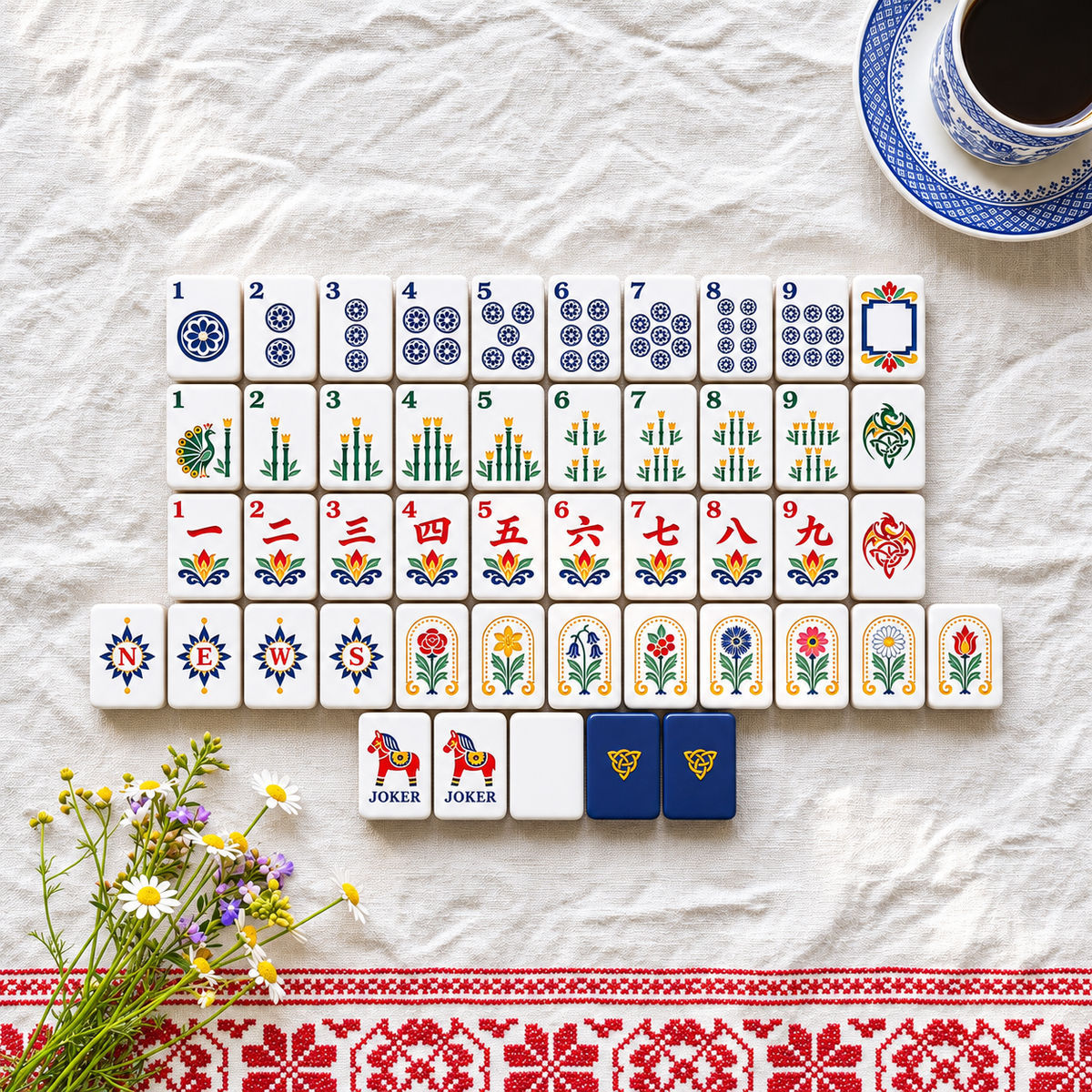
South Carolina has no single "official" mahjong retreat circuit, but the state hosts informal multi-day games through community centers, retirement communities, and private home groups—especially in the Lowcountry and around Charleston, Columbia, and Greenville. Most retreats run Friday through Sunday, with play sessions of 2–4 hours across multiple rounds. Players bring their own tiles (American 152-tile sets with 8 jokers) and often share cost for venue rental, meals, or accommodations. To find existing retreats, check community center bulletin boards, ask at local libraries, contact synagogues and country clubs in your area, and search community boards like Meetup. Most informal groups welcome new players if you know American mahjong basics. If you're hosting your own, you'll need best-selling mahjong sets for each table, quality mats to protect surfaces, and a comfortable gathering space with seating for four. 🀄 Shop best-selling mahjong sets →
How do I find an existing mahjong retreat in South Carolina?
Most South Carolina mahjong communities are built on personal networks rather than advertised events. Start by visiting your local community center, library, or senior center and asking the staff directly if any mahjong groups meet there—staff often know which days and whether newcomers are welcome. Synagogues in larger towns frequently host mahjong clubs; call ahead to ask about drop-in or invite-only sessions. Country clubs and golf communities with retirement populations often run weekday or weekend mahjong groups; if you're a member or have a member friend, inquire at the activities desk. Online, search Meetup for "mahjong South Carolina" or your specific city (Charleston mahjong, Greenville mahjong, etc.) to see if any groups have posted schedules. Finally, ask at local game shops or bookstores if they know of retreats or can connect you with organizers. Persistence and a personal touch beat any online search.

What should I pack for a weekend mahjong retreat?
Pack your own mahjong set—never assume the host will have extras—along with comfortable clothing for climate-controlled indoor play and a notebook to track scores across multiple rounds. Bring any personal items you need: glasses, reading light if you play late, snacks, and water. If you're driving more than an hour, consider a set case or travel bag to protect tiles from spills and dust; loose tiles in a shoebox will not survive a humid South Carolina weekend. Bring cash for shared meal costs or venue contributions unless the organizers specify payment upfront. A small pen or scorepad helps you stay current with house scoring rules, which vary by group. Most retreats don't require formal attire—focus on comfort and practicality.
How do I host my own mahjong retreat?
Hosting a retreat begins with securing a comfortable space: a dining room, community room rental, or cabin with table seating for at least two tables (eight players). Confirm the space is climate-controlled, has good lighting, and allows you to reserve it for the full weekend. Next, invite players you know can commit to multi-day play, and ask them to confirm a week in advance so you can plan meals and supplies. Order or ensure you have enough best-selling mahjong sets for each table—four players per table—and bring spares. Buy mahjong mats to protect tables and reduce tile noise; this also helps traveling sets last longer. Set a start and end time for each day (e.g., 9 a.m. to 5 p.m. with a lunch break) and announce it upfront so players can manage their schedules. Arrange a simple meal plan—potluck, catered lunch, or restaurant delivery works well. Run the first session at a moderate pace so newcomers can settle in, and provide a copy of that year's National Mah Jongg League card to every table.
🎁 See our most-loved mahjong sets & accessories →
What's the difference between American and other mahjong variants at retreats?
South Carolina retreats almost always play American mahjong, the variant using 152 tiles and the current-year National Mah Jongg League hand card. American mahjong is unique because hands come only from the printed card—you cannot invent hands—and there are no chows (sequences like 1-2-3); you may only expose pungs (three identical tiles), kongs (four), quints (five), and sextets (six). This makes American mahjong slower and more strategic than Chinese or Hong Kong variants, which allow sequences and often run faster. If you encounter players trained in Riichi (Japanese) or Taiwanese mahjong, note that those use different tiles, scoring, and hand rules entirely. Before joining or hosting, confirm with organizers that everyone plays American; if players come from different backgrounds, agree upfront on which variant you'll use all weekend. Mixing variants mid-retreat creates confusion and slows play.

What equipment do I need to run a smooth retreat?
For a two-table retreat, you'll need at least two mahjong sets—ideally three to cover breaks and spares. Each player benefits from racks with pushers, which organize tiles during play and speed up hand-building; if your group is relaxed about pace, racks are optional, but they make long retreats less tiring. Invest in mahjong mats for each table; they protect wood surfaces, dampen tile noise (so you can hear conversation and avoid waking sleeping guests), and create a professional feel that keeps players focused. Print or bring copies of the current National Mah Jongg League card—one per player—so everyone can reference hands during play. A simple scoreboard or large paper to track cumulative scores across days prevents disputes. Bring cleaning supplies (a soft cloth, mild disinfectant) to wipe tiles between sessions, especially if humidity is high. Mahjong bags or cases protect your sets during transport and storage after the retreat.
Item | Why It Matters | Who Needs It |
Mahjong sets (2–3) | One set per table + 1 spare for repairs | All hosts |
Mats | Protect tables, reduce noise, signal professionalism | Hosts and frequent players |
Racks with pushers | Speed play, reduce fatigue over long hours | Players with joint concerns or multi-day play |
Current-year card | Only valid source of hands in American mahjong | Every player at the table |
Travel bags/cases | Protects tiles from humidity and spills | Anyone driving >1 hour |
✨ Find your Mahstead set — free US shipping →
How do I keep players comfortable during a multi-day retreat?
Long mahjong weekends test stamina. Start each day at a relaxed pace—don't rush the first hour—and take a 10-minute break every 90 minutes so players can stand, stretch, and use facilities. South Carolina humidity can be taxing; ensure the space is well-ventilated and keep water and electrolyte drinks available. A light snack station (nuts, fruit, cheese) helps energy during mid-day play. Most retreats include a longer lunch break (1–1.5 hours) mid-day, which also gives players time to rest eyes and joints. Limit evening play to 2–3 hours unless your group explicitly wants longer sessions; most players value sleep over exhaustion-driven play. End by 9 p.m. so players can decompress. If hosting overnight guests, provide quiet sleeping areas and blackout curtains, as early risers may start play at 8 a.m. Finally, foster a rule: no score disputes carry over to the next day. Keep the retreat fun and low-pressure, and players will return year after year.
What before-you-buy checklist matters most?
Before booking a retreat space or inviting players, confirm these details:
Venue climate control: South Carolina summers are humid; confirm AC works consistently.
Table count and size: Standard dining tables (36" × 72") fit two mahjong games comfortably with space for mats and snacks.
Lighting: Ask if overhead lights are bright enough for tile reading; bring lamps if not.
Parking and accessibility: Ensure guests can park nearby and that tables are reachable without stairs if anyone has mobility concerns.
Tile condition: Before the retreat, inspect all sets for missing or damaged tiles and request spares from Mahstead if needed.
Player expectations: Confirm whether the group prefers speed or social play; this sets the tone for the weekend.
Meals and costs: Specify who pays for what (venue, food, drinks) in your invitation so no one is surprised.

FAQ
Do I need to know American mahjong before attending a South Carolina retreat?
No, but it helps. If you're new, tell the organizer in advance and sit at a table with patient players. Bring the current National Mah Jongg League card and ask questions during your first few hands. Most groups welcome learners and will teach basics like how to read the mahjong card and how jokers work.
What's the average cost to join or host a retreat?
Costs vary widely. Joining an existing group often costs nothing or $10–20 per day for shared meals and venue rental. Hosting a two-table weekend at a rental space ranges from $50–200 for venue plus food, depending on your location and whether guests contribute. Players bring their own sets, so no equipment cost for attendees.
Can I use my own mahjong set at someone else's retreat?
Yes, if you bring a complete 152-tile American set. Many players prefer their own tiles for comfort and familiarity. Confirm with the host in advance; they may ask that all sets at a table match to avoid confusion.
What if a player has never played American mahjong before?
Seat them with experienced players and allow extra time for the first round. Walk through how to play American mahjong basics before play starts. Most groups score leniently for beginners' first few hands.
Where can I buy a mahjong set for a retreat I'm hosting?
Mahstead's best-selling mahjong sets are designed for group play and ship free across the US. Check current options and select sets that match your table count and decor preference.
Should I buy mats and racks for my retreat?
Mats are highly recommended; they protect tables and reduce noise during multi-day play. Racks help players organize tiles faster and reduce fatigue over long weekends. Both are optional for casual play but worth the investment if you're hosting annually.


View More
View More
View More
