
Mahjong Retreats in Florida: Where to Play & How to Host
Last updated: Nov 23, 2026
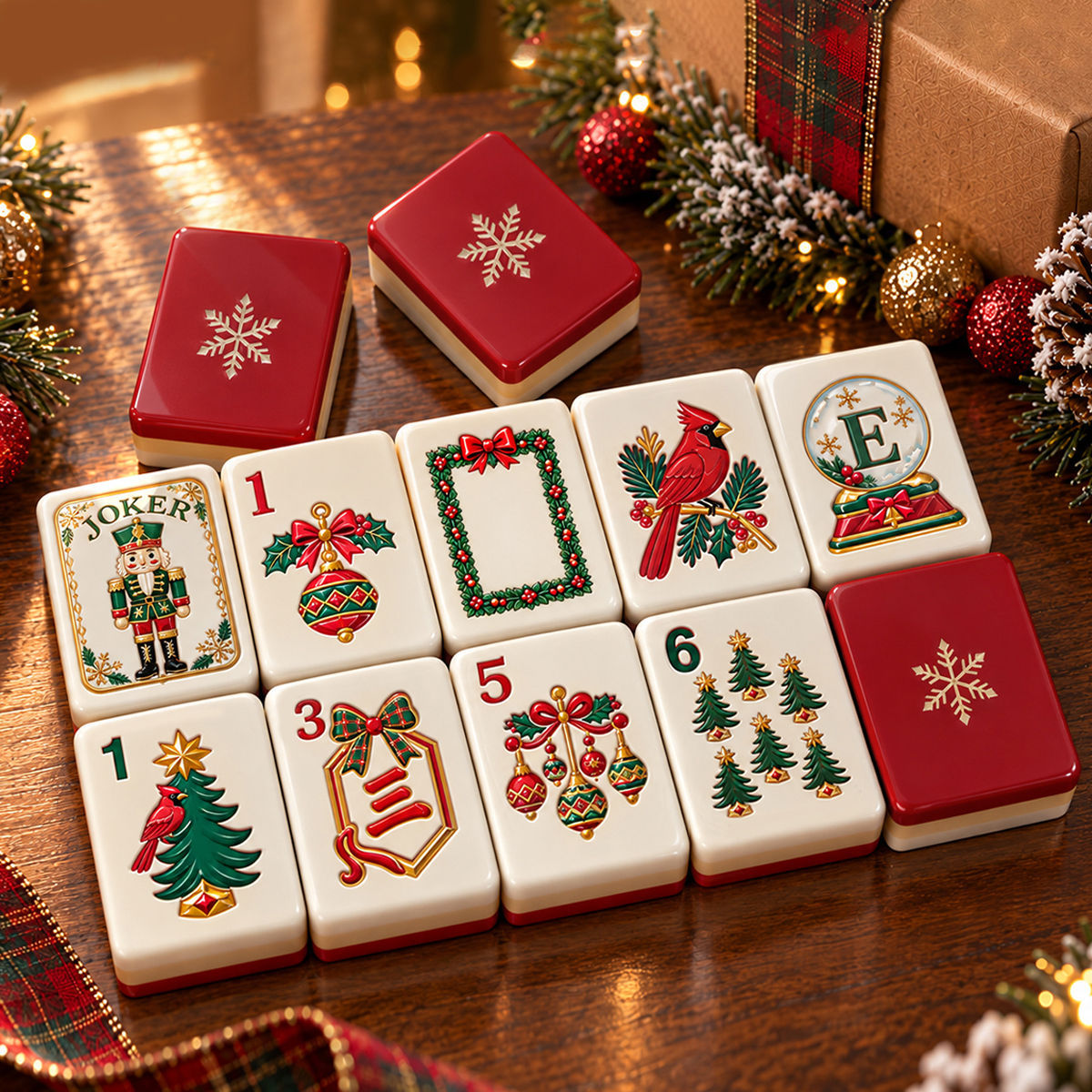
Mahjong retreats in Florida range from informal weekend games hosted by synagogues and community centers to multi-day tournaments and custom group getaways. Most gather in cities with established mahjong cultures: Miami, Fort Lauderdale, Tampa, Orlando, and the Villages. A typical retreat runs Friday evening through Sunday afternoon, includes 8–12 players rotating through tables, and costs nothing to modest green fees if venue-based. To find one, contact your local Jewish community center, library, or search community boards like Meetup—many groups welcome newcomers with a valid current-year National Mah Jongg League card. You'll need a 160-tile American mahjong set, a personal rack, and comfort with the tiles; many venues have sets available. Avoid showing up without a card or without knowing basic hand-reading; most Florida groups play American mahjong exclusively and expect players to know the fundamentals.
Where Do Most Florida Mahjong Retreats Happen?
South Florida (Miami, Fort Lauderdale, Boca Raton) hosts year-round mahjong communities because seasonal residents swell the population October through April. Community centers, synagogues, and country clubs are your best bet—they typically advertise games on bulletin boards or member emails. Tampa and Orlando have smaller but active groups centered in libraries and recreation departments. The Villages, Florida's massive active-adult community north of Orlando, runs weekly tournaments and casual retreats almost daily. Ask at the front desk of any venue or call ahead; mahjong coordinators love talking to newcomers. Most established groups already have a waiting list or rotate players, so persistence pays.

How Do You Find an Actual Retreat to Join?
Start by visiting your local community center, library, or synagogue directly and asking the front desk or reference librarian for a mahjong contact. Many librarians know the game and can connect you within 48 hours. Post on community Meetup boards with your zip code and experience level—other players will respond. Call ahead to Jewish Community Centers in your area; they maintain player rosters and often organize multi-day events or know groups that do. Online forums like American Mahjong Association Facebook groups sometimes list Florida retreats, but verify the venue and host before committing. Ask about the house rules—some groups play strict National Mah Jongg League scoring, others use variant rules—and confirm whether beginners are welcome. The warmest groups will ask what year's card you use and whether you need a loaner set.
🀄 Shop best-selling mahjong sets →
What Should You Pack for a Multi-Day Retreat?
Bring your own set if you own one—most Florida players travel with a portable mahjong mat and rack system to speed setup and feel at home. Pack the current-year National Mah Jongg League card (buy it online or at the retreat if unsure). Comfortable clothing and good reading glasses are essential; mahjong lasts 4–6 hours per day without breaks. Bring a notebook to track scores if the group doesn't provide a scorekeeper app. Sunscreen and a hat help if the retreat includes outdoor socializing. A lightweight travel bag keeps your set and personal mat safe during car rides. Many retreats provide snacks and drinks; confirm with the host before bringing your own. Leave behind any sets you're still learning on—bring only a reliable, complete 160-tile set you know well.
Comparison table: What Experienced Retreat Players Bring
Item | Why It Matters | Typical Retreat Setup |
Current-year NMJL card | Required for hand lookup; copy acceptable | Host usually has extras but bring yours |
Personal mahjong set | Familiar tile feel; home-team comfort | Bring if you own one; venues provide loaner sets |
Rack with pushers | Speeds play; reduces hand strain | Many players own one; shared racks available |
Reading glasses | Small tiles are hard to read at distance | Essential if you wear glasses at all |
Notebook & pen | Informal score tracking if no app | Optional but appreciated by groups |
Comfortable shoes | 6+ hours at a table; feet matter | Wear what you'd wear for a long car trip |

How Do You Host Your Own Florida Retreat?
Rent a home with a large common room (Florida has thousands of vacation properties) or book a community room at a library, synagogue, or recreation center—most charge modest hourly fees and handle setup. Plan for 8–12 players maximum; four tables of four run smoothly, and a coordinator can manage rotation. Set dates at least 8 weeks ahead and send invitations with venue address, parking info, meal plan (BYOB or catered), and expected cost per person. Confirm all players own current-year League cards and understand American mahjong rules; ask incoming players about their experience level. Arrange for dice, scoresheets, and a backup set in case someone's tiles jam—borrow or buy an extra 160-tile set if your group doesn't collectively own enough. Schedule 5–6 hours of play per day with one longer lunch break; most players want one evening of light socializing or a tournament final on the last day. Assign a scorekeeper or use an app to track standings across multiple rounds. Send a follow-up email with final scores and photos within 48 hours—retreat camaraderie lasts longer when documented.
🎁 See our most-loved mahjong sets & accessories →
What Are the Unwritten Rules of Florida Mahjong Retreats?
Arrive on time. Mahjong players are fanatical about punctuality; a 9 a.m. start means 8:55 a.m. Bring cash to cover your share of supplies or host fees—venmo is common but cash is safer. Never touch another player's tiles without permission. Silence phones completely; even a vibration breaks focus. Accept losses gracefully; retreats build friendships that last years, and gloating ruins the bond. Ask before offering advice to newer players—some groups forbid coaching mid-hand. Respect the host's house rules: if they say no quints, honor it. Thank the host before you leave, in person or via email. Show up with the same set and racks you promised; swapping equipment last-minute annoys everyone. If you must cancel, do it at least one week ahead; last-minute no-shows are remembered. Offer to help set up and clean up tables without being asked. These norms exist because Florida retreats often reunite the same 20–30 players annually, and reputation is everything.
✨ Find your Mahstead set — free US shipping →
What Should You Check Before You Buy Gear for a Retreat?
If you're new to retreats and thinking about buying your first complete mahjong set, verify the following before checkout: Does the set include all 152 tiles plus jokers? (A 160-tile set gives you spares for lost or stuck tiles.) Are the tiles large enough to read comfortably—at least 1 inch per tile? Do the racks have pushers, or will you buy them separately? Is the mat machine-washable if you're traveling? Will the bag fit in your car trunk? Ask existing retreat players in your target group which brands they use; Florida groups often have strong preferences. If hosting your own retreat, buy or borrow one extra set beyond the number of tables—a stuck or cracked tile will happen, and a backup set keeps the schedule on track. Most players bring their own racks rather than share, so if you join multiple retreats annually, owning a portable rack system pays for itself quickly in convenience and injury prevention.

FAQ
Can I join a mahjong retreat if I'm a total beginner?
Most Florida retreat groups require you to know how to play American mahjong already—reading hands and understanding the Charleston take 2–4 weeks of weekly games to master. Attend a beginner's weekly game at a community center for 4–6 weeks first, then ask the group leader for retreat recommendations.
Do I need to own my own mahjong set to join a retreat?
No. Most venues and retreat hosts have loaner sets, though bringing your own is more comfortable and faster. If you attend retreats regularly, owning a portable set becomes practical.
What does a Florida mahjong retreat typically cost to join?
Informal weekend games hosted by community groups are usually free or ask for a small donation toward snacks. Rented-venue retreats split room and meal costs among players—ask the host for the per-person fee before committing. Tournament retreats may charge entry fees per table.
How long do games run at a typical retreat?
Most retreats play 5–6 hours per day: typically 9 a.m. to noon, lunch, then 1 p.m. to 5 p.m., with rotation breaks every 1–2 hours. Evening sessions are optional socializing, not always mahjong.
What's the biggest mistake new retreat players make?
Showing up without a current-year National Mah Jongg League card or without practicing hand-reading beforehand. Groups can't start games waiting for rule lookups. Study the card online for 30 minutes the night before, and you'll fit in immediately.
Should I book a hotel or stay with other players at a rental house?
Shared rental homes (8–12 players split a property) are most popular and affordable; they extend socializing and cut lodging costs. Check the host's reservation before confirming. Hotels work fine for solo travelers but are pricier and remove the camaraderie.
Are there age requirements or skill levels for retreats?
No official age rules, though most groups skew age 50+. Skill varies widely—beginners and advanced players often play mixed tables. Ask the host about the group's experience range before you sign up.


View More
View More
View More
