
Is Mahjong Good for Teens? Benefits, Rules & How to Start
Last updated: Nov 23, 2026
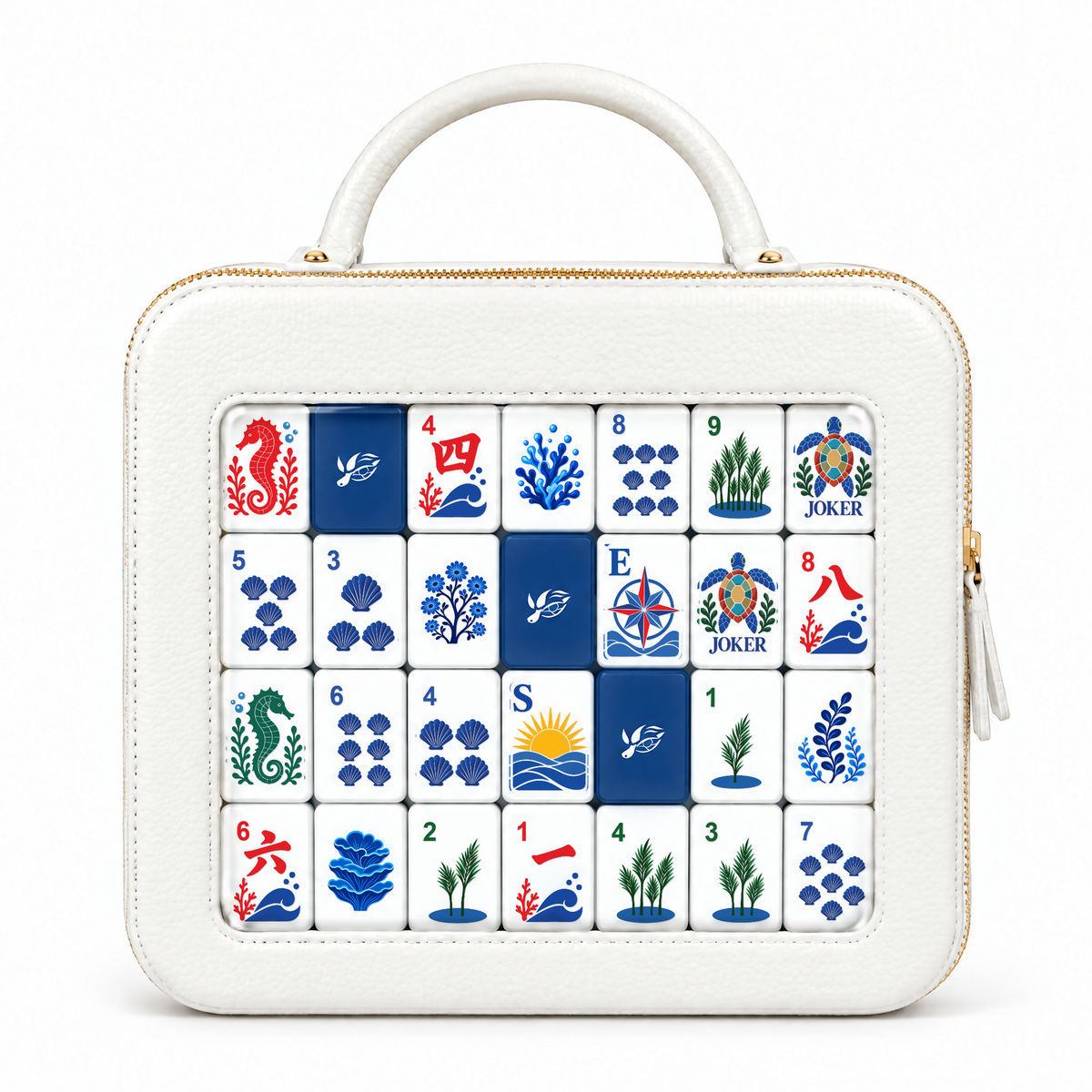
Yes, mahjong is genuinely good for teens. It sharpens pattern recognition, probability thinking, and quick mental math without requiring screens or solitary play. American mahjong, the most common variant in North America, combines luck and skill: players draw and discard 136 tiles over roughly 60–90 minutes per round, working toward one of thousands of possible hands from that year's official card. The game builds focus (you must track discards and opponent strategy), emotional resilience (you lose often), and authentic friendship through turn-by-turn collaboration or friendly competition. A 160-tile set (the standard for American play) runs from modest to premium depending on design; the barrier to entry is low, and the payoff—a lifetime hobby, family bonding, and a welcoming community—is real.
What makes mahjong different from other board games teens play?
Mahjong is turn-based, not timed, so there's no "rush anxiety." Players sit face-to-face; you read body language, not avatars. Unlike poker or gambling games, American mahjong has no betting tradition (most kitchen games are for fun only). The annual card refresh keeps the game fresh: every spring, new hands are published, so even veterans relearn strategy yearly. Crucially, mahjong requires reading—the official card, tile faces, honor rankings—which builds literacy and visual processing that translates to school work.

How does mahjong teach math without feeling like math?
Every hand involves counting sequences, tracking probabilities ("how many 2 Dots are still in play?"), and quick arithmetic for scoring. American mahjong scoring rewards players who calculate risk: is it worth holding three low-value tiles hoping for a match, or should you pivot? Players also learn the concept of "dead" tiles—once three identical tiles are exposed, no pung of that tile can be called—which is combinatorics in action. Over weeks of play, a teen internalizes that probability shapes outcomes without a single worksheet.
What's the learning curve for a first-time teenage player?
Most teens pick up the mechanics in one 45-minute teaching session and play a full game the same day. The hardest part is reading the annual National Mah Jongg League card, which shows all legal hands for that year. Once they memorize where the "Like" (pair + two sets) section sits versus "Consecutive Pairs," hand recognition becomes automatic. The social pressure to keep up is gentle; no teen wants to hold up a game, so they absorb rules fast and ask good questions. Start with a beginner's guide if teaching at home.
🀄 Shop best-selling mahjong sets →
Does mahjong replace outdoor activity or screen time?
Yes—it occupies the same social-hangout slot as scrolling together. A typical game runs 60–90 minutes and requires four players in one room, which naturally limits phone use. The rotation (play one round, rest, chat, play another) also gives breaks without "leaving the table," so friendships deepen through both gameplay and downtime talk. Parents report that teens who play weekly mahjong spend measurably less time gaming solo and more time with real friends. The trade-off is 100% in favor of outdoor or in-person time, since mahjong requires presence.

How do you find other teens to play with?
Most teens join through family games: a parent or grandparent teaches them, then they invite friends. Secondary pipelines include school clubs (ask a librarian), community centers, synagogues or churches with game nights, and informal meetup groups posted online (search "[your city] mahjong"). Once a teen plays regularly, the social loop is self-sustaining; they either host or get invited. Some households run a weekly "mahjong night" that becomes as routine as dinner. The community skews older (most players are 40+), but teens are almost always welcomed as novelties and treated as genuine learners, not distractions.
Scenario | Setup Time | Why It Works for Teens | Next Step |
Family kitchen, 4 players | 10 min to shuffle & teach | Low stakes, home comfort, grandma supervises | Make it weekly |
School club, rotating players | 5 min (rules posted) | Peers, structured time, no family pressure | Organize mini-tournaments |
Friend group, first-timers | 20 min teaching + 60 min play | Instagram/TikTok buzz attracts friends | Host at your place |
Community center drop-in | None (club provides set) | Strangers + built-in community | Join regulars, learn faster |
🎁 See our most-loved mahjong sets & accessories →
What set should you buy for a teen group?
A 160-tile acrylic American mahjong set is the standard. Acrylic tiles are quieter than bamboo (respect for neighbors), less prone to chipping, and easier to clean. Look for sets with large, clear numbers and suit symbols—vinyl print degrades with shuffling, so raised engraving lasts years. A set with a storage bag eliminates "where are the tiles?" friction and makes hosting at school or a friend's place friction-free. Avoid novelty cartoon designs; they wear fast and cheapen the experience. Engraved sets with inside jokes ("Class of 2027 Mahjong Crew") become heirlooms and motivate repeat play.
Pair your set with a mat if you're hosting. A mat protects the playing surface and clearly marks each player's zone, which keeps the game orderly and minimizes tile spillage—a must in a dorm or apartment. A rack with pushers is optional but game-changing for teens with smaller hands or those who tire during long rounds; racks also keep tiles hidden from opponents' views. For a group that travels or plays at different homes, a sturdy travel bag or case justifies itself after three games away from home.
What to check before you buy
Tile clarity: Hold up a sample to light. Dots should be dots, not blurred symbols. Numbers should contrast sharply against the tile face.
Engraving quality: If custom-engraved, request a proof. Misspellings and shallow cuts make sets feel cheap and generate regret.
Bag stitching: Unzip fully and inspect seams, especially where straps attach. A separated seam after one trip destroys portability.
Joker count: A standard American game uses exactly 8 jokers from the 160-tile set. Do not add or remove jokers during play.
Weight and feel: Too light feels toy-like; too heavy strains wrists during long shuffles. Hold a demo set if possible.
Completeness: Count tiles before leaving the store or opening the delivery box. A missing Dragon or Wind means the set is unplayable until replaced.
✨ Find your Mahstead set — free US shipping →

FAQ
Can a teen learn mahjong solo, or is it only a group game?
Mahjong requires four players; solo study is pointless. A teen can learn mechanics from a tutorial video, but real skill comes from playing. Encourage them to find one friend first, then recruit two more.
Is American mahjong the only variant teens should learn?
Yes, if they're in North America. American mahjong uses a card and is beginner-friendly. Chinese, Hong Kong, and Riichi variants use different rule sets and are harder to pick up. Stick with American unless a local group plays a different style.
How much does it cost to get started?
A complete set for home play—a 160-tile acrylic set, a mat, and a bag—varies by design; see current prices on the product pages. The price-to-longevity ratio is excellent: a set used weekly lasts 10+ years.
Will my teen quit after one week?
Some do. The best antidote is consistent play: host a weekly game with the same three friends, make it a standing commitment, and treat it like a sport league. Teens who push through weeks 2–4 almost always stick with it for years.
What if my teen wants to play competitively?
The National Mah Jongg League hosts tournaments for all skill levels; some events have youth sections. Your teen can join the League as a member (annual fee varies), receive the official yearly card, and compete in sanctioned games. Many teens view it as a low-pressure alternative to chess or debate.
Can adults and teens play together?
Absolutely. Multigenerational games are common and often highlight why mahjong is special: a 14-year-old and a 70-year-old sit as equals. Age doesn't predict skill.


View More
View More
View More
