
Mahjong Racks for Small Tables: What Fits & Works
Last updated: Nov 23, 2026
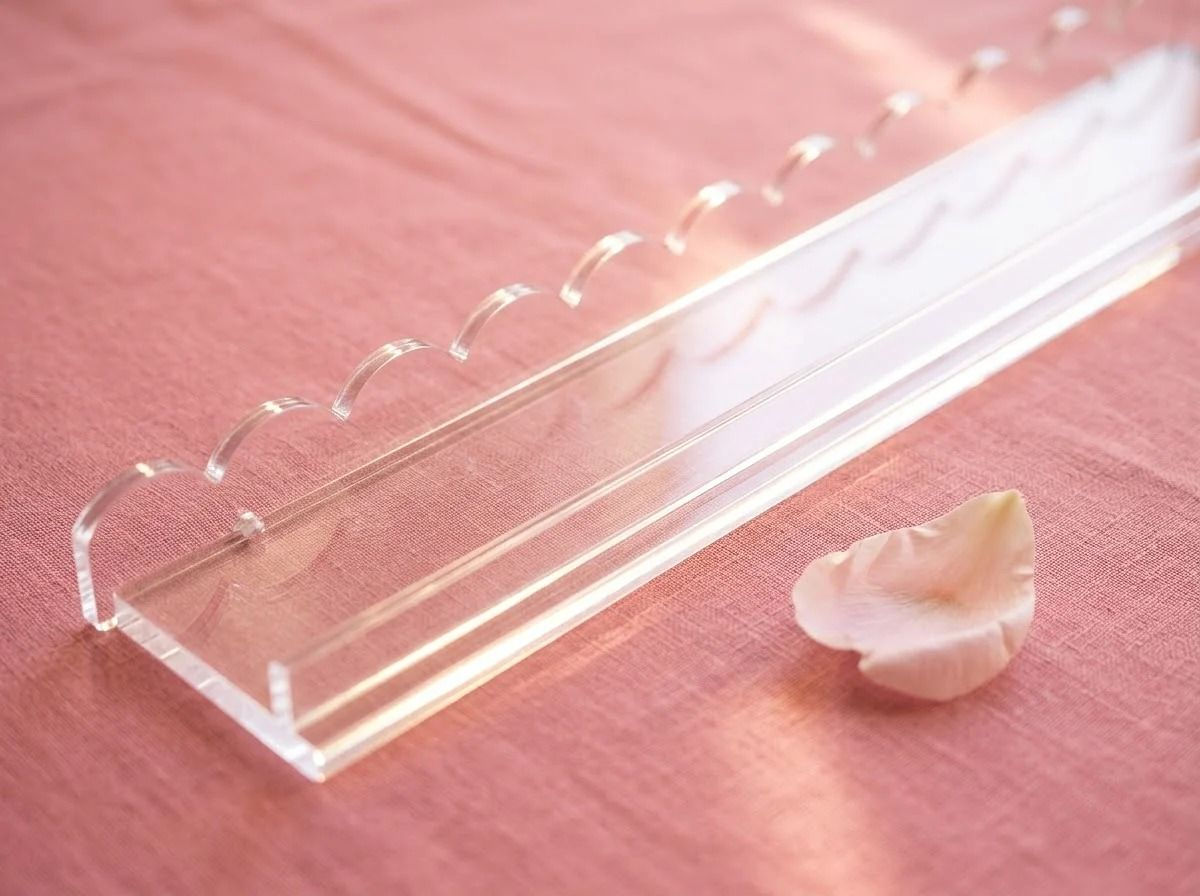
Mahjong racks for small tables range from compact 8–10 inch widths to mid-size 12–14 inch designs, paired with proportional pushers. The right choice depends on your table diameter or length: a 36-inch round table suits a 10–12 inch rack; a 48-inch square works better with 14–16 inch racks. Most mahjong racks with pushers sold today come as a four-rack set (one for each player) plus four matching pushers. Before ordering, measure your table edge-to-center, check the rack depth and pusher length against that measurement, and confirm the tile tray sits comfortably without overhanging or crowding neighbors' play space. Racks are made from acrylic or bamboo; acrylic is lighter and easier to clean, while bamboo feels traditional. Mahstead's best-selling mahjong sets often ship with matching rack options, simplifying the purchasing decision for new players or those upgrading a worn set. 🀄 Shop best-selling mahjong sets →
What size rack actually fits a small table?
Most home mahjong tables range from 36 to 48 inches. A 36-inch round table leaves only 9–11 inches of edge space per player; a 10-inch rack with an 8-inch pusher will sit flush without crowding. A 48-inch square table gives you 12 inches per side; a 12–14 inch rack works here. Measure your available edge width, subtract 1 inch for comfort, and match that to the rack's stated width. If your table is smaller (30 inches or less), a 8-inch compact rack is your safest bet. Always ask the seller for exact rack and pusher dimensions in inches before checkout.
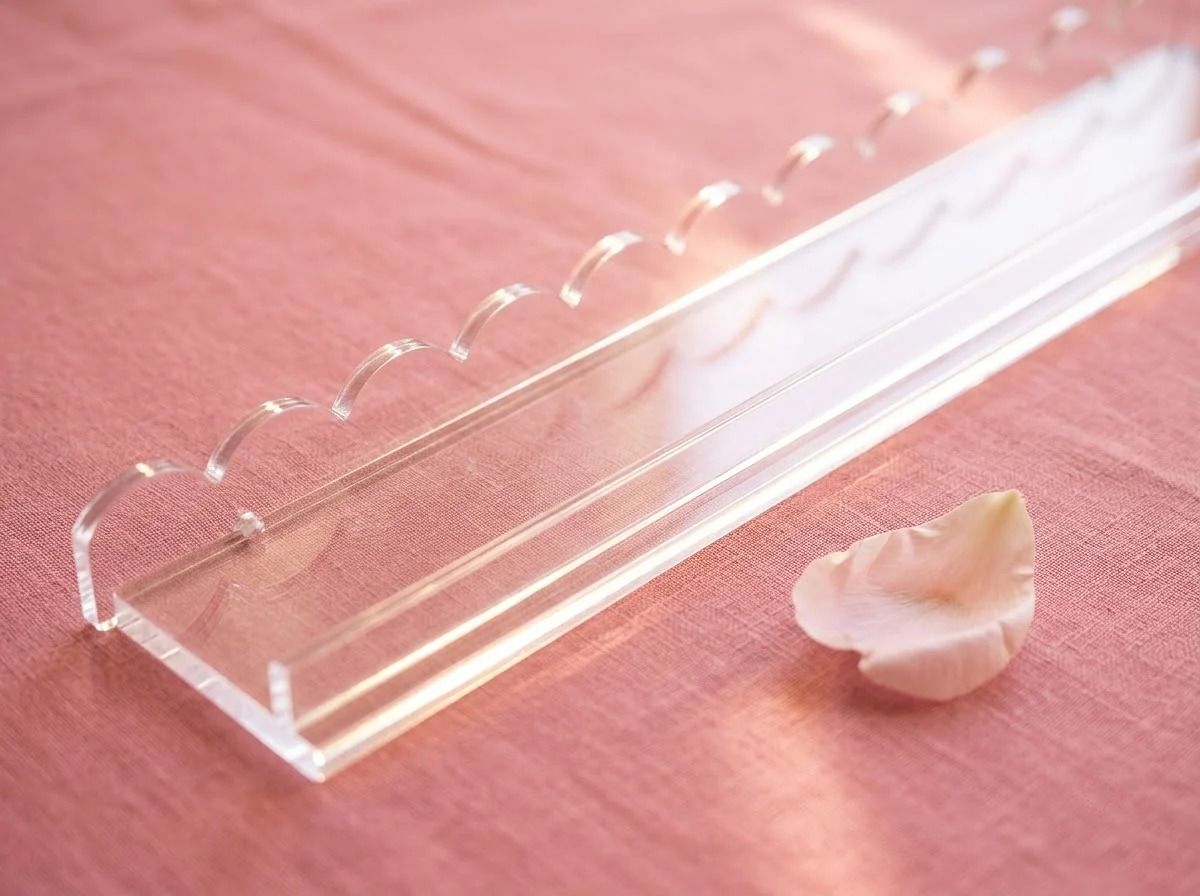
Do pusher length and rack depth matter equally?
Yes—they work together. A pusher that's too long will stick out past your rack's edge or collide with neighbors. A rack that's too deep (the front-to-back dimension) will occupy too much of your lap or the table's edge. Pushers typically measure 5–9 inches; racks, 8–16 inches wide by 3–5 inches deep. On a small table, a 12-inch wide rack with a 4-inch depth and 6-inch pusher is the sweet spot: tall enough to hold tiles without spilling, shallow enough not to dominate your play space, and paired with a pusher short enough to nudge tiles without hitting the table's far edge. Check the product page for both measurements before ordering.
Acrylic vs. bamboo: which suits small-table play?
Acrylic racks are lighter (easier to move during the Charleston), more durable on small tables where racks are set down frequently, and simpler to wipe clean. Bamboo racks have a traditional look and feel warmer in the hand, but they're heavier and can mark or stain more easily. For a small table where space is tight and racks are handled often, acrylic wins on practicality. For a dedicated mahjong corner where racks stay in place, bamboo adds aesthetic value. Many players choose acrylic for casual weekly games and bamboo for display or formal settings. Pick the material based on your table's permanence and traffic, not just looks.
Comparison: Rack Types by Table Size and Play Style
Table Size | Rack Width | Pusher Length | Material Pick | Play Style |
30–36 inches (small round/octagon) | 8–10 inches | 5–6 inches | Acrylic | Casual, apartment, frequent moves |
36–42 inches (standard round) | 10–12 inches | 6–7 inches | Acrylic or bamboo | Weekly home game, balanced space |
48 inches (square/folding) | 12–16 inches | 7–9 inches | Acrylic | Dedicated room, semi-permanent setup |
Tournament table (54+ inches) | 16+ inches | 8–10 inches | Bamboo or acrylic | Club play, larger groups |
🎁 See our most-loved mahjong sets & accessories →
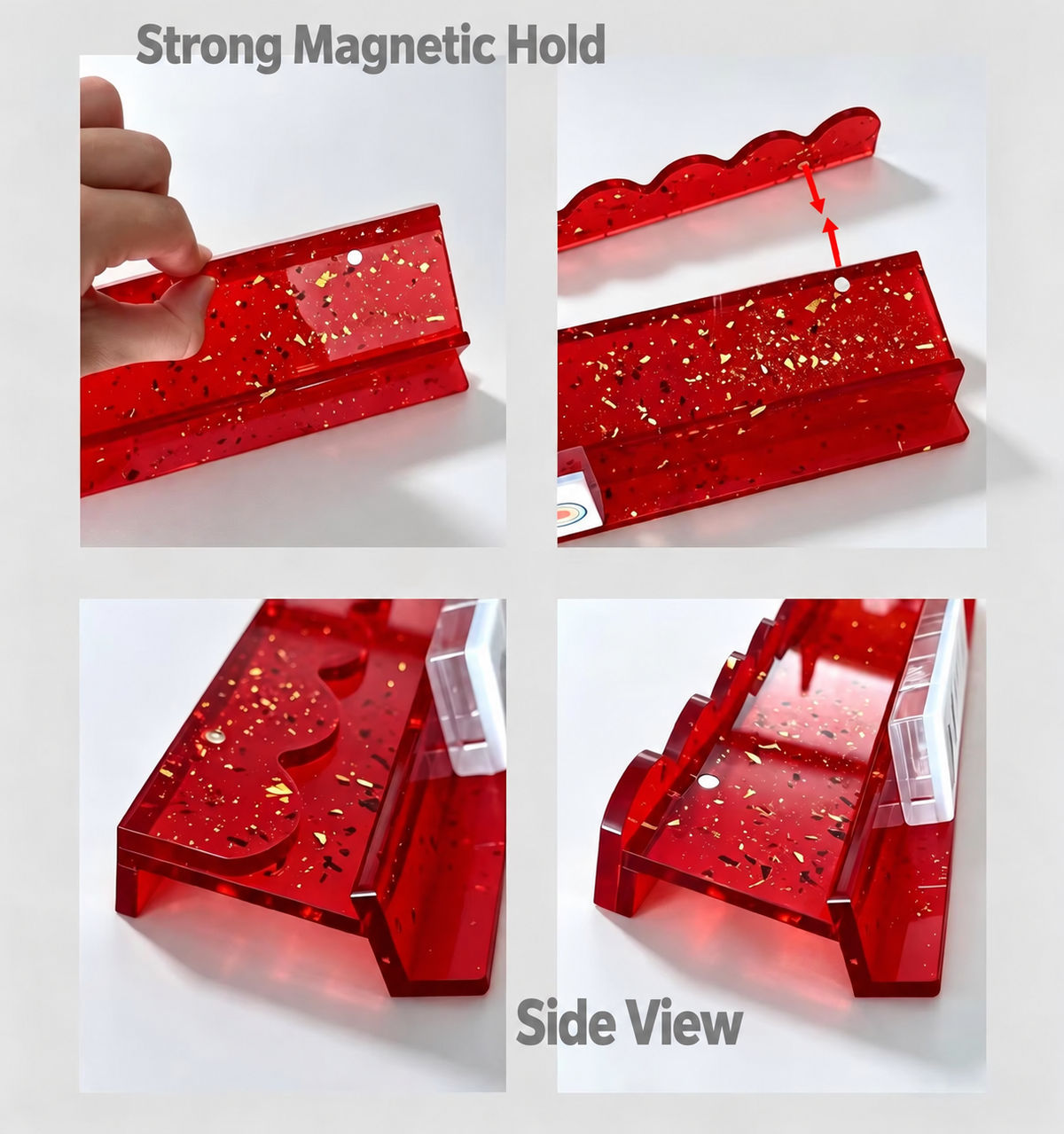
How do you avoid buyer's remorse on racks?
Measure twice; order once. Before buying, write down: (1) your table's width and depth in inches, (2) the available edge space per player (divide total by 4), (3) the maximum rack width you can fit, and (4) your comfort preference (acrylic speed vs. bamboo warmth). Then cross-check the seller's rack and pusher specs against your notes. Common mistakes: buying 14-inch racks for a 36-inch table (they overhang), choosing bamboo for a coffee-table setting where spilled tiles happen daily (acrylic is easier to sweep), and ignoring pusher length (a 9-inch pusher on a 8-inch wide rack is unwieldy). Read the product description for the complete dimensions; if they're missing, email before checkout. Many players regret buying without measuring; none regret taking an extra 5 minutes to verify fit.
What should your rack purchase include?
A standard mahjong rack set includes four individual racks (one per player) and four matching pushers. Some sets bundle a mahjong mat or scorepad; read the listing to confirm. If you already own tiles and a set, you only need the racks—no need to buy a full set again. Replacement racks and pushers are sold individually or in pairs if you need to swap out worn pieces. A 160-tile best-selling set often includes racks; check the product photos or description before buying separately and duplicating. Racks are not returnable once used (hygiene reasons), so getting the size right the first time saves frustration and expense.
✨ Find your Mahstead set — free US shipping →
Small-table hosting: does your mat, racks, and set work together?
Yes—they should. A small table needs a mat that fits the playing surface without hanging off the edge (typically 24–36 inches for a 30–36 inch table), racks that don't crowd the mat, and tiles that aren't oversized. Oversized tiles (often sold as "jumbo" sets) look impressive but take up more tray space and make small-table play cramped. Standard American tiles (about 1 inch × 0.75 inch) fit comfortably with 10–12 inch racks on a small table. A how-to-choose-a-mat guide helps you pick a mat that complements your racks and space. Many players new to small tables buy oversized everything; experienced hosts downsize for comfort and ergonomics.
What to check before you buy:
Measure your table edge per player (total width ÷ 4).
Write down the max rack width that fits without overhanging.
Confirm pusher length is 1–2 inches shorter than the rack width.
Choose acrylic if racks are moved often, bamboo for permanence.
Verify the rack and pusher dimensions on the product page (no guessing).
Check whether the set includes racks before buying separately.
Ensure your mat, racks, and tile size work together on your table.

FAQ
Can I use one large 48-inch rack on a small table instead of four smaller ones?
No—American mahjong requires exactly four racks (one per player), and each player sits on their own edge. One shared rack defeats the game's structure and tile-wall mechanics.
What's the minimum table size for any mahjong racks?
A 30-inch round table with 8-inch compact racks is the lower limit; below that, a tile-holder or wall is impractical, and players often play without racks on very small or standing surfaces.
Do acrylic racks scratch easily during the Charleston shuffle?
Light scuffing happens with rough handling, but Mahstead acrylic racks are UV-stabilized and don't scratch easily under normal play; bamboo racks show marks faster but develop a patina some players appreciate.
Can I buy extra pushers if mine break?
Yes, individual and replacement pushers are sold separately or in pairs; order by your rack width so the pusher proportions match.
Do I need different racks if I switch from 152-tile American mahjong to Hong Kong or Chinese rules?
No—racks are universal. All mahjong variants use similar 13–14 tile hand counts and need tile organization; the rules differ, but the rack's job stays the same.
How long do acrylic racks last with weekly play?
Mahstead acrylic racks remain functional and clear for 10+ years of weekly play; longevity depends on handling and storage, not tile contact.


View More
View More
View More
