
Mahjong Rack Length: Which Size Fits Your Game?
Last updated: Nov 23, 2026
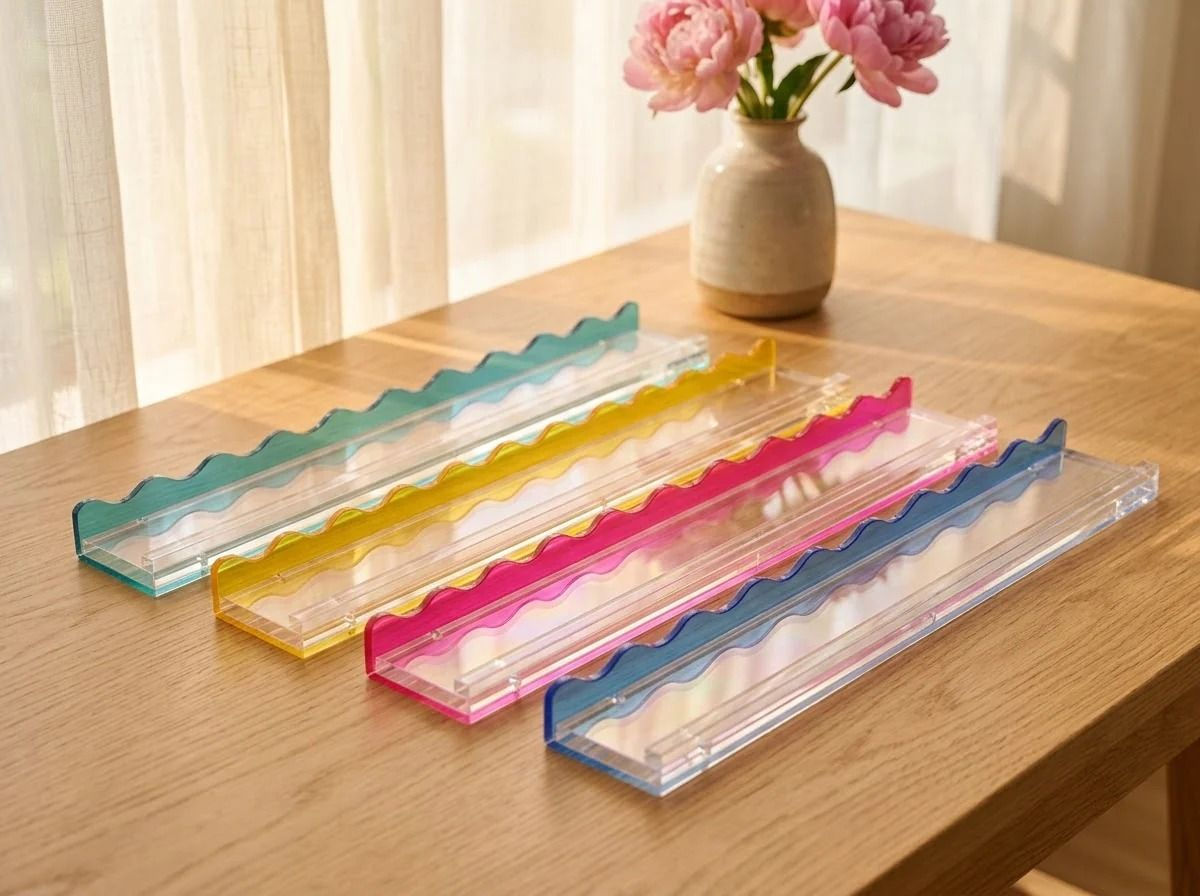
American mahjong racks range from compact 8-inch designs to full 14-inch models, each holding 14–16 tiles depending on tile size and spacing. Most weekly players use 10–12 inch racks because they fit standard tile dimensions (roughly 0.75 inches wide), leave room for the discard area, and suit average hand spans. Longer racks (13–14 inches) work for players with larger hands or those who prefer a spread-out view; shorter racks (8–9 inches) suit tight tables or travelers. All Mahstead racks with pushers come with pushers to slide tiles smoothly and prevent fumbles. Your choice depends on table size, hand preference, and whether you play with standard or jumbo tiles—measure your table width and test a friend's rack before deciding.
🀄 Shop best-selling mahjong sets →
What exactly is a mahjong rack length?
Rack length is the distance from one end of the tile-holding tray to the other, measured in inches. It determines the maximum number of tiles you can display at once without stacking or overlapping them. A 12-inch rack typically holds 14 standard tiles (0.75 inches each) plus slight spacing; a 10-inch rack holds 12–13; a 14-inch rack fits 15–16. Length does not include the pusher mechanism, which extends beyond the tray. Longer racks spread your hand across more table surface, reducing crowding but demanding more elbow room. Shorter racks keep your tiles compact and save table real estate. The best-selling sets at Mahstead often pair with 10–12 inch racks for balanced play.
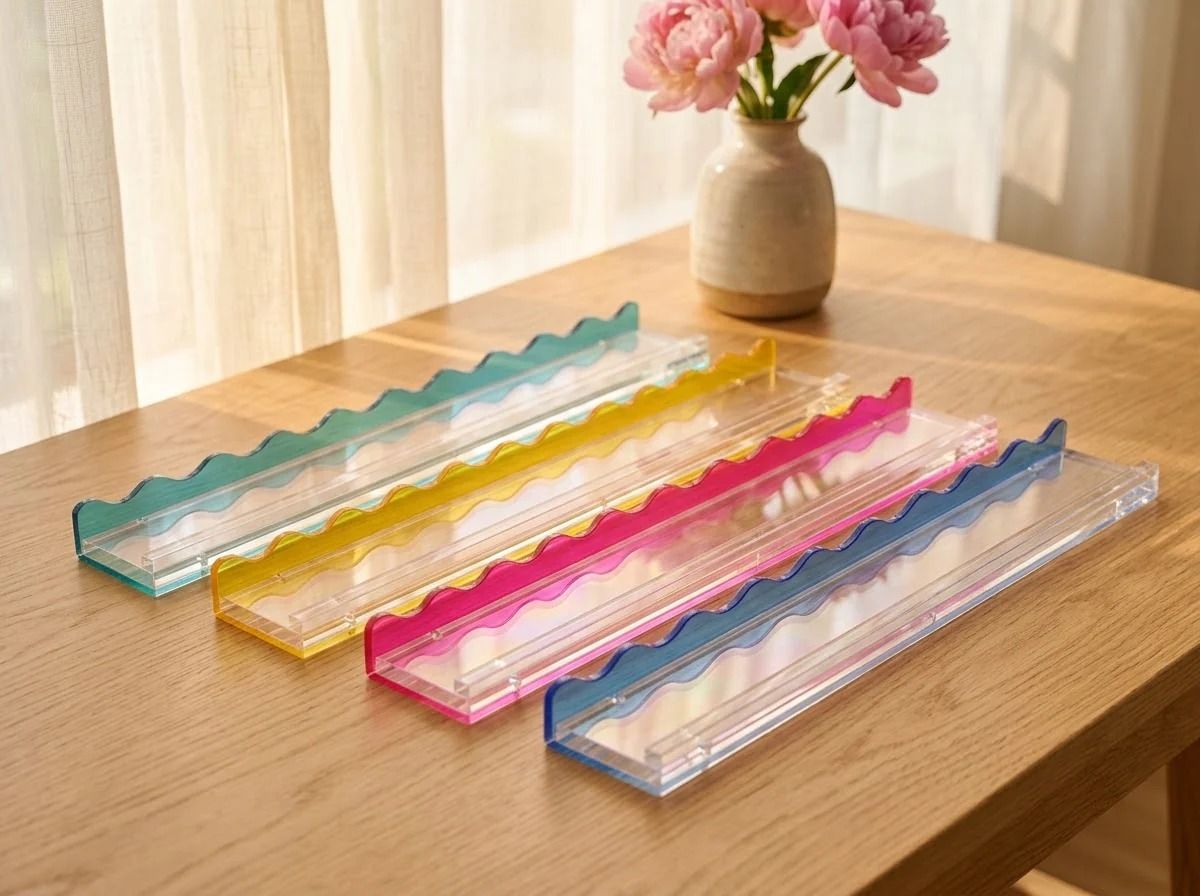
Who needs a short rack (8–10 inches)?
Short racks suit small tables, tight seating, or players who value compact hand management. They work well for travel games where space is scarce—hotel rooms, RV tables, or outdoor decks. Players with smaller hands may prefer the shorter reach. Tournament players sometimes favor short racks to minimize distractions and keep focus on the discard pile rather than their full hand spread. However, short racks can feel cramped if you hold all 14 tiles at once; you may briefly rest excess tiles off the rack. If your table is narrower than 48 inches or seating is tight, measure the available width per player (usually 12–16 inches) and choose a rack that leaves 6 inches on each side for discards and neighbor plays.
What about the standard 11–12 inch rack?
Most American mahjong players choose 11–12 inch racks because they balance comfort and table efficiency. At this length, 14 standard tiles sit evenly without overlap, and you can see your entire hand without moving your head. The pusher mechanism glides smoothly across a 12-inch track, reducing accidental tile shifts. This size fits most dining tables (48–60 inches wide) with room for the discard area in the center. It suits hand sizes from small to large, making it the safest choice if you've never used a rack before. When ordering mahjong racks with pushers, the 11–12 inch range is the most forgiving: if your table is slightly cramped, you can angle the rack 45 degrees; if space is generous, the proportions still look balanced. Test this size first if you're new to racks.
When do you need a long rack (13–14 inches)?
Long racks suit players with large hands, those who prefer maximum tile visibility, or groups using jumbo tiles (roughly 1 inch wide). Jumbo sets require more linear space—a 14-inch rack is almost essential for them. Players with longer fingers or wider hand spans may feel cramped by a 12-inch rack and prefer the extra reach and separation. Long racks also reduce the need to crane your neck or shift tiles during the game. The tradeoff: a 14-inch rack occupies more of your table perimeter, which can feel tight at a 48-inch table or with four full-height players. A 60+ inch table is ideal. Jumbo tiles and long racks are often chosen together by groups that prioritize ease of reading tiles from across the table—common in retirement communities or when eyesight varies. Christmas mahjong sets and specialty designs sometimes pair with jumbo tile recommendations; check the product details.
How do you measure your table and choose the right fit?
Measure your table width in inches, divide by four (one side per player), and subtract 3–4 inches for the discard area and neighbor access. That remainder is your maximum rack length. For example, a 60-inch table gives you roughly 15–16 inches per player; a 48-inch table, 9–10 inches. Next, measure your hand span (thumb to pinky, relaxed) to gauge comfort. Standard tiles are 0.75 inches wide; jumbo tiles, roughly 1 inch. Multiply 14 tiles by tile width, then add 1 inch of wiggle room to find your ideal rack length. If you're between sizes, choose the shorter one—racks can angle or tilt, but an oversized rack cannot shrink. Finally, test a friend's rack at their table before ordering. Mahstead offers racks in the full collection, with detailed dimensions in each product description; compare two or three before adding to your cart.
Rack Length | Typical Tile Capacity | Best Table Width | Who It Fits | Trade-off |
8–9 inches | 10–12 tiles | 40–48 inches | Small hands, tight spaces, travelers | May feel cramped at 14 tiles |
10–11 inches | 12–13 tiles | 48–54 inches | Compact players, standard tables | Near-standard comfort |
11–12 inches | 14 tiles | 54–60 inches | Most players, balanced comfort | Universal "safe" choice |
13–14 inches | 15–16 tiles | 60–72 inches | Large hands, jumbo tiles, visibility | Requires spacious table |
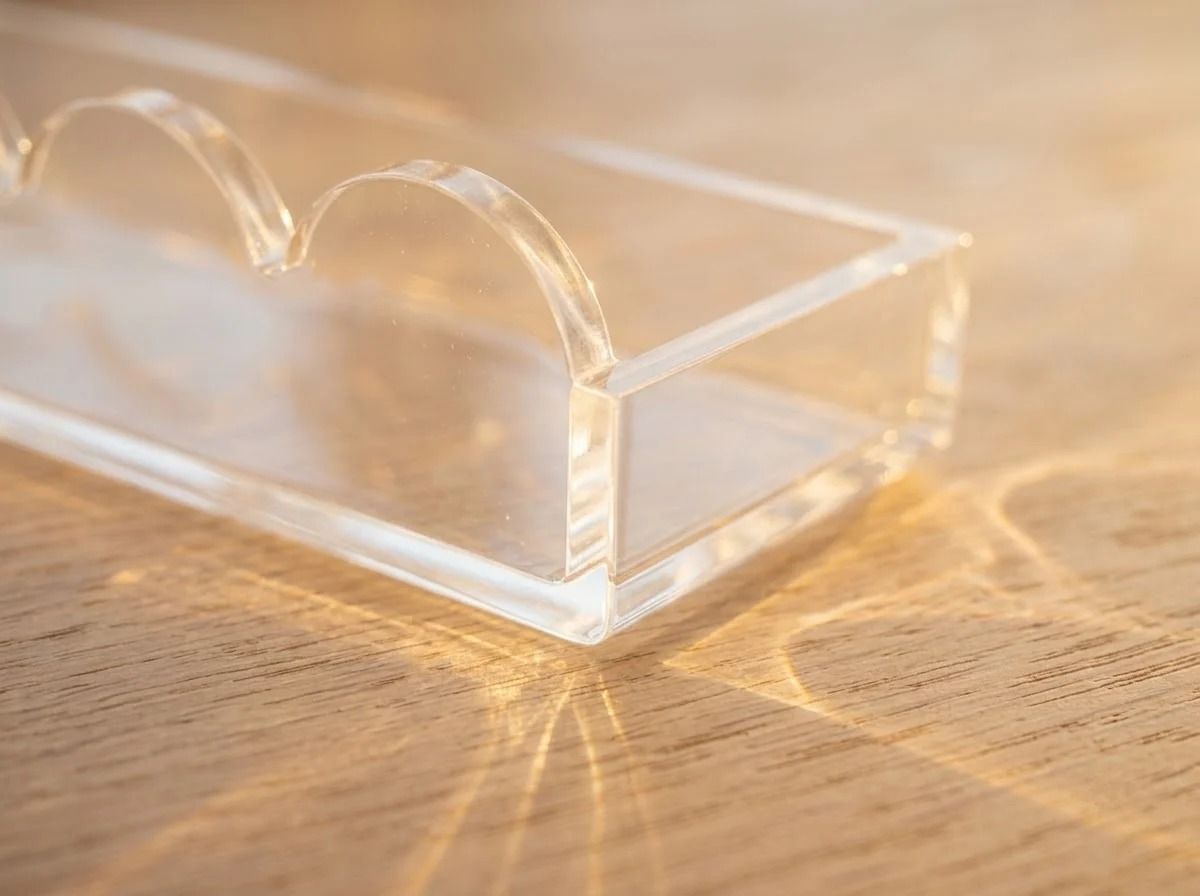
What pushers and materials affect rack performance?
Pushers are the sliding mechanism that moves tiles forward from the back of the rack into your hand. Quality pushers glide smoothly without binding or jamming; cheap pushers catch on tile edges or warp under repeated use. Mahstead racks with pushers are engineered so the pusher track aligns perfectly with standard tile dimensions, reducing friction and accidental tile topples. Material matters: acrylic racks are lightweight, durable, and easy to clean; bamboo racks offer traditional aesthetics but require care to prevent splitting. Pusher material—usually hardwood or reinforced plastic—should be smooth and not splinter. Test the pusher action at a demo or friend's house by sliding it 10–15 times; it should move steadily without resistance or play (wiggle). A quality pusher adds years to your rack's life and makes every game smoother. When comparing racks, inspect the track depth and alignment; misaligned tracks cause tiles to jam or fall out of place mid-game.
🎁 See our most-loved mahjong sets & accessories →
What to check before you buy
Measure your table width in inches and divide by 4; subtract 3–4 inches for the discard area. Your maximum rack length is that result.
Know your tile size. Standard tiles are 0.75 inches; jumbo, ~1 inch. Mahstead product pages specify which tiles pair with each rack.
Test the pusher action. If possible, handle a friend's rack or visit a local game group to feel how smoothly the pusher glides.
Check the track alignment. The pusher should move without binding or tiles tilting sideways.
Verify material durability. Acrylic is hardest; bamboo is traditional but needs care. Review the product description for maintenance notes.
Confirm spare tile storage. Some racks have small slots for jokers or blanks; others do not. Plan where you'll keep spares during play.
Ask about color and engraving. Mahstead offers engraved American mahjong sets that coordinate with racks; matching your set to your rack creates a cohesive look and helps you spot mismatched tiles quickly.
Why rack length matters for consistent play
A poorly sized rack forces you to hold tiles off the rack, shuffle them mentally, or twist your wrist to view your hand—all distractions that slow play and invite errors. When your rack fits your hand and table perfectly, tile selection becomes automatic, you spot matches instantly, and your mind stays on strategy (reading the card, calculating your odds, tracking discards). Consistency reduces fumbles, misdeals, and disputes over whether a tile was exposed or hidden. Over a season of weekly games, the right rack saves dozens of minutes and countless small frustrations. New players especially benefit from a properly sized rack: it removes one variable and lets them focus on learning hands, recognizing suits, and understanding the rhythm of how to play American mahjong.
✨ Find your Mahstead set — free US shipping →
Comparing racks across play styles
Casual home games: A 11–12 inch rack suits most groups. It accommodates standard tile sizes, fits average tables, and leaves room for snacks and scoring sheets. Order once and it lasts years.
Competitive or tournament play: Shorter (10–11 inch) or longer (13–14 inch) racks reduce hesitation and keep pace brisk. Standardized rack dimensions across tournament tables prevent players from gaining edge through unfamiliar equipment.
Travel and small-group play: 8–10 inch racks pack easily, suit compact tables, and reduce setup time. Pair with a travel bag for portability.
Large-format or jumbo tile games: 13–14 inch racks with reinforced pushers are nearly mandatory; jumbo tiles are too wide for standard racks, and the extra length prevents tiles from falling off the ends.
Retirement community or accessibility play: Longer racks (12–14 inches) reduce bending and eye strain; larger pusher handles (if available) ease arthritis or grip weakness. Ask Mahstead about custom pusher options.
Final recommendation: how to order with confidence
Visit the mahjong racks with pushers collection and filter by length. Read the product description carefully—it will state the exact dimensions, tile capacity, pusher material, and which tile sizes it suits. Compare two or three models side by side. If you're uncertain, start with 11–12 inches; it is the most versatile. Check whether the rack ships fully assembled or requires minimal assembly (most do not). Mahstead ships free across the US, so returns and exchanges are low-risk if your first choice doesn't feel right at your table. Before your first game with a new rack, spend 15 minutes sliding the pusher back and forth and loading/unloading tiles to get a feel for the action. Once you've settled on a length, that same model becomes your standard—you'll recognize it instantly and feel at home with it week after week.
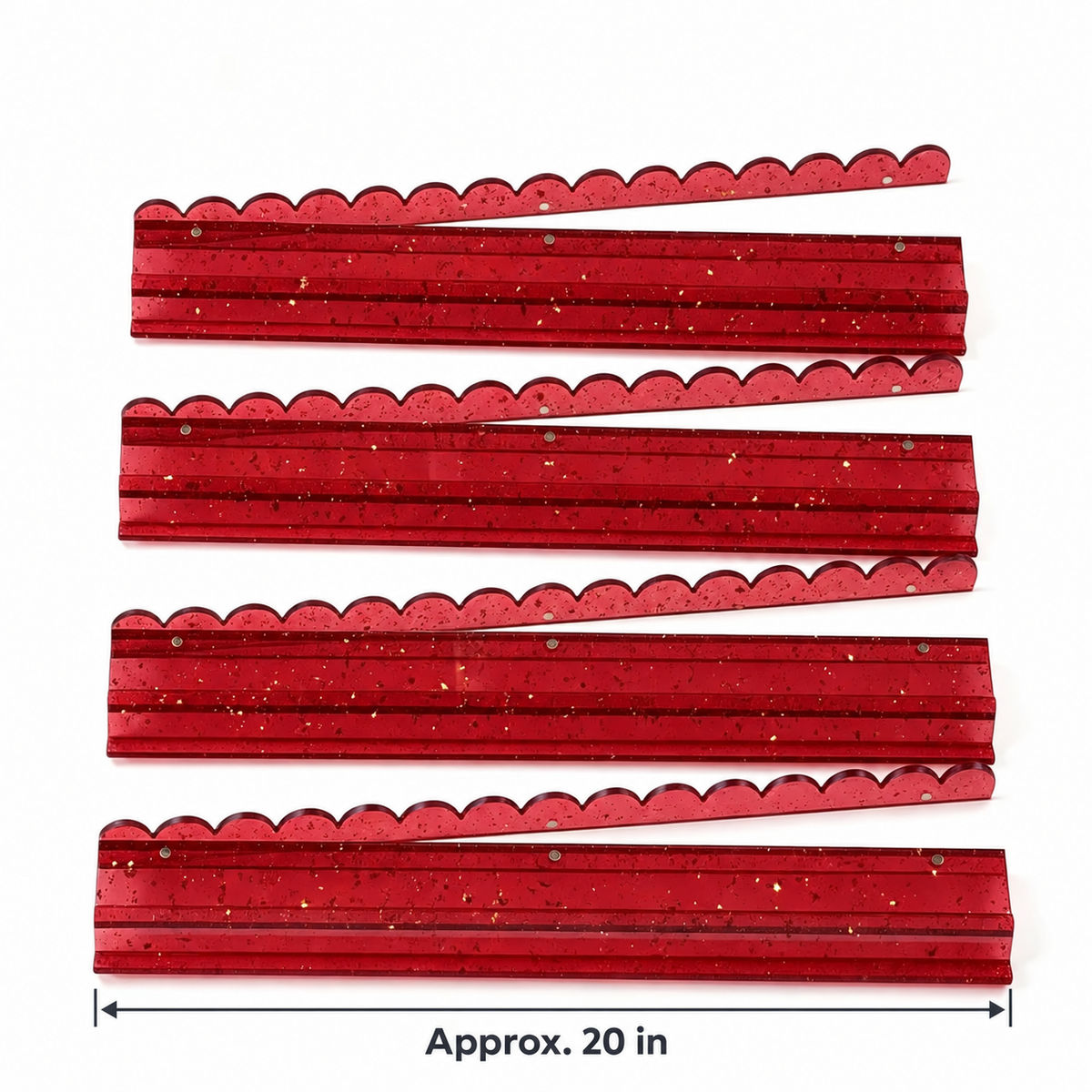
FAQ
Can I use a 10-inch rack if my table is only 48 inches wide?
Yes. A 48-inch table leaves roughly 9–10 inches per player after subtracting the discard area. A 10-inch rack will fit, though it may feel slightly snug. Angle it 45 degrees or tilt it slightly backward to gain a few extra inches if needed.
Do all Mahstead racks fit all American mahjong tile sizes?
Mahstead racks are designed for standard tiles (0.75 inches wide). Jumbo tiles require 13–14 inch racks with wider spacing. The product page always specifies which tile sizes are compatible; check before ordering.
What happens if I order a rack that's too long for my table?
A too-long rack will overhang or collide with your neighbor's racks or the discard pile. You can rest part of your hand off the rack, but that defeats the purpose. Measure twice and order a slightly shorter rack if unsure; you can angle it to gain a bit of reach without the cramping issues of a too-small rack.
Do I need a pusher, or can I just use my fingers to move tiles?
Pushers prevent accidental tile exposure (you reveal the back of your tiles, not the face) and reduce fumbles. Fingers are slower and risk knocking tiles off the rack. A quality pusher is worth the investment for any regular player.
Can I use the same rack length with both standard and jumbo tiles?
No. Standard tiles (0.75 inches) and jumbo tiles (~1 inch) require different rack lengths. Jumbo tiles in a standard rack will overhang or press against the pusher. Keep separate racks for each tile size, or order a 13–14 inch rack and use it only for jumbo.
How do I clean and maintain my rack?
Acrylic racks wipe clean with a damp cloth and dry quickly. Bamboo racks should be wiped gently and air-dried away from direct heat or sunlight to prevent cracking. Never soak wooden racks. The pusher track should be cleared of tile dust monthly to keep the glide smooth. Store racks flat or upright, never compressed or bent.


View More
View More
View More
