
Mahjong Party Ideas in Seattle: Host & Plan Your Game
Last updated: Nov 23, 2026
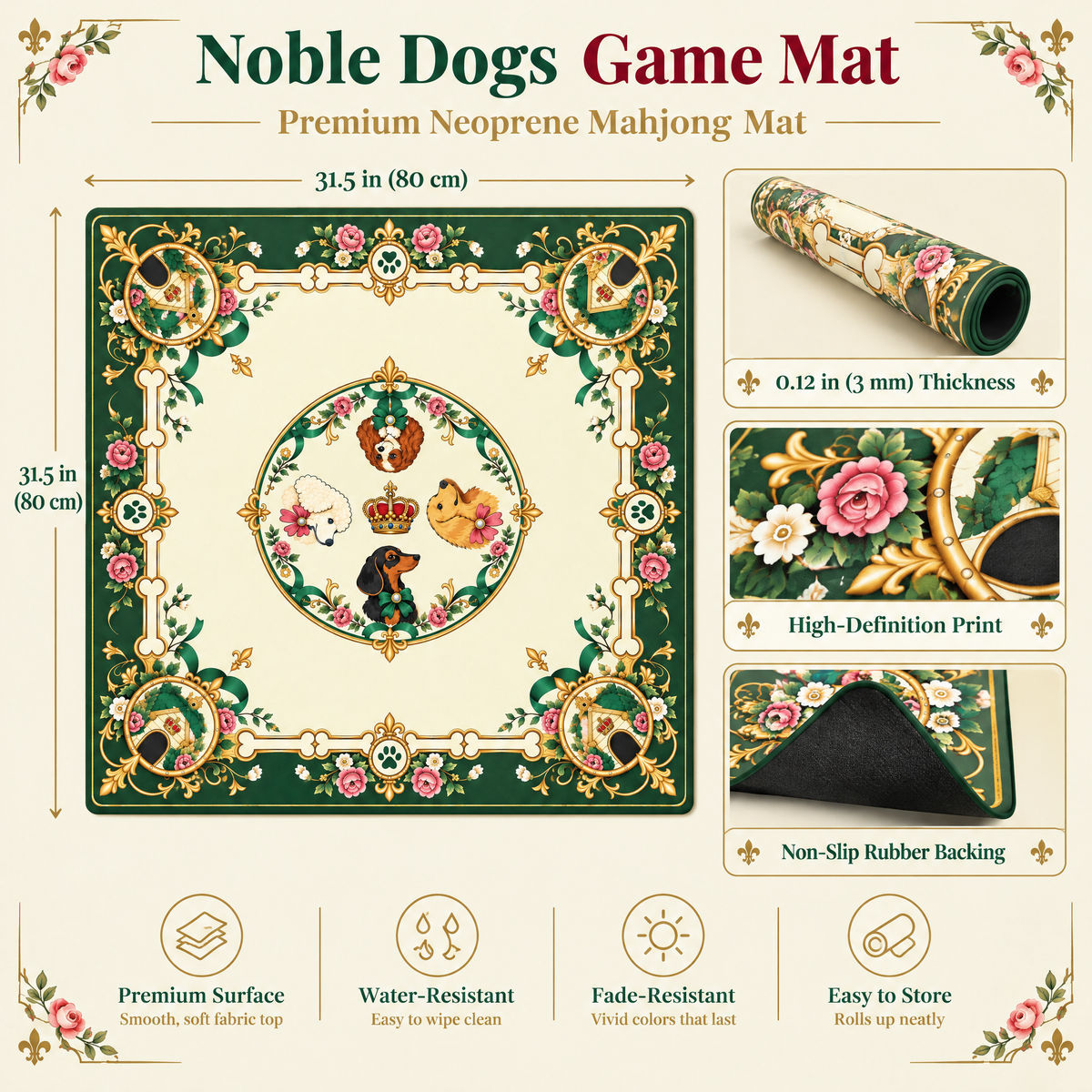
Seattle hosts mahjong across community centers, public libraries, synagogues, country clubs, and private homes—check your local parks department website, library event calendar, and community boards (Meetup, Nextdoor) for open games and lessons. A standard American mahjong party seats four players, runs 1–3 hours per game, and uses 152 tiles drawn from the best-selling mahjong sets, a mat, racks with pushers, and the current year's National Mah Jongg League card. Host costs depend on your setup: experienced hosts use engraved acrylic sets (durable, fast tile flow), padded mats to protect furniture, and racks to make walls steady—avoiding cramped hands, tile jams, and injuries. Most Seattle groups meet weekly, rotate hosts, and share supplies; new hosts often buy one quality set and mat, then invite friends. Start small (four players, three games, snacks and scorecards), test your pace, then scale.
Seattle's mahjong scene thrives because the Pacific Northwest has a long history of game nights, cultural diversity, and a love of gathering indoors through gray winters. Hosting a successful party here means understanding how to find community, set up your space, invite the right mix of players, and equip yourself with gear that actually works at the table.
Where do Seattle mahjong players actually gather?
Seattle's public library branches—especially downtown and neighborhood branches—often host mahjong open play or lessons on weekday afternoons; call ahead to confirm schedules. Community centers in neighborhoods like Wallingford, Green Lake, and Beacon Hill advertise mahjong in their program calendars, sometimes as drop-in or league play. Country clubs and Jewish community centers in the Seattle metro area (from Mercer Island to Shoreline) often run weekly mahjong groups; membership or guest fees apply. Private homes in established neighborhoods host regular rotations: the key is finding one active game and asking to join—players trade hosting duties. Search your city or neighborhood on Meetup, check Nextdoor bulletin boards, and ask local Asian cultural organizations; Seattle's Chinese, Vietnamese, and Korean communities maintain strong mahjong networks.

What's the minimum gear you need to host?
A complete American mahjong party requires four players, one acrylic 160-tile set (152 tiles for play, spares for lost pieces), one padded mat (32"–36" long to protect your table), four racks with pushers (keeps tiles organized and walls steady), one National Mah Jongg League card (issued each spring, defines valid hands), and score sheets. The mat prevents tiles from sliding, scratching wood, and creates a boundary—crucial for Seattle's rainy season when moisture matters. Racks with pushers let players sit back, see their own tiles clearly, and move tiles smoothly without fumbling or knocking pieces over; this is table-tested wisdom, not luxury. We recommend starting with a matched set from our best-selling collection and adding a padded mat; once you host twice, you'll know if you want engraved sets or travel cases.
🀄 Shop best-selling mahjong sets →
How do you structure the evening so no one gets bored or confused?
Set a clear start time (6:30 p.m. works for weeknight Seattle gatherings) and plan for arrival 15 minutes early. Expect 45 minutes to explain rules if any player is new; use mahjong for beginners as a reference. Each game takes 20–40 minutes depending on pace; host three games (two hours total play), then pivot to snacks or a second set of three. Rotate who deals first each game (East, South, West, North positions matter for scoring). Score openly on a large sheet so everyone tracks the leader. If players vary in skill, pair experienced and new players as East and South (the paid positions)—new players often lose early rounds and learn faster. Snacks between games matter: credit card-sized munchies (nuts, crackers, dried fruit) that don't stick to tiles; reserve beverages to a side table away from the mat.
🎁 See our most-loved mahjong sets & accessories →
What setup mistakes do first-time Seattle hosts make?
Hosting a mahjong party teaches you fast. Common mistakes: buying tiles without a mat, then watching acrylic rattle and slide on a wood table (ruins the pace and unnerves new players). Using racks that are too short or tilted, so tiles lean or fall when someone stands to stretch. Forgetting to print the league card or having only one copy for four players (card-sharing wastes 10 minutes per game). Not testing the Charleston (the tile-passing ritual before play begins) with a practice round; Seattle's quiet living rooms need smooth, familiar motion, not confusion. Seating players with their backs to a wall, so they can't see neighbors' walls clearly—use a mat with clear edges and position players so lines of sight work. Leaving tiles in a cardboard box instead of a case; spares scatter, tiles get lost or mixed with the mat, and the next party becomes a hunt for complete sets.
Which gear works best for Seattle's climate and typical spaces?
Seattle homes tend toward small dining tables, tight living rooms, and varying light. A mat made with padded cloth keeps your table dry and creates consistent tile friction year-round; humidity doesn't warp cloth mats the way it stains bare wood. Racks with pushers in acrylic or bone handle Pacific Northwest moisture without swelling. Engraved acrylic sets are our choice here because painted tiles can stick in damp air, slowing play. For storage, a travel bag or case with a shoulder strap means you can host at a friend's place, then move your gear without struggling—this is how Seattle's rotating host model stays alive. If you're planning to host monthly, a mat and racks are investments that pay back in one season.
Setup item | Why it matters in Seattle | Host-tested note |
Padded mat (32"–36") | Protects wood, keeps tiles steady in humidity | Order early; mat takes 1–2 weeks |
Racks with pushers | Prevents tiles from rolling; crucial in small spaces | Pick a height that matches your table |
Acrylic 160-tile set | Durable, fast tile action, doesn't stick in damp | Spares mean you never cancel a game |
Travel case or bag | Lets you rotate hosts without losing gear | Pack with tiles inside to avoid jostling |
League card (spring 2026 edition) | Defines all 88 valid hands for American mahjong | Print a copy and laminate for water safety |
What to check before you buy
Confirm your table height matches your racks; if racks sit too low, players lean awkwardly and tiles jam. Measure your table length—a 32" mat fits tight on a 36" table; leave 2" on each end. Verify the league card you're buying is the current year (2026); last year's card makes hands invalid mid-game. If inviting new players, budget for a printed beginner's guide or how to play American mahjong handout. Check whether your acrylic set includes 8 jokers; jokers are non-negotiable in American mahjong. Test your mat on your actual table before a party—a tight fit is fine, but a sliding mat kills the mood.
✨ Find your Mahstead set — free US shipping →

FAQ
Can I host mahjong with fewer than four players?
American mahjong is designed for four players; the tiles, positions, and scoring rely on four walls. If you're committed to two or three players, 2 and 3 player mahjong rules exist and are played in some circles, but most Seattle hosts stick to four.
What's the difference between American and Chinese mahjong for a Seattle party?
American mahjong uses the league card (88 set hand patterns, no chows), 152 tiles, and jokers extensively. Chinese mahjong allows sequences (chows), has no league card, and uses far fewer jokers. American is easier for mixed-skill groups; clarify which version before inviting.
How much does it cost to start hosting?
A quality acrylic set, mat, racks, and a league card cost varies—see current price on product pages. Most Seattle hosts spend their budget once and host for years; it's a shared investment if you rotate venues.
Where do I buy the current year's National Mah Jongg League card in Seattle?
Order online (the league publishes annually each spring). Some local libraries and cultural centers stock printed copies; call ahead. Laminate it to survive a season of spills.
Do I need pushers if I already have racks?
Pushers let players move tiles one-handed without lifting them, keeping hands organized and walls intact. In tight Seattle spaces, they're not optional—they prevent chaos and keep pace smooth.


View More
View More
View More
