
Mahjong Open Play in Honolulu: Where to Join & How to Get Started
Last updated: Nov 23, 2026
Open mahjong play in Honolulu happens at community centers, libraries, senior centers, country clubs, and through informal meetup groups—search Meetup.com and neighborhood Facebook groups for current weekly sessions. Most games follow American mahjong rules, play with a standard 152-tile set plus 8 jokers, and last 1–2 hours per round. Players bring their own sets or share house sets; tables run year-round with sessions ranging from beginner-friendly to competitive. No membership is typically required for casual drop-in play, though some clubs charge a small fee per session or ask newcomers to contribute to the pot. Before attending, learn the fundamentals and familiarize yourself with the current National Mah Jongg League card—locals expect basic rule knowledge.
Where do Honolulu players gather for open mahjong?
Community centers, public libraries, and senior centers post open play schedules on their websites and bulletin boards—call ahead to confirm times. Country clubs sometimes host members-only games but may welcome visitors if you know a member. Facebook groups and Meetup.com are the fastest way to find active players; search "mahjong Honolulu," "mahjong Oahu," or neighborhood names. Word-of-mouth is powerful—once you join one group, regulars often know about other weekly tables. Check synagogues and religious community centers too; they frequently host open games on weeknights.

What's the typical skill level at Honolulu open play tables?
Honolulu has tables for every level: absolute beginners, intermediate learners, and seasoned competitive players who chase every hand on the card. Ask the organizer before you show up—a beginner session feels nothing like a speed table where hands resolve in minutes. Most drop-in venues mix levels, meaning you'll sit with a mix of players; seasoned players usually help newcomers and don't mind explaining. Some groups run separate beginner nights with patience and teaching built in. If you're nervous, arrive early, watch one round, and ask the host where you'd fit best.
Do I need my own mahjong set to play in Honolulu?
Most venues provide house sets for casual play, so you don't need to bring your own. However, having a personal best-selling mahjong set means you know your tiles intimately and can practice at home before game night. House sets vary in tile size, weight, and condition—some feel sluggish or have loose jokers that rattle. Regular players often prefer carrying their own because game flow feels smoother. If you attend weekly, a quality set you trust pays dividends in hand-building speed and confidence. Many Honolulu players keep a backup set in their car for spontaneous games or to lend a friend.
🀄 Shop best-selling mahjong sets →
What should I bring to my first open play session?
Bring a notepad to track scores, cash for any session fee or pot contribution (usually modest), and water or a beverage. Wear comfortable clothes—you'll sit for 1–2 hours and handle tiles. If you own a mahjong set with a carrying case, bring it; if not, know the venue provides tables and equipment. Arrive 10–15 minutes early so you can introduce yourself and watch a sample hand. Most importantly, bring the current year's National Mah Jongg League card—download it free online or print a copy. Regulars keep a copy at the table so newcomers can reference it throughout the game.
How is American mahjong different from what other Hawaii or Asian communities play?
American mahjong is unique: it uses exactly 152 tiles, jokers are wild (never count as a single tile), and hands come only from the current year's card—no hands from memory. Chinese and Hong Kong mahjong allow sequences (chows), which American does not; those games also use a different tile count and scoring system. Riichi mahjong, popular in Japan, has entirely different hands and wind-based scoring. Vietnamese and Taiwanese variants exist too. Honolulu's open tables are almost exclusively American; if you want to play variants, ask the organizer in advance. Most newcomers find American rules simpler to learn because the card removes guesswork—you match tiles to printed patterns.

What's the typical flow of an American mahjong game in Honolulu?
Four players sit around a table; one is East (dealer) and rotates each game. The dealer draws 14 tiles, others draw 13; everyone passes tiles to the right in a ritual called the Charleston. After the Charleston, players discard and draw in turn, trying to build hands that match the card. When someone completes a winning hand, they call "mahjong," and scores settle. Games last 15–20 minutes; a session might run 4–6 games over 90 minutes. Understanding the Charleston before you arrive makes your first table much smoother.
Setting | Typical Cost | Session Length | Vibe |
Community center drop-in | Free–small fee | 1.5–2 hours | Casual, mixed ages |
Senior center | Free or small fee | 2–3 hours | Friendly, patient, experienced |
Country club members' game | Member + guest fee or pot split | 2 hours | Competitive, faster pace |
Informal home group | Pot split or free | 2–4 hours | Social, relaxed, flexible |
🎁 See our most-loved mahjong sets & accessories →
How do I prepare if I'm a complete beginner?
Read mahjong for beginners to grasp the object, tile names, and basic hand-building. Download and study what's in an American mahjong set so you recognize all 152 tiles. Learn how the Charleston works—that ritual stumps newcomers more than any rule. Watch a free online tutorial or ask a local player for a practice game before your first open session. Most Honolulu regulars are welcoming to true beginners if you show genuine effort to learn beforehand. Arrive early, observe quietly, ask questions between hands, and don't stress about winning your first night.
✨ Find your Mahstead set — free US shipping →
What equipment makes open play smoother?
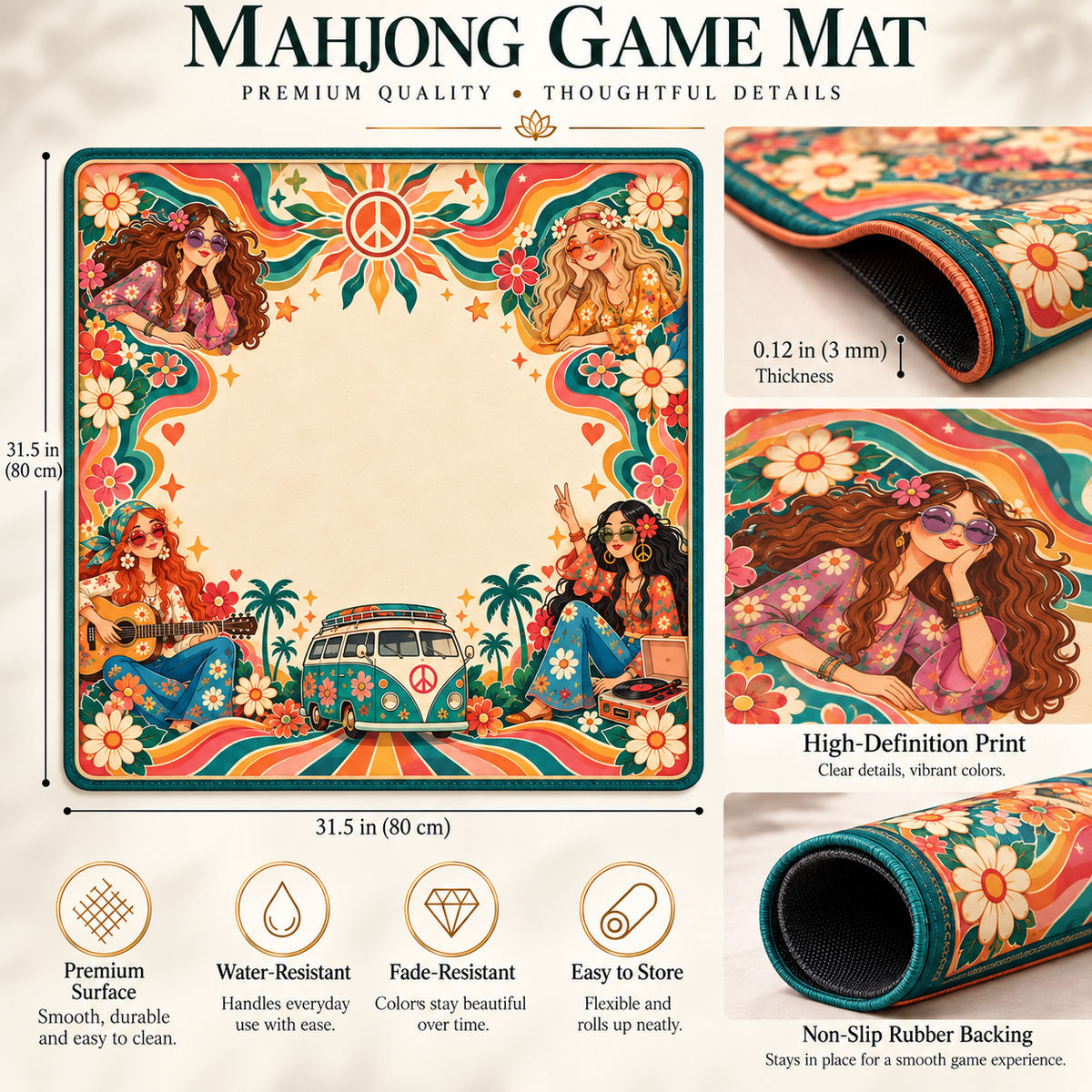
A quality mahjong mat protects tiles and defines each player's zone—if you're hosting or attending regularly, a mat feels more professional than a bare table. Racks with pushers help organize your hand and speed up play so games flow faster; experienced players almost always use them. A carrying case or travel bag keeps your set safe between games and earns respect at the table. Dice (usually included in sets) randomize seating. None of this is required—house sets and bare tables work—but regulars quickly spot quality gear and appreciate players who invest in the game.
What to check before you buy your first set
Know your space: measure your table or practice area (most sets need 24–30 inches width per player).
Choose tile size: standard acrylic tiles fit most hands comfortably; verify the set is 160 tiles (152 playing + spares).
Plan portability: if you'll carry it weekly, a case or bag is non-negotiable.
Match your play style: beginner-friendly sets prioritize clarity; competitive players value weight and feel.
Check the tile clarity: avoid sets where numbers blur; the National Mah Jongg League card changes yearly, so print legibility matters.

FAQ
How often do open mahjong groups meet in Honolulu?
Most venues run weekly sessions, some twice weekly. Community centers and libraries publish calendars online; call ahead because schedules shift seasonally. Meetup.com groups post exact dates and times in their event descriptions.
Can I play if I've never played mahjong before?
Yes—many Honolulu groups have beginner sessions or welcome newcomers to mixed tables if you've studied the basics. Show up early, watch one round, and ask the host to pair you with patient players.
Do I have to play for money?
No. Many casual groups play for fun or small pots (typically a few dollars per game). Ask the organizer in advance; drop-in venues let you choose whether to participate financially.
What's the minimum and maximum number of players?
American mahjong is played with exactly four players per table. If three or fewer show up, some groups pause or play a 2–3 player variant, but it's less common in Honolulu.
How do I know which hand to play for on my first night?
Bring a copy of the current National Mah Jongg League card and read it aloud with experienced players. Most regulars point beginners toward simple patterns (like all of one suit) and discourage risky calls early on.
Is American mahjong the only version played in Honolulu?
Almost entirely. If you're interested in Chinese, Vietnamese, or other variants, ask your organizer; most open groups stick to American rules so everyone uses one card.
What happens if I make a rule mistake?
Regular players gently correct you; no penalty at casual tables. Learning from mistakes is normal. At competitive sessions, rules matter more, so clarify upfront if you're new.
Should I bring my own tiles or use the house set?
Either works. House sets are standard at drop-in venues. Bringing your own shows commitment and lets you practice at home—it's optional unless you're playing weekly.


View More
View More
View More
