
Mahjong Lessons in Charlottesville: Where to Learn & What You'll Need
Last updated: Nov 23, 2026
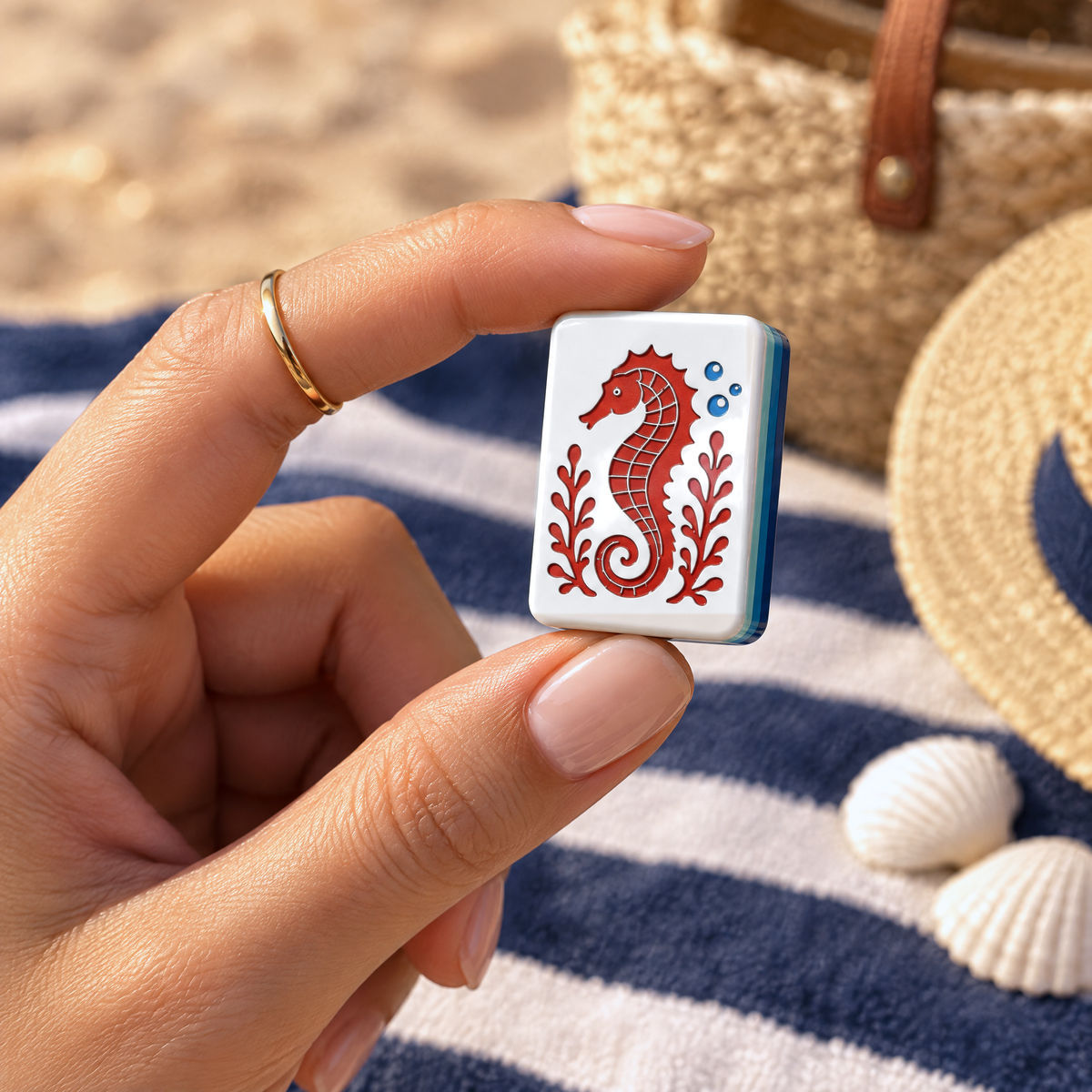
Charlottesville learners can find mahjong instruction through community centers, libraries, synagogues, country clubs, and online platforms like Meetup. Most beginner lessons run 4–8 weeks and cover the National Mah Jongg League card, tile recognition, the Charleston passing ritual, and basic hand patterns. Group classes typically meet weekly; one-on-one coaching lets you move faster. Before your first session, you'll want a 160-tile acrylic set so you can practice at home—sets from our best-selling collection are durable enough for weekly play and travel. Costs vary by instructor and format; ask your chosen venue for current rates. Start by searching community boards, calling local recreation departments, or asking at bridge clubs and senior centers—many run mahjong groups or have member referrals.
Where do Charlottesville players actually find mahjong lessons?
Community centers and recreation departments often host beginner classes during fall and winter; call ahead—schedules vary yearly. Libraries sometimes sponsor game nights or link to local instructors. Synagogues and country clubs in the area frequently run weekly games and welcome newcomers to observe or join as observers first. Meetup and Facebook groups connect players seeking group lessons or practice partners. Ask at bridge clubs too—many bridge players cross over and know active mahjong hosts. Starting as an observer at a casual game is free and realistic; you'll see live play before committing to a paid class.

What does a typical mahjong lesson cover in the first month?
A solid first month teaches tile anatomy (suits, winds, dragons, flowers, jokers), how to read the current year's National Mah Jongg League card, the Charleston (the tile-passing opening), and how to build and expose basic melds (pungs, kongs). Instructors walk you through hand examples from the card, show you how jokers work in American mahjong, and explain why sequences (chows) don't exist in the American version. You'll practice recognizing patterns, sorting your rack, and calling tiles aloud. Most classes include a glossary and the card itself; bring a notebook and ask questions—mahjong terminology is dense but learnable in context.
Should you buy a set before or after your first lesson?
Buy after your first session or during it if the instructor recommends a specific type. Attending one class as an observer lets you see which tile size feels comfortable (larger tiles suit players with vision or dexterity concerns), whether you prefer acrylic or bamboo (acrylic is lighter and travel-friendly), and if you want a mat, rack with pushers, or carrying bag. Once you know your style, investing in a 160-tile acrylic set with a carrying case means you can practice at home and attend weekly games without borrowing. Acrylic sets are durable enough for decades of casual play and ship free across the US.
🀄 Shop best-selling mahjong sets →

What's the fastest way to go from beginner to playing a full game?
Attend lessons weekly for 6–8 weeks, then join a casual game night immediately—play before you feel "ready" is the real shortcut. Practice the Charleston and hand-reading at home between classes using your own set. Watch instructional videos on specific topics (the card, joker placement, tile recognition) to reinforce what you learned in class. Talk to your instructor about when they host open play or can connect you to beginner-friendly games. Most hosts expect some mistakes in your first five games; players are patient. The gap between "I understand the rules" and "I play smoothly" closes fastest with real opponents.
How do self-study and online resources work alongside in-person lessons?
Self-study doesn't replace a live instructor, but it accelerates learning between lessons. Read the mahjong for beginners guide at your own pace, watch YouTube videos on tile sorting and the card, and practice hand recognition using printed or digital card images. Call your instructor or a mentor when you get stuck—don't reinforce wrong habits alone. Online forums and Facebook groups let you ask specific questions ("Is this hand valid?") and see how other beginners struggle with the same spots. A combination of weekly lessons + weekly self-study + monthly casual play creates real progress in 10–12 weeks.
A realistic learning timeline and checklist
Stage | Duration | Action | Outcome |
Explore | 1–2 weeks | Attend open play as observer; watch one class | Know if mahjong fits your style |
Core lessons | 6–8 weeks | Weekly 2-hour class + home practice 30 min/day | Understand tiles, card, melds, Charleston |
Integrated play | 4–6 weeks | Attend casual games + lessons; self-study card sections | Play a full game with help; fewer rule questions |
Independent | 12+ weeks | Weekly games; occasional class review; mentor check-ins | Play confidently; call hands without hesitation |
🎁 See our most-loved mahjong sets & accessories →
What to check before you buy your first set
Tile size and weight. Hold someone else's acrylic tiles before buying—they're heavier than plastic but lighter than bamboo. Larger tiles (about ¾ inch) suit readers over 55 or anyone with vision concerns. Standard tiles are fine for younger players with good light.
Carrying solution. If you'll attend games at different homes, buy a set with a travel bag or case. A cloth bag protects tiles during transport; a hard case adds weight but prevents damage.
Acrylic over alternatives. Acrylic is durable, affordable, and ships free with no fragile-goods surcharges. Bamboo is heavier and pricier; plastic wears out faster.
Card and documentation. Confirm your set includes the current year's National Mah Jongg League card (issued each spring). Some sets don't; you'll need to buy or print it separately.
Spare jokers and blanks. A 160-tile set includes spare tiles beyond the 152 used in play—useful if you lose one or want to lend a set to a friend.
✨ Find your Mahstead set — free US shipping →
Learning materials and resources beyond lessons
After your first lesson, build a home study kit: print or bookmark the current National Mah Jongg League card, save a tile-anatomy reference (which suit is which), and bookmark a how-to-read-the-card guide. YouTube channels by experienced instructors often break down hand patterns; search "American mahjong beginner." Facebook groups like regional mahjong networks let you ask peers in real time. Most instructors share a glossary or vocabulary sheet; keep it in your set bag. Set up a home practice space with good lighting and a mat—it protects tiles and helps your brain associate the layout with the game. The faster you internalize tile shapes and suit colors, the faster you'll read a hand in real play.
Why a home set matters for learning
Playing alone or with one friend at home, you reinforce tile recognition, hand shapes, and card patterns without the pressure of a full four-player game. You spot errors before a game night and build muscle memory for sorting your rack and calling out tiles. Having your own set also means you can attend games without worrying about unfamiliar tile sizes or wearing someone else's equipment. Once you're comfortable, bring your set to lessons and casual games—instructors often appreciate it because your set becomes consistent for you.

FAQ
Do I need to know any mahjong before signing up for a Charlottesville class?
No. Beginner classes assume zero knowledge and teach tile anatomy, the card, and rules from scratch. Show up curious and ready to ask questions. Most instructors expect you to feel lost the first week—that's normal.
How much does a typical beginner mahjong lesson cost in Charlottesville?
Costs vary by instructor and format. Community center classes are usually lower than private coaching. Contact your chosen venue or instructor directly for current rates; we don't track pricing outside our own products.
Can I play American mahjong after just one lesson?
Not confidently. One lesson covers basics; most players need 4–6 weeks of lessons plus several casual games before they play smoothly without frequent rule checks. Expect to ask questions during your first 10 games.
What's the difference between American and Chinese mahjong, and which should I learn in Charlottesville?
American mahjong uses the National Mah Jongg League card, no sequences (chows), and jokers in exposed melds. Chinese mahjong uses sequences and different scoring. Charlottesville classes teach American. Ask your instructor if they offer Chinese as a separate course.
Should I buy a mat and rack before my first lesson?
Not before. Attend one class, then decide. A mat protects tiles and helps you learn to sort your rack neatly. A rack with pushers is optional but useful once you've held tiles and want to reduce hand strain. Start with just a set, then add gear based on what you see other players use.
Can I learn mahjong from YouTube and books instead of a class?
Partly, but a live instructor catches mistakes and answers your specific questions in real time. Self-study is great for reinforcement between lessons but slow as your only source. Combine a class with home practice for best results.


View More
View More
View More
