
Mahjong Party Ideas in San Antonio: Games, Setup & Where to Play
Last updated: Nov 23, 2026
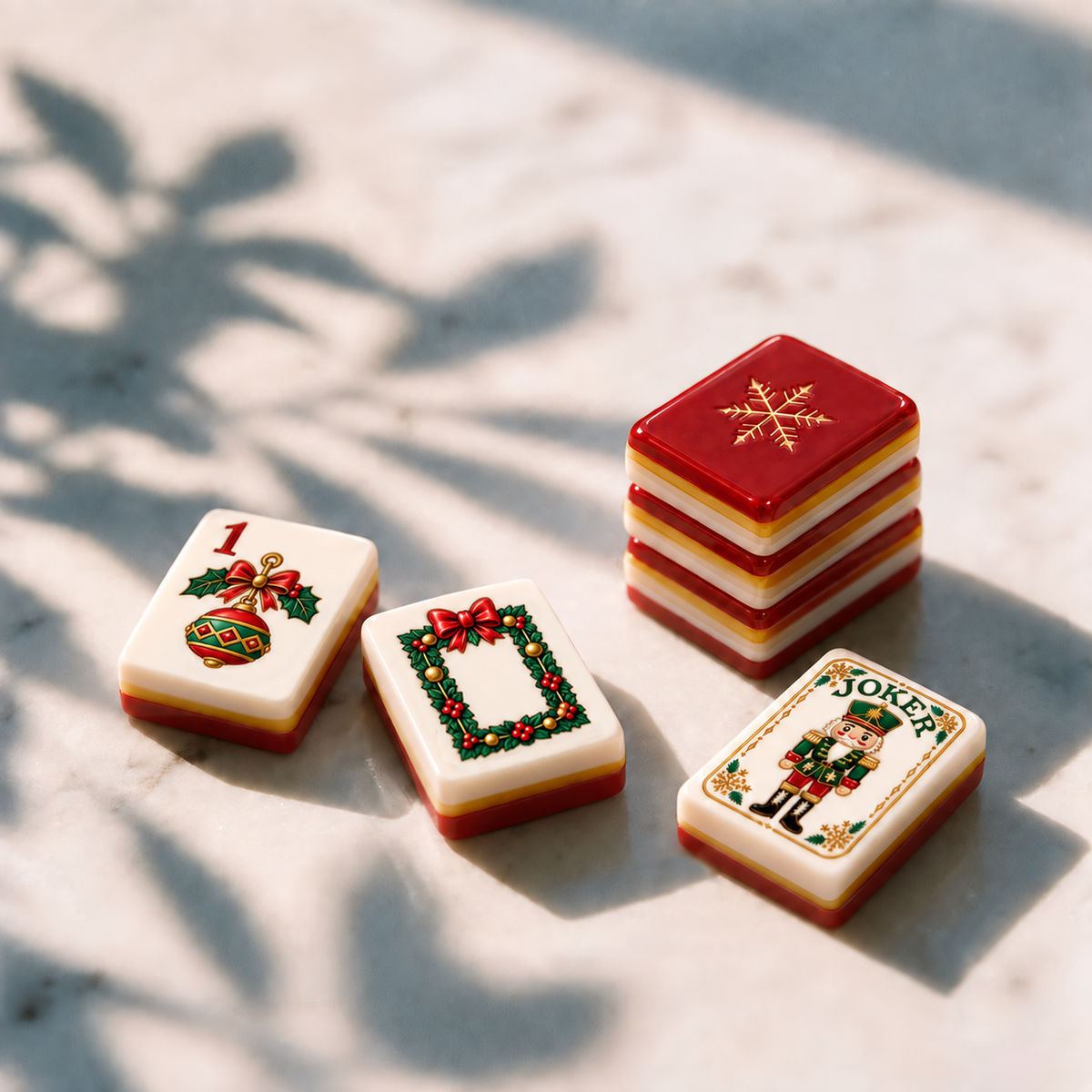
San Antonio mahjong parties thrive in backyards, patios, community centers and living rooms year-round. A standard game seats four players around a table with a mat, one 160-tile acrylic set, the current-year National Mah Jongg League card, score sheet and refreshments. Plan 2–4 hours for a casual session; 4–6 for a tournament-style gathering. Beginners need instruction time (the Charleston tile-passing ritual alone takes 10 minutes) plus two practice hands. Experienced players jump straight in. No entry fee is standard for home games; scoring keeps track of winners. The biggest mistake: underestimating setup—missing a mat, broken jokers or an outdated card derails the flow. Mahstead's best-selling mahjong sets include everything needed except the card and snacks. 🀄 Shop best-selling mahjong sets →
What tile set works best for a party?
Acrylic American mahjong sets last through dozens of parties without chipping or fading. You need exactly 152 playing tiles plus 8 jokers; a 160-tile set includes spares for replacements. Heavier sets (acrylic or bamboo with wood racks) feel premium and stay put on the mat during fast play. Plastic sets are lighter and cheaper but tiles crack under repeated shuffles. For a San Antonio party where humidity is high, avoid bone-and-bamboo sets unless you store them in sealed containers between games—moisture warps them. Engraved sets with hosts' names or funny titles become conversation starters and turn casual games into events people remember. Pick a design that matches your group's vibe: classic, playful or custom.
✨ Find your Mahstead set — free US shipping →

Should you use a mat, and which one?
A mat is non-negotiable. It defines the play area, silences tile noise, prevents scratches to your table and keeps tiles from sliding during shuffles. The mat also marks the discard row so players know what everyone has discarded. For San Antonio indoor-outdoor living, a machine-washable mat works well if guests track patio dust inside. Rubber-backed mats grip wood tables securely and won't slip when someone leans forward. For a permanent home setup, a felt mat is quieter and lasts years. For travel to community centers or friends' houses, a compact rolled mat saves space. Learn which mat fits your space and style before buying; measure your table (most mats fit 36–42-inch surfaces). A mat isn't optional—it's the difference between a messy pile and a real game.
How many players, and what if you don't have four?
Standard American mahjong is a four-player game. Four players take turns being East (dealer), and the game rotates. If you have fewer than four, 2 and 3-player variants exist but they change hand patterns, wall draws and scoring—beginners find them confusing. For a San Antonio party with mixed skill levels, seat four experienced players at one table and run a learner table with a patient coach, then rotate after a set. If you have six to eight guests, run two simultaneous games or split into a round-robin tournament where players rotate tables every four hands. Never force three people to play the standard four-player game; it breaks the scoring logic. Keep backup tiles on hand (your 160-tile set has spares) in case someone wants to join mid-party.
What's the ideal party format: casual, tournament or mixers?
Casual session: Four regulars, 2–3 hours, focus on fun and snacks. No scoring pressure, hands play out until someone wins or everyone passes. Best for relaxed weekends or after-work gatherings.
Tournament night: Score each hand, keep running totals, declare a winner at the end. Adds stakes and urgency. Rotate players between tables if you have eight or more people so everyone plays with different partners. Takes 4–5 hours with a break.
Mixer party: Host a themed night—Christmas mahjong night, summer rooftop party, newcomer welcome—where players stay loosely organized but the event itself is the draw. Combine mahjong with potluck, cocktails or dessert. Best for community building in San Antonio's social scene.
Format | Duration | Group size | Skill mix | Energy | Best for |
Casual | 2–3 hrs | 4–8 | Mixed | Low-medium | Friends, family |
Tournament | 4–5 hrs | 8–16 | Similar | High | Regulars, friendly competition |
Mixer | 3–4 hrs | 6–20 | Mixed | Medium | Newcomers, community, themes |
Demo event | 1–2 hrs | 6–12 | Beginners | Low | Introduction, learning |

Where do San Antonio hosts find players and venues?
Finding players: Check community centers (Parks & Recreation runs classes and open-play times), libraries (many host game nights), synagogues and country clubs (many have longtime mahjong groups that welcome newcomers), and neighborhood social boards like Meetup or Nextdoor. Ask in local Facebook groups for San Antonio hobbies or game nights. Word-of-mouth spreads fastest; host one good party and invitations follow. Finding venues: Your home or a friend's is easiest (climate control, familiar setup, no time limit). Libraries often provide free space if you book ahead. Community centers charge a small room rental. Parks with covered pavilions work for outdoor gatherings in cooler months (October–April; July–September is brutal for tile shuffling in heat). Search "San Antonio community centers" or "San Antonio parks" online for address and booking links. Call ahead to confirm tile-friendly tables (smooth, level surfaces) and electrical outlet access if you want background music.
What do you actually need to host?
Essential:
One 160-tile acrylic set (includes 152 playing tiles + 8 jokers plus spares)
Current-year National Mah Jongg League card (updated every spring; check online for the latest)
Mahjong mat (prevents noise and scratches)
Table (smooth, level, 36–42 inches wide minimum)
Racks with pushers (four of them; optional but keeps hands organized and speeds play)
Score sheet and pen
Refreshments (water, snacks)
Nice to have:
Dice (for determining East and draw order; included in some sets)
Timer (keeps games moving if players are slow)
Joker counting tracker (helps spot missing jokers mid-game)
Backup tiles (your 160-tile set includes spares)
Music or ambient sound (fills quiet moments)
If you're serious about hosting regularly, invest in racks with pushers—they transform the experience for new players by organizing tiles clearly and preventing accidental reveals. For travel to community venues, a bag or case keeps everything together and protected.
🎁 See our most-loved mahjong sets & accessories →
What to check before you buy
Tile count: Confirm you're getting a full 160-tile set (152 playing tiles + spares). Never assume.
Acrylic material: Acrylic is the standard for durability and noise control; verify this in the product description.
Joker condition: Count the jokers (you need exactly 8 for play). Inspect photos for cracks or chips.
Mat dimensions: Measure your table before ordering; most mats fit 36–42-inch surfaces. Check the product page for exact dimensions.
Shipping: Confirm free US shipping is included; mahjong sets are heavy and shipping costs add up.
Return policy: If tiles arrive damaged, you want to exchange them without hassle.
Spare tiles included: A 160-tile set includes extra jokers and/or blanks as spares. These never go into play—they replace damaged tiles.

FAQ
Can we play mahjong outside in San Antonio heat?
Yes, but tiles warp in direct sun and humidity above 90°F. Play under a pavilion or patio cover, keep tiles in shade between hands, and bring water to stay hydrated. October–April is ideal for outdoor mahjong in San Antonio.
How long does it take to teach a beginner to play?
Plan 20–30 minutes for rules explanation, 10 minutes for the Charleston tile-pass, then two practice hands where everyone plays openly. Full speed-play readiness usually takes three or four hands. Have the National Mah Jongg League card and a patient coach on hand.
Do I need custom-engraved tiles for a party?
No. Custom tiles make great gifts and memorable keepsakes for regulars, but a standard set works perfectly for parties. Engraved sets are a "nice touch," not a necessity.
What if a tile breaks during my party?
Your 160-tile set includes spare tiles. Swap the broken tile for a spare of the same type and keep playing. Check spares before guests arrive so you know which are available.
Can I host a mahjong tournament without scoring experience?
Yes. Use a simple scoring sheet (one per hand) and total points at the end of the night. For a competitive tournament, study American mahjong scoring basics a week before and print a reference sheet for players to reference.
Where do I find the newest National Mah Jongg League card?
The card is released every April. Search "National Mah Jongg League card 2026" online or ask your local mahjong group. Some community centers stock printed copies; others link to the PDF. You need the current year's card—older cards have different winning hands and will confuse players.


View More
View More
View More
