
Where to Learn Singapore Mahjong: A Beginner's Guide
Last updated: Nov 23, 2026
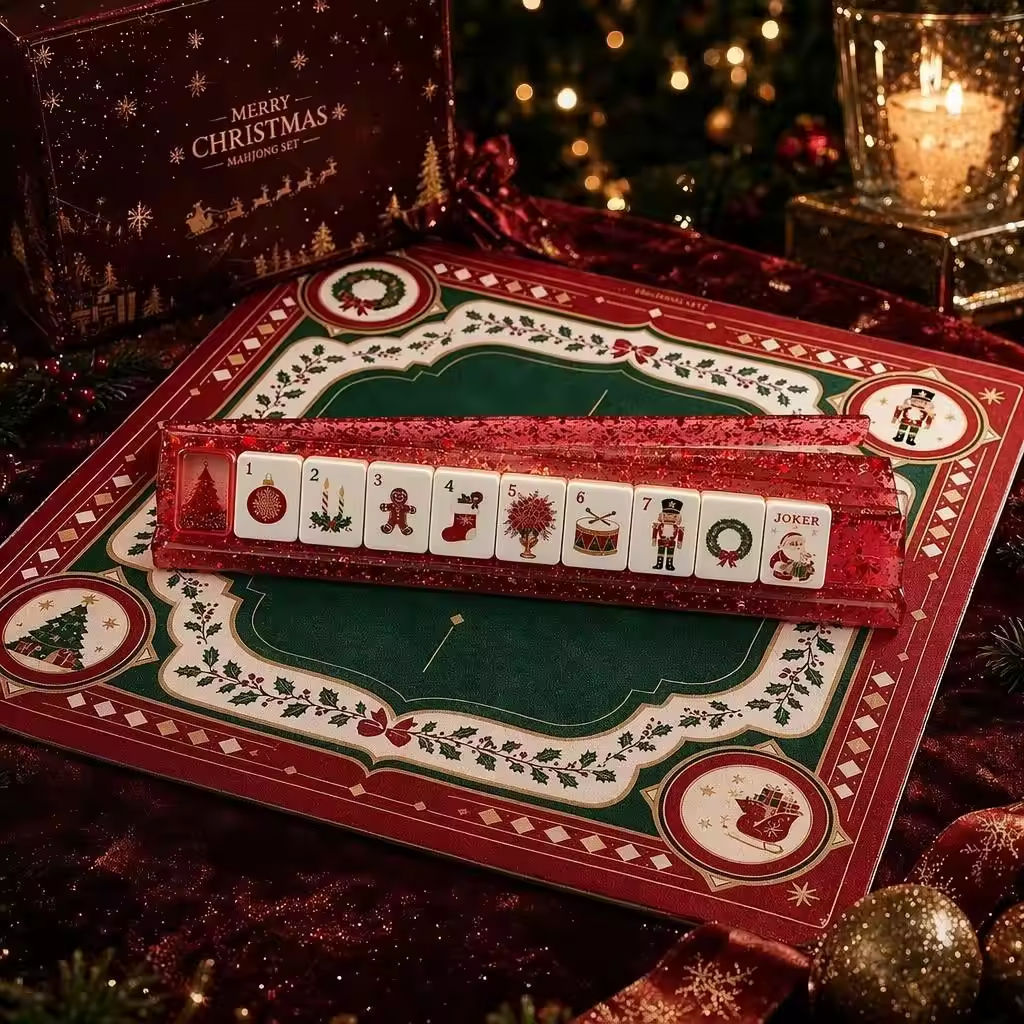
Singapore mahjong (also called "Singapore-style" or "Cantonese mahjong with Singapore rules") is played with 144 tiles—one fewer suit set than American mahjong—and uses sequences (chows), pungs, kongs, and special patterns called "limit hands." You can learn in Singapore through community centers, temples, senior clubs, and casual home games; abroad, search for Chinese cultural associations, meetup boards focused on mahjong variants, or online tutorial channels and Discord communities dedicated to Chinese mahjong. Most players learn by watching 3–4 games alongside an experienced player, then practicing weekly for 4–8 weeks before fluency. Singapore mahjong costs nothing to play (no league card required like American), though a 144-tile set and basic knowledge of hand values are essential. Avoid the common trap of mixing American hand patterns with Singapore rules—the games share tiles but have opposite logic: American disallows chows; Singapore requires them in most winning hands.
Singapore mahjong differs radically from American mahjong, and many Western players stumble trying to transplant rules. Here's how to learn it properly, find a game, and set yourself up to play confidently.
What makes Singapore mahjong different from American?
American mahjong uses 152 tiles, requires hands from an annual league card, and forbids sequences (chows)—you may only meld pungs, kongs, quints, and sextets. Singapore mahjong uses 144 tiles, has no prescribed card, and builds almost every winning hand from sequences and triplets. In Singapore play, chows are exposed and callable; American mahjong bans them entirely. American scoring is based on hand patterns on a card; Singapore scoring derives from tile combinations and whether you "self-drawn" (won from your own draw) or "claimed" (won from a discard). If you know American mahjong, unlearn the "no sequences" rule—it's the opposite in Singapore.

Where do you find Singapore mahjong players and lessons?
Singapore itself has thriving clubs in every neighborhood—visit community centers in Bukit Merah, Bedok, or Jurong, or search temple bulletin boards and community polyclinics for game postings. Outside Singapore, contact Chinese cultural associations, universities with East Asian student groups, or search Meetup.com for "mahjong" + your city (filter for variants, not American). Discord servers and Facebook groups dedicated to Chinese/Cantonese mahjong offer video tutorials and sometimes host real-money or friendly online games. Your local library may host a beginner workshop; if not, ask the librarian to connect you with community organizers. Many casual home games are open to learners—post on neighborhood chat groups offering to play and learn. Avoid assuming every mahjong group plays American rules; always confirm the variant before showing up.
How long does it take to learn Singapore mahjong?
Most people grasp basic hand construction and winning patterns in 2–3 hours of table time with a patient teacher. Fluency—recognizing melds instantly, managing discards strategically, and reading tiles in hand—typically takes 4–12 weeks of weekly or biweekly play. The hardest part isn't rules but pattern speed: experienced players spot winning hands or dangerous discards in seconds. Expect your first 3–5 games to feel slow; by game ten, you'll play at normal table pace. Online video tutorials can shorten this to a few days if you dedicate 5–10 hours to study before your first live game, but live play accelerates learning faster than video alone.
What tiles and gear do you need to start?
You'll need a standard 144-tile mahjong set (most Singapore players use bamboo, bone, or acrylic tiles, not American-sized sets). A mahjong mat protects tiles and keeps the game organized; if playing casually at home, a smooth table works fine. Many players pair a 144-tile set with racks with pushers to organize and hide their hands. Dice and a score pad are optional but helpful—dice randomize the dealing player, and a pad tracks scores across rounds. For travel or casual games, a portable bag or case lets you carry tiles safely. You do not need an official "card" like American mahjong—Singapore play is open-ended, so you study hand values and patterns instead.
Gear Type | What It Does | Essential? | Why It Matters |
144-tile set | Provides playing tiles | Yes | Singapore uses 144, not American 152. |
Racks with pushers | Organizes and hides your hand | No | Helps beginners manage tiles cleanly. |
Mahjong mat | Protects tiles and defines spaces | No | Speeds up play; keeps tiles in place. |
Dice | Randomizes dealer and draw order | No | Ensures fairness; standard in clubs. |
Score pad | Tracks points across games | No | Prevents disputes; useful for cash games. |
Portable case | Carries tiles and gear safely | No | Valuable if you play at multiple venues. |
🀄 Shop best-selling mahjong sets →

What hand patterns do you need to memorize?
Singapore mahjong recognizes dozens of winning hand types, but as a beginner you focus on five core patterns: Pung-Kong hand (three or four identical tiles in each group), Mixed sequence hand (combining honor tiles with number sequences), All simples (only tiles 2–8, no 1 or 9), Dragons (melds featuring Red, Green, or White Dragons), and Winds (melds featuring directional tiles). Most games allow "limit hands"—special combinations that win instantly at maximum value, regardless of other scoring. Study hand-value tables (free online via mahjong tutorial sites; look for "Singapore/Cantonese mahjong hand table") and play with a quick reference nearby during your first 5–10 games. Many casual games are generous about slowing down for learners, so ask players to pause while you verify a hand's legality.
How do you avoid common beginner mistakes?
Mistake 1: Confusing American and Singapore rules mid-game. Solution: play only one variant until you reach 20+ games; switching frazzles your instincts.
Mistake 2: Discarding dangerous tiles early without reading the table. In Singapore, players can call your discard to complete any meld, so watch what others are building before you throw away a Dragon or Wind.
Mistake 3: Melding too greedily. New players expose every pung and sequence; experienced players meld strategically, keeping hidden options to win faster and score higher.
Mistake 4: Forgetting the "one tile per turn" rule. You draw, then you either meld and discard or discard directly—you don't draw extra tiles after melding.
Mistake 5: Misreading tile order in your hand, leading to illegal melds. Use racks with pushers or simply arrange tiles left-to-right; one clear layout prevents illegal plays.
🎁 See our most-loved mahjong sets & accessories →
How do you transition from learning to playing in a real game?
Ask your teacher or an experienced player to sit next to you during your first 1–2 live games and explain each play aloud. Play a slow practice round (30–40 minutes) before joining a faster, stakes-based game. Bring a hand-value cheat sheet and ask for 5-second pauses if you need to verify a hand before claiming it—table players expect this from learners. After 5–6 games, stop using the cheat sheet and rely on your memory; after 15 games, most patterns are reflexive. Many Singapore clubs run beginner nights weekly; attend those instead of jumping into veteran tables. Online games (via dedicated Discord or app communities) let you practice without social pressure—try 10–15 online rounds before you play for money or bragging rights at a club.
What to check before you buy a Singapore mahjong set
Tile count: Confirm it's 144 tiles, not 152 (American) or 160. Most online retailers specify; if unsure, email the seller.
Tile size and weight: Singapore sets vary widely. Standard sizes are 26×26mm (most common) or 30×30mm (larger, easier for older hands). Hold a sample if possible.
Material: Bamboo and bone are traditional and durable; acrylic is modern, lighter, and affordable. All work equally well for learning.
Completeness: Check that all 36 Bamboos, 36 Craks, 36 Dots, 16 Winds, 12 Dragons, and 8 Flowers are included—count before your first game.
Accessibility: If you're learning in Singapore, buying locally is faster; abroad, ensure the seller ships to your region within a reasonable timeframe.
✨ Find your Mahstead set — free US shipping →
Online resources and communities
Tutorial channels: Search YouTube for "Singapore/Cantonese mahjong rules" or "144-tile mahjong tutorial"—channels like "Mahjong Cafe" and region-specific creators offer step-by-step walkthroughs. Discord communities: Several active servers host weekly friendly online games and Q&A sessions; search "mahjong Discord" and filter for non-American variants. Facebook groups: "Singapore Mahjong Enthusiasts" and similar regional groups share rules clarifications, tile recommendations, and game-session schedules. Reddit: r/Mahjong and regional subreddits have active threads on Singapore rules and local game venues. Thai and Malaysian variants: If your region plays Thai mahjong or Malaysian house rules, those are closely related to Singapore style—learning one eases the transition to the other.
Real-world example: Your first Singapore game
Before you arrive:
Watch a 20-minute YouTube tutorial on hand types and tile order.
Download a hand-value chart and screenshot it to your phone.
At the table (first 30 minutes):
Sit across from an experienced player, not next to them (so you see their discards clearly).
Ask permission to kibitz the first round without playing.
After two rounds, ask to join; play slowly and narrate each draw and discard aloud.
During play:
When you win or see a winning hand, pause and verify against your cheat sheet before claiming it.
When another player melds, ask "what tile is that?" if unclear; regulars expect this from learners.
After four games, retire the cheat sheet; your pattern recognition is now active.
After your first night:
Schedule a second game within 5–7 days (spacing prevents forgetting what you learned).
Ask players for one piece of feedback: "What should I watch for next time?"
Most learners play their second game with half the confusion of their first; by game ten, you'll sit down and play like you've been doing it for months.

FAQ
Is Singapore mahjong harder than American mahjong?
No—they're differently hard. American requires memorizing one annual card; Singapore requires knowing hand values and sequence logic. Most people find one natural and the other foreign. Pick whichever your local community plays.
Can I learn Singapore mahjong from video alone without a live teacher?
Yes, but it's slower. Video teaches rules; live play teaches speed and reading opponents. Combine 5–10 hours of video with 5–10 live games for fastest learning.
Do I need to learn Cantonese to play Singapore mahjong?
No. English-language tutorials are widely available. You may hear Cantonese terms at clubs (e.g., "pung," "kong," "chow"), but English suffices for playing.
What's the typical cost to play Singapore mahjong?
Learning is free if you join casual home games or beginner club nights. Cash games range from friendly (stakes of a few dollars per round) to high-stakes club play. Beginners should start with zero-money games and graduate to stakes only when confident.
Where can I buy a 144-tile mahjong set in North America?
Online retailers specializing in Asian games stock them; local Asian import shops also carry sets. Confirm it's 144 tiles, not 152, before checkout. Many players value custom or durable acrylic sets for long-term use.
How do I know if my local mahjong group plays Singapore rules or American rules?
Ask directly: "Do you use an official hand card?" (American does; Singapore doesn't.) "Do you play sequences (chows)?" (Singapore does; American doesn't.) If unclear, watch one round before joining.


View More
View More
View More
