
Mahjong Mat Buying Guide: How to Choose the Right Surface
Last updated: Nov 23, 2026
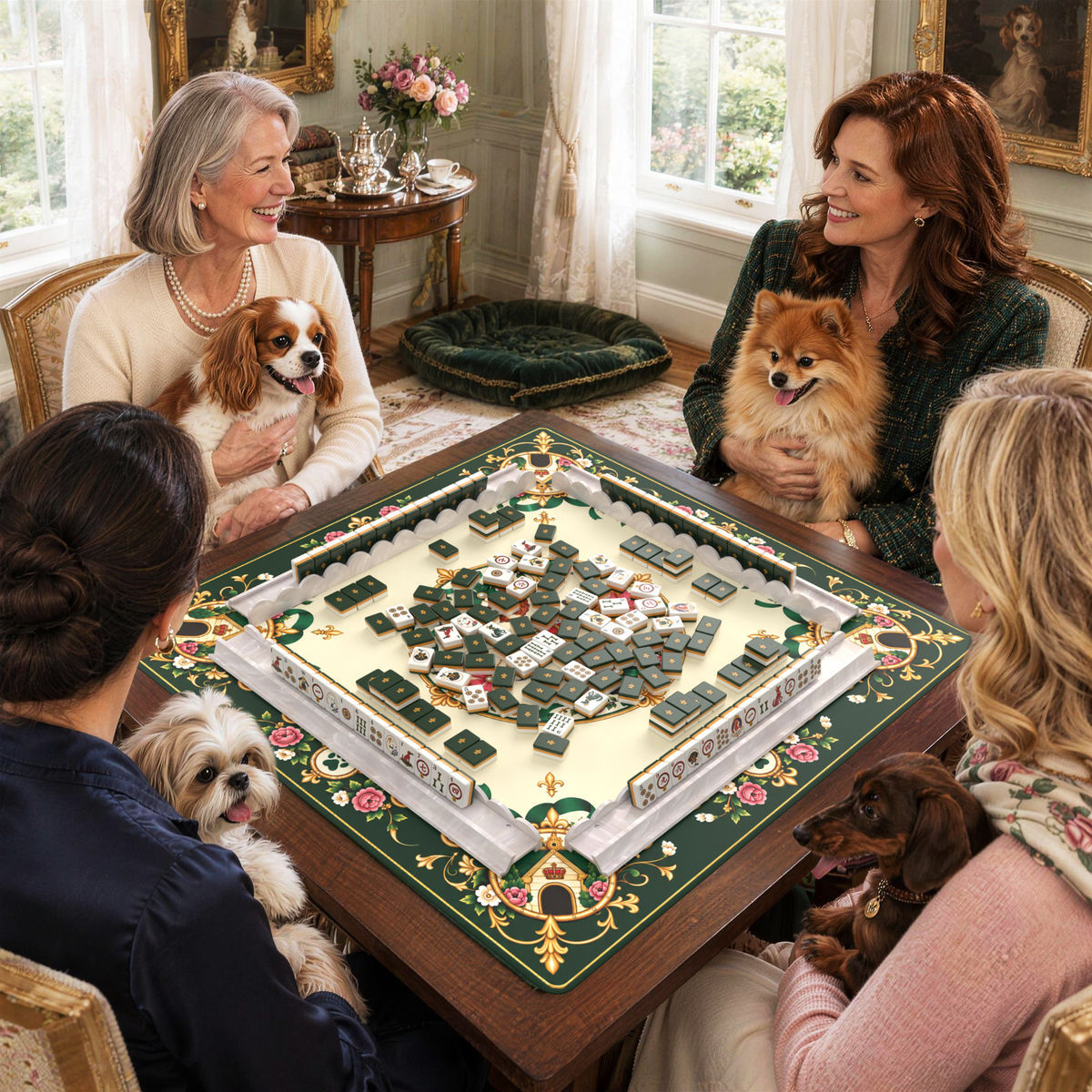
A mahjong mat is a felt or fabric playing surface, typically square (30"–36" per side), marked with dealer and player positions and scoreboard areas. Most mats sold in the US are American mahjong designs, sized to hold four players and one standard 152-tile set. Mats come in traditional neutral colors (black, green, burgundy) and novelty prints (engraved designs, humor, personalization). Price depends on size, material durability, and customization; basic mats start modest, while premium engraved or oversized versions cost more—see current prices on the product page. Buy a mat when you're hosting regularly: it signals to players this is serious play, protects your table, and speeds setup. Avoid thin polyester mats that slip or wrinkle; choose non-slip backing or a thicker felt that lasts through years of weekly games.
Do I Really Need a Mat, or Is a Tablecloth Enough?
A tablecloth covers your table. A mat defines the game. Tablecloths are cheap, washable, and work if you're just protecting wood—but they don't have position markings, dealer indicators, or dedicated scoreboard zones. A proper mat prints those guides directly, so new players find their spot instantly and the dealer button sits in the same place every game. We've hosted without mats; setup takes twice as long, tiles slide into laps, and someone always asks "whose turn?" A mat ends that chaos. If you're playing casually once a month, a tablecloth is fine. If you host weekly or run a regular game, a mat pays for itself in sanity.
What Size Mat Should I Buy?
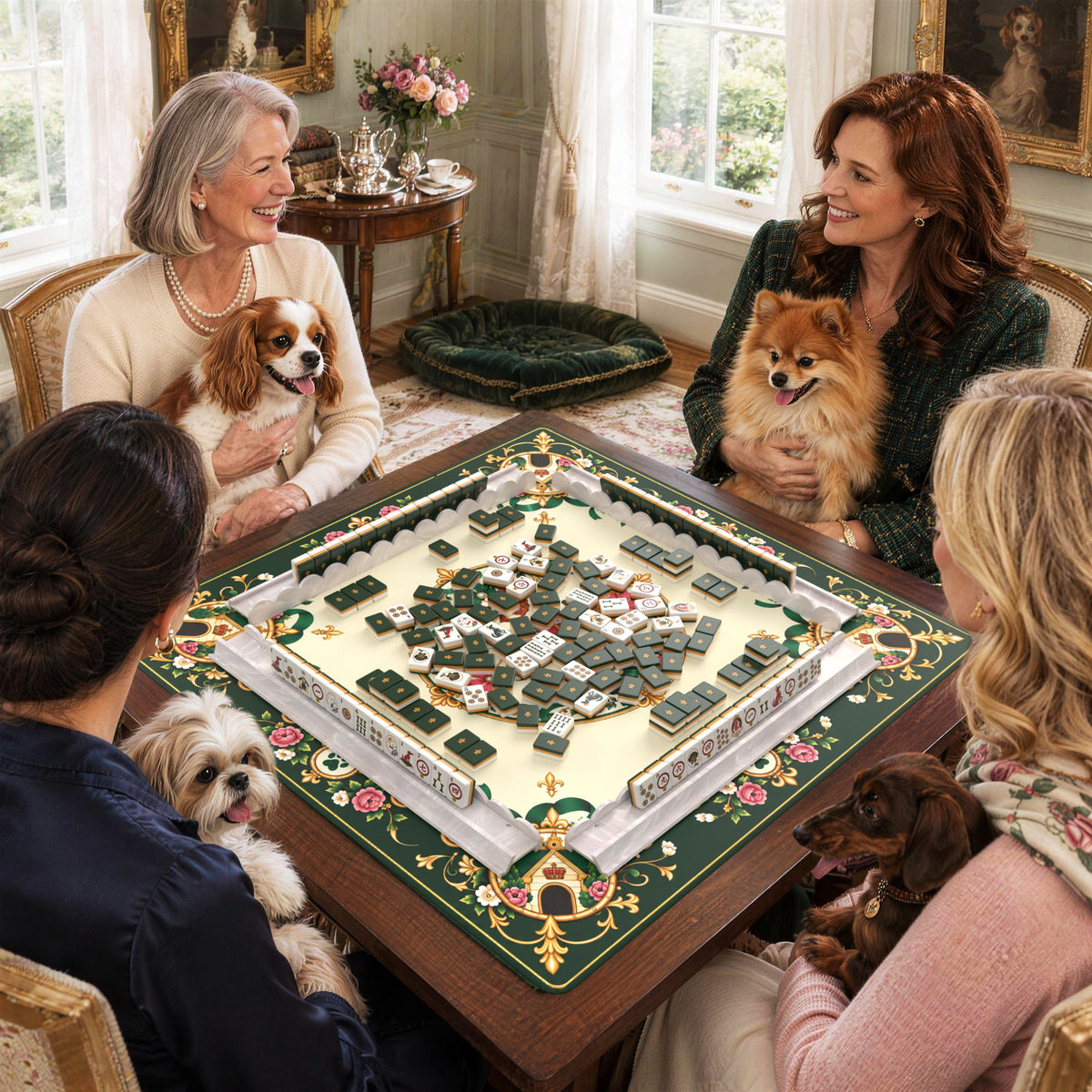
Most American mahjong mats are 32"–36" square, designed to seat four players around the edges with tile racks, pushing space, and a central scoreboard. A 32" mat fits a standard dining table and leaves 2–3 inches of clear table around it for drinks and note-pads. A 36" mat demands a larger table (at least 48" × 48") but gives players more elbow room and makes the scoreboard easier to read from all angles. We've used both: 32" works for cozy living-room games, while 36" is worth it if your table can hold it and you host often.
Measure your table width and length before ordering. The mat should leave at least 6 inches of uncovered table on all sides so players can rest their hands and set down cards. A mat sized exactly to your table edge wastes space on positioning and makes shuffling awkward.
What's the Difference Between Engraved and Plain Designs?
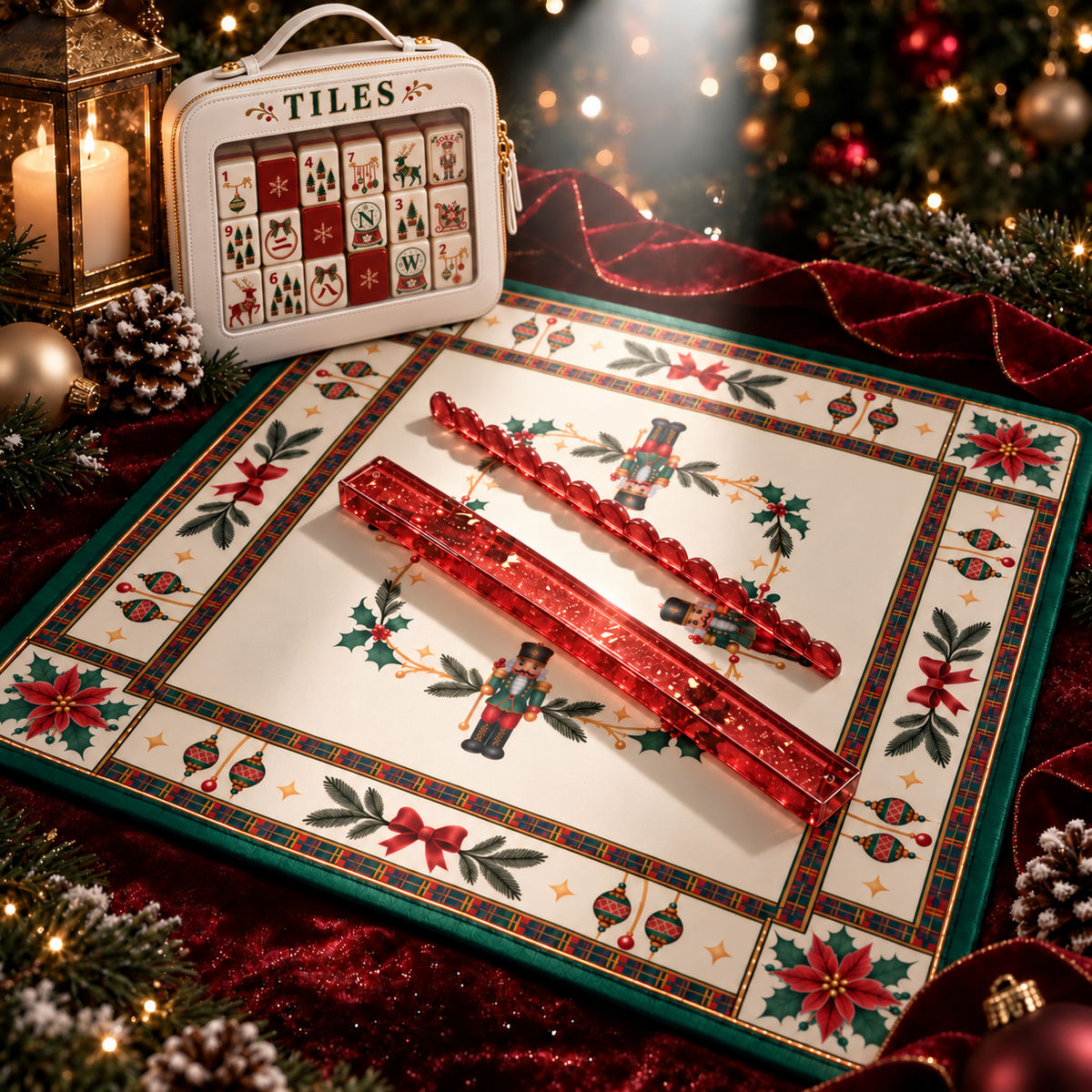
An engraved mat has text, patterns, or images silk-screened or embossed into the felt—personal names, wind positions, house mottos, or decorative themes. A plain mat is solid color with only functional markings: dealer position, player seats, and scoreboard. Engraved mats cost more but transform your mat into a conversation piece and a gift-quality keepsake. Plain mats are professional, durable, and fade-proof. We use both: plain mats for serious tournament-style play and engraved mats when hosting friends or giving a set as a gift.
The key trade-off is customization versus speed. A plain mat ships faster and looks the same every time; an engraved mat requires design choices upfront but feels personal. Choose engraved if this is your primary game table and you want it to reflect your group's personality.
What Material Lasts the Longest?
Mahjong mats are made from felt, polyester blends, or rubber-backed canvas. Felt (often wool or acrylic felt) is the gold standard—it's soft on tiles, holds its shape, and resists pilling. Polyester blends are cheaper but can wrinkle, attract lint, and feel flimsy after heavy use. Rubber-backed or non-slip mats are designed so tiles and racks don't migrate across the surface during play—critical if your players are aggressive shufflers or your table isn't perfectly level.
We've retired thin polyester mats after 2–3 years of weekly play; quality felt mats survive 5+ years with basic care (fold, don't roll; store flat; vacuum gently). The backing matters as much as the surface: a mat with a non-slip rubber base costs a bit more but eliminates the annoyance of pushing your rack and watching the whole mat shift sideways.
Check the product page for material specs before you order. If you play weekly, invest in felt with a non-slip backing.
How Do I Care for a Mat So It Doesn't Wear Out?
Storage and cleaning extend mat life dramatically. Fold your mat flat after each game—never roll it, which creases the center permanently. Store it in a cool, dry place; heat and humidity warp the backing and cause mildew on felt. Vacuum gently with a upholstery brush attachment; avoid rubbing dirt in. If there's a stain (spilled drink, ink), blot immediately with a damp cloth and mild detergent. Never machine wash or dry-clean; the backing delaminates and felt shrinks.
We've seen mats destroyed by rolled storage, basement damp, and aggressive scrubbing. Treat it like a rug, not a dish towel. A mat stored carefully and played weekly will outlast one stored poorly and played monthly.
Comparison: Mat Types and Who They're For
Mat Type | Who It's For | Durability | Setup Speed | Why Choose It |
Plain felt, non-slip backing | Serious weekly players, tournament hosts | 5+ years | Fast (markings clear) | Professional look, tiles stay put, proven longevity |
Engraved custom design | Gift givers, club founders, special occasions | 4–5 years | Fast | Personal, memorable, conversation starter at game |
Polyester blend, basic backing | Casual players, first-time buyers | 2–3 years | Moderate (may slip) | Budget-friendly entry point, adequate for light use |
Oversized (36"+) mat | Large tables, tournament organizers | 5+ years | Fast | More space, easier scoreboard visibility, room for side bets |
Travel or compact mat | Players who host in different locations | 3–4 years | Fastest (folds small) | Portable, fits bags, easy setup anywhere |
What to Check Before You Buy
Size: Measure your table. Will the mat fit with 6 inches clear on all sides? A mat cramped against table edges looks sloppy and wastes space.
Material: Does the product page specify felt type (wool, acrylic, synthetic)? Is there a non-slip backing? Felt is worth the extra cost if you host weekly.
Markings: Are dealer position, wind seats, and scoreboard clearly printed? Some mats have minimal markings; others are heavily detailed. Decide if you want function-only or visual interest.
Customization: Do you want text, names, or a design? Engraved mats need design approval before production, which adds 1–2 weeks.
Color: Black hides stains but shows dust. Green and burgundy are traditional and forgiving. Lighter colors photograph well but stain easily.
Shipping: Check the product page for current delivery times. Most mats ship flat and arrive ready to use—no ironing needed.
🀄 Shop mahjong mats & accessories →
Pairing Your Mat with the Right Set
A mat sets the tone for your game, but the best-selling American mahjong sets are the second half of the equation. If you're buying a custom or engraved mat, consider matching it with engraved mahjong sets that share the same theme or personalization. New players especially benefit from a coordinated setup—the mat marks positions clearly, and a good set with large, readable tiles (especially crucial if your game includes older players) keeps the focus on play.
Beyond the mat and set, add mahjong racks with pushers. Racks organize your tiles, make pushing smooth, and keep them from toppling as you play. We've hosted on just a mat and tiles on the table; adding racks cut hand fatigue and disputes over who drew which tile. A mat + set + racks = a complete, professional setup that lasts years.
The Hidden Benefit: A Mat Makes Teaching Easier
When you host new players, a mat accelerates learning. The labeled positions (East, South, West, North) remove confusion about seating and rotation. The dealer button sits in plain sight. The scoreboard is right there—no hunting for paper. Experienced players know the game flows faster and smoother on a proper mat; new players often don't realize why, but they feel it.
If you're teaching someone to play American mahjong—walking them through the Charleston, reading the card, understanding exposure rules—a good mat with clear markings and an organized set cuts cognitive overload in half. Beginners can focus on strategy instead of "wait, which seat am I?"
🎁 Explore our mahjong collections →
Common Mistakes When Buying a Mat
Undersizing. Buyers often choose a mat "just big enough" to fit the table, then find there's no room to rest a hand or set a drink. Measure, then buy the next size up if your table allows it.
Ignoring backing quality. A beautiful printed surface on thin or cheap backing wrinkles and shifts during play. Non-slip rubber backing costs a little more and eliminates hours of frustration.
Buying purely on price. The cheapest mat wears out fastest. A midrange felt mat from a reputable maker lasts 5+ years; a budget polyester mat lasts 2–3. If you host monthly or more, the investment pays off.
Not checking customization timelines. Engraved or personalized mats take longer to produce. If you need it by a specific date (holiday, game launch), order early and confirm delivery estimates on the product page.
Forgetting to store it flat. Rolled storage creases the mat permanently in the center. Fold it, place it flat in a bag or box, and keep it in a climate-controlled space.
Next Steps: Building Your Complete Game Setup
You now know what size, material, and design fit your needs. The final step is building around that mat. If you're starting fresh, pair it with a quality 152-tile set, racks to keep tiles organized, and a bag to transport everything. A complete setup—mat, set, racks, bag—costs less than most games and will serve a regular group for years.
If you're upgrading an existing mat, the same logic applies: a new mat signals to your game group that this is serious play, and a cohesive look (matching colors or themes) makes hosting feel intentional and professional.
✨ Shop mahjong mats and complete your setup →
FAQ
Can I use a mahjong mat outdoors?
Not long-term. Felt absorbs moisture, fades in sunlight, and mildews in humidity. Indoor, climate-controlled storage keeps a mat usable for years; outdoor or damp storage cuts lifespan to months.
Do I need a mat if I play on an acrylic surface table?
No, but a mat still helps. Acrylic tables are smooth and slippery; tiles glide unpredictably. A non-slip mat anchors everything and provides a softer, quieter playing surface that feels more respectful to tiles and racks.
How do I remove ink or drink stains from a felt mat?
Blot immediately with a damp cloth and cold water. For stubborn stains, use a mild soap solution, dab gently (don't rub), and air-dry flat. Heat-drying shrinks felt and sets stains. Prevention (coasters, careful food placement) is easier than repair.
Can I fold or roll a mat for travel?
Fold it flat, never roll. Rolling creates a permanent crease down the center. Folded mats fit in travel bags and unfold without damage. Store folded flat in a cool, dry place.
Should I buy a mat the same size as my table, or smaller?
Smaller. A 32" mat on a 48" table leaves room for player comfort, drinks, and note-pads. A mat sized edge-to-edge wastes space and looks cramped. Check the product page for size recommendations per table width.
What's the difference between a mat and a table cover or tablecloth?
A mat has printed position markings (dealer, seats, scoreboard) and is designed for game play. A tablecloth is just fabric protection. A mat speeds setup, reduces confusion, and defines the play area; a tablecloth just protects your table.


View More
View More
View More
