
Mahjong Party Ideas in Minneapolis: Host a Game Night
Last updated: Nov 23, 2026
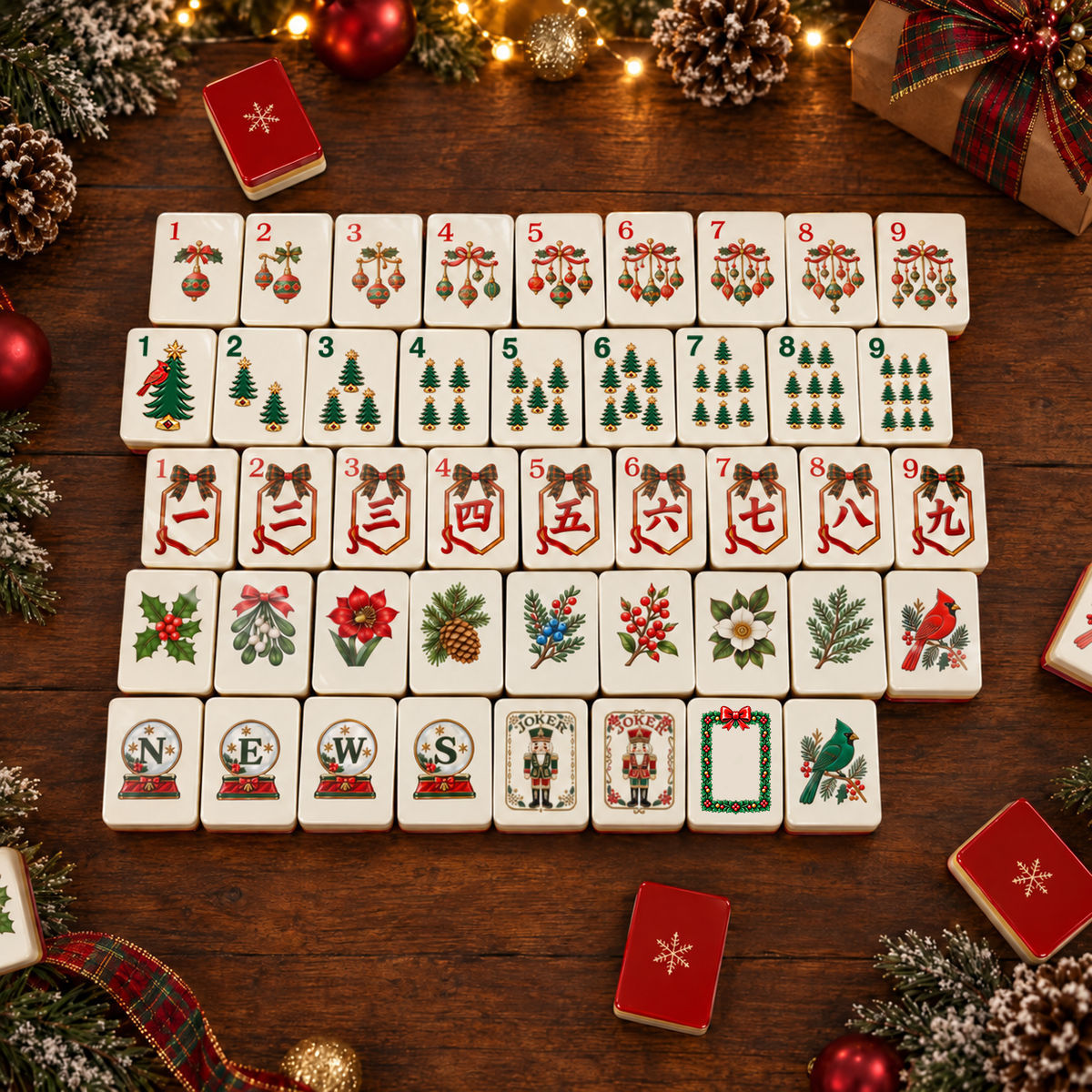
Minneapolis hosts mahjong groups primarily through community centers (check Hennepin County Parks & Recreation), public libraries, and informal home gatherings posted on Meetup or Facebook. A party for four players takes 2–3 hours including teaching; you'll need a 160-tile American mahjong set, a mat (optional but steadies the game), a card from the current National Mah Jongg League (issued each spring), and dice. American mahjong requires exactly 152 tiles in play plus 8 jokers—no sequences or "chows" allowed, only groups of identical tiles (pungs) or larger sets. Before hosting, decide whether to teach absolute beginners (plan 45 minutes) or play with experienced players. Most home games follow the league card and rotate "East" wind (dealer) position. Visit our mahjong-for-beginners guide to understand the flow, or jump straight to best-selling mahjong sets to outfit your party. 🀄 Shop best-selling mahjong sets →
How do I teach someone mahjong for the first time at a party?
Plan 30–45 minutes for teaching before the first full hand. Start with the goal: build a hand that matches one of the patterns on the current league card. Teach the Charleston (the tile-passing ritual), then walk through drawing, discarding, and calling. Show what happens when someone wins. Most beginners grasp the flow after one demo hand. Skip scoring detail; focus on recognizing a valid hand on the card. Use the Charleston explained guide to demo the pass-and-exchange sequence step-by-step before dealing.

What gear do I actually need to run a four-player game?
You need exactly one 160-tile American mahjong set (152 playing tiles + jokers), the current year's National Mah Jongg League card, and two dice. A mat keeps tiles from sliding and makes calling clearer; mahjong mats also define personal spaces so tiles don't mix. Racks are optional but help nervous players organize their tiles. A padded travel bag or case protects your set and makes setup portable across Minneapolis.
Item | Why it matters | Notes |
160-tile set | Exactly 152 tiles + extras for spares | American mahjong uses no blanks in play |
League card (current year) | Only valid hands on the card count as wins | Refreshed each spring |
Dice (two) | Determines who deals and where to start drawing | Included in most sets |
Mat | Steadies tiles, defines player zones | Optional but strongly recommended for home games |
Racks (optional) | Helps beginners organize their 13 tiles | Makes the game flow faster |
🎁 See our most-loved mahjong sets & accessories →
Which type of party works best: teach-first or experienced-only?
Host a teach-first party if your guests are new to mahjong or if you want to introduce the game as a social activity. Plan for 4–5 people (never fewer than 4 for American mahjong), set aside time for the Charleston and one practice hand, then play 2–3 full games. An experienced-only party skips setup, goes straight to play, and often runs longer—people get invested in hands and scoring. For Minneapolis home parties, hybrid works: invite 1–2 experienced players to help teach the 2–3 newcomers; they'll drive the energy and answer mid-game questions without stalling play.
How do I set up the table and manage the flow?
Seat players North, East, South, West around a table (East is the dealer). Place the mat in the center if using one. Set the current league card, dice, and discard area within reach of all players. Roll dice to determine who is East (dealer); that player shuffles, distributes the tiles, and goes first. The Charleston happens next—pass and receive tiles face-down in a specific sequence (left, then across, then right). Our guide on racks with pushers shows how these tools organize hands and speed up tile exchanges. Keep play moving: one discard per turn, call immediately if you can use a discarded tile, or it's the next player's turn. Most hands complete in 15–25 minutes once everyone understands the patterns.
What common mistakes kill a first-time party—and how do I avoid them?
Mistake 1: Not preparing the card. Many hosts forget the current league card isn't automatically in sets. Buy or print it before guests arrive; you can't verify a winning hand without it.
Mistake 2: Mixing rules. Don't blend American mahjong (no sequences, league card only) with Hong Kong or Chinese variants—it confuses everyone. Decide your variant before inviting.
Mistake 3: Underestimating setup time. The Charleston alone takes 5–10 minutes. Build 15 minutes into your schedule before the first real hand.
Mistake 4: Too many people. American mahjong is four-player only. Don't add a fifth person or rotate mid-game; it breaks the tile count and confuses scoring.
Mistake 5: Jokers in the pair. American mahjong rule: jokers can never form a pair or single tile. Beginners slip up here constantly. Enforce it early.
Mistake 6: Assuming all sets are equal. Cheap sets have warped tiles or missing jokers. A quality set from our best-selling collection ensures smooth play and lasts years of weekly parties.

How do I source a mahjong set and card in Minneapolis?
Check local game shops, large bookstores, or online retailers like Mahstead for a full 160-tile set with clear tiles and reliable jokers. The National Mah Jongg League card (the official league standard) is sold separately and refreshed each spring; order it from the league or major retailers when the new year's card releases. For first-time hosting, get both well in advance—don't buy the week of your party.
What if someone doesn't have much time or wants a shorter game?
Limit your party to one or two hands instead of three. Experienced players finish a hand in 10–15 minutes; beginners might take 20–30. A single hand is an honest 45-minute event including setup. You'll still show the full flow, score legitimately, and let people decide if they want to keep playing.
What to check before you buy:
Tile clarity: Inspect images. Engraved or painted suits (Bams, Craks, Dots) must be readable across a table.
Joker count: A 160-tile set includes spare jokers for replacements. Confirm the listing before purchase.
Mat size: American mahjong mats typically fit 36–40 inches; measure your table to ensure room for the mat, player zones, and discard area.
Racks included? Most sets don't include racks. If organizing tiles matters to your group, add them separately or buy a set bundled with racks.
Shipping to Minneapolis: Free US shipping means your set arrives ready to play—no extra cost.
Why host in Minneapolis specifically?
Minneapolis has a quietly active mahjong scene. Local libraries like those in the Hennepin County system often host game nights or point you toward regular meetups. Parks & Recreation departments sometimes sponsor community game events. The Twin Cities also connect to larger regional tournaments, so starting a home game can grow into a serious weekly group. Hosting at home is the easiest entry: no registration, no commute, and full control over teaching and pace.
✨ Find your Mahstead set — free US shipping →
How do I make the party fun beyond just the rules?
Theme it: order engraved mahjong sets with funny titles or custom text. Serve simple snacks (chips, fruit, cookies) and water; avoid greasy fingers near tiles. Play background music at low volume. Rotate the East position each hand so everyone gets a turn as dealer. If someone busts (doesn't win), they're not out—you play the next hand immediately. Celebrate small wins loudly. Keep the tone social, not cutthroat, especially in the first party.

FAQ
Can I play American mahjong with just three people?
Standard American mahjong requires exactly four players. For three or fewer, you'd need specialized three-player rules that modify the tile count and dealing, which most casual hosts don't use. Stick with four.
Do I need the official league card or can I use a printout?
A printout works for learning. Most casual home games in Minneapolis use the official National Mah Jongg League card (released each spring) to verify winning hands fairly; it's inexpensive and avoids disputes.
How much does a decent set cost?
Quality varies widely; see current pricing on product pages. Mahstead offers sets at multiple price points—check the best-selling collection to compare what fits your budget and group size.
Should I buy a mat for a home party?
Mats aren't essential but steady tiles and define player zones clearly, especially for beginners. For a one-time party, skip it; for weekly games, a mat is worth the investment. Our mat guide explains sizing and materials.
How long does a full mahjong party actually take?
Allow 45 minutes to teach + 15–25 minutes per hand. A four-hand party (including Charleston and breaks) runs 90 minutes to 2 hours. Most Minneapolis home groups play 2–3 hands over 90 minutes on a weeknight.
Can I use my smartphone as the league card?
Some people do, but a printed card is faster and doesn't require battery or glare management mid-game. Many players prefer having it on the table for quick reference without fumbling with devices.


View More
View More
View More
