
Mahjong Party Ideas in Kansas City: Host Your First Game
Last updated: Nov 23, 2026
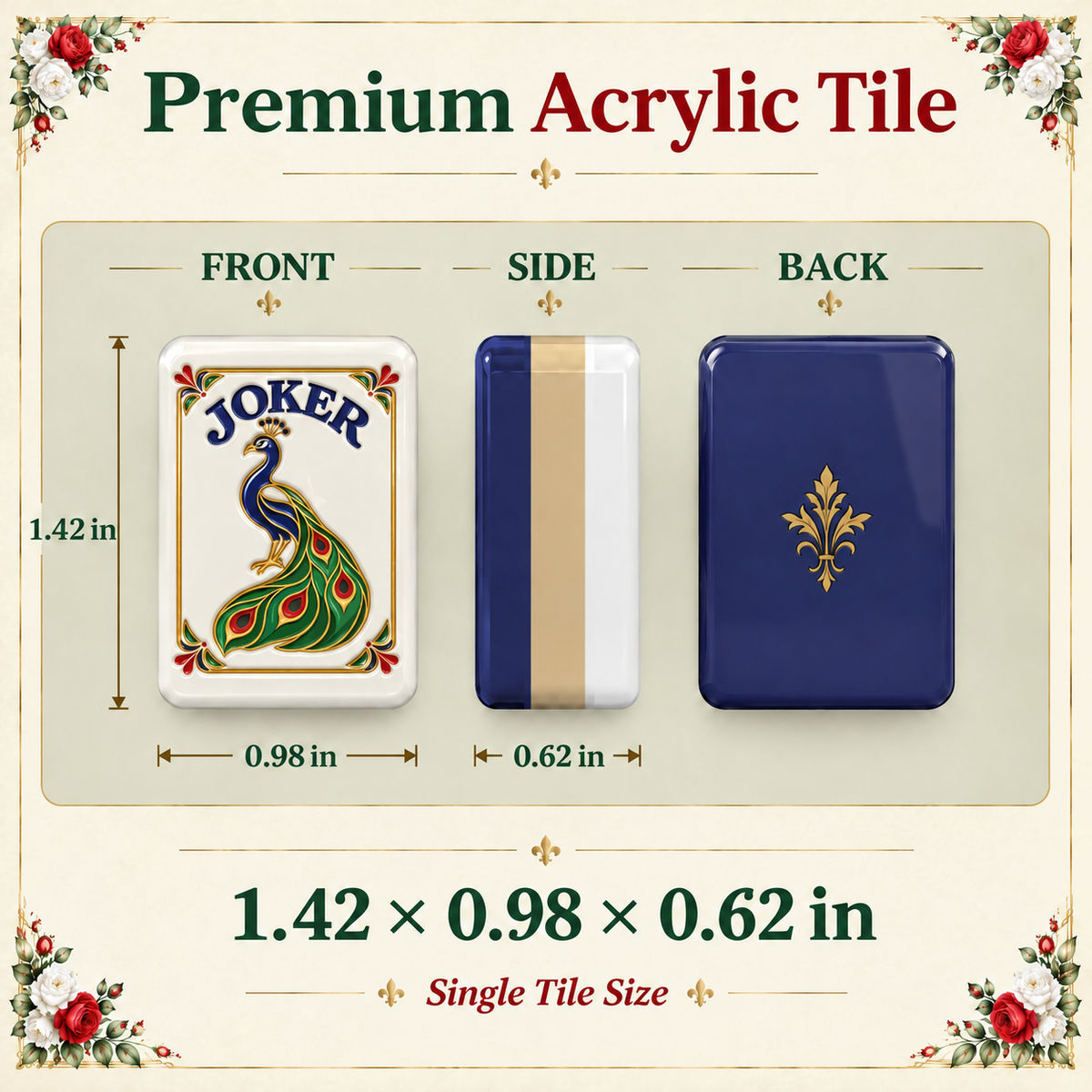
Kansas City has a strong casual game scene, and mahjong parties thrive in living rooms, community centers, and synagogues across the metro. Plan for four players minimum, 2–3 hours per session, and expect to teach newcomers the Charleston and basic hand patterns. You'll need an American mahjong set (152 playing tiles plus 8 jokers), a mat or table cover, racks with pushers for tile management, the current National Mah Jongg League card, and snacks. Mahstead's 160-tile acrylic sets come engraved and ready to ship free across the US; clear acrylic or themed designs work well for parties and won't warp or crack after years of play in humid Kansas summers.
Where do Kansas City mahjong players gather?
Start at community centers in Johnson County, Clay County libraries, or recreation departments advertising game nights. Check local synagogues (many host or sponsor weekly games), country clubs with game rooms, and meetup boards on Nextdoor or Facebook. Ask at independent game shops or coffee shops—word travels fast among players.

What's the right set size and style for a party?
American mahjong sets are always 152 playing tiles plus 8 jokers. Acrylic tiles (not bamboo or bone) survive spills, humidity, and repeated shuffles—critical in Kansas's variable weather. Choose standard cream or white tiles for clarity at arm's length, or go bold with a themed design if your group enjoys personality. Our best-selling collection has options that ship assembled and tested.
🀄 Shop best-selling mahjong sets →
How should you arrange the table and gear?
Set a round or square table with at least 36 inches of clear space on each side. Place the tile rack (or pusher-equipped rack) in front of each player at waist height when seated. Put the mat or table cover underneath to protect the surface and create a consistent shuffling plane. Keep the National Mah Jongg League card visible to all four players—laminate or place it in a clear sleeve. Shuffle tiles face-down in the center; each player draws 13 tiles after the Charleston (the three-round tile-passing ritual). A mat with built-in rack guides or standalone racks with pushers make setup faster and gameplay smoother, especially for beginners.
Setup Element | Why It Matters | Kansas Party Tip |
Acrylic tiles | Durable, no cracking or yellowing in heat | Better than bone or bamboo in summer humidity |
Keeps tiles upright, pushes forward to indicate discard | Saves time and reduces accidental reveals | |
Protects table, defines play area, quiets shuffling | Easier cleanup after snacks and drinks | |
Current League card | Hands expire yearly; old card = invalid combos | Renew each spring or verify card date before hosting |
Visible timer (optional) | Keeps turns moving; 60–90 seconds per turn standard | Especially helpful for first-timers who overthink |
What snacks and setup make hosting feel natural?
Avoid sticky fingers—serve cheese, crackers, nuts, and cold drinks with lids rather than cookies or chocolate. Set drinks away from the tile area. Have a scorepad (or use an app) and two dice ready before the first hand. A bag or case keeps your set organized between sessions and shows respect for the tiles. Dim overhead lighting and use a small lamp or overhead fixture that doesn't create glare on tiles.
How do you welcome beginners without slowing the game?
Before the first hand, walk newcomers through one complete round (drawing, the Charleston, exposing a pung or kong if they have one, discarding). Show them how to read the League card—sections are organized by hand type (Like Pungs, Consecutive Run, etc.) so they can scan for matches. Let experienced players call and win the first few hands while beginners learn the rhythm. By hand three or four, newer players feel confident enough to hunt for their own hands. Patience in minute one saves frustration in minute 60.
🎁 See our most-loved mahjong sets & accessories →
What to check before you buy or host
Tile count and condition: American mahjong always uses 152 tiles + 8 jokers. Open your set before the party; look for chips or cloudy tiles that might distract. Acrylic sets from Mahstead ship tested.
Mat or table protection: A dedicated mat silences shuffling and saves your furniture. Measure your table width; most play mats are 27–36 inches.
League card currency: The card changes every spring. Hands from last year's card are invalid this year. Print or laminate a current card.
Racks with pushers vs. DIY tile holders: If players prop tiles against bare hands, tiles slip and mistakes happen. A pusher-equipped rack prevents this and keeps turns visible.
Player count and time budget: Four is the standard; 2–3 player rules exist but are less common. Each hand takes 10–20 minutes once players know the card. Plan 2.5 hours for a four-hand session with snacks and socializing.
Storage between parties: A padded bag or case protects your set and makes setup portable. Acrylic tiles are durable but benefit from soft storage.
✨ Find your Mahstead set — free US shipping →

Can I host mahjong year-round in Kansas?
Yes. Interior humidity and consistent air conditioning in Kansas homes keep acrylic tiles stable. Summer heat won't warp them; winter dry air won't crack them. If you play outdoors, bring tiles inside between sessions and store them in a bag or case away from direct sun.
Do I need to know how to play before I invite people?
No. Hosting doesn't require you to be an expert. Assign one experienced player as the "rules keeper" for the first few hands, or watch a 15-minute rules video together before shuffling. Your job is to manage the space, time, and snacks—the game runs itself once players know their roles.
What's the best time of year to start a regular group?
Fall (September–October) and early spring (March–April) have mild weather and natural gathering energy. Many Kansas groups play weekly September through May and take a summer break or move to cooler venues. Start with a single test party; if people ask "same time next week?", you've got momentum.
Should I buy an expensive or budget set for a party?
Acrylic is the sweet spot: durable, affordable, and professional-looking. Bone and bamboo are beautiful but fragile and require careful handling—wrong for a casual party. Engraved acrylic tiles (with custom text or design) add personality without extra fragility. See current pricing and designs on our best-selling page.
What's the difference between a mahjong mat and a table cover?
A mat is thick, padded, and stays on the table permanently; it has bumpers or guides for racks. A table cover is thinner, folds up, and protects the surface. For regular parties, a mat is worth it; for occasional play, a cover works fine. Our guide explains the trade-offs based on play frequency and storage space.

FAQ
Where in Kansas City do I find experienced players to invite?
Check your local library or community center website for mahjong game nights or beginner classes. Ask at nearby synagogues—many sponsor weekly games. Post on Nextdoor or local Facebook groups asking for "mahjong players near me" and you'll hear from regulars happy to teach. Country clubs and recreation centers sometimes advertise game circles.
Can I use old mahjong tiles or a set from another country?
No. American mahjong requires the specific 152-tile American set (three suits, winds, dragons, flowers, jokers) and the current year's National Mah Jongg League card. Chinese, Hong Kong, and Riichi mahjong have different tile counts and rules. If your set doesn't match the League card, hands won't line up.
How long does a mahjong game actually take?
Each hand averages 10–20 minutes once players know the card. A four-hand session (one complete round with each player East) takes 1.5–2 hours. Add another 30–60 minutes for Charleston, breaks, snacks, and socializing. Plan 2.5–3 hours total for a party.
Do I have to teach people the Charleston before we start?
Yes. The Charleston is the three-round tile-passing ritual every American game begins with. It takes 2–3 minutes to do but is absolutely core to the game—it randomizes the tiles and is part of the ritual. We have a full guide on how the Charleston works step-by-step.
What if someone wants to play mahjong but doesn't have a set yet?
Invite them to bring nothing—you host with your set. Or suggest they buy their own if they're serious about joining a regular group. Our best-selling sets ship free across the US and come ready to play. Many groups ask each player to own a set by month two or three so they feel invested and can host at their own home later.


View More
View More
View More
