
Mahjong Classes for Beginners in Naples, Florida
Last updated: Nov 23, 2026
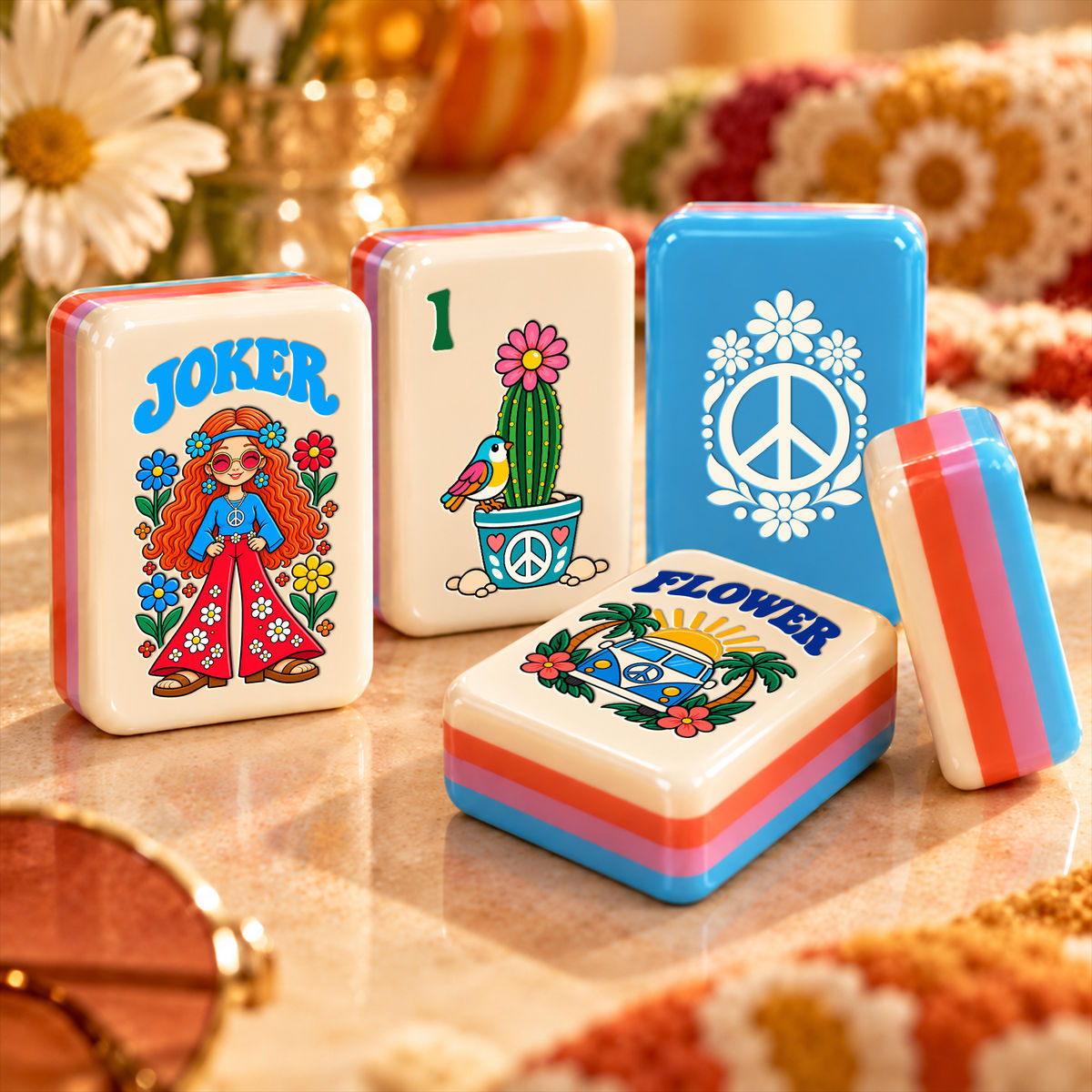
Naples-area beginners can find mahjong instruction through community recreation departments (check the Naples Parks & Recreation website for seasonal offerings), public libraries (many host weekly open games or beginner workshops), and private instructors who advertise through local adult education programs or meetup boards. Classes typically run 4–8 weeks, meeting once or twice weekly for 1.5 to 2 hours, and cover tile names, hand patterns, the Charleston pass, calling rules, and scoring basics. Cost ranges widely depending on format—community centers usually charge per session or a small series fee, while private lessons cost more. Before enrolling, confirm the teacher uses the current-year National Mah Jongg League card, focuses on American (not Chinese or Hong Kong) rules if that's your goal, and allows you to bring or borrow a 152-tile set with 8 jokers to practice at home.
Naples offers multiple pathways to learn American mahjong, from casual community center drop-ins to structured private lessons. Classes typically run 4–8 weeks, meeting once or twice weekly for 1.5 to 2 hours, and cover tile names, hand patterns, the Charleston pass, calling rules, and scoring basics. Cost ranges widely depending on format—community centers usually charge per session or a small series fee, while private lessons cost more. Before enrolling, confirm the teacher uses the current-year National Mah Jongg League card, focuses on American (not Chinese or Hong Kong) rules if that's your goal, and allows you to bring or borrow a set to practice at home.
Where Do Naples Beginners Actually Find Classes?
Community recreation centers run the most affordable option. Visit Naples Parks & Recreation or your local municipal recreation department website; search "mahjong" or "adult enrichment." Classes fill quickly in winter when seasonal visitors arrive. Public libraries frequently host open mahjong groups that welcome beginners; ask the reference desk or check their events calendar. Private instructors advertise through Meetup, Facebook community groups, or word-of-mouth at established game venues (country clubs, community centers). Senior centers may list classes even if you're not yet a member—call ahead. Check availability 6–8 weeks in advance; popular instructors book solid by November.

What Should a Beginner Class Actually Teach?
A solid beginner course covers four core areas: tile recognition (suits—Bams, Craks, Dots—plus winds, dragons, flowers, jokers); hand structure (how to read the current-year League card, what a pung, kong, and quint are); the Charleston (the pre-game tile-passing ritual that takes 10–15 minutes); and basic calling rules (when you can claim a discard, how jokers work in exposed melds). Reputable teachers walk you through one or two real hands from the current card, explain why jokers cannot be used in a single tile or a pair, and let you practice the pass. Avoid any class promising you'll "play full games" in week one—that's unrealistic and builds frustration. A good instructor balances lecture with hands-on shuffling and discarding so muscle memory builds alongside rule knowledge.
How Do You Know if a Teacher Understands American Rules?
Ask directly: "Do you teach from the current National Mah Jongg League card?" The annual card is issued every spring; using last year's card confuses players when they join established groups. Verify the teacher explains that American mahjong has no sequences or chows—you may only expose pungs (three identical tiles), kongs (four identical), quints (five), and sextets (six). If they mention "calling a chow," they teach Chinese or Hong Kong mahjong, which is a different game. Confirm they know the 1 Bam usually shows a bird, that the White dragon (often called "Soap") acts as zero and pairs with Dots, and that the Charleston is mandatory, not optional. Strong teachers answer these questions clearly; evasiveness signals they may not specialize in American play.
What Gear Should You Bring or Buy Before Week One?
Most classes loan tiles for the course, but owning your own set speeds home practice and builds muscle memory. You need a 152-tile American mahjong set (with 8 jokers) plus a small storage bag—exactly what's in our best-selling collections. A mat is not essential in class but helpful at home for protecting tiles and keeping the discard wall tidy. Many beginners also use a rack with pushers to organize their hand neatly; this prevents accidental exposures and looks professional. A written note of the hand patterns (or a printable cheat sheet from your instructor) helps you study between sessions.
Item | Why it matters | Buy or borrow? |
152-tile set + jokers | Practice at home, muscle memory | Buy early; class loan often ends after series |
Small bag | Transport to class safely | Buy if you'll play regularly |
Mat | Protects tiles, organizes play | Optional first; upgrade later |
Rack with pushers | Organizes hand, prevents cheating | Buy once confident in basics |
Current-year card | All hands come from this card | Usually provided; ask teacher |
🀄 Shop best-selling mahjong sets →

How Do You Move from Class to a Real Game?
After 4–8 weeks of instruction, you're ready to join a regular group—but pace yourself. Many Naples venues run beginner-friendly games on specific nights; ask your teacher for recommendations. Go as an observer first (no chips involved) to watch hand cycles, discard patterns, and how experienced players read the card. Bring your own set and sit in as a "ghost" player so you stay sharp. Expect to lose money your first 10 games; that's normal. Keep a notebook of patterns you missed or called wrong—review these at home with your set. Within three months of weekly play, most new players reach competence. The jump from "I know the rules" to "I can play fast and read the card" happens through repetition, not instruction.
What Common Beginner Mistakes Should You Avoid?
Memorizing hands instead of reading the card. New players try to remember all 88 patterns; instead, learn how the card groups hands by section (e.g., "consecutive numbers with a pair") so you can scan and spot matches. Confusing joker use. Jokers substitute for any tile in a pung, kong, quint, or sextet, but never as a single tile or in a pair—ask your teacher to drill this one. Rushing the Charleston. The pass is not casual; count carefully, pass in the right direction, and hold the discard wall steady. Not tracking discards. Beginners forget what's on the table, costing winning opportunities. Write down the first discard from each player each turn—patterns emerge. Playing without a mat at home. Tiles scatter; a mat keeps your practice hand stable and teaches you how the table flows during real games.
What Should You Check Before You Buy a Set?
If you decide to purchase rather than borrow, confirm the set is American (152 tiles plus spares, not 144 or 166). Check that all four Bams, Craks, and Dots (1–9) are present, all four winds and dragons, plus flowers and jokers. Open the box and inspect a few tiles for cracks or printing errors; quality matters for shuffling comfort and long-term use. Ensure the case closes securely if you'll transport the set weekly. Our engraved American mahjong sets arrive ready to play, with free US shipping, so you can start practicing the day it arrives—no assembly or missing tile hunts.
🎁 See our most-loved mahjong sets & accessories →
How to Find the Right Class: A Checklist
[ ] Verify the teacher uses the current National Mah Jongg League card (issued each spring).
[ ] Confirm the class focuses on American mahjong, not Chinese or Hong Kong variants.
[ ] Ask how many weeks the course runs and whether you can audit an extra session free.
[ ] Check if tiles are provided or if you must bring your own by week three.
[ ] Confirm the class includes the Charleston in week one and real hand practice by week two.
[ ] Ask for the instructor's phone number or email for questions between sessions.
[ ] Verify the group size—no more than 12–16 per class so everyone gets feedback.
✨ Find your Mahstead set — free US shipping →

FAQ
Is American mahjong the same as the Chinese game my grandmother played?
No. American mahjong uses the League card (88 fixed patterns), must be played with exactly 152 tiles and 8 jokers, and has no sequences or chows. Chinese mahjong allows sequences, melding rules differ, and no card exists. Classes clarify this on day one; if a teacher conflates them, find another.
How long does it typically take to play one full game?
A casual game among learners takes 30–45 minutes. Experienced players finish in 15–20 minutes. Speed comes from card familiarity and faster shuffling, not from skipping rounds.
Can I learn from an online video instead of a live class?
Videos teach rules and basic strategy, but hands-on practice with a teacher and peers is faster. Classes let you ask questions, watch experienced players read the card, and build social connection—all accelerate progress beyond solo study.
What if I show up to a class and feel completely lost?
Tell the instructor immediately. Mahjong is visual and procedural; one missed concept (e.g., joker placement) derails understanding. Good teachers re-explain privately or offer a makeup session. If the instructor dismisses confusion, find a different group.
Do I need to own a set before my first class, or can I use the teacher's tiles?
Classes always loan tiles. Buy your own set by week three so you can practice at home between sessions—this is the single biggest accelerant for beginners. Home practice turns class time into muscle-memory refinement rather than basic repetition.
What happens if I finish a beginner class but still feel nervous about playing with real money?
Attend open-play groups that run practice tables (no stakes, chips only). Most Naples venues offer Thursday or Friday morning beginner slots. Play 10–15 games chip-only before risking cash; your confidence will climb naturally.
Should I buy a fancy set or a basic one to start?
Start with a straightforward American mahjong set that's easy to shuffle and read—tiles should be clear, not ornate. Specialty or decorative sets can be frustrating when tiles don't slide smoothly. Upgrade once you're playing weekly games and know your preference.


View More
View More
View More
