
Mahjong Party Ideas in Austin: Host & Learn
Last updated: Nov 23, 2026
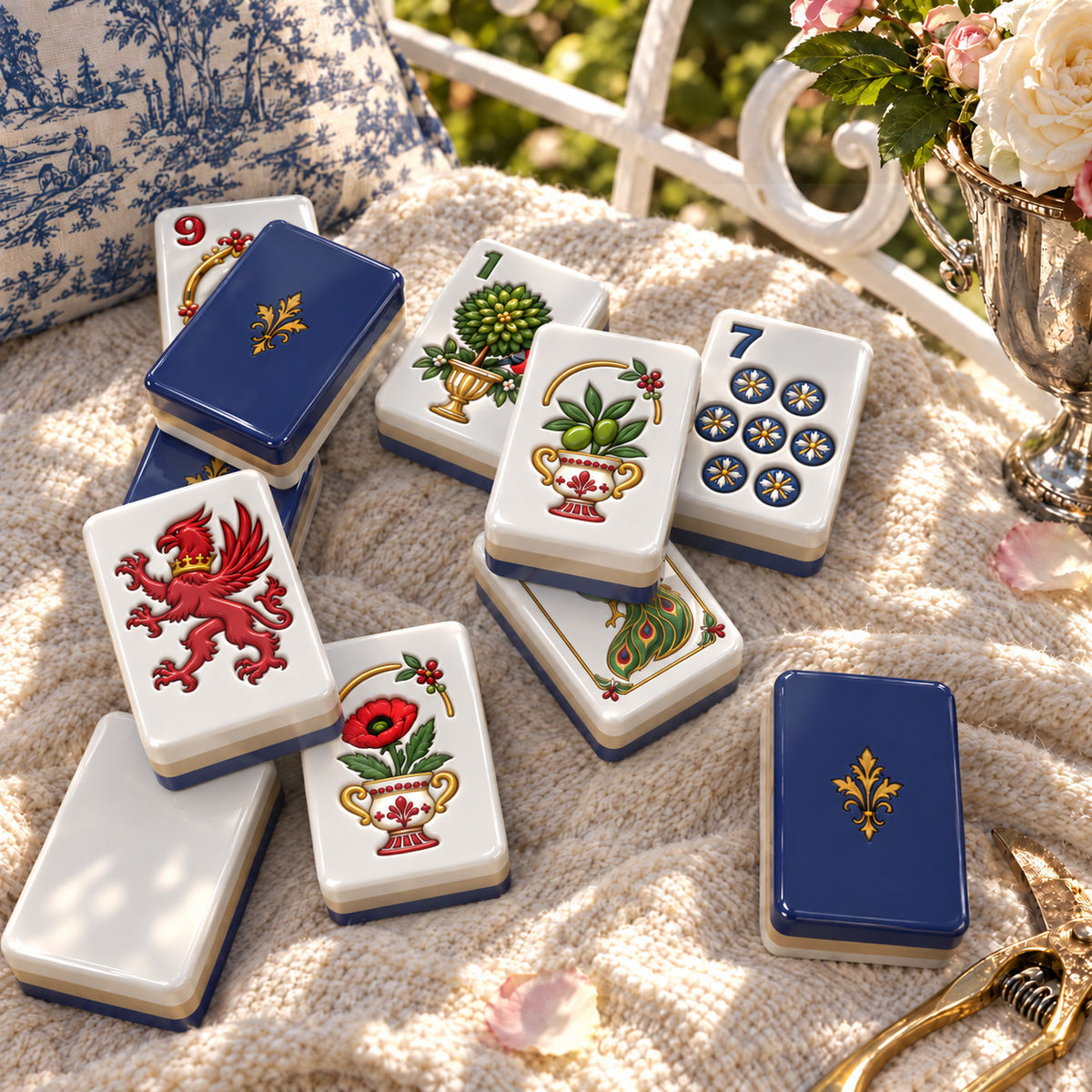
Hosting a mahjong party in Austin means choosing your format—casual teach-and-play, competitive league-style, or a casual "lounge game" paired with food and music. You'll need one 160-tile American set, a mat for tile organization, four players seated around a table (minimum 36 inches on all sides), and the current National Mah Jongg League card. Games last 30–90 minutes depending on player speed and familiarity. For beginners, plan 2–3 hours with rule explanation, a warm-up hand, and the Charleston (the tile-passing ritual). Austin's community colleges, libraries, and neighborhood clubs often host drop-in sessions too, but a private party lets you set the pace and playlist. Mahstead's engraved acrylic sets and padded mats ship free across the US and arrive ready to unbox—no assembly needed, and the tiles are durable enough for weekly play. 🀄 Shop best-selling mahjong sets →
How do you set up the tiles for a beginner party?
Before the first hand, each player draws one tile to determine seating order (East, South, West, North), then everyone draws 13 tiles into a rack. The Charleston passes tiles three times in a specific pattern—left, right, then across—allowing players to discard unwanted tiles before the deal begins. This ritual is crucial: it levels the playing field and gives beginners breathing room. After the Charleston, the player in the East position draws tile 14 and begins play. For a home party, write the Charleston steps on a card or project them on a screen so no one interrupts the rhythm. If players are truly brand-new, run a silent hand first—everyone plays but no one keeps score—so nervous players feel the flow without pressure.
🎁 See our most-loved mahjong sets & accessories →

What's the difference between learning American mahjong and other variants?
American mahjong is built around the annual National Mah Jongg League card, which lists 8,000+ legal winning combinations (hands) for that year only. Hands are fixed—no sequences called "chows" are allowed—and you can only expose pungs (three identical tiles), kongs (four identical), and larger groups using the League card as your reference. Chinese, Hong Kong, Riichi, and Taiwanese variants use different tile sets (sometimes 136 tiles, sometimes 144), have different rules for melds, and allow sequences. For an Austin party with mixed skill levels, American mahjong is ideal because everyone uses the same card; nobody plays by "what their grandmother taught them." The card levels authority and stops arguments. Start with how to play American mahjong if your guests ask in advance.
Should you teach the rules before, during, or after the Charleston?
Teach hand structure and scoring before the Charleston so players understand what they're aiming for, then run the Charleston itself so players can handle it without narration. After the deal, play one "practice hand" (called a "wall pass" or "dead hand") where someone walks through discard strategy and calls aloud. Most people absorb rules fastest by watching—not reading—a completed turn. Point out: "East draws, looks at the tile, decides to keep or discard, sets it in front, calls it aloud, then West picks it up or passes it to someone else." Once one hand resolves, the second hand moves much faster. A common mistake is teaching everything upfront; you'll lose the room. Instead, teach the winning condition ("match your tiles to a hand on the card"), explain the Charleston in three steps, play one dead hand, then begin. Energy stays high and retention improves.
What should your Austin space look like for comfort and speed?
A dedicated table (ideally 40–48 inches square or a folding rectangular table 36×72 inches) beats a coffee table. Position it under good light—overhead ceiling lights create glare on acrylic tiles, so add a lamp or play near a window. Provide cup holders or coasters; one spilled drink derails the game and can warp a mat. Seat players on chairs with armrests so they can rest their backs during long games. Keep the League card at the center of the table or project it on a monitor so everyone can read it without asking. A padded mat protects tiles, catches dropped ones, and signals "this is the mahjong zone"—it shifts the room's energy toward focus. Have snacks next to the table, not at it, to keep the play area clean. For Austin's warm weather, ensure good air flow; players concentrate better when they're comfortable. A 160-tile set with a thick mat and acrylic tiles (not wood) stays pristine through summer humidity.
What tiles or accessories make a beginner-friendly party shine?
Acrylic tiles are louder and brighter than bone-and-bamboo or plastic—beginners actually hear themselves pick tiles up, which builds confidence. Engraved tiles with witty phrases or Austin themes spark conversation during downtime and make great photos for social media. Racks with pushers keep newer players' hands organized and slow play to a readable pace; wooden racks require discipline that beginners don't have yet. A second rack for the "dead wall" (the bonus tiles drawn for kongs) keeps the dealer's count accurate. For a party of four to six, consider buying one main set and borrowing or having a second set on hand; Austin's heat and humidity can swell tiles slightly, and swapping fresh tiles mid-game prevents jams. Mahstead's best-selling sets include racks and pushers, so one box covers most needs. A bag or case keeps everything portable for trips to friends' homes or neighborhood meetups.
Quick comparison: Standard setups
Setup Type | Guests | Tiles | Mat | Racks | Why It Works |
First-timer home game | 4 | 1 set (160) | 1 padded | 2 racks | Everyone learns at same pace, tight budget. |
Regular weekly game | 4–6 | 2 sets | 1–2 padded mats | 4 racks, pushers | Backup set rotates if humidity warps tiles; racks speed play. |
Austin club drop-in | 6–8+ | Multiple | Metal folding table | Community racks | Portable, quick setup, suits venue constraints. |
Mixed skill party | 4–6 | 1 set + spares | 1 padded | 2 racks | Spares cover humidity or misdeals; racks help beginners. |

Where do Austin newcomers find mahjong groups or teachers?
Austin community centers (search "Austin Parks and Recreation" on the city website) often list mahjong clubs or drop-in sessions, usually for low cost. Libraries—especially the main branch on Congress Avenue and regional libraries—host game groups; call or visit their bulletin boards. Country clubs and senior living communities around Austin have active groups and sometimes welcome visitors. Meetup.com and Nextdoor Austin are reliable for finding neighborhood hosts. Synagogues and cultural centers (Austin has a significant Jewish and Asian community) often sponsor mahjong nights. Once you find a group, attend one session before buying a second set; you'll learn whether the group plays American, Chinese, or a house variant, and you may discover they loan sets to newcomers. An investment of one Mahstead set covers 90% of home-party needs; joining a group lets you play others' sets first. If you're teaching friends from scratch, plan to spend 2–3 hours on the first session and 60–90 minutes on the second.
✨ Find your Mahstead set — free US shipping →
What to check before you buy
Tile count: You need exactly 152 tiles for play plus spare jokers and blanks. A 160-tile set includes these extras and ships ready to use.
Acrylic vs. other materials: Acrylic tiles are durable, humid-resistant, and loud (newcomers love the feedback). If you live in high humidity, acrylic outperforms plastic or resin.
Rack style: Do they come with pushers? Pushers slow the game and help beginners organize; essential for teaching.
Mat quality: A padded cloth mat reduces tile chipping and dampens sound. Check if it's washable (helpful for frequent players).
Bag or case: If you'll transport to parties or meetups, a protective bag is worth it. It keeps tiles organized and protects them in a car or on a plane.
Engraving: If you want personalization (names, funny sayings, Austin themes), confirm the design is clear and won't wear off with regular play.
Return policy: Confirm you can inspect tiles before opening a sealed set and reach customer support if you find a damaged tile.
How long will a set last with weekly play?
A 160-tile acrylic set with a padded mat and protective bag should remain game-ready for years with weekly play if tiles are stored in a cool, dry place. The most common wear is chipped edges (rare with acrylic) and joker fading if sets sit in direct sunlight. Racks wear faster than tiles; pushers can splinter after 2–3 years of heavy use, but they're inexpensive to replace. Austin's humidity does not damage acrylic tiles if they're stored in the mat and bag between games. A set used at casual home parties (4–6 times per year) will outlast player interest; a set used in a weekly club for years may need one or two joker replacements. Mahstead ships sets with spare jokers and blanks, so you have backups. The biggest threat is water damage; keep the mat rolled dry, never stack heavy objects on the mat, and never expose tiles to direct heat or AC vents, which can warp the racks.
For an Austin party, the Charleston explained is essential reading if anyone's unfamiliar. If your guests ask "why is my hand not on the card?" refer them to how to read a mahjong card. And if someone asks about setup gear, our guide to racks with pushers walks through the why and how.
Party timeline checklist
Two weeks before: Invite guests, confirm four players (or run a 2–3 player variant if you're short).
One week before: Download the current National Mah Jongg League card (available online), print or project it, and review rules yourself.
Two days before: Unbox your set, verify all 160 tiles, lay them out on the mat once to confirm nothing is cracked, then pack back in the bag.
Day of, 30 min before: Set the table, assign seats, provide the League card at center, test lighting, place water/snacks outside the tile zone.
15 min before: Run the Charleston tutorial with the group; play one silent (practice) hand.
Go: Deal tile 14 to East, begin.

FAQ
Is American mahjong harder than Chinese mahjong?
American mahjong has fewer combinations (you play only what's on the annual card), which makes it easier to learn than Chinese variants, which have dozens of house rules and no written card. Beginners usually prefer American because the rules are published and identical everywhere.
Do I need to buy a second set if I host weekly?
No, but humidity in Austin can swell one set's tiles slightly over months, causing them to jam in the rack. A backup set (or borrowing a friend's) prevents delays. Many weekly players own one main set and swap it with a guest's set if needed.
Can I teach mahjong if I'm not an expert yet?
Yes. Read the National Mah Jongg League card once before your party, print it, and teach what you know. Say "I'm learning too" and look up rules together using the card or an online tutorial. Guests respect honesty and often stay for the social experience, not perfect play.
How much table space do I really need?
A minimum of 36 inches on all sides of the table (so four people can reach the center and set their racks). A 40-inch square table or a 36×72-inch folding table works. Anything smaller creates pile-ups and tile-dropping frustration.
What happens if someone has no legal hand after the Charleston?
They play anyway and try to build one. If no hand appears by the time the "wall" is exhausted, the hand is "dead," and the next player becomes dealer. This is rare and part of the game.
Can I use a table cover instead of a mahjong mat?
A cloth table cover keeps the table clean but doesn't organize tiles, muffle sound, or protect them from chipping. A padded mat does all three. For a party, the mat matters.
Which Mahstead set should I buy for a beginner party?
Any from the best-selling collection ships with 160 tiles, racks, and a mat, which covers all beginner needs. If you want personalization or a fun theme, browse engraved American mahjong sets and pick one that makes your guests smile.


View More
View More
View More
