
Mahjong Party Ideas: Host Nights Your Friends Will Remember
Last updated: Nov 23, 2026
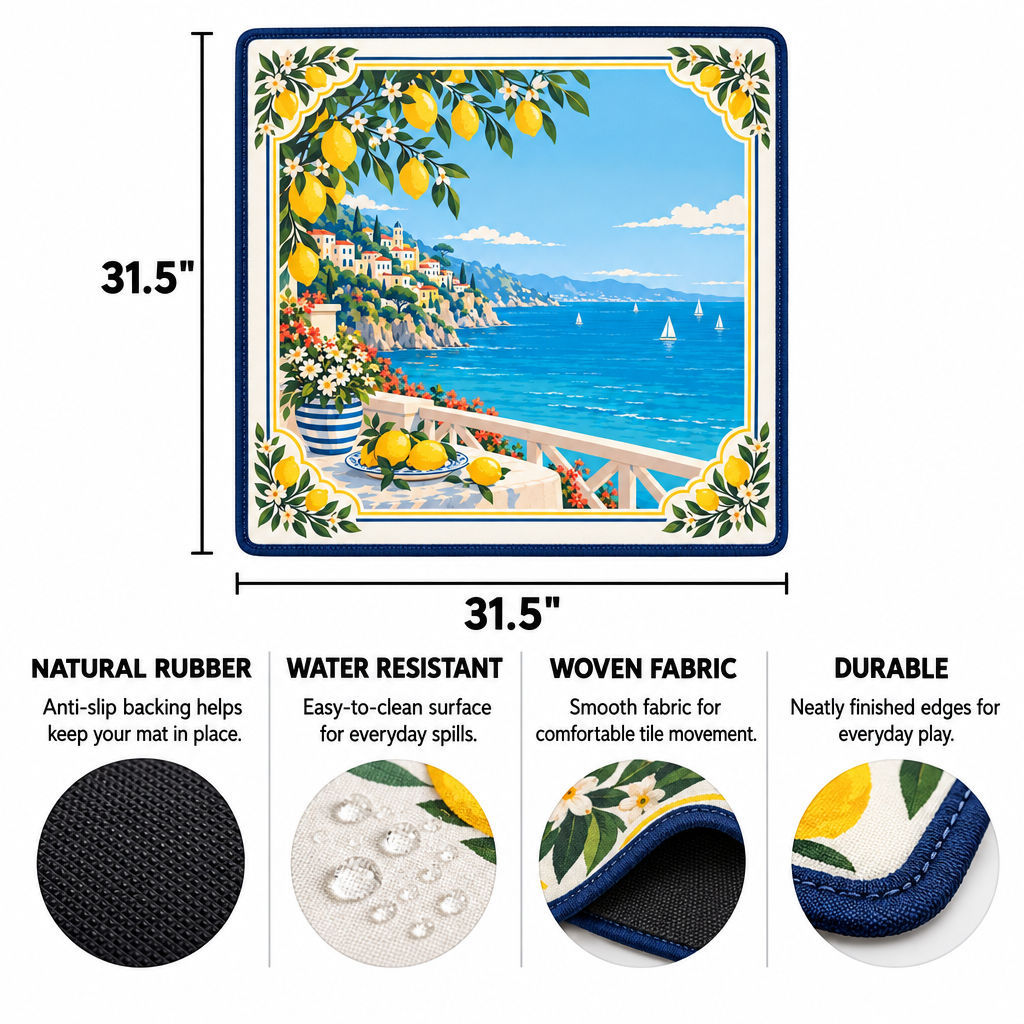
The backbone of a successful mahjong party is knowing your crowd: four-player games run tightest (one sitting out per hand), while a casual mixed-skill night needs a clear hosting strategy. You'll want a sturdy mat to protect your table, a reliable set of 152 tiles plus jokers (we use acrylic sets because they last through dozens of games), snacks on the side, and one printed copy of the current year's National Mah Jongg League card per table. The real magic happens when you set a tone—tournament-style with a scoring sheet, friendly-chaos with house rules clearly stated upfront, or beginner-forward by teaching one hand type per evening. Allow 30 minutes for the Charleston (tile exchange), 20–30 minutes per hand, and plan for 4–6 hands in a 3-hour window. From our weekly games in Dallas, we've learned that naming a house rule and sticking to it beats apologizing mid-game every time.
What makes a mahjong party different from a casual game?
A party is a planned event with a structure. A casual game is what happens when two people sit down with tiles after dinner. Parties demand a host who's thought through pace, skill mix, and the evening's goal beforehand. Decide now: are you teaching beginners, running a friendly championship among regulars, or mixing both? Your answer shapes everything from tile-set choice to seating. An experienced group with a clear competitive edge wants a set everyone knows (ideally acrylic tiles they can hear and shuffle cleanly), a scoring pad, and maybe a small prize or bragging-rights trophy. A beginner party thrives with a mat that labels the winds (so people know where North sits), printed hands, and a host who explains the Charleston without rushing. The single biggest mistake: treating a party like a drop-in game and assuming everyone knows the rules the same way.
How do you balance skill levels at one party?
Pair beginners with experienced players at each table, or run two separate games if you have eight or more guests. When mixed, assign an "expert" caller at each table—that person announces hands, reads the card, and answers rules questions. Beginners then focus on playing, not managing the pace. Rotate players every 2–3 hands (every 1–2 hours) so no one feels stuck. If you have three or four experienced players and several newcomers, run a teaching round before the party officially starts: play one or two hands casually, pause between turns to explain calls, and show how jokers substitute. One host tip from our regular Tuesday nights: print a one-page "house rules" sheet (e.g., "No calling out exposed tiles," "Scorer announces points after each hand") and place it at each table. Beginners will follow written rules better than verbal instructions shouted across the room.
What's the minimum equipment you actually need?
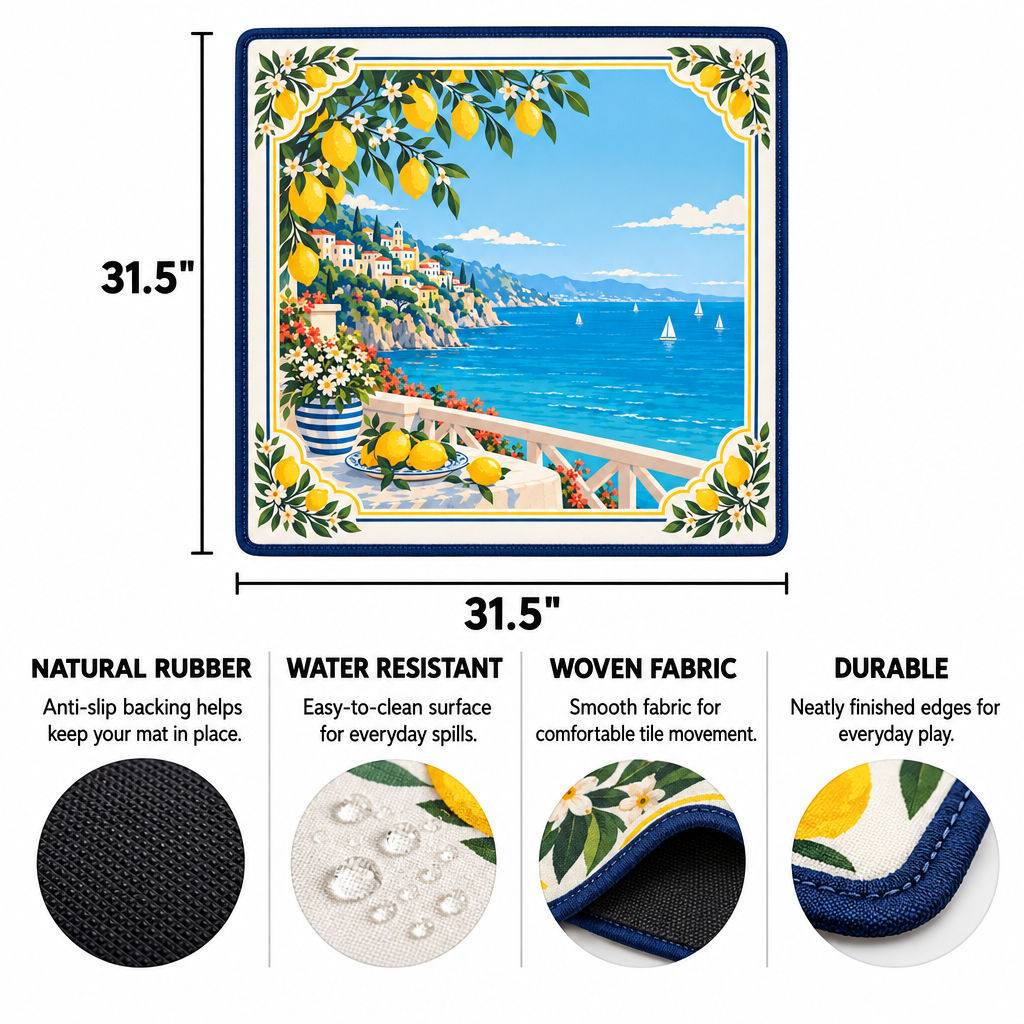
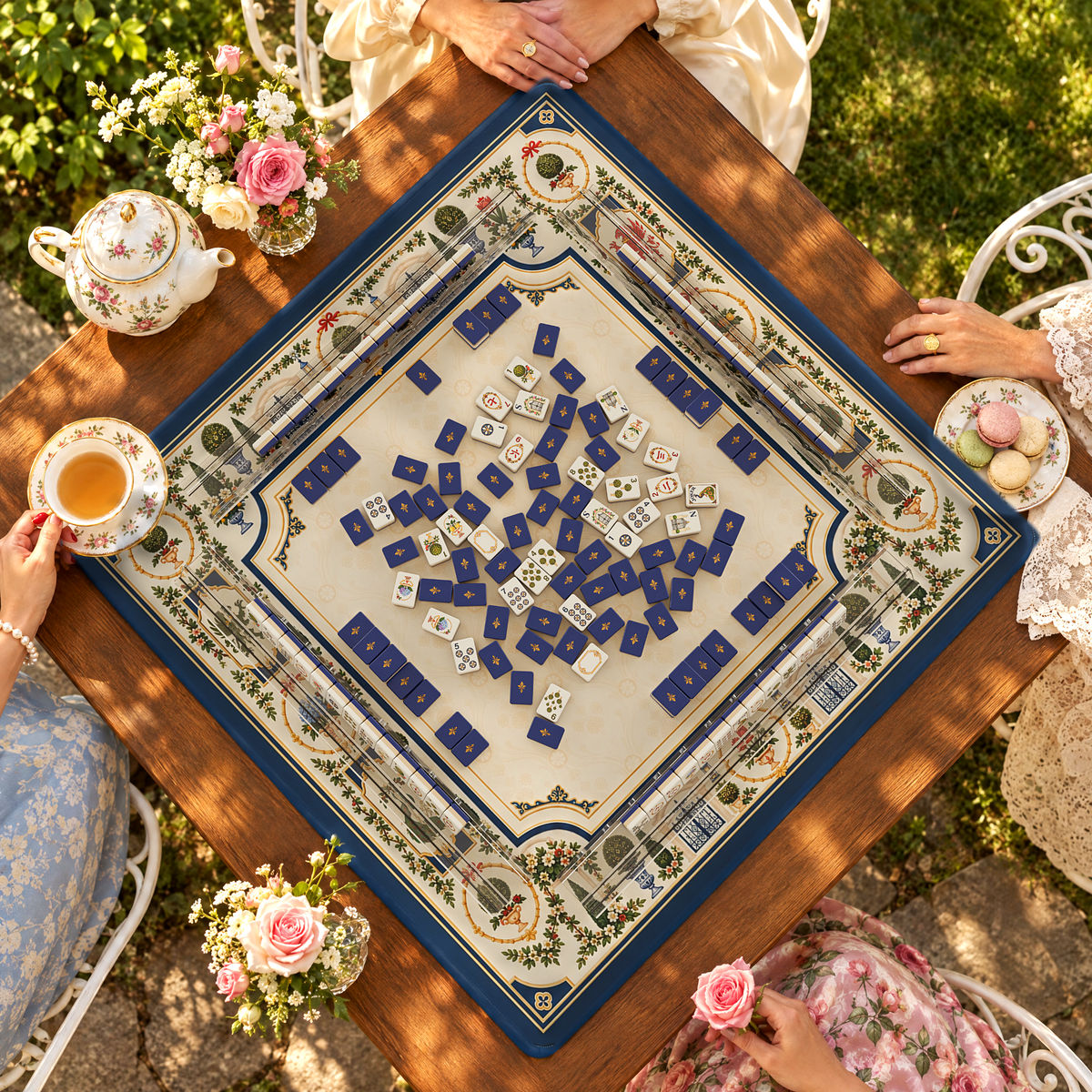
One full American mahjong set (152 tiles + 8 jokers), one mat, one score sheet, one printed current-year NMJL card, and snacks. That's enough for one table of four. For multiple tables, multiply the sets and mats. Acrylic tile sets are our standard because they shuffle quietly, stack without chipping, and keep their weight consistent—tiles that vary in heft throw off hand-reading and morale. A good mat protects your furniture and gives everyone visible walls to build against. Our best-selling collection includes starter bundles that pair a set with a mat, which saves you hunting for compatible sizes. Beyond that: pencil or pen for scoring, a timer if you want to enforce hand time (optional, but great for a tournament vibe), and a designated scorekeeper who doesn't play that hand (or use a simple tally everyone verifies after each hand). Many hosts use our mahjong racks with pushers because they let players hold tiles discreetly and keep hands from toppling mid-hand—a small thing that feels professional.
Setup Type | Crowd | Tiles Needed | Mat Style | Pace | Best For |
Teaching night | 4–8, mostly new | 1 set per table | Labeled winds | Slow, paused | First-timers learning one hand type |
Friendly mixed | 6–12, varied skill | 1 per table | Standard | Medium | Weekly regulars + occasional guests |
Tournament | 4–8, experienced | 1 per table, spares | Neutral | Fast, timed | Competitive friends, scoring tracked |
Holiday party | 8–16, all levels | 2–4 sets total | Festive (optional) | Variable | Large group; run two games or rotations |
🀄 Shop best-selling mahjong sets →
How long should a mahjong party last, and how many hands should you play?
Plan for 3 hours total: 15 minutes for arrival and brief intro, 30 minutes for the Charleston, then 4–6 playable hands. Each hand runs 20–30 minutes depending on skill and house rules. A competitive table moves faster (players decide quicker); a teaching table or one with new players runs longer because someone always has a question about the card or a joker rule. Four hands in three hours feels relaxed and lets people chat between rounds. Six hands gets you toward tournament tempo. Anything beyond six in one night and people's eyes glaze—we've hosted enough Tuesday games to know that freshness beats volume. If your group is all experts and wants a long night, set a break after three hands (drinks, snacks, stretch). One pro host trick: announce the hand count upfront ("We're playing four hands, and the last one ends at 9 p.m."). People relax knowing the finish line. If you're inviting mixed players, ask them in advance what they prefer and mention it in your invite—"Beginner-friendly, teaching style, about 3 hours total" sets clear expectations.
What are easy, memorable party touches that aren't about the game itself?
Label your tables (Table 1: North Wall, Table 2: East Wall, etc.). Provide a cheat sheet of the Charleston moves printed on cardstock. Offer a "tile tally" scoreboard so people can see who's winning without asking. Use themed mahjong sets if the occasion calls for it—Christmas tiles in December, or personalized sets if you're throwing a milestone party. Set up a snack table away from the mats (crumbs and tiles don't mix). If you're hosting regularly, invest in a travel bag or case so your sets stay organized and you're not scrambling before each party. A small detail many hosts miss: designate one person or bring a printed card image to answer rules questions fast. When someone asks "Can I call a pung?" and the caller isn't sure, the game stalls. If you have a shared reference point (the card or a written rule sheet), you move on in 30 seconds. The memory people take home isn't "Who won?"—it's "We all understood the rules, we laughed, and we came back next month."
🎁 See our most-loved mahjong sets & accessories →
What common party mistakes should you avoid?
Don't mix tiles from different sets or eras. A 1980s Bakelite set and a new acrylic set at the same table create confusion—tile weights differ, colors vary, and people second-guess whether they're counting the right suit. Stick to one uniform set per table. Don't assume everyone knows the Charleston. Even experienced players sometimes forget the exact pass sequence. Walk through it once before you deal; a confused Charleston makes people feel foolish and slows the real game. Don't forget a scorekeeper. Points are easy to dispute if nobody writes them down in real time. A simple tally (Hand 1: 60 points, Hand 2: +40, etc.) stops arguments cold. Don't play without the current year's NMJL card. Hands change every spring. Playing old hands isn't wrong, but it confuses people and undermines the competitive feel. Don't crowd the tables. Spectators are great, but standing directly behind a player and watching their hand is bad form—and it distracts them. Ask people to sit or stand well back. Don't ignore beginners mid-party. Check in once or twice with new players, not to hover but to make sure they're comfortable. A simple "How's the hand going?" goes a long way. The fastest way to kill a second invite is making someone feel rushed or confused while everyone else breezed through.
What to check before you buy
Tile quality: Acrylic tiles survive many parties; heavier resin or bone tiles feel premium but chip more easily.
Mat size: Standard mats fit most dining tables (36–40 inches); measure your space or check the product dimensions.
Set count: One 160-tile set per table (152 playing tiles + spares). Don't buy multiple partial sets hoping to combine them—you need the exact tile count.
Case or bag: If you're hosting regularly or combining sets, a sturdy bag or case keeps everything organized and ready.
✨ Find your Mahstead set — free US shipping →

FAQ
Can you host a mahjong party with fewer than four people?
Yes, but the game changes. Two-player and three-player mahjong use modified rules and hands from special sections of the card. Check our guide on 2 and 3 player mahjong rules before hosting a smaller crowd. Four players is the standard and easiest entry point.
What's the Charleston, and do I have to teach it at a party?
The Charleston is the tile-passing ritual before each hand—players exchange tiles three times in a set pattern to randomize their hands. It takes 30 seconds once people know the moves. Yes, teach it; even experienced players appreciate a quick review. Our Charleston explained guide has the exact sequence.
Should I use jokers or house rules to speed up the game?
Jokers are built into American mahjong; they substitute for any tile. They're not optional. House rules (like "no exposing certain melds" or "faster play-to-win times") are fine as long as everyone agrees before the first hand. State them on your printed house rules sheet so nobody disputes them mid-game.
Can beginners play at the same table as experienced players?
Absolutely, and it's the best way to teach. Pair one experienced player with each beginner or recruit one expert to "call" the hand (read the card and announce plays). Keep it teaching-paced: no rushing, questions welcomed. Rotate after 2–3 hands so no one feels stuck.
How do I know which mahjong set to buy for my party?
Look for acrylic sets in your price range from our best-selling collection—they're durable and reliable for repeated hosting. Match it with a mahjong mat that fits your table size. If you want a fun twist, themed or engraved sets add personality to recurring parties or special occasions.


View More
View More
View More
