
How to Clean Ivory Mahjong Tiles: Methods That Work
Last updated: Nov 23, 2026
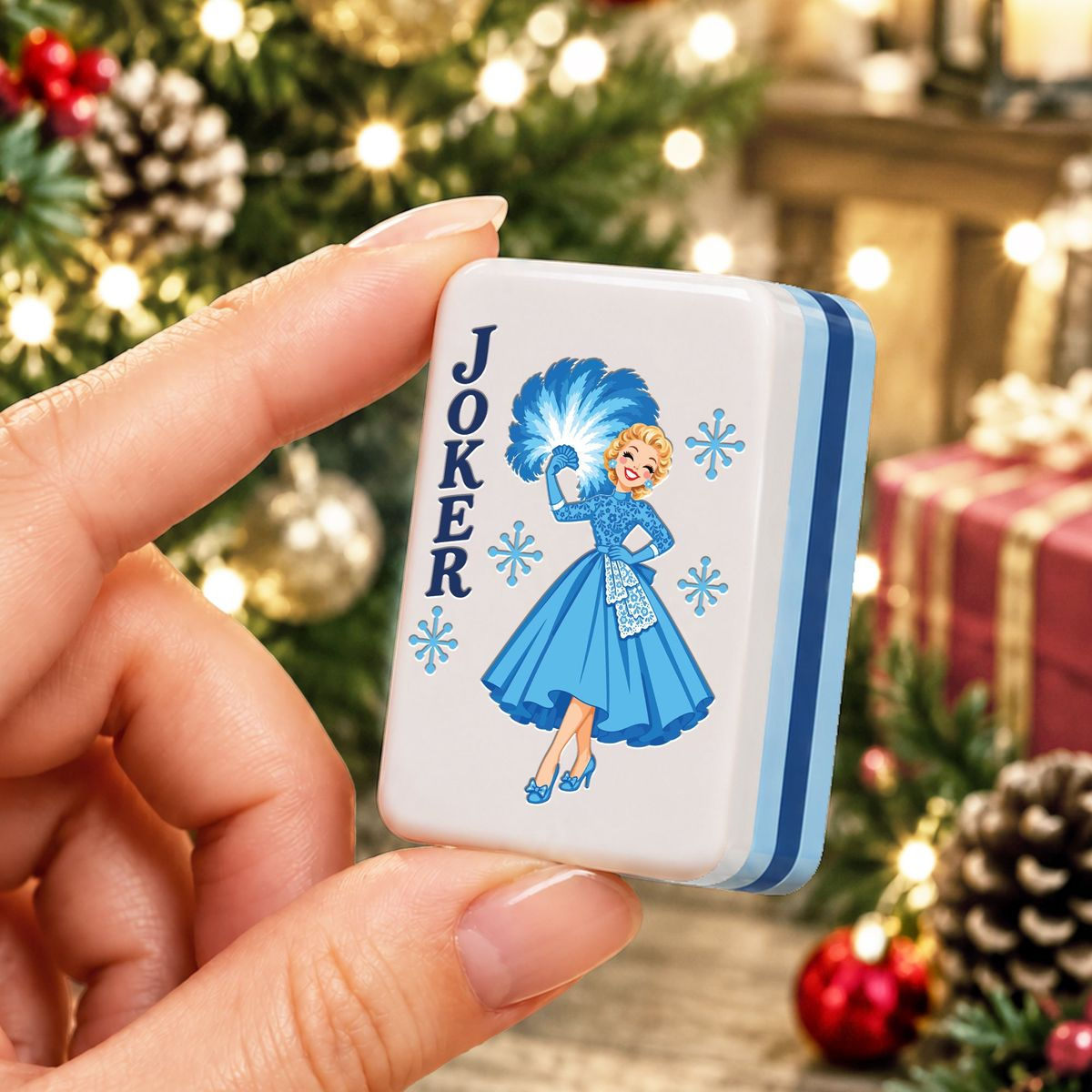
Ivory and bone tiles require cool water, a soft cloth, and a tiny drop of unscented dish soap applied to the cloth, never the tile. Wring the cloth nearly dry, wipe each tile gently in one direction, then dry immediately with a lint-free towel. Never soak, use hot water, bleach, vinegar, or abrasive scrubbers—these crack bone, cloud acrylic, and strip engraving. For stubborn marks, increase drying speed using a fan or open window; humidity causes swelling. Inspect tiles for loose inlays before wetting. Store in a breathable bag or case after cleaning, away from direct sunlight and radiators. Most players at Mahstead find this routine needed once every 6–8 weeks of regular play; follow it every time before storing for the season.
Why do ivory and bone tiles get dirty so fast?
Ivory, bone, and bamboo are porous materials that absorb hand oils, dust, humidity, and food particles with every shuffle. Unlike acrylic, they don't repel water—they trap it. Over months of weekly games, tiles develop a grimy film that dulls color, softens engravings, and can make tiles stick or warp. Humid climates accelerate this process dramatically. The moment you notice tiles feeling sticky or looking dull, cleaning prevents deeper damage.

What's the safest cleaning method for each material?
For ivory and bone: Use room-temperature or cool water only. Add one drop of mild, unscented dish soap per 8 oz of water. Dampen a soft microfiber cloth (never paper towels—they shed fibers into inlays), wring it completely, and wipe each tile in a single direction. Flip and repeat on the reverse side. Dry immediately with a dry lint-free cloth. Do this in a warm room or with a small fan nearby to minimize drying time.
For acrylic tiles: Room-temperature water alone works best; soap is optional but gentle. Use the same wringing-and-wipe method. Acrylic tolerates slightly longer contact with moisture than bone, but never let water pool near inlays.
For engraved details: Always stroke away from carved lines, not across them—this prevents water from lodging in grooves. Pat dry with a towel pointed downward to avoid pushing moisture into recesses.
What absolutely destroys tiles:
Hot water (warps bone and makes acrylic cloudy)
Alcohol or vinegar (dissolves inlay adhesive and fades color)
Bleach (cracks ivory, yellows bone)
Abrasive sponges or paper towels (scratches surface, shed fibers into detail)
Soaking (swells bone beyond recovery)
Machine drying or direct heat (cracks throughout)
How often should you clean mahjong tiles?
Most players hosting weekly games clean tiles every 4–6 weeks during the season. If you play twice weekly or live in a humid climate, aim for every 2–3 weeks. If you're storing a set for off-season, a gentle cleaning before storage prevents mold and odors. Check tiles visually: if engravings look dull or tiles feel sticky, clean them. Preventive maintenance—a quick five-minute wipe after every game session—eliminates the need for deep cleaning.
Cleaning checklist before you start:
Inspect all tiles for loose inlays or cracks (stop if you find them; wet cleaning can worsen damage)
Gather a clean microfiber cloth, a small bowl, cool water, one drop of mild soap
Turn on a fan or open windows to speed drying
Lay out a lint-free towel for finished tiles
Work in batches of 20–30 tiles so none air-dry unchecked
How does humidity affect tile condition?
Humidity causes ivory and bone to swell unevenly, warping individual tiles and making them catch on racks or mats during play. Over weeks, swollen tiles develop micro-cracks invisible until they split suddenly. Acrylic resists swelling but develops a cloudy or sticky film in damp air. Store tiles in a breathable bag or case (never sealed plastic) in a room with 40–50% humidity. If you live near the coast, in a basement, or anywhere humidity stays above 60%, consider a small silica gel packet inside your storage bag—not touching tiles, but nearby. Replace packets seasonally.
What's the best long-term storage after cleaning?
After cleaning and drying completely, store tiles in a padded travel bag or case in a cool, dry closet. Avoid basements, attics, and areas near windows or heat sources. If you use a wooden box, ensure the interior is sealed or lined so moisture doesn't migrate from wood into tiles. Never store tiles in plastic bags directly against the bag surface—moisture condenses on the inside. If you store a complete set, keep a small dehumidifying packet (silica gel) in the bag, checking it every 3–4 months and replacing if it absorbs color (indicating saturation). Once monthly during off-season, open the bag for 30 minutes to allow air circulation.

Comparison: Cleaning products and what players actually use
Material | Water Temp | Soap | Tools | Drying Method | Risk |
Ivory/Bone | Cool | 1 drop mild only | Microfiber cloth | Lint-free towel + fan | Hot water cracks; soaking warps |
Acrylic | Cool–warm | Optional | Microfiber cloth | Lint-free towel | Alcohol cloudiness; abrasion dullness |
Bamboo inlay | Cool | None | Soft cloth | Immediate | Water pooling in grooves; swelling |
Engraved details (all) | Cool | Minimal | Soft brush optional | Pat dry, strokes downward | Fibers stuck; moisture in lines |
🀄 Shop best-selling mahjong sets →
What to check before you clean
Before wetting any tile, inspect it under bright light. Look for:
Hairline cracks in ivory or bone (indicates past moisture damage; skip wetting—consult a restoration specialist)
Loose inlays at corners or edges (water infiltration will dislodge them; dry-wipe only)
Discoloration near seams in engraved areas (sign of old adhesive failure; proceed with extreme caution)
Clouding in acrylic already present (moisture can worsen it; spot-clean with a barely damp cloth only)
If you find damage, do not proceed with wet cleaning. Dry-wipe the tiles gently, store them flat in a case, and consider whether they're safe for play. Loose or cracked tiles can chip mid-game and scatter fragments onto a mat, disrupting the game and potentially damaging a nice mat.
How engraved sets differ from plain sets
If your tiles carry custom engraving—names, dates, symbols—cleaning requires even more care. Engravings catch water and trap it, so work faster and dry more thoroughly. Use a soft brush (a clean soft-bristled toothbrush works) to gently stroke across engraved lines only (never against them). Water should never pool in text or decorative grooves. Many players with engraved American mahjong sets choose to dry-wipe only, sacrificing deep cleaning for long-term safety. If you own custom tiles, ask the maker about their recommended cleaning method—different materials and adhesives behave differently.
🎁 See our most-loved mahjong sets & accessories →
Real-world mistakes we see in the game room
Mistake 1: The "quick rinse." Players run tiles under warm tap water thinking it saves time. The sudden temperature change cracks bone, and tap water pressure forces moisture into inlays. Never use a faucet; always use a cloth.
Mistake 2: Letting tiles air-dry on the table. Tiles drying slowly at room temperature absorb ambient humidity unevenly, warping as they dry. Dry them fast (fan on, window open, lint-free cloth pressing moisture out).
Mistake 3: Using the mat as a drying surface. Moisture from tiles transfers to the mat, causing mold and odor. Dry tiles on a towel laid on a table, then store mat and tiles separately until both are bone-dry.
Mistake 4: Cleaning one side only. Both surfaces collect oils and dust. If you clean only the face, the back remains sticky and re-contaminates your hands or mat.
Mistake 5: Storing in a sealed container immediately after cleaning. If tiles aren't completely dry, mold grows inside the case. Wait until tiles feel cool and bone-dry to the touch, then store in a breathable bag or a case with ventilation holes.
✨ Find your Mahstead set — free US shipping →

FAQ
Can I use a dishwasher or washing machine on mahjong tiles?
Absolutely not. Machine agitation breaks inlays, heat warps bone and clouds acrylic, and detergent is too strong. Always hand-clean with a cloth and cool water only.
What if a tile develops a white haze or cloudiness?
In acrylic, cloudiness usually means mineral deposits or trapped moisture. Try a cool-water wipe with a cloth wrung nearly dry, then dry immediately. If cloudiness persists, it may indicate internal damage; avoid wet cleaning and consult the maker. In bone, haziness often means old moisture damage and usually cannot be reversed.
Is vinegar safe for removing hard stains from mahjong tiles?
No. Vinegar is acidic and dissolves bone adhesive, fades colors, and can permanently etch surfaces. Stick to plain cool water and one drop of mild soap. For stubborn marks, increase drying speed with a fan; heat and airflow often reveal the original surface.
How do I know if my tiles are actually ivory, bone, or acrylic?
Bone and ivory feel warmer to the touch and are slightly translucent if held to light; acrylic is cool and opaque. Bone is more porous (absorbs water faster) than modern acrylic. Ask the maker or seller; it determines your cleaning approach. Most new sets are acrylic or bamboo composites.
Should I oil or wax my mahjong tiles to protect them?
No. Oils and waxes trap moisture and dust, making tiles sticky. The best protection is dry storage in a breathable case and gentle water-and-cloth cleaning when needed.
Can I use baby wipes or makeup remover wipes on tiles?
Not recommended. Wipes contain alcohol, fragrance, or other chemicals that weaken adhesive and dull surfaces. Stick to a damp microfiber cloth with cool water and one drop of mild soap.
What's the difference between cleaning and restoring damaged tiles?
Cleaning removes surface dirt; restoration repairs cracks, loose inlays, or stains and requires professional tools and materials. If your tiles have structural damage, dry-wipe only and consider consulting a specialist. Mahstead sets are made to last decades with proper care—preventive cleaning is far easier than repair.


View More
View More
View More
