
Mahjong Open Play in Tucson: Where to Play & What to Know
Last updated: Nov 23, 2026
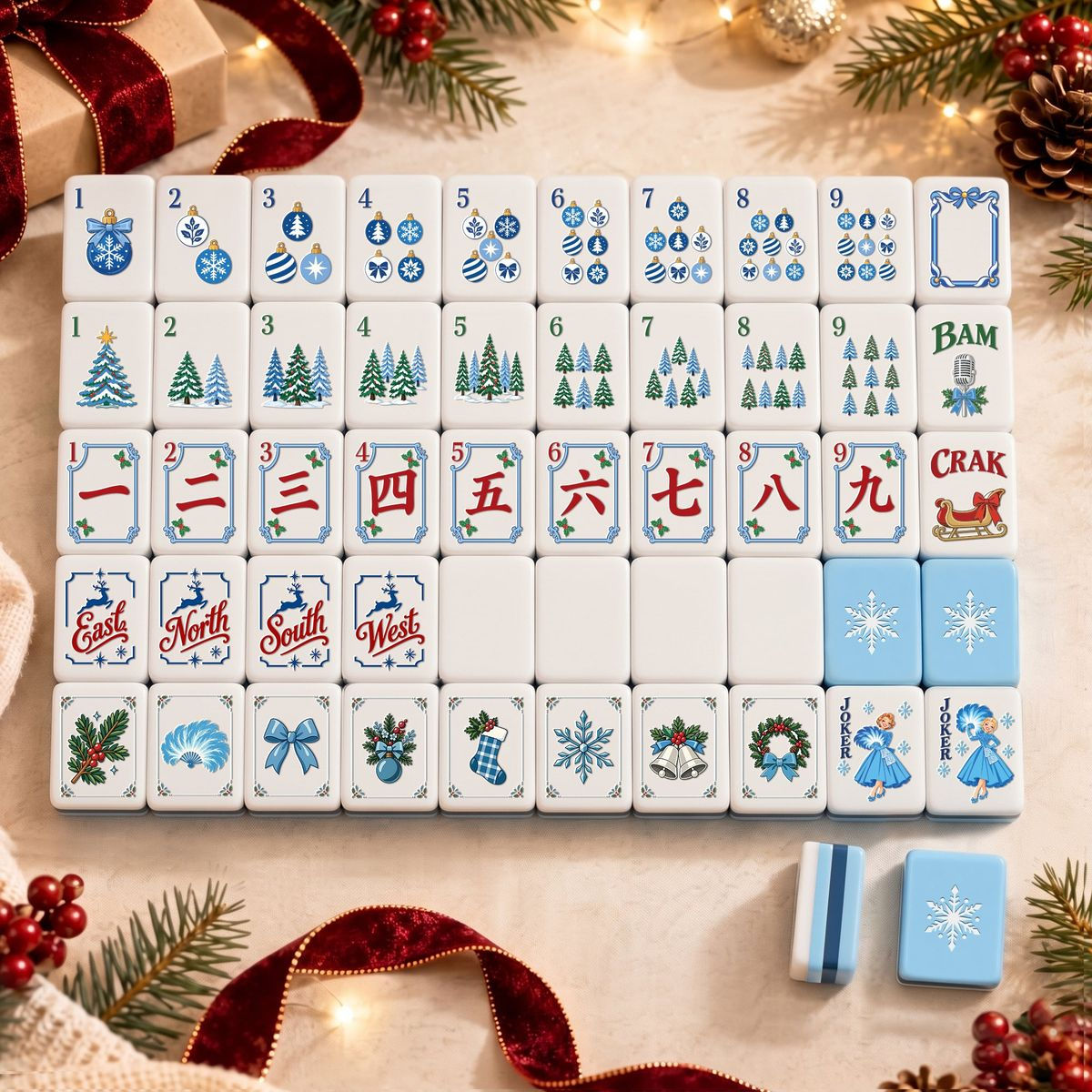
Open mahjong play in Tucson happens at public venues including city libraries, senior centers, synagogues, and country clubs that host weekly or monthly game nights. To find games, contact your local library reference desk, check community center bulletin boards, search Meetup or Facebook groups for "Tucson mahjong," and ask at synagogues (which often sponsor game events). Games typically run 2–4 hours, cost little or nothing to join, and use the current year's National Mah Jongg League card. You'll need a 152-tile American mahjong set, though most groups have spare sets. American mahjong requires exactly four players, a shuffler to randomize tiles before each hand, and basic familiarity with the League card. Beginners should learn the 13-tile opening draw, the Charleston passing ritual, and how to spot valid hands on the card before sitting down—or ask the table host if they teach new players.
Where do Tucson players meet for open mahjong games?
Tucson's mahjong community gathers at predictable locations. City libraries often host afternoon or evening game groups; call ahead to ask which days and what skill level they welcome. Senior centers (particularly those near central or north Tucson) frequently run weekly open-play sessions and may offer free or low-cost table space. Jewish community centers, synagogues, and church social halls regularly host mahjong nights—these are often open to players of all faiths. Country clubs and private recreation facilities sometimes allow non-members to attend public play sessions on designated nights. Search online community boards (Meetup, Facebook groups, Nextdoor) for "[Your neighborhood] mahjong" or "Tucson mahjong open play." The most reliable method is to call or visit your nearest library's reference desk and ask which mahjong groups use their meeting rooms.

What's the difference between open play and league play in Tucson?
Open play (casual, drop-in games) requires no membership, no pre-registration, and no score tracking—you pay no fees and play for fun or small chips. Players arrive, sit at available tables, and leave whenever they choose. League play involves joining an organized sanctioning body, paying membership dues, keeping official records, and competing for rankings. Most Tucson venues host open play; league play is less common locally but may be organized through the National Mah Jongg League or regional associations. If you're new, start with open play to learn the rules without pressure. Once you're confident, league play offers structure, standardized scoring, and a community of serious players.
What do I need to bring or know before showing up to an open game?
Minimum preparation checklist:
Arrive 10–15 minutes early to meet the host and other players.
Learn the 13-tile opening hand and what a valid hand looks like on the current League card.
Understand the Charleston passing exchange (14 tiles pass left, 14 center, 14 right, then optional 6-tile pass).
Know that American mahjong has NO sequences (chows)—only matching sets (pungs) and joker-wild groups (kongs, quints, sextets).
Bring cash or chips if the game uses stakes; most open play is money-free or uses friendly small bets.
Ask the host upfront: "Is this a teaching game?" or "Should I already know the card?"
Wear comfortable clothes and expect to sit for 2–3 hours.
If the group uses their own sets, ask if they have a spare; if you play regularly, owning your own best-selling set means you can host games at home and join private sessions.
🀄 Shop best-selling mahjong sets →
How do I learn American mahjong rules before showing up?
Start with the fundamentals in our mahjong for beginners guide, which covers the four-player setup, tile draws, and hand basics. Then study how to play American mahjong to understand exposed melds (pungs, kongs), the scoring principle, and when to call a tile. Watch an open-play session without joining—most Tucson hosts allow observers. Ask a player to walk you through one complete hand after the game ends. The most critical step: spend 15 minutes learning how to read the mahjong card (the reference that shows all valid hands for the year). American mahjong uses the current League card exclusively—hands from older cards or from Chinese/Hong Kong variants are not valid. Many Tucson groups post the card's link in their Meetup or Facebook description; download and print a copy before you arrive.
🎁 See our most-loved mahjong sets & accessories →

What common mistakes do new players make in Tucson games, and how do I avoid them?
Mistake | Why it happens | How to avoid it |
Calling a hand that's not on the card | Didn't reference the current year's League card | Print the card, keep it in front of you, check every hand you think you have |
Using a chow (1-2-3 sequence) | Learned Chinese/Riichi mahjong rules first | Remember: American mahjong has NO sequences; only matching pungs and joker-wild groups |
Jokers in a single tile or a pair | Misunderstood joker rules | Jokers replace tiles ONLY in melds of 3+ (pungs, kongs, quints, sextets); never in pairs or solos |
Discarding the wrong tile during Charleston | Confusion about pass direction (left, center, right) | Listen to the host call each direction aloud; count your tiles after each pass (must be 13 before the final pass) |
Arriving unprepared and slowing the game | Skipped the rules | Read how to play American mahjong and how to read the mahjong card before day one |
Tucson hosts are typically welcoming to beginners but appreciate players who've done minimal homework first.
What should I look for in a mahjong set if I decide to host games at home?
If you want to host weekly Tucson open-play sessions in your home, invest in a 160-tile set with clear, legible tiles and an organized carrying system. Look for:
Tile readability: Large, high-contrast characters (especially important for players over 60).
Weight and feel: Quality acrylic or composite tiles that shuffle easily without chipping.
A sturdy mat: A dedicated mahjong mat protects your table, dampens noise, and keeps tiles from sliding during play.
Racks with pushers:Racks and pushers hold 14 tiles upright and help players push down melds cleanly—a quality-of-life upgrade that speeds play and reduces misdeals.
Storage and portability: If you host at different locations or travel, a bag or case protects your set and keeps everything organized.
Sets with personalized engraving (monograms, names, or house logos) also make wonderful gifts for Tucson hosts and regular players. Our engraved American mahjong sets let you add your initials or a game name for a small upcharge.
✨ Find your Mahstead set — free US shipping →
What to check before you buy
Before purchasing a set to use in Tucson open-play games:
Confirm the tile count: American mahjong uses exactly 152 playing tiles + 8 jokers. Our sets contain 160 tiles total (152 playing + spare tiles for replacements).
Verify the set includes the current year's National Mah Jongg League card or confirm you can download it free from the League's official website.
Check the mat size: A standard mat fits most dining tables and comes rolled or folded; measure your host's table before buying.
Ask the host if they have house-specific rules (e.g., whether they allow the "loose tile" wall rule variant or use a specific scoring multiplier).
Test tiles for grip and shuffle: Visit an open-play session first if possible, hold other players' tiles, and see what feels right before you invest.

FAQ
Is mahjong legal to play for money in Tucson?
American mahjong is typically played recreationally. Small friendly bets or chip games are common at home games; check with the venue host about their policy before you arrive. Never assume stakes without asking.
Do I have to know the entire mahjong card before playing open games in Tucson?
No. You don't need to memorize it—just learn to read and scan it during play. Most players keep the card in front of them and reference it every hand. Ask the host for a printed copy and spend 10 minutes learning the layout before the first hand.
What if I'm the only beginner at a Tucson open-play table?
Tell the host immediately. Good groups will either teach you the first few hands, slow the pace, or pair you with an experienced "buddy" for your first session. If a table is impatient with beginners, it's not a welcoming group—find another one.
Can I play mahjong with fewer or more than four players in Tucson?
American mahjong requires exactly four players. Some groups offer separate 2- or 3-player variants using modified rules and a different tile set, but standard open play is always four. Ask the host if they run alternative formats.
How much does it typically cost to join an open-play game in Tucson?
Most public open-play sessions (libraries, senior centers, synagogues) are free or charge a small hourly fee (if any). Private home games may ask for a small contribution toward snacks or ask everyone to bring refreshments. Money games vary by host stakes.
Should I bring my own set to Tucson open-play games, or do hosts usually provide one?
Hosts almost always have spare sets available. You don't need to bring your own unless you prefer your personal set—which is handy if you play multiple nights a week at different locations. A well-made set with a mat and bag makes traveling between venues easier.


View More
View More
View More
