
Mahjong Open Play in Tampa: Where to Find Games & How to Join
Last updated: Nov 23, 2026
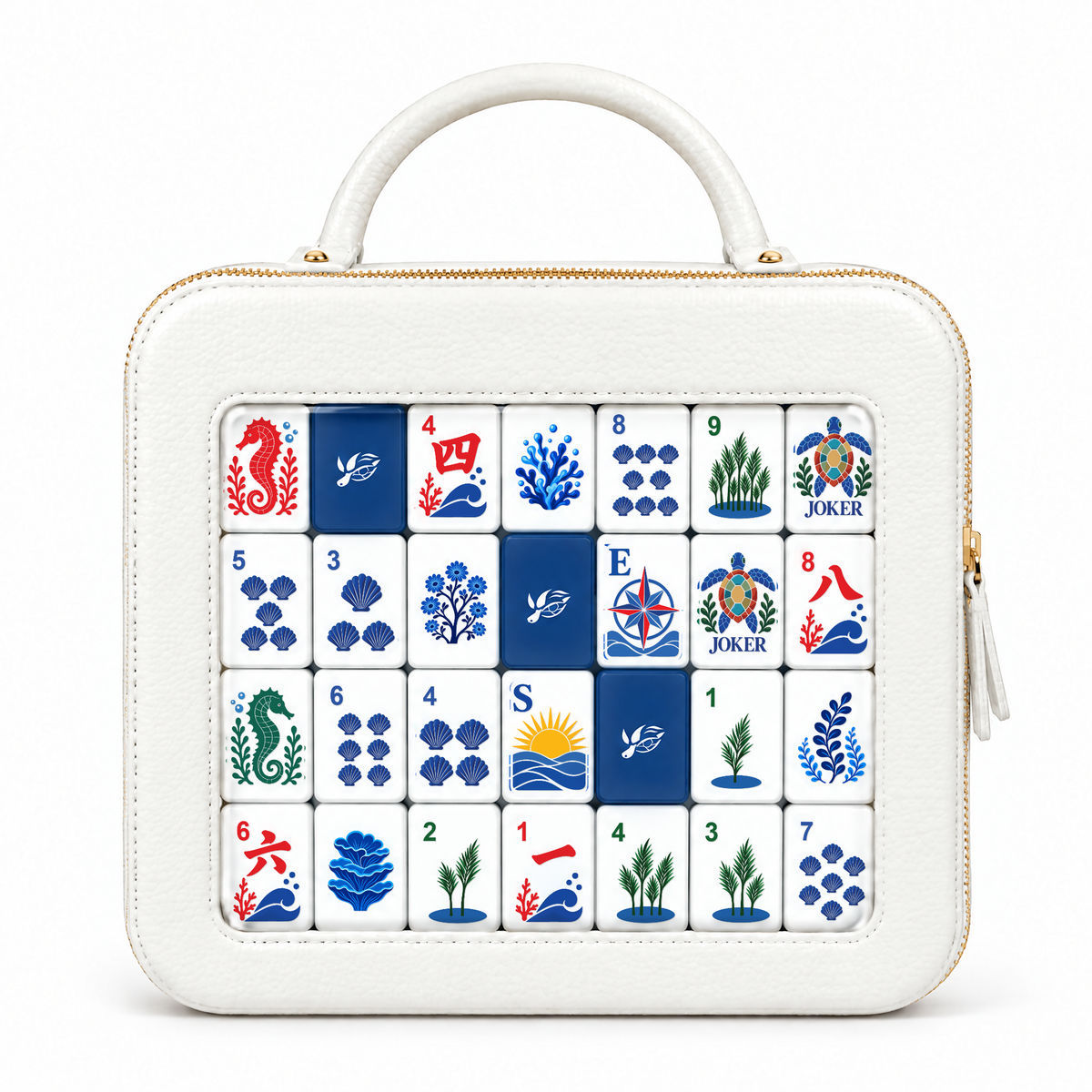
Open-play mahjong in Tampa happens most Sundays and Wednesdays at public libraries (check the main branch and Carrollwood), community recreation departments (ask at the Parks & Recreation office), and Jewish synagogues around the Carrollwood and South Tampa neighborhoods. A typical open game runs 3–4 hours, costs nothing to join, and welcomes players at all levels. Most groups use the current National Mah Jongg League card and play American rules: 152 tiles, four players, exposable groups (pungs, kongs, quints, sextets) and no sequences. We recommend arriving 15 minutes early with a best-selling mahjong set, a mat, and a copy of the current year's card; many groups share sets, but bringing your own acrylic tiles earns instant respect and ensures reliable play. Call ahead—group schedules shift—and ask whether the table uses live scoring or scorecards.
Where exactly do Tampa players gather?
Start with Tampa-Hillsborough County Public Library branches and your local Parks & Recreation center. Libraries often host open-play sessions in community rooms; staff can confirm days and whether you need to reserve a table. Synagogues in the Carrollwood, Westshore, and South Tampa zip codes frequently sponsor Tuesday or Friday afternoon games. Check the building bulletin board or call the main office. Some players also meet at country clubs and upscale community centers, though those may require membership or a guest fee. Meetup boards and Craigslist have occasional posts for drop-in games, but library and synagogue groups are the most stable week-to-week. When you call, ask for the contact person's name and confirm the next playing date.

What do you need to bring to your first open game?
You'll need the current year's National Mah Jongg League card, pencil, and a way to keep score. Bring a set—either your own or borrow one at the table. A mahjong mat keeps tiles organized and looks professional; most players carry one. Wear comfortable clothes and expect to sit for 3 hours. Have cash if the group splits snacks or uses a pot for prizes (rarely formal, usually under 5 dollars a player). If you don't own a set, ask the group leader if you can bring your half of one—most veteran players travel with a 160-tile acrylic set because they're durable and travel-ready. A pen that grips well helps during scorekeeping. Leave your phone in your bag so you can focus; no one appreciates a distracted player.
🀄 Shop best-selling mahjong sets →
How do open-play groups work differently from league play?
Open play has no membership, no rating system, and no formal tournament structure. You show up, pay nothing or minimal snacks, and play American rules for fun and social connection. League play, run by the National Mah Jongg League, charges annual membership, tracks your score, and has competitive tiers. Open-play groups don't use league ranking—you simply shuffle in and play the hand. Seating is random (often East, South, West, North based on drawing tiles). Scoring follows the standard American card, but most open groups play for fun rather than money. If someone is new, expect a brief explanation of hand notation and the Charleston passing ritual before you start. Open games move slower than experienced league tables, and that's by design—the goal is friendship and learning, not speed.
What does a beginner need to learn before sitting down?
Study how to play American mahjong and how to read the mahjong card for 30 minutes before your first game. Learn the three suits: Bams, Craks, Dots. Understand that American mahjong has no chows (sequences like 1-2-3)—only pungs (three identical), kongs (four identical), quints (five), sextets (six), and pairs. Know that you draw one tile each turn, discard one, and call when you complete a hand from the current card. Watch the Charleston explained to see how tiles pass before the first hand. Practice reading the card's hand notation (numbers and symbols) at home so you recognize patterns at the table. Bring a notebook and jot down questions. Most Tampa open-play groups have at least one patient veteran who welcomes first-timers. Don't worry about speed; you'll find your rhythm in 2–3 games.
🎁 See our most-loved mahjong sets & accessories →

What's the unwritten etiquette at an open game?
Arrive on time and stay through the session—leaving early disrupts the game. Discard clearly and place tiles in the center where all can see. Don't comment on another player's tiles or strategy; let players draw their own conclusions. Don't distract the player deciding what to discard. If you make a mistake, tell the table immediately; honesty earns respect. Keep your hand upright in a mahjong rack with pushers so tiles don't spill. Don't replay hands or question scoring once the game moves forward. If you win, stay humble. If you lose, congratulate the winner. Offer to bring snacks or water for the next session; small gestures build community. Most importantly, show genuine interest in your table mates. Mahjong is half game, half friendship—respect that balance and you'll be invited back.
Comparison: Setting up your first game day
What to prep | Why it matters | Before you go |
Current year card | Hands only come from the card; an old card means unplayable hands | Download from the National Mah Jongg League or print at home |
Acrylic 160-tile set | Durable, quiet, professional; borrowing works, but your own set earns credibility | See current price on the product page |
Mat | Keeps tiles organized, prevents spills, looks polished at the table | Fold-up mats are easiest to carry in a bag |
Pencil & notepad | Hand notation is written; you'll want to track sequences | Bring one for yourself and offer extras to new players |
Comfortable shoes | You sit 3 hours; your feet matter | Avoid heels; wear flat shoes or sneakers |
Copy of scoring guide | You won't memorize points your first week; reference helps | Ask the group leader for a laminated cheat sheet |
✨ Find your Mahstead set — free US shipping →
What to check before you buy a set for regular open play
If you're planning to play weekly, invest in a best-selling mahjong set that matches your hosting style. Acrylic tiles are loud but durable; bamboo tile sets are quieter but wear faster. Look for 160-tile sets (152 playing tiles plus spares) so you have replacement jokers if any go missing over months of play. Check that tiles are engraved, not just printed—engravings stay sharp after 50+ shuffles. Choose a set with a matching mahjong mat and rack with pushers so your rig looks unified. If you travel to games, get a travel bag or case that fits your set and mat. Many serious players bring their own setup to open games so they're never stuck playing with old, chipped tiles. Ask at your first open game which design (neutral, engraved with titles, holiday-themed) your group prefers—some tables have inside jokes about colorful sets.
Why Tampa's open-play community is worth joining
Tampa has a 20+ year history of mahjong clubs and library groups. The community welcomes players aged 35 to 85 and skill levels from brand-new to expert. Many groups meet year-round, so you can make standing friends and steady progress. The culture is casual and generous; you'll often see experienced players mentoring newcomers. Most games end by 3 p.m., so you have the rest of your day free. Many Tampa players also travel to tournaments in Florida and beyond, so joining open play opens doors to a larger network. The social payoff—friendship, laughter, mental challenge—is why people keep coming back after the first hand.

FAQ
Do I need to own a mahjong set to play in Tampa open-play groups?
No. Most groups share sets and have extras on hand. That said, bringing your own 160-tile acrylic set shows respect, ensures familiar tiles, and earns you a spot at the best table.
What's the difference between American and Chinese mahjong rules at Tampa tables?
Almost all Tampa open-play groups use American rules (no chows, current-year card hands, jokers). Chinese mahjong is a separate variant played less frequently locally. Ask the group leader before your first game to confirm.
How much does it cost to play open mahjong in Tampa?
Most open-play groups in libraries and community centers charge nothing. Some synagogue groups may ask for a small snack or facility donation, but no formal entry fee. Ask when you call ahead.
Can I play mahjong in Tampa if I'm a total beginner?
Yes. Open-play groups welcome beginners. Arrive 15 minutes early, watch one hand, ask questions, and jump in for the second game. Most players remember learning and will help.
Where do I find the current National Mah Jongg League card for 2026?
Visit the National Mah Jongg League website, print the card at home, or ask your group leader for a copy. Many tables keep laminated cards on hand for reference.
What time of year do Tampa open-play groups meet?
Year-round. Most groups play Sundays and Wednesdays 1–4 p.m., but schedules vary by location. Call your library or synagogue to confirm their exact dates and times.
Should I bring my own scorecards or does the group provide them?
Most groups use standard NMJL scorecards or pencil-and-paper. Bring a notepad and pen; the table will share scoring sheets or you'll track points on your own paper.


View More
View More
View More
