
Mahjong clubs in Hilton Head: where to play and how to join
Last updated: Nov 23, 2026
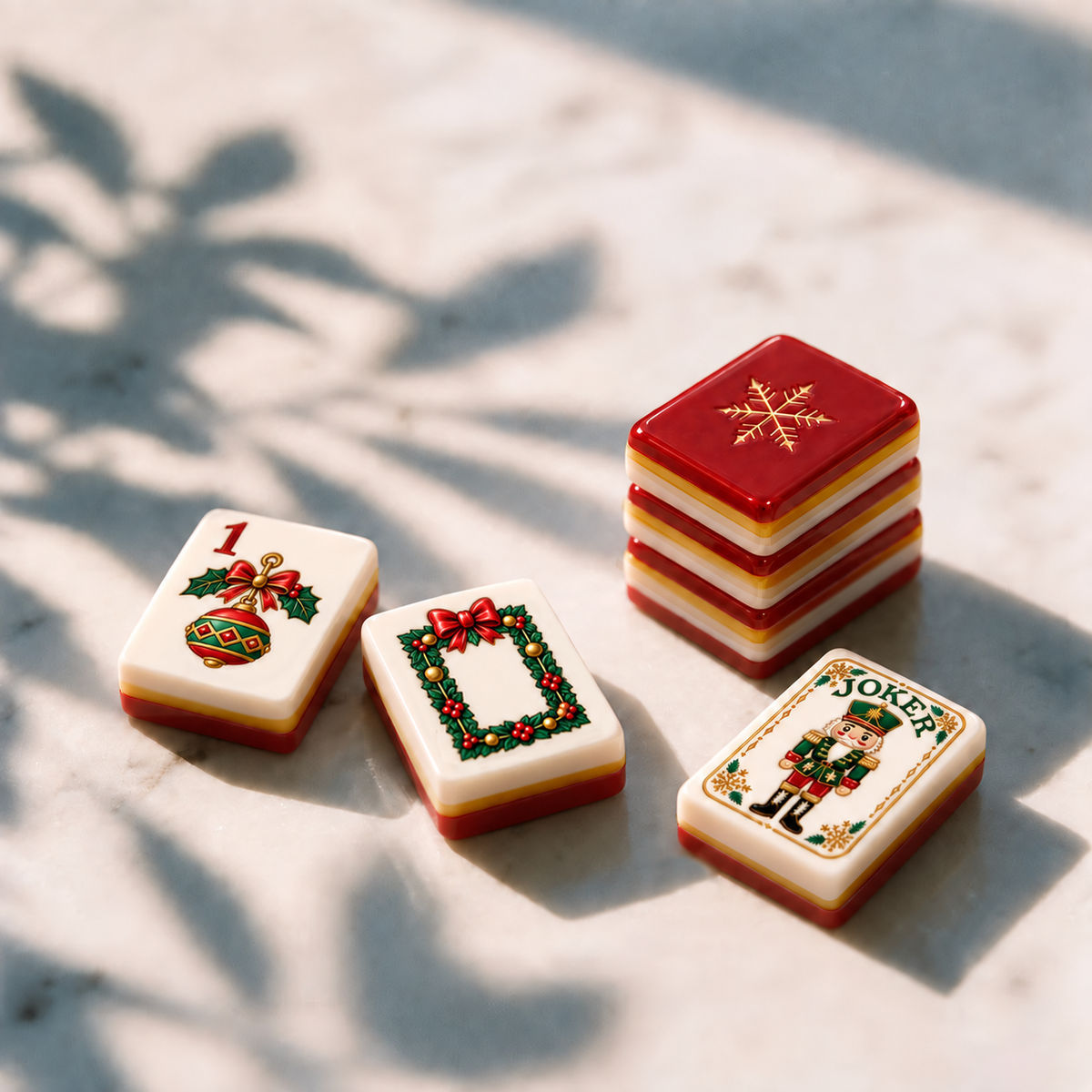
Hilton Head has mahjong players scattered across community centers, country clubs, and private homes, though no single "official" club directory exists. To find games, start by calling the Hilton Head Island Recreation Department or visiting the main branch of the Beaufort County Library System—both host classes and can connect you to regular players. Ask at country clubs in the area; many sponsor weekly games. Check Meetup.com for mahjong groups organized by locals, or post in neighborhood Facebook groups (especially those focused on retirees or hobbies). If you can't find an existing game, hosting your own is easier than ever: get an American mahjong set and a padded mat, invite three friends, and you're ready. Expect friendly, casual play and the joy of joining a game played by millions worldwide. 🀄 Shop best-selling mahjong sets →
How do I find an existing mahjong club in Hilton Head?
The fastest path is to contact Hilton Head's recreation and library services directly. Ask for mahjong classes or "mahjong meetups"—staff often know who's playing. Country clubs and golf communities frequently organize weekly games; call and ask the activities coordinator. Social media works: search Meetup.com for "mahjong Hilton Head" or post in local Facebook groups. Neighbors who play are usually delighted to recruit a fourth player, so persistence pays.

What should I bring to my first game?
Come ready to learn, not just play. Bring a notebook (rules change slightly from year to year), ask if the group uses the current National Mah Jongg League card, and confirm which variant you're playing—American mahjong is standard in South Carolina. The host provides the tiles, mat, and racks unless you're rotating hosts. If you're nervous, say so; most players remember being new and will teach as you go. Bring water and a snack to share if you're playing for three hours.
What tiles and equipment do I need if I host my own game?
American mahjong uses 152 playing tiles plus 8 jokers—a complete set is 160 tiles total, available in acrylic or bone. You'll also want a padded mahjong mat to protect your table and dampen noise (crucial if you're playing above a neighbor's home, common in Hilton Head condos), racks with pushers to hold and organize your hand, and two dice to determine seating. Our best-selling collection includes sets designed for easy grip and bright, readable tiles—acrylic won't chip if bumped during shuffling. Many hosts buy a padded carrying case so they can transport everything to a friend's house without wear.
Here's a simple decision table for outfitting your game:
Item | Who needs it | Why it matters | Bonus |
160-tile acrylic set | Every host | Won't warp or yellow; lasts years | Quiet shuffling |
Padded mat | Condo/apartment hosts | Protects furniture; reduces noise | Players see tiles clearly |
Racks with pushers | 4 players | Keeps your hand private; reduces tiles on table | Speeds up play |
Carrying case | Rotating hosts | Prevents chipping; stays organized | Easier to set up |
Two dice | Every host | Standard for seating; confirms luck | Makes first hand fun |
Why does Hilton Head have so many mahjong players?
The climate (mild winters mean year-round play outdoors or in screened porches), the retiree population (many who learned the game decades ago), and the social structure (strong community centers and clubs) combine to create a thriving casual scene. Players here tend toward American mahjong, which uses the annual National League card and is simpler to learn than Chinese variants. If you're visiting or new to the area, you're joining a tradition—mahjong has been a Hilton Head staple for over 40 years.

How do I learn American mahjong before my first game?
Start with the fundamentals: American mahjong uses three suits (Bams, Craks, Dots), winds, dragons, flowers, and jokers. The goal is to build a hand matching one of the patterns printed on that year's National League card before anyone else does. Spend an hour reading how to play American mahjong and watch a video or two—YouTube has dozens of beginner walkthroughs. The Charleston (the tile-passing ritual) and jokers are the trickiest parts; once those click, the rest flows naturally. Most clubs allow new players to play their first hand with help from experienced players sitting nearby.
What if I want to join a club but have never played?
Honesty is your strength. Call ahead or ask in a Facebook post: "I'm new to Hilton Head and would love to learn mahjong—is anyone looking for a fourth?" Experienced players almost always say yes. Many groups have a teaching night each month. Ask if they play American mahjong (the most common variant) and if they use the current card. Show up 15 minutes early to watch a hand or two before your turn. Bring a notepad and ask questions during play. Most players learned from friends, not classes, so they expect to teach; humor and willingness to learn matter far more than skill on day one.
What to check before you host your first game
Tile quality: Acrylic tiles won't warp in humid Lowcountry summers; bone/bamboo sets are traditional but require care. Check that all 160 tiles are present (152 playing tiles + 8 jokers) before inviting friends.
Mat size: A padded mat should fit your table and leave room for each player's rack, discard pile, and the draw wall. Measure your table first (36"–48" square is typical for four-player games).
Racks and pushers: Test that your racks hold tiles securely and pushers glide smoothly before the first game. Stiff or broken pushers frustrate new players.
Card availability: Download or print the current year's National Mah Jongg League card for all four players. Playing without it leads to confusion and house-rule arguments.
Lighting: Ensure overhead light or a bright lamp illuminates the table. Poorly lit tiles are misread constantly, especially by new players.
🎁 See our most-loved mahjong sets & accessories →
A beginner's step-by-step checklist for joining or hosting
Research: Call recreation centers, libraries, or country clubs; post on Meetup or Facebook.
Attend once: Watch a full game (90 minutes) before playing to absorb the rhythm and rules.
Ask for the card: Confirm the group uses the current National League card; borrow or print a copy.
Learn the basics: Spend 30–60 minutes on how to play American mahjong so you understand suits, patterns, and the Charleston.
Bring supplies: If hosting, buy a complete 160-tile set, a padded mat, racks, two dice, and a case for easy transport.
Start small: Invite one friend who knows the game and one who doesn't; let the experienced player teach as you play.
Keep score: Buy a small pad of paper or use your phone to track points, or ask an experienced player to keep score until you're comfortable.
Host regularly: If you enjoy it, offer your home every other week; consistency builds a loyal group.
✨ Find your Mahstead set — free US shipping →

FAQ
Is American mahjong different from Chinese mahjong?
Yes. American mahjong uses 160 tiles (152 playing + 8 jokers), no sequences (only pairs and groups of identical tiles), and a printed card that changes yearly. Chinese mahjong uses 144 tiles, allows sequences, and has different scoring and hand patterns. If you're new, ask the group which they play—Hilton Head groups almost always play American.
Can I play mahjong if I don't know the National League card?
No, the card is essential. It shows every legal hand for that year; without it, you won't know what you're building toward. Ask your host to print a copy for you or download it from the National Mah Jongg League website before your first game.
How much does it cost to start playing mahjong in Hilton Head?
Joining a club is usually free or requires a small annual membership (many community centers charge under $50 yearly). If you host, a quality 160-tile acrylic set is a one-time investment; see current prices on our product pages. A mat, racks, and case add comfort but aren't essential for a casual home game.
How long does a mahjong game take?
A single hand (one round) lasts 10–20 minutes; a full game is typically four hands, so plan 60–90 minutes total. Social games often run longer because players chat between hands.
What's the best way to practice before joining a club?
Watch videos, read how to play American mahjong, and ask a friend who plays to walk you through one hand at home. Understanding the Charleston, jokers, and how to read the card are the three things that matter most; you'll master strategy by playing.
Can I learn from watching others play?
Absolutely. Spend 30–60 minutes watching an experienced group before you join. You'll pick up the pace, the terminology, and the etiquette. Most players welcome observers and will pause to answer a quick question between hands.


View More
View More
View More
