
Mahjong Open Play in St. Louis: Where to Find Games
Last updated: Nov 23, 2026
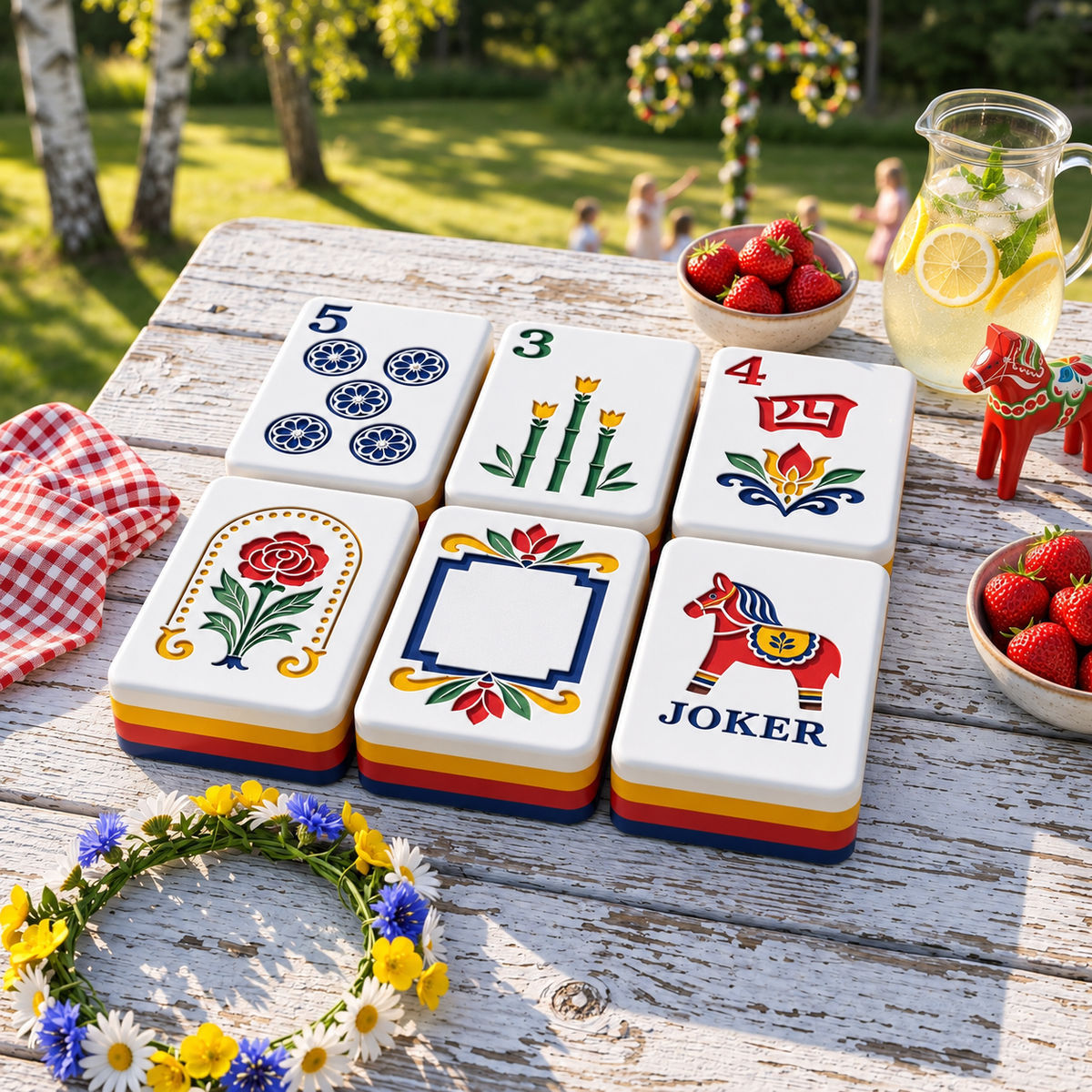
Open play in St. Louis happens at community centers, libraries, synagogues, and country clubs—call ahead to confirm game times and skill levels. Most groups play American mahjong on weekday afternoons or weekend evenings and welcome beginners. Start by contacting your local public library reference desk or searching community bulletin boards (Meetup, Facebook groups, local senior center websites) for "mahjong" and your neighborhood name. Most games run 2–4 hours; bring a valid ID and small cash if there's a table fee. You'll need your own best-selling mahjong sets or be prepared to share one. Avoid showing up without calling first—groups shift venues or take breaks seasonally—and never assume a game is ongoing without confirmation from the host.
Where do St. Louis players find regular open play?
The easiest entry points are community centers and public libraries in your district—they maintain bulletin boards and staff who know active groups. Call the main branch first; many host or know of weekly games. Check Meetup and Facebook for "St. Louis mahjong" and your zip code; groups often list meeting spots and times there. Synagogues frequently host open play Tuesday or Thursday afternoons; call their office to ask which days are active. Country clubs sometimes permit non-members to join open play nights if you know a member who vouches for you.

What skill level should you have before joining open play?
You don't need to know scoring or memorize hands—open play is where you learn them. Understand the basic tile names (Bams, Craks, Dots, winds, dragons) and know that a hand must match the current year's National Mah Jongg League card. Experienced players will coach you through the Charleston and explain calls. Arrive knowing pungs (3 identical tiles) and kongs (4 identical) are exposed, jokers serve as wild tiles, and the game plays with exactly 152 tiles. If you're unsure, read our mahjong for beginners guide before your first session—it covers the essentials without overwhelming you.
🀄 Shop best-selling mahjong sets →
How do you prepare your tiles and gear for open play?
Bring a complete 160-tile set—all 152 playing tiles plus spares—clean and organized. Your set should include pushers and racks to speed up play; most open play groups expect players to have their own. A mahjong mat is optional but helps keep tiles upright and organized—some groups share a mat, others require you bring one. Use a bag or case to transport everything without tiles spilling. Before you leave home, verify your tile count: shuffle all 160 and confirm no tiles are cracked, missing, or stuck. Groups appreciate tidy, complete sets—it speeds up play and keeps the game flowing.
What happens during your first open play session?
Arrive 10–15 minutes early, introduce yourself, and ask where to sit. Hand your set to the organizer or dealer; they'll inspect it and return it when the game ends. During the Charleston (the pre-game tile exchange), listen to the direction calls—South, West, North—and pass as instructed; veterans won't mind if you ask for guidance. Watch the player with the current year's National Mah Jongg League card as they read hands aloud; you'll see the pattern. When it's your turn to draw and discard, name the tile you're putting down—"two Dot," "West wind"—so everyone hears it. If you're confused, ask. No one minds explaining during open play; that's why it exists.

What are the most common open play mistakes to avoid?
Don't assume one group's rules match another's—always ask about scoring method, pung vs. kong payment, and whether they play table rules (special local variations). Never mix your personal set with house tiles halfway through. Don't join a table mid-game without permission; always wait for the end of the hand or a natural break. Avoid handling jokers carelessly—they're currency in open play and get lost easily. Don't assume beginners will be slow; some pick it up fast and others are revisiting after years. Most important: confirm the meeting location and time the day before by phone or message—online listings sometimes lag, and groups reschedule.
Aspect | What to Know | Why It Matters |
Tile Set | Must be complete 160 tiles with pushers and rack | Groups won't use incomplete or loose-tile sets |
Arrival Time | 10–15 min early; call 24 hours ahead | Venue and time can shift; no-shows waste table space |
Card Knowledge | Recognize hand patterns, read the League card aloud | Speeds play and prevents disputes over valid hands |
Discard Naming | Say tile suit and number clearly | Prevents "I didn't hear that" claims; enforces fair play |
Payment Style | Ask cash vs. points vs. honor play before sitting | Groups have firm preferences; mismatches create friction |
🎁 See our most-loved mahjong sets & accessories →
How do open play groups differ from club membership or lessons?
Open play is drop-in, no commitment, no membership fee (sometimes a small table fee). A club or synagogue program may charge a seasonal membership and have fixed rosters. Private lessons with a teacher are structured, one-on-one, and cost more—best if you're learning fast. Open play is ideal if you want to practice immediately, meet new players weekly, and improve through live games. Join open play first; if you love it and want deeper study, ask veterans for lesson referrals. Most St. Louis groups are welcoming and can steer you toward all three options.
What to check before you buy or bring your first set:
Tile size and material: Ask the group what they use (acrylic is standard; some prefer bamboo). Your set should match their tiles' scale so they don't clash in the wall.
Joker count: Your 160-tile set comes with spares; confirm the group uses only the standard jokers, not extras.
Rack and pusher quality: Cheap racks jam during fast play. Test yours at home first.
Case or bag durability: You'll carry this weekly; invest in a sturdy one to avoid tile loss during transport.
Cleaning: Wipe tiles monthly with a soft cloth to keep them smooth and readable under dim club lighting.
✨ Find your Mahstead set — free US shipping →

FAQ
Can I attend open play if I've never played mahjong before?
Yes. Open play groups in St. Louis expect beginners and will coach you through your first hand. Arrive knowing tile names and that hands come from the National Mah Jongg League card; other rules are taught live.
What's the average cost to join open play in St. Louis?
Most groups charge zero to five dollars per person per session or play for honor (no money). Call ahead to ask; payment method varies by venue.
Do I have to own a mahjong set to play open play?
No, but most groups expect you to bring one. If you don't own a set yet, ask the organizer if you can share or borrow for your first session; then buy your own before returning.
How do I find out which St. Louis library or community center hosts mahjong?
Call your local library's reference desk and ask if they host mahjong or know of groups nearby. Check Meetup, Facebook group boards, and your city's recreation department website for "mahjong open play."
What if I live in a St. Louis suburb—are there open play groups outside the city?
Many suburbs host games at their own libraries, community centers, and synagogues. Search by suburb name plus "mahjong" on Meetup and Facebook; call your local recreation office to ask.
Should I read the National Mah Jongg League card before my first open play session?
Learn the basics: a hand must match a printed pattern on the card, pungs are three identical tiles, kongs are four, and jokers are wild. Our how to read the mahjong card guide covers the rest in 10 minutes.


View More
View More
View More
