
Cute Mahjong Racks with Pushers: Designs for Every Player
Last updated: Nov 23, 2026
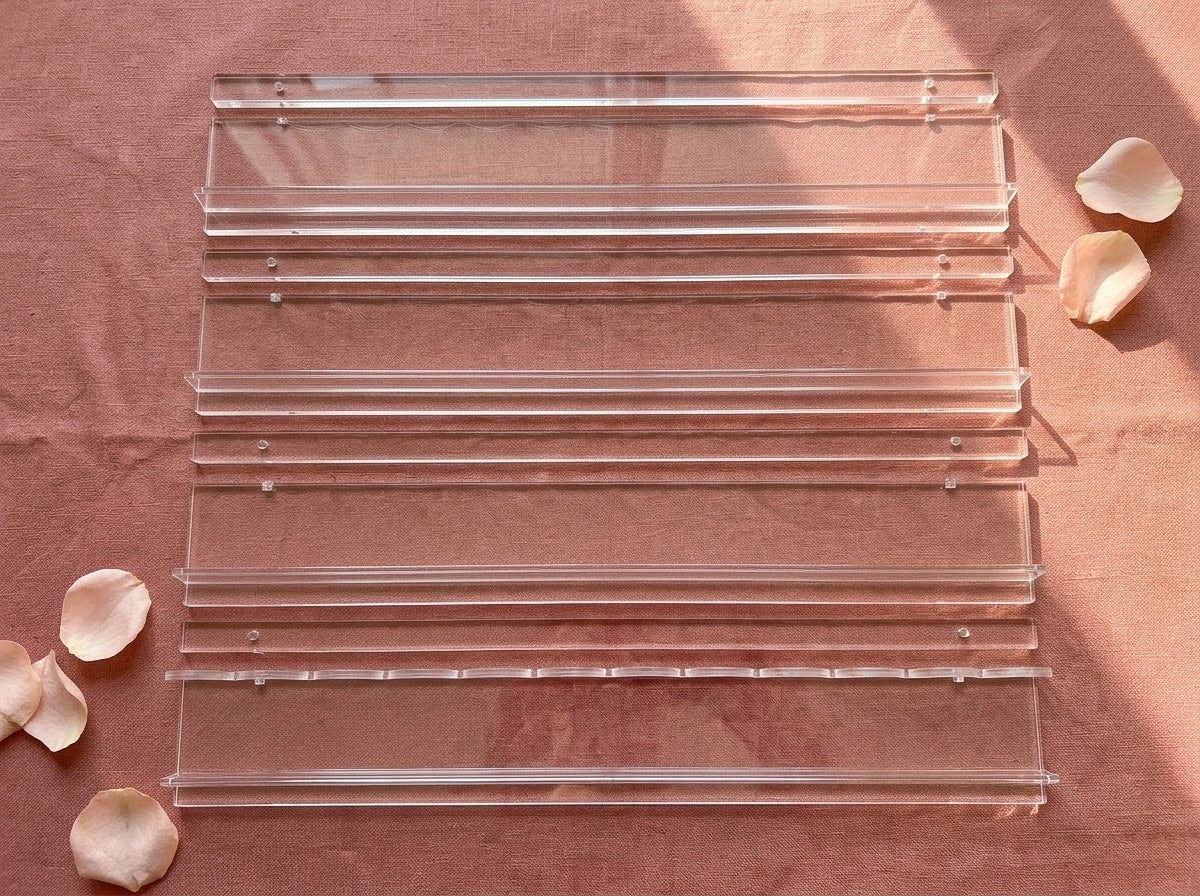
A mahjong rack with pushers is a carved wooden or acrylic frame that holds your hand of tiles upright while pushers help you organize and reveal them smoothly. American players typically use racks angled at 45 degrees to keep tiles hidden from opponents while you sort them by suit and number. Racks come in widths to hold 14–18 tiles; most are sold in sets of four (one per player) and pair with pushers—small tabs that slide tiles up as you draw or discard. At Mahstead, we offer acrylic racks with pushers in engraved designs, from minimalist geometric patterns to humorous phrases tailored to your group's humor. The right rack prevents table fumbling, keeps your hand private, and makes weekly games feel more polished. Before ordering, check the tile width your set uses and confirm your mat has room; most standard tables accommodate four racks comfortably.
Why Do You Need Racks and Not Just Hold Tiles in Your Hand?
In American mahjong, you must see all your tiles at once to match hands from the year's card quickly—and opponents must not see them. Hand-holding leads to fumbling, accidental reveals, and slower play. A rack angled away from other players lets you sort by suit (Bams, Craks, Dots), number, and pairs while keeping your strategy hidden. Pushers let you slide tiles up smoothly without touching them directly, a practice that avoids misdrawing or accidentally knocking others' tiles. Most serious players use racks in every game; they speed rounds, reduce mistakes, and give your table a finished look.

What Design Styles Are Available and Who Are They For?
Racks range from modern acrylic with clean engraved lines (ideal for minimalist setups and gift-givers who want elegance) to playful designs with mahjong puns, friendship themes, or cultural patterns. Humorous racks—engraved with jokes like "East Wind, East Problem" or "Mahjong Tournament" phrases—suit friend groups who share inside jokes and want their table to feel personal. Floral or geometric patterns work well in upscale home games or corporate team-building events. Personalized racks with names or initials suit regular players in the same seat every week or as lasting gifts for retiring players. Choose based on your group's tone: formal home game, casual friend group, or competitive league. Most Mahstead racks feature designs that spark conversation and make your weekly ritual feel special without overwhelming the table.
🀄 Shop best-selling mahjong sets →
How Do Racks and Pushers Fit Together With Your Mat and Tile Set?
Your rack, pusher, mat, and tile set must work as a team. Tiles in American mahjong sets are all the same width; Mahstead acrylic sets use standard proportions, so racks fit without gaps or shifting. Your mat should have enough space around its perimeter—typically 12–18 inches per side—so all four racks fit comfortably angled upward. If you use a mahjong mat with a recessed tile area, make sure the rim doesn't block the pusher mechanism. Most Mahstead racks with pushers are designed for standard tile sizes and work with our mats out of the box. Measure your table depth (racks need roughly 8 inches of forward space) and tile set width before ordering. If you're upgrading from hand-holding to racks for the first time, add them slowly—ask one player to use a rack first, then others follow as they see the speed and comfort gain.
Rack Style | Best For | Setup Time | Why It Works |
Minimalist engraved acrylic | Elegant home games, neutral décor | <2 min | Clean lines, no distraction, pairs with any mat. |
Humorous phrase design | Friend groups, casual weekly games | <2 min | Builds table culture, sparks laughter, memorable. |
Floral or cultural pattern | Cultural groups, upscale events | <2 min | Honors heritage, feels intentional and thoughtful. |
Personalized name/initials | Regular players, retirement gifts | <2 min | Personal keepsake, identifies each player's seat. |
What Should You Check Before Ordering Cute Racks?
Before buying, confirm: Tile set compatibility. Measure the width of one tile from your set (or the set you plan to buy). Most American tiles are uniform; Mahstead racks are designed to fit standard sizes, but if you own a specialty set, verify the rack width matches. Table space. Measure from the edge of your table inward at least 10 inches to ensure racks don't overhang or cause crowding. On a compact table, angle the racks more steeply or sit closer. Pusher length. Pushers should extend just past the tile edge without jamming—test the fit with one tile before committing to four racks. Seating and sight lines. Confirm the angle hides tiles from opponents sitting to the left and right; if one player sits very close, adjust their rack angle or test it in a trial game. Material durability. Acrylic racks are lightweight, easy to clean, and less prone to warping than wood; they survive drops and humid basements better. Design alignment with your group. If you're gifting racks, choose a style that fits the group's humor and table culture—a loud pun works for casual players, not formal clubs. Most players who test racks use them exclusively within one month; the comfort and speed boost is noticeable fast.
🎁 See our most-loved mahjong sets & accessories →
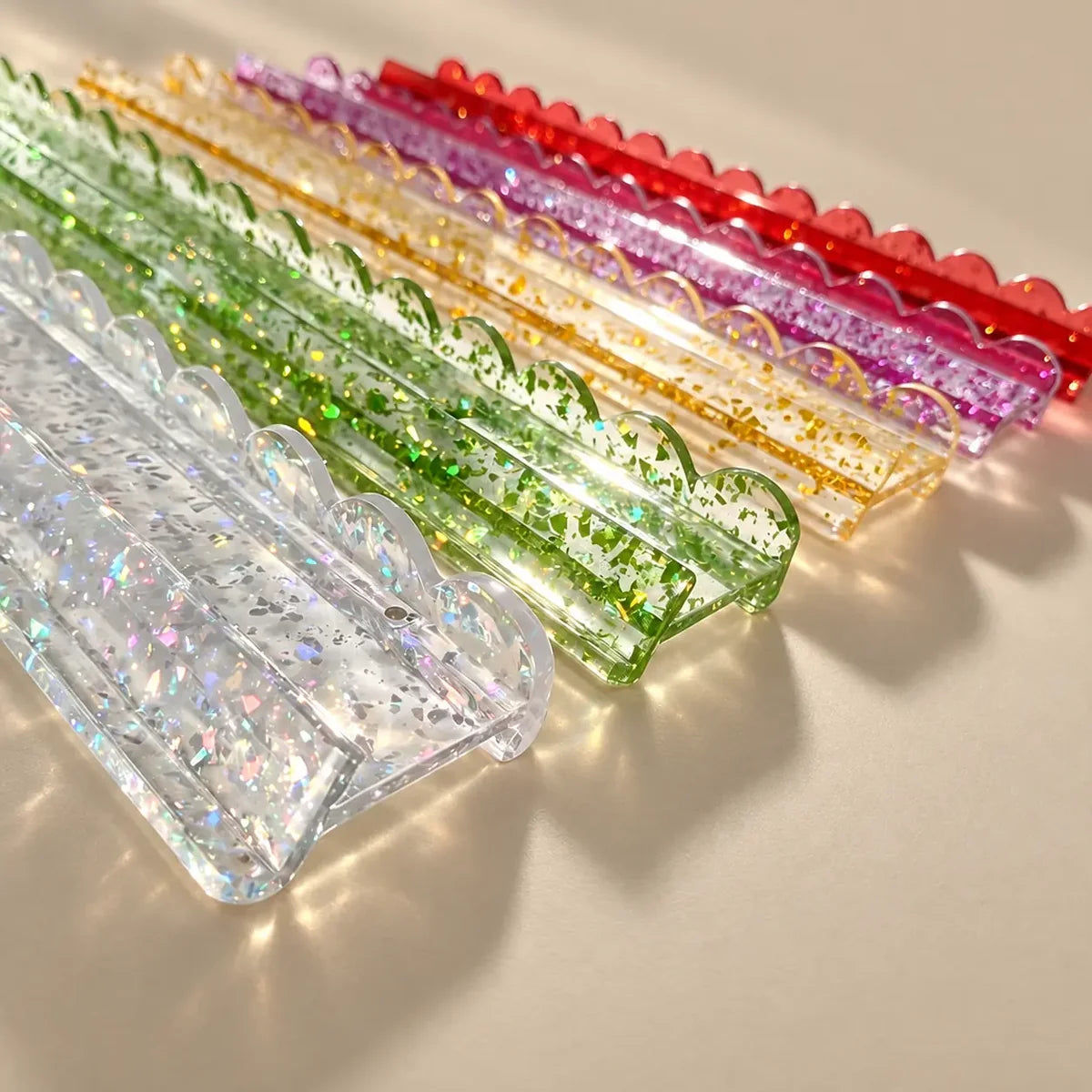
How Do Racks Compare to Other Tile-Holding Methods?
Hand-holding: Slow, prone to fumbles and tile-knocking, opponents can see tiles if you're not careful. No setup cost, but higher mistake rate and slower rounds.
Folding cardboard racks: Cheap, compact for travel, but fragile—bends easily, edges fray, pushers crack. Better than hands, worse than acrylic long-term.
Basic wooden racks without pushers: Sturdy, quiet, traditional feel. But without pushers, you must lift and reposition tiles by hand, negating much of the speed advantage.
Mahstead acrylic racks with pushers: Durable, smooth, engraved with personality, easy to clean, and the pusher mechanism works the same way every game—no learning curve. They cost more upfront but last for years and make your table feel intentional and polished. Most players who invest in acrylic racks use them for 5+ years without replacement.
What Extras Should You Include When You Buy Racks?
When you order racks, also consider: A matching mat. Racks sit on your mat; a coordinated design (or neutral mat that complements any rack pattern) ties your setup together and signals to guests that you take the game seriously. Browse mahjong mats with surfaces that won't let racks slide. A complete tile set. If you're building your table from scratch, pair your racks with a quality American mahjong set—racks and pushers are only as good as the tiles they hold. A travel bag or case for transport. If you host or rotate games, racks, mats, and sets need protection; mahjong bags and cases fit racks snugly without damage. Dice and pushers extras. Pushers can wear or get lost; having spares on hand (ordered with your racks or bought separately) means no interruption to your game.
✨ Find your Mahstead set — free US shipping →
What's the Best Way to Use and Care for Your New Racks?
After you unpack your Mahstead racks with pushers, wipe them with a soft cloth to remove any dust from packing. Position them on your mat at a 45-degree angle—high end away from the player, low end toward the table center. Slide one tile into the rack and practice with the pusher until the motion feels smooth. In play, draw a new tile, push the most-unwanted tile up with the pusher, and the new tile slides down into the gap automatically. After each game, wipe racks and pushers with a dry cloth; avoid water, which can seep into joints and cause warping over years. Store racks flat or upright in a cool, dry place—not in a damp garage or sunlit window, which degrades acrylic slowly. If a pusher sticks, a tiny bit of silicone lubricant on the rails helps; avoid oil-based sprays. With basic care, acrylic racks last a decade or more, making them one of the best table investments you can make.
FAQ
Can I buy just one rack with a pusher, or do they come in sets of four?
Most Mahstead racks are sold individually, so you can buy one to test or replace a damaged one. Many players buy a full set of four for consistency in design and wear. Check the product listing to confirm whether you need to order multiples or if sets are pre-bundled.
Do racks work with all American mahjong tile sets?
Yes, as long as tiles are standard width. Mahstead racks fit our tile sets and other standard American sets. If you use an unusual vintage set, measure one tile width and compare to the rack width before ordering to avoid mismatch.
Are acrylic racks better than wooden ones?
Acrylic racks are more durable, lighter, and easier to clean—they resist warping in humid rooms and don't absorb spills. Wooden racks feel traditional and are quieter, but acrylic with engraved designs (like Mahstead offers) combines beauty and long-term durability for most players.
What if the pusher is too tight or too loose on my tiles?
Pushers should slide smoothly with just slight resistance. If it's too tight, sand the rails gently (or contact where you bought them for replacement). If too loose, tiles may fall out of alignment—test with one tile before committing to a full game, or order from a vendor with easy returns.
Can I use racks on a mahjong table cover or tablecloth instead of a mat?
Racks need a textured, non-slip surface; table covers are often slippery and racks will shift. A mahjong mat with a grip underside and ridged tile area keeps racks stable. If you only have a cover, place a towel under the racks or upgrade to a proper mat.
How much space do four racks need on a standard dining table?
Four racks at a 45-degree angle need roughly 12 inches of depth per side (from table edge inward) and 10–12 inches of width per player. A 48×48-inch table accommodates four racks comfortably; a 36-inch round table may feel tight. Measure before ordering.


View More
View More
View More
