
Mahjong Open Play in Scottsdale: Where to Find Games & Join
Last updated: Nov 23, 2026
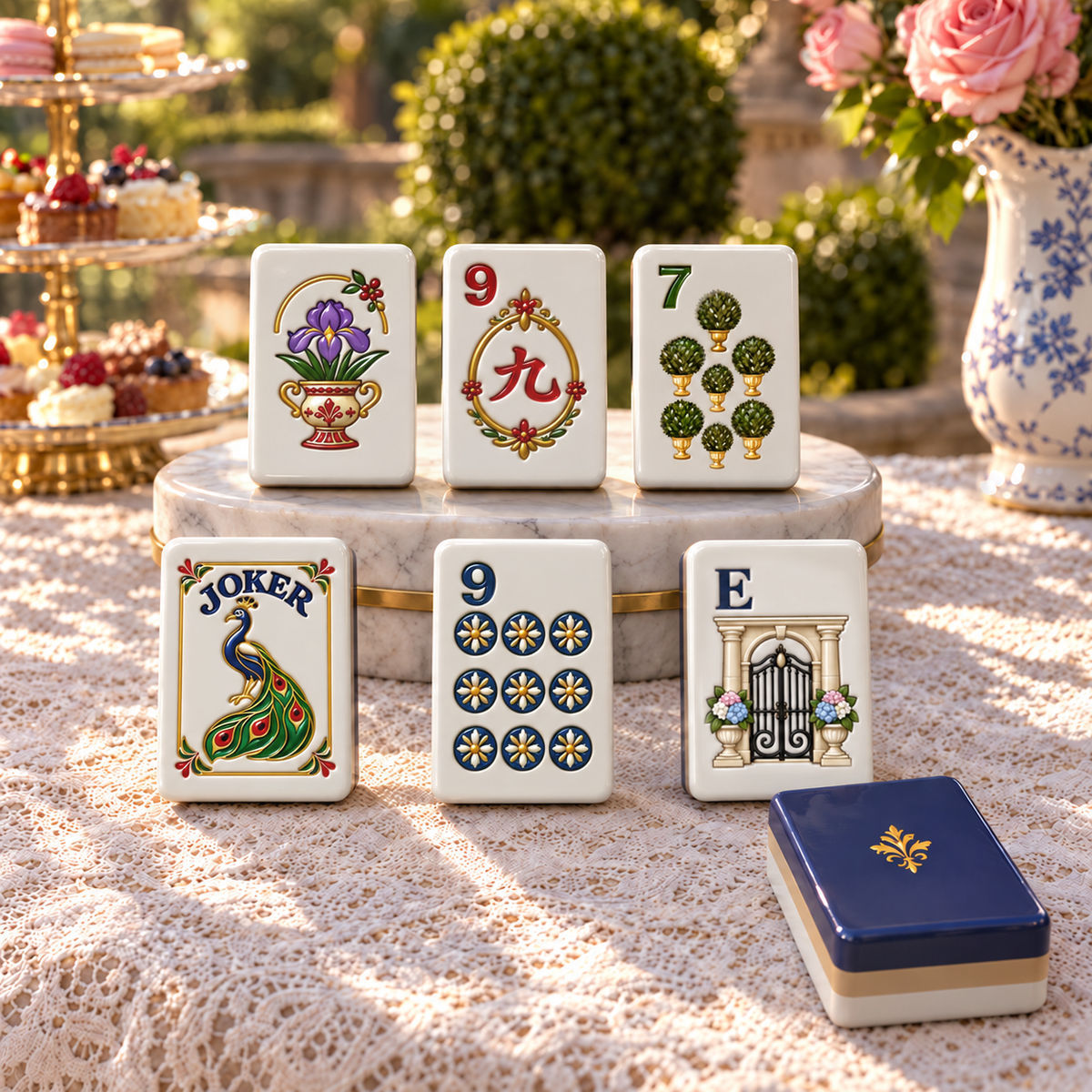
Scottsdale hosts regular mahjong open play at community centers, public libraries, and recreation department facilities. Most weekly games happen Tuesday through Thursday afternoons or evenings in climate-controlled spaces. Sessions typically run 2–4 hours and welcome all skill levels, though some groups may have unwritten conventions about speed or gambling stakes—always call ahead. You'll need a complete 160-tile American mahjong set with the current year's National Mah Jongg League card, a mat, and racks to keep tiles organized. Most venues provide tables; check whether they're hosting Chinese (sequences allowed, rapid) or American mahjong (League card only, slower). Bring cash if the group plays for small stakes, and arrive 15 minutes early to introduce yourself. Mahstead's best-selling mahjong sets include acrylic tiles, a mat, racks, and pushers—everything you need to walk in and play your first hand.
Where do Scottsdale mahjong players meet each week?
Community centers remain the most reliable hubs. Visit your city's Parks and Recreation website to search for mahjong classes and drop-in sessions; many list meeting times and whether you need to register. Libraries also host open play—ask the reference desk directly or check their events calendar. Retirement and senior communities occasionally allow visitors to join afternoon games; call their activities office. Check local Meetup boards, Facebook group searches for "Scottsdale mahjong" or "Phoenix mahjong," and the National Mah Jongg League player directory if you want national connections.

What's the difference between American and open-play variants in Scottsdale groups?
American mahjong, the dominant Southwest variant, requires the current year's National Mah Jongg League card and plays with exactly 152 tiles plus 8 jokers. Hands must match the card; no improvisation. Chinese and Hong Kong mahjong allow sequences (chows: 1-2-3 of the same suit), hand-building flexibility, and play faster—often preferred at casual drop-in sessions. Some Scottsdale groups split: American on Monday, Chinese on Thursday. Call venues to confirm their ruleset before attending; mismatches waste everyone's time. Most newcomers find American mahjong slower, more strategic, and easier to learn from the card—a perfect entry point.
How do I prepare my tiles and setup for an open-play session?
Bring a complete 160-tile acrylic set with the 2026 League card, a nylon or fabric mat to define the boundary, racks with pushers to organize your hand, and a small bag to transport everything. Check your tiles before you arrive: count all four suits (Bams, Craks, Dots), winds (N, E, W, S), dragons (Red, Green, White), flowers, and jokers. If a tile is cracked or a number faded, replacements are impossible mid-game and mark you as unprepared. Wipe your mat with a soft cloth—dust scatters tiles and frustrates the table. Arrive with the League card already in hand, not buried in your bag. Many groups play at round tables; set your tiles on your side of the mat, never in the center. Practice the Charleston (the ritual tile pass before the first hand) at home once; it moves fast, and fumbling stalls everyone.
Setup Checklist | Why It Matters | What Happens If You Skip It |
160-tile acrylic set, all four counts verified | Complete hand play; no mid-game stalling | Game halts; tiles borrowed from house set |
2026 League card, physically present | Legal hand validation; no disputes | Organizer may refuse to seat you |
Nylon mat, clean, no wrinkles | Tiles stay in place; professional boundary | Tiles slide into center, chaos ensues |
Racks with pushers (two per player) | Organized hand; faster play; no dropped tiles | Loose tiles scatter; you look like a beginner |
Small travel bag | Tiles arrive uncracked; mat dust-free | Tiles arrive damaged; mat attracts lint |
🀄 Shop best-selling mahjong sets →

What unwritten rules should I know before sitting down?
Speed varies: aggressive tables play one hand every 6–8 minutes; leisurely groups take 15. Ask the organizer where this group sits on that spectrum. Stakes (if any) range from zero to a few dollars per hand—never assume free. Most groups play "all pay" (loser pays all winners equally) or "each pays" (each player collects separately). Watch one hand silently before joining; you'll absorb the table's pacing and conversation style. Never give unsolicited advice to other players mid-hand. If someone discards a tile you could win, call "mah-jongg" clearly—the organizer will stop play and verify your hand against the card. Disputes go to the card, always; the League's design overrides personal opinion. Arrive on time; latecomers either wait for a break or don't play that round.
What should I check before my first open-play session?
Call or email the venue 24 hours ahead to confirm:
Game format: American (League card required) or Chinese (sequences, freestyle)?
Start time and duration: Does play end at noon, 6 p.m., or later?
Table availability: Do they provide tables, or do you need a portable one?
Participant level: Beginners welcome, or intermediate-only?
Tile and card rules: Is the 2026 card in use, or an older year?
Stakes: Free, ante-only, or play for money?
Seat limit: First-come, first-served, or do you register?
Weather/closures: Arizona venues sometimes close mid-summer; confirm the venue is open.
If the group plays American mahjong but you only know Chinese, ask the organizer to recommend a beginner-friendly night. Many communities offer one "mixed-skill" session per week. Scottsdale's June–August heat often drives play indoors to air-conditioned community centers; winter brings outdoor garden games at some senior communities. Check their summer schedule in May.
🎁 See our most-loved mahjong sets & accessories →
How do I level up if I'm brand-new to the game?
Read the NMJL rules and how to read the card before your first session; 30 minutes of study saves 2 hours of table confusion. Practice hands alone at home using the card—don't memorize them, just get comfortable scanning the card layout and matching tile combinations. Watch a YouTube walk-through of the Charleston and how jokers work; both feel alien on video but click at the table. Arrive early to your first session and tell the organizer you're new; most groups pair beginners with experienced players at their table. Ask your tablemate to explain each hand after play ends, not during. Play 3–4 weeks before judging whether you belong; the game feels slow at week one and intuitive by week four. Join a follow-up session immediately to cement habits; gaps of weeks reset your rhythm.
✨ Find your Mahstead set — free US shipping →
What to check before you buy a set for open play
Acrylic tiles (not bamboo or wood) resist sweat and humidity—critical in Arizona's dry heat—and move smoothly on nylon mats without sticking. A 160-tile set includes extras; you'll never use them at the table, but they replace cracked tiles years later. Pushers should be lightweight plastic or wood, about 3 inches long; heavy pushers tire your hand on a 2-hour day. Mats come in fold-flat nylon (travel-friendly) or thicker fabric (quieter); ask your venue's table surface (hard plastic or felt) to decide. A travel bag with compartments keeps tiles, mat, and racks organized; no loose tiles bouncing in a backpack. Mahstead's engraved acrylic sets and matching mats are built for weekly play—durable, easy to clean, and small enough to fit in a car.

FAQ
Do I need to own a set, or does the venue provide tiles?
Most open-play groups expect you to bring your own. A few public sessions loan sets, but you'll wait if you don't own one. Having your own set—with your preferred tile size, mat style, and racks—also speeds your play and builds confidence.
Can I play American mahjong if I've only learned Chinese mahjong?
Yes, but plan 2–3 sessions to retrain. American mahjong's League card and no-sequences rule feel restrictive at first; Chinese players adapt fastest because they're already tile-fluent. Start with a beginner-friendly group, not an advanced table.
What happens if I win a hand but miscalled it against the card?
The organizer checks your tiles against the League card. If your hand doesn't match, you lose the hand and pay all other players. Always verify your hand before calling "mah-jongg"—slow play beats a penalty.
Should I bring cash if the group plays stakes?
Yes. Most Scottsdale open-play groups play for $0.50 to $2 per hand. Bring small bills and be ready to settle after each round. Ask the organizer about stakes when you call ahead.
How long does an open-play session last, and what's the etiquette for leaving early?
Sessions typically run 2–4 hours. If you need to leave early, tell the table before the hand starts, not mid-play. Most groups finish after a round that includes all four players, so departing after an even number of hands keeps scores fair.
What's the fastest way to improve at the table?
Attend the same group weekly, memorize the League card's sections (not individual hands), and ask experienced players after hands why they discarded certain tiles. Consistency beats cramming.


View More
View More
View More
