
Mahjong Open Play in Sarasota: Where & How to Join
Last updated: Nov 23, 2026
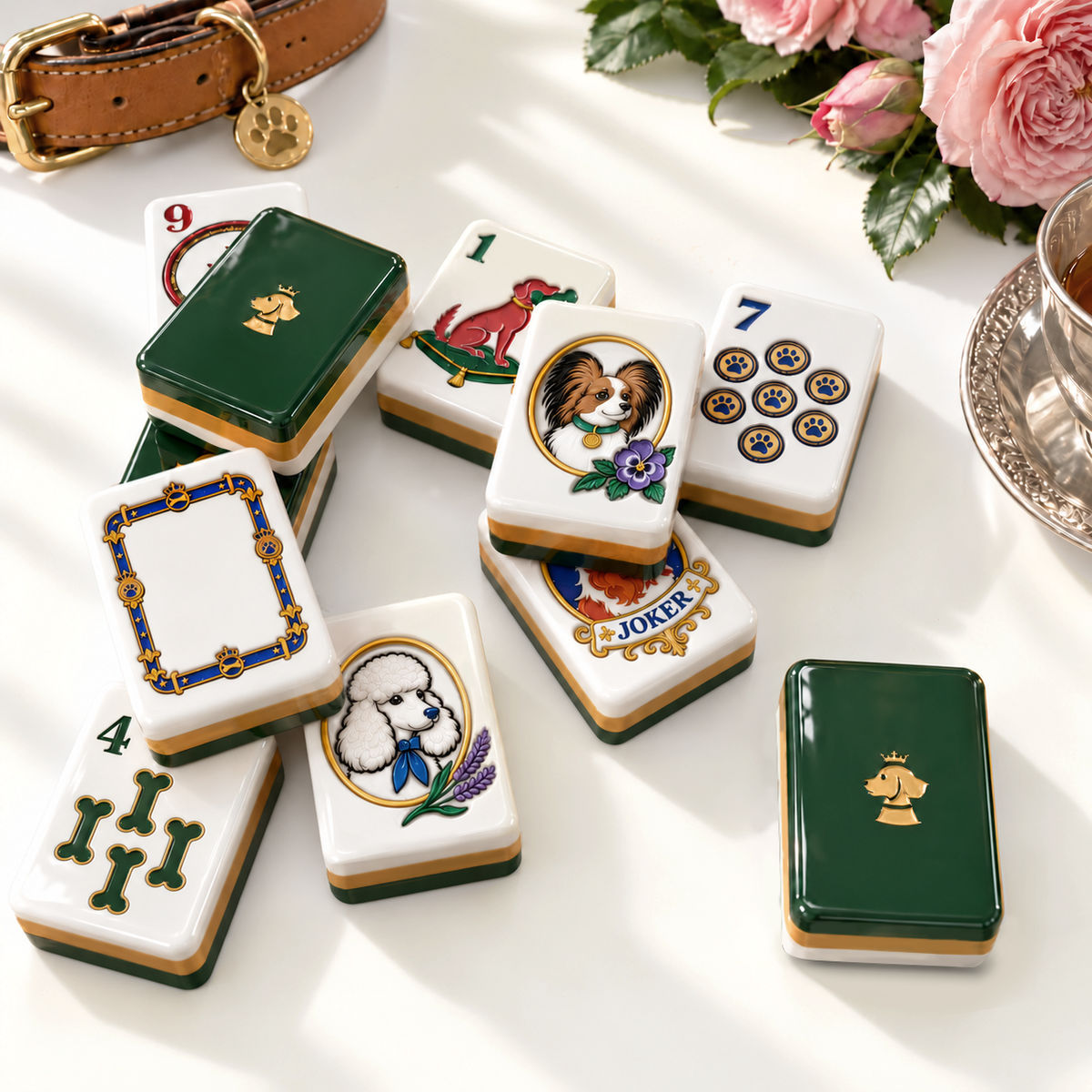
Open play in Sarasota centers on community centers, libraries, synagogues, and retirement communities—many run weekly or drop-in games year-round. Most groups play American mahjong using the current year's National Mah Jongg League card and standard 152-tile sets. Games typically last 2–4 hours; bring a card (hosts often share), a notebook to track scoring, and loose change for friendly stakes. Newcomers should arrive 15 minutes early to watch a hand and ask about house rules. Winter brings seasonal players fleeing northern cold, so November–March games are busier. Check local community center bulletins, library bulletin boards, and Meetup.com for specific times; some groups welcome drop-ins without reservation, while others ask you to call ahead. Your hosts will confirm what tile set style they use and whether you need anything beyond basic knowledge of hand composition and the Charleston tile-passing ritual.
🀄 Shop best-selling mahjong sets →
Where do Sarasota players gather for open games?
Sarasota open mahjong happens in four main venues. Community centers (especially those in Sarasota and North Sarasota) post weekly schedules on their websites and lobby boards—call to confirm the current day and table availability. Public libraries often host afternoon or evening groups; ask the reference desk or check the events calendar. Jewish community centers and temples frequently run games open to all skill levels and faiths. Retirement communities like those on Siesta Key and in Lakewood Ranch sometimes allow outside players; inquire at the front desk. Meetup.com occasionally lists Sarasota mahjong circles. Word-of-mouth through friends is often the fastest route—once you attend one game, you'll hear about others.

What's the typical format of an open-play session?
Most Sarasota open games follow a relaxed four-player round-robin: each session runs 1–2 hours per round, and players often rotate tables or stay together for 3–4 rounds (4–8 hours total). Games start with the Charleston, a tile-passing ritual where you exchange 14 tiles with neighbors before drawing your hand. Each player then picks a hand from the current year's card, declaring the pattern they'll build. Play flows counterclockwise; tiles are drawn from the wall and discarded face-up. Players call "Pung" (three identical tiles), "Kong" (four), or "Mah" (winning hand) when legal. Scoring happens after each hand; the winner receives points from all three opponents based on hand difficulty and seat bonus. Most friendly groups play for nominal stakes (loose change or none at all). A full session typically costs between entry fee and modest bets—ask at arrival.
🎁 See our most-loved mahjong sets & accessories →
What should you bring to your first open game?
Arrive with three essentials: (1) the current year's National Mah Jongg League card—hosts usually have extras, but bring one if you own one; (2) a pen and small scoring notebook to track points and house rules; (3) loose change (coins or small bills) for friendly play stakes, typically a few dollars per game. Wear comfortable clothes you can sit in for 2–4 hours; bring water or a beverage. Some venues provide snacks; others allow you to bring your own. Don't bring a tile set unless the host asks (almost all venues supply one). If you're nervous about card reading, print a beginner's cheat sheet showing how pung/kong patterns look. Arrive 10–15 minutes early to watch a hand in progress and introduce yourself to the organizer—they'll explain any local rule variations (tie-breaking, bonus scoring for certain seats, payment methods).
What are the most common house rules in Sarasota groups?
Sarasota open groups typically follow National Mah Jongg League rules but add three local tweaks. Charleston variation: Most groups do a full Charleston (14 tiles exchanged three times), but some shorten it to one or two passes for faster play. Ask before your first hand. Joker limits: Hands on the card show joker allowances; jokers cannot appear in pairs or single-tile placements—confirm this matches the group's card edition. Scoring ties: If two players tie for a winning hand, some groups split the payout; others award full points to the player in a higher seat position. Discard rules: Most groups require you to declare "last tile" when you draw your final wall tile to prevent accidental mismelds. Penalties: Exposing a tile face-up by accident usually triggers a forfeit or replay, not a scoring penalty. Ask the hosts for a one-page handout before you play; most are happy to provide it.
House Rule | What It Is | Why It Matters | How to Check |
Charleston passes | 1, 2, or 3 exchanges before play | Affects starting hand speed and luck | Ask organizer at sign-in |
Joker placement | Can jokers go in pairs or single tiles? | Determines hand legality on the card | Review card edition + confirm verbally |
Scoring tie-break | Split payout or seat-based award | Affects your final score and payout | Ask before first hand |
Discard call | Must you say "last tile" aloud? | Prevents accidental illegal melds | Observe one hand, then ask |
Penalty for error | Replay hand or take a score penalty? | Affects table pace and mood | Clarify early to avoid embarrassment |

How do you find and join a new group as a beginner?
Start with three practical steps. Step 1: Visit your local community center website (Sarasota Parks and Recreation runs most) and search "mahjong" in the program guide or call the main desk. If online listings are unclear, ask whether they know of groups that meet off-site (staff often have a informal network). Step 2: Call nearby public libraries and ask the adult programming coordinator or reference desk if they host or know of mahjong games; librarians are often connectors to community groups. Step 3: Search Meetup.com for "mahjong Sarasota" and join any active group—send a message to the organizer asking about beginner-friendliness and whether the next session has an open seat. If those yield nothing, ask any tile-playing friend you know for an introduction; mahjong circles almost always have a waiting list. Many hosts welcome newcomers and will pair you with an experienced player your first round.
✨ Find your Mahstead set — free US shipping →
What skills do you need before you attend?
You'll succeed faster if you learn these four basics before arrival. Hand reading: Know how pungs (three identical tiles), kongs (four identical), and other exposed sets look on the card. Understanding how to read the card takes 20 minutes and eliminates most early confusion. The Charleston: This tile-passing ritual before play is not optional; watch a YouTube demo of the Charleston explained so you're not surprised by the exchange sequence. Calling rules: You can call "Pung" (three matching tiles) or "Kong" (four) if they match your hand card exactly—you cannot call sequences of 1-2-3 tiles in American mahjong, unlike other variants. Scoring: Most games use a simple formula (hand value × seat multiplier × number of opponents). You don't need to memorize it; keep a scoring cheat sheet at the table. Hosts will help you during your first few hands. If you're unsure about anything, ask—every table welcomes questions, especially from newcomers.
🀄 Shop best-selling mahjong sets →
What if you want to host your own open game?
If Sarasota's open-play schedule doesn't fit your availability, consider hosting a regular game at home or a rented community space. You'll need a quality 160-tile mahjong set (the standard for American play), a padded mat to protect tiles and surface, and ideally racks with pushers to help beginners organize their tiles. Most hosts also provide a bag or case for easy transport if they rotate venues. Recruit players through word-of-mouth, Meetup.com, or local community boards; start with 4 players (the ideal table) and add a waiting list. Set a consistent weekly or biweekly time and communicate it clearly via email or a shared calendar. Announce house rules in writing before the first session. Supply current-year cards and offer to teach the Charleston to any newcomer. Within a few months, you'll likely have a standing group and a waiting list—and you'll become the organizer others trust.
What to check before you buy your own set for open play
If you attend open play regularly, eventually you'll want your own set for hosting or travel. Here's what matters:
Tile size: American mahjong tiles are standard 1" × 1.25" face—this is universal and fits all racks and mats.
Tile material: Acrylic sets are durable, lightweight, and ship without cracking; bone or bamboo sets look beautiful but are heavier and fragile for frequent travel.
Joker count: A 160-tile set contains 152 playing tiles plus extras; never add spare tiles to a game (always play with exactly 152 tiles and 8 jokers).
Card readability: If hosting beginners, choose tiles with clear engraving or painted symbols so new players can spot Bams, Craks, Dots, winds, and dragons instantly without holding tiles to the light.
Storage: A padded travel bag or hard case keeps your set safe between sessions and makes transport to venues easy.
Mat fit:Measure your play surface before buying a mat; a 28" × 28" mat fits most tables and works for four players.

FAQ
Do I have to know how to play American mahjong before attending open play in Sarasota?
No. Most open groups welcome complete beginners and will teach you the basics during your first session. Arrive early, watch one hand, and ask questions freely. Hosts pair newcomers with experienced players who guide you through the Charleston, hand selection, and calling rules. You'll play your second hand much more confidently.
What's the difference between open play and league play in Sarasota?
Open play is casual, drop-in, and social—no fees, no rankings, no records. League play (through the National Mah Jongg League) involves membership, tournament-style rounds, and published standings. Most Sarasota open groups are purely social; ask the organizer if they're affiliated with the league.
How much does it cost to play in a Sarasota open-play group?
Costs vary. Some groups charge a small entry fee (under per-session table rental or snacks). Others play for loose change only—a few dollars per hand won. Most friendly groups are entirely free if you play for fun with no stakes. Confirm the payment method when you call ahead; hosts will tell you the cost or confirm it's free.
Can I bring my own mahjong set to a Sarasota open game?
Yes, most hosts welcome it—but call first. Open groups almost always provide sets, and mixing different tile styles at one table can cause confusion. If you want to use your own set, ask the organizer if it fits the group's preferences and whether your tile engraving matches others at the table.
What if the open-play group plays a house rule I've never heard of?
Ask the organizer to explain it before play starts. Write it on your scoring sheet. Most house rules are simple tweaks (shorter Charleston, different joker limits, or tie-break methods). Hosts are patient with questions; asking beforehand prevents embarrassment mid-game and keeps the table friendly.
Is there a best time of year to join open play in Sarasota?
November through March draws the most players—seasonal residents swell local tables. Summer (June–September) is quieter but often more intimate and beginner-friendly. If you're new, joining in summer means more one-on-one teaching; winter offers more game variety and social buzz.
What should I do if I make a mistake during an open-play hand?
Tell the table immediately. Most groups handle accidental errors with grace—either replay the hand from the mistake or take a small penalty (lose a few points). Never hide an error; hosts and experienced players respect honesty and help you learn the rule so it doesn't happen again.


View More
View More
View More
