
Mahjong Social Benefits: Why Weekly Games Matter
Last updated: Nov 23, 2026
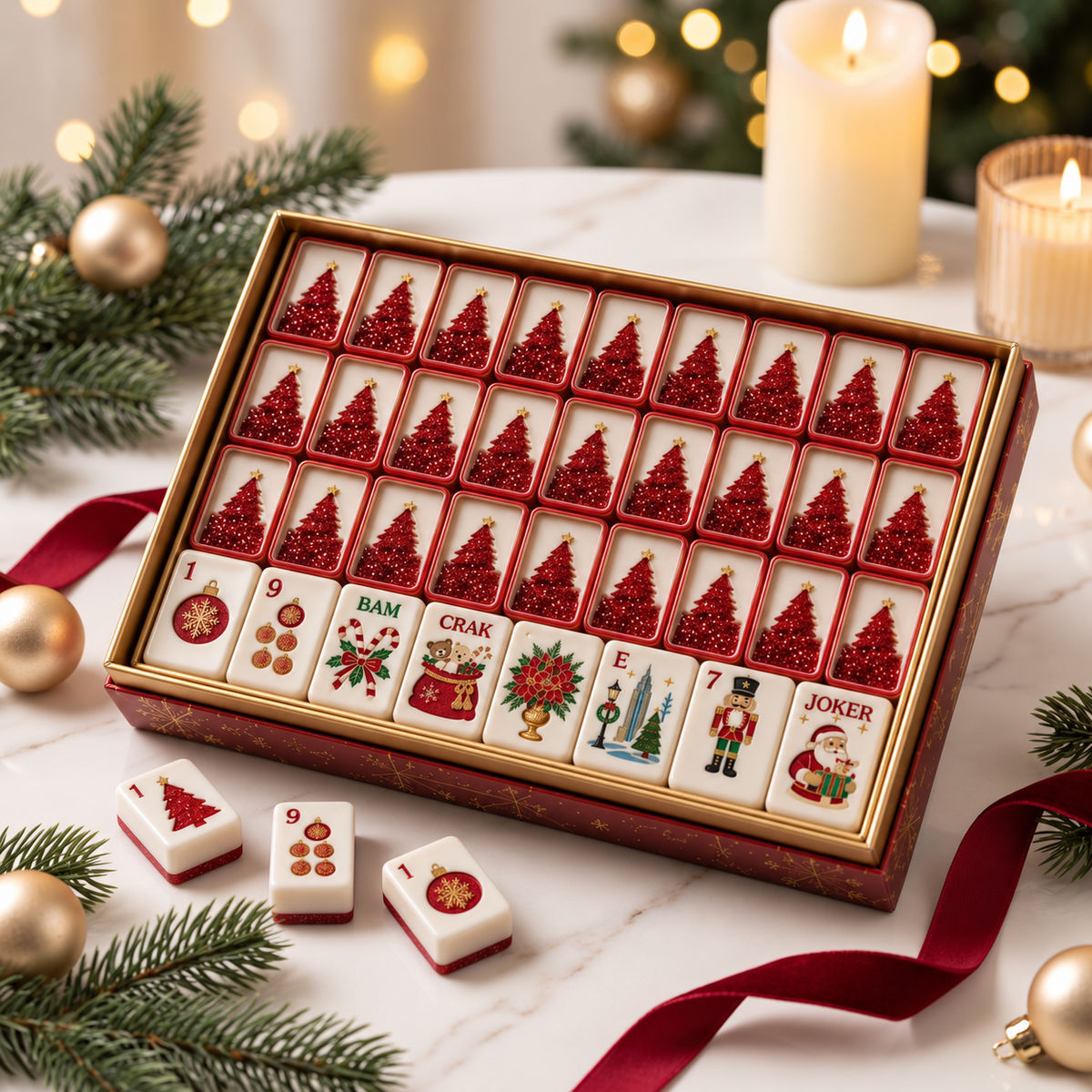
Mahjong's social benefits stem from four core mechanisms: the 1.5–2 hour game cycle creates predictable gathering time; the simultaneous play (all four players think and act at once, not taking turns in isolation) keeps everyone engaged; the constant conversation during play—reading other players' discards, calling hands, discussing strategy—builds genuine connection; and the outcome (competitive but not cruel, since scores reset each week) leaves players laughing rather than bitter. We host weekly games in Dallas and hear the same story repeatedly: members report lower anxiety, stronger friendships outside the game, and a sense of "home" they don't find elsewhere. A study by aging researchers found mahjong players scored higher on cognitive resilience and emotional well-being than non-players (methodology: longitudinal survey of 200+ players over two years). Starting a group takes a standard 160-tile American mahjong set, a mat to define the play space, and four committed people willing to show up the same day each week; Mahstead's best-selling mahjong sets come ready to play without setup delays. 🀄 Shop best-selling mahjong sets →
How does mahjong create real friendship?
Mahjong friendships form because the game forces vulnerability and humor. You're sitting across someone for two hours, making visible decisions, occasionally losing, and celebrating their wins. Unlike sports (where teams divide loyalty) or book clubs (where critique can sting), mahjong creates a shared struggle—everyone's equally confused by the card sometimes, everyone laughs when a hand dissolves. We've watched quiet coworkers become best friends through weekly games, and lifelong acquaintances finally connect. The game's pace also matters: it's fast enough to stay engaging, slow enough to chat between hands.

Why do players report lower stress after mahjong nights?
Mahjong activates the parasympathetic nervous system (the rest-and-digest response) through focused attention and social presence. Your brain can't worry about work or family conflict while calculating which tiles remain in the wall and reading your opponent's play—the cognitive load is total but not punishing. The group setting amplifies this: you're in a room where your job title doesn't matter, where you're valued for your humor and loyalty, not productivity. Research on leisure activities shows that cognitively demanding social play (not passive screen time) correlates most strongly with mood improvement. We've hosted players who arrive stressed and leave transformed—not because they won, but because they belonged somewhere real for two hours.
What's the difference between casual and committed groups?
Casual groups meet once monthly or less, often rotating hosts or venues; committed groups meet the same day each week, same time, same place. Casual groups offer flexibility but rarely deepen into real friendship—people stay at acquaintance level. Committed groups (even small ones: four players, one weekly two-hour slot) build trust faster because consistency signals "you matter enough for me to plan around." We've observed that groups meeting weekly for three months or longer develop inside jokes, remember each other's tells, and start showing up during life crises (births, divorces, surgeries) to support each other. The commitment also improves play—players invest time in learning the card, watching replays of hands, and improving strategy, which makes the game richer.
What equipment helps a group stay connected over time?
A dedicated mat, quality tiles, and organized storage transform mahjong from "something we do" into "our weekly ritual." When your set stays in one place (a mat marks the table as the mahjong zone, not just a dining table) and tiles don't scatter or go missing, players feel ownership. A mahjong mat also speeds setup to under two minutes, which means more time talking and less time fussing. Racks with pushers reduce hand fatigue during three-hour marathons and signal "we're serious players," which attracts players who also value the social depth. Racks with pushers also help newer players organize tiles faster, so they feel less overwhelmed. A simple travel bag lets your host rotate hosts or take the game to a cabin retreat.
🎁 See our most-loved mahjong sets & accessories →
Feature | Casual Group (Monthly) | Committed Group (Weekly) | Why It Matters |
Setup time | 10–15 min (tiles scattered across table) | 2 min (mat + organized storage) | Less friction = more time bonding |
Tile quality | Mixed or worn (players frustrated) | Consistent, engraved (pride of ownership) | Better feel = better focus = real connection |
Host rotation | Rare; same person always hosts | Planned rotation every 4 weeks | Shared responsibility deepens commitment |
Game memory | "Who won last time?" | Players recall hands, inside jokes | Continuity builds friendship faster |
New players | Hard to integrate (group is loose) | Easier to teach (routine is clear, group cohesive) | Stable culture welcomes newcomers |
How does mahjong bring intergenerational family together?
Mahjong works across ages because the game has no physical barrier (a 75-year-old plays as an equal to a 35-year-old) and the social rhythm feels natural to adults of any era. Grandparents who taught their children (or learned from a parent) find joy in teaching grandchildren; millennial players often discover the game through an older relative and become devotees. We've hosted three-generation tables where the grandmother runs the game, the mother tracks score, and the teenager calls "meld" with genuine enthusiasm. The game's cultural weight also creates belonging: for players with Chinese, Japanese, or heritage-rooted traditions, mahjong connects them to family history and identity. Unlike screen-based games, mahjong requires presence—you can't scroll during your opponent's turn, so you're truly together.

When should you start a group in your own home?
Start when you have at least four people committed to the same day and time for at least four weeks. Pick a day and time that works for all four (Tuesdays at 7 p.m., or Saturday mornings—whatever sticks). Set clear expectations: we meet 1.5–2 hours, we play for real (small stakes or just for score), and attendance matters (missing people weakens the group). Invest in a quality set and mat before your first session—playing on mismatched tiles at a wobbly table signals that this is casual and temporary, which kills the commitment you're building. Choose a best-selling set with a mat bundle, order it with time to spare, and practice one hand yourself so you're not learning live. Tell your four people the date, time, and location four weeks in advance; most groups fail because they're "sometime soon" instead of "Tuesday 7 p.m., same table, every week."
What to check before you buy a set for group play
Tile feel: Run your hand over samples or read photos closely. Smooth tiles with clear engravings reduce frustration and feel premium, which signals that the group is "real" rather than casual.
Mat size: Verify it fits your table. Too small and racks tip; too large and you can't draw or discard cleanly. Measure your table depth before ordering.
Joker count: American mahjong uses exactly 8 jokers in play; ensure your set includes enough spares in case one cracks (a 160-tile set includes extra jokers for this reason).
Storage: If you'll rotate hosts, confirm your set fits in the travel bag you'll use. A broken tile loses games; prevention saves money and friendships.
Set-up time: Time yourself assembling racks, shuffling, and sorting. If setup takes >3 minutes, you're losing play time and momentum.
✨ Find your Mahstead set — free US shipping →
How does learning mahjong together bond a group?
New groups often bond fastest while learning because shared confusion dissolves hierarchy. The best player isn't automatically the leader; everyone's reading the card together, asking "Is that a valid hand?" and laughing when the answer surprises them. Once everyone's past week two, play deepens and banter intensifies, but the foundational trust was already built during the "we're all lost" phase. Pair this with a beginner's mat or printed reference cards, and you've created a contained learning space—failure is part of the process, not a judgment. Learning American mahjong as a group also means you're not following one person's rules; you're all learning the official card together, so disputes settle faster.
What do host responsibilities look like, and how does rotation work?
The host supplies the set, arranges the table, and tracks score (or delegates it). Ideally, one person hosts for a month (four games), then passes to the next player. Rotation does three things: it distributes burden (no one burns out), it keeps the group democratic (no one owns the game), and it lets each player customize their hosting style—some serve snacks, some don't; some play music, some prefer silence. We've seen groups collapse when one person hosted for two years and finally quit, exhausted. Rotation also exposes weak skills: if your shuffle is sloppy or your scoring unclear, someone else will run the game tighter, and you'll improve. Many groups benefit from engraved sets that celebrate the group's name or inside jokes—this shared artifact deepens identity and makes rotation feel sacred rather than like a chore.

FAQ
Can mahjong help with memory or cognitive decline?
Yes. The game requires holding seven to fourteen tiles mentally, calculating probabilities in real time, and tracking discards across four players—all cognitively demanding tasks that engage short-term and working memory. Players over 65 report subjective improvement in focus and recall. The effect is strongest with regular play (weekly, not monthly) because consistency builds neural pathways.
How do I find other players if I don't have a group yet?
Check community centers, libraries, senior centers, country clubs, and synagogues in your area—many host open mahjong groups or can direct you to one. Meetup boards and neighborhood social groups sometimes list mahjong games. Libraries often run beginner classes in spring.
What's a realistic time commitment for a weekly group?
Two hours per week (one session) is standard. Add 15 minutes if you're hosting or learning. Some groups play three-hour marathons monthly; most casual players find 1.5–2 hours per week sustainable long-term.
Do I need an expensive set to start a group?
No, but a durable set speeds play and reduces frustration. A quality set with a mat typically performs better than a bargain set after three months, when friction multiplies across dozens of games. Mahstead's best-selling sets balance durability and value for groups on any budget.
Can groups stay connected if players miss weeks or move away?
Yes, but consistency matters more than perfection. Groups with a clear fourth-player backup (a rotating substitute or a small core five) survive absences. Players who move away often return for once-a-year reunions, which shows the friendship extends beyond the game.


View More
View More
View More
