
Mahjong Open Play in San Jose: Where to Find Games & What to Know
Last updated: Nov 23, 2026
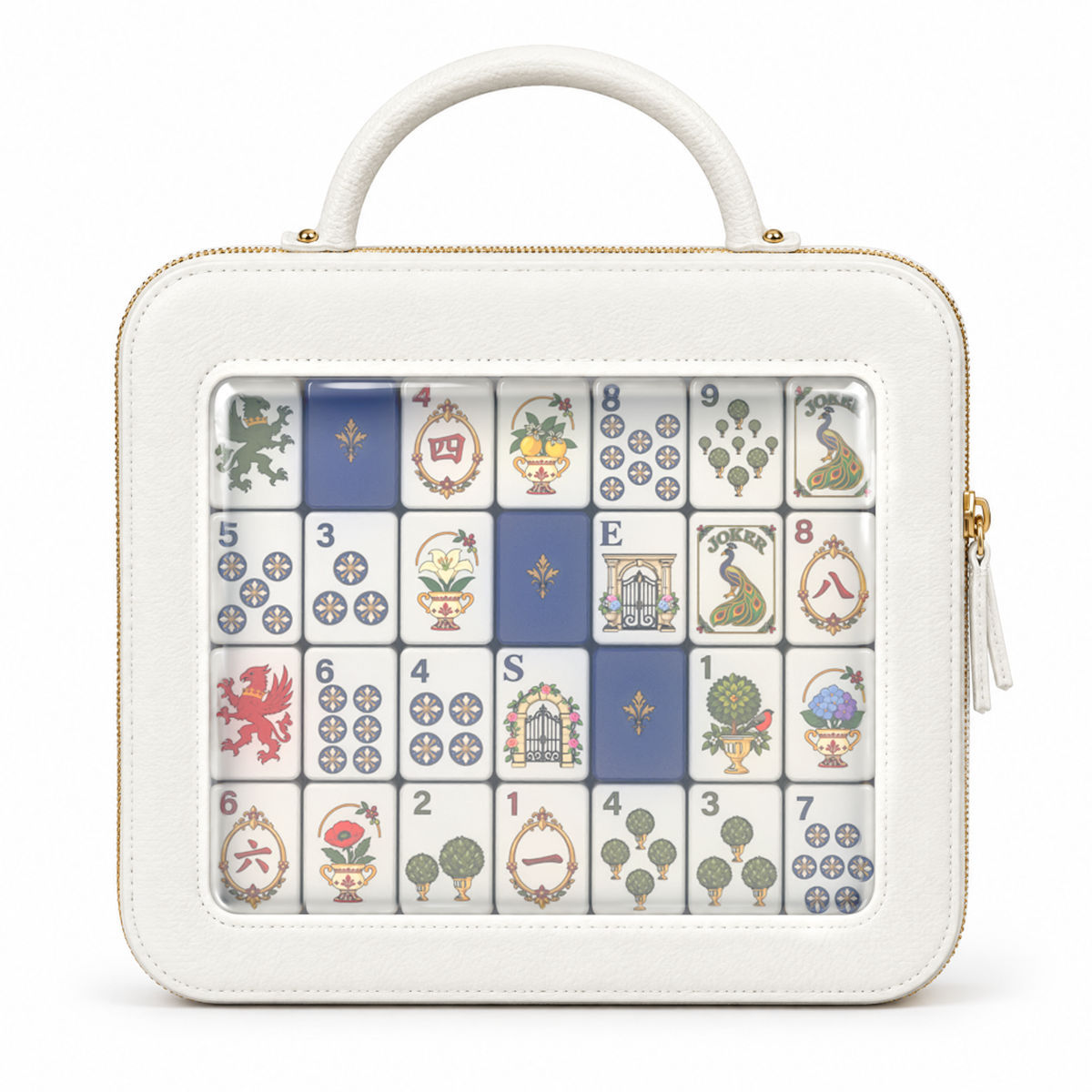
Open play mahjong in San Jose happens year-round at public libraries (check the San Jose Public Library system's activity boards), community centers in neighborhoods like Santa Clara and Sunnyvale, and cultural organizations serving the Bay Area's Asian communities. Games typically run 2–4 hours in the afternoon or evening, cost little or nothing to join, and range from casual beginner-friendly tables to competitive American mahjong following the current National Mah Jongg League card. Most groups meet weekly or twice weekly; attendance is drop-in unless the venue requires registration. You'll need a 152-tile American mahjong set with 8 jokers, knowledge of the current year's hand card, and mahjong for beginners familiarity with the Charleston tile-passing ritual. Mahstead sells complete 160-tile acrylic sets that travel well and last—ideal for a player moving from casual home games to open-play settings. 🀄 Shop best-selling mahjong sets →
Where do San Jose players find open mahjong games?
San Jose has three main sources for open play. Public libraries: Call ahead or check online—many branches host mahjong groups; librarians can direct you to the next meeting time. Community centers: Parks and Recreation departments run activity programs; check the city and nearby Sunnyvale, Santa Clara, and Mountain View recreation schedules for mahjong clubs and open-play slots. Cultural and religious organizations: The Bay Area's Chinese community centers, Vietnamese and Filipino associations, and synagogues often host games; search community board postings or ask at local restaurants and shops—word-of-mouth is fastest.

How do American mahjong rules differ from the games open play groups run?
American mahjong—what almost all Bay Area open-play groups use—draws hands only from the current year's National Mah Jongg League card, plays with exactly 152 tiles and 8 jokers, and requires a formal three-round tile-passing ritual called the Charleston. No exposed chows (sequences); only pungs, kongs, quints, and sextets count. Chinese and Hong Kong mahjong allow chows and use different tile counts and scoring—rarely played at public open play in Silicon Valley, but ask the organizer first. Taiwanese and Riichi (Japanese) mahjong have unique hands and payment systems. When you call a venue, confirm: Is this American mahjong with the NMJL card? If yes, you're ready. If no, ask what variant they play and get a quick primer before your first visit.
What does a beginner actually need to play in an open-play setting?
The tile set: A complete 160-tile American mahjong set with 8 jokers—acrylic sets are best for open play because they're portable, durable, and loud enough for group tables. The current year's card: Printed or on your phone; organizers usually have spares, but bring one. Basic rule knowledge: Understand how to read the mahjong card, recognize the four winds and three dragons, and know when you can claim tiles (pung, kong, chow calls—wait, American mahjong has no chows). A mahjong mat: Optional but smart—it protects your tiles, marks the discard center, and tells other players you're serious. Small cash: Many open-play groups use nominal payments (settle between players after each hand); ask the organizer what's typical. Most beginners pick up the flow by watching one hand before sitting in.
🎁 See our most-loved mahjong sets & accessories →
What mistakes do new players make at open play, and how do you avoid them?
Mistake | Why it happens | How to prevent it |
Calling a tile incorrectly (saying "pung" for a pair) | Mixing up exposure rules | Review how jokers work and pung/kong rules before play; ask the table for a demo hand |
Drawing too many tiles during the Charleston | Unsure of pass count | Count aloud: one tile to the right, one to the center, one to the left—then stop. Watch one Charleston round first |
Using jokers in a single (a solo tile) or a pair | Joker placement rule is strict in American mahjong | Never put a joker alone; never in a pair. If confused, ask before discarding |
Misreading the NMJL card, hunting for a hand that's not there | Card sections are dense; fonts are small | Bring reading glasses; ask the table is this hand on the card? before declaring |
Bringing a worn or incomplete set | Missing tiles stop the game | Check your set before leaving home: count 152 tiles, verify all four jokers, spot-check dragons and winds |
The fastest way to avoid embarrassment is to sit out the first hand, watch the discard pile fill, and ask one question per round. Regulars are patient with honest newcomers.

What happens if you don't have your own set for open play?
Most San Jose open-play venues have shared sets available, but don't count on it—always call ahead. Some groups rotate tables using house sets; others expect players to bring their own. If you're a true beginner, borrowing the first time is fine, but owning a best-selling mahjong set from Mahstead means you control your tile quality, know exactly how many jokers you have, and can practice the Charleston at home before your first game. A personal set also travels: if you move between San Jose clubs or day-trip to Monterey or Sacramento, you're set. Sets that last cost a little more upfront but stay sharp through hundreds of hands. Acrylic is ideal—it won't chip like bamboo and won't stain like old tiles.
✨ Find your Mahstead set — free US shipping →
How should you prepare your first week at a San Jose open-play table?
One week before: Read mahjong for beginners to understand hand patterns, winds, and dragons. Watch a YouTube video of the Charleston to see it in motion. Download or print the current year's NMJL card—search online for the National Mah Jongg League official card image.
The day before: Verify the venue's location, arrival time, and any entry fee or sign-up process. Confirm they play American mahjong. Lay out your tiles and do a quick inventory: 108 numbered tiles (36 Bams, 36 Craks, 36 Dots), 16 winds, 12 dragons, 8 flowers, 8 jokers. If you have a mahjong rack with pushers, test how your tiles sit—racks make sorting faster under pressure.
Game day: Arrive 10–15 minutes early. Introduce yourself. Ask who's the organizer? Sit next to an experienced player your first hand and watch. Bring your card and a pen to mark which hands you see. When you're ready, ask to join a new hand—usually the next round starts in 20 minutes.
What to check before you buy (or borrow) your first set
Joker count: American mahjong requires exactly 8 jokers. Count them before play.
Tile completeness: Missing even one tile stops the game. A best-selling acrylic set from Mahstead ships with a spare tile inventory so you're never short.
Joker design: Make sure jokers are clearly marked and visually distinct from numbered tiles—crucial for speed play.
Bag or case: If you're traveling between venues, a mahjong travel bag keeps your set safe and tiles organized.
Tile size: Standard American tiles are about 1 × 1.25 inches; if you have small hands or vision concerns, verify the scale before buying.

FAQ
Can I learn American mahjong by watching open play, or do I need a teacher?
Many players learn by watching and playing with patient regulars—open-play groups often include a mix of skill levels. For faster confidence, one 1-hour private lesson or a structured beginner class (offered at some Bay Area community centers) saves frustration. Either way, learn the card and Charleston first.
Are San Jose open-play games competitive or casual?
Most public library and community center games are social and beginner-friendly; some cultural centers run more competitive tables. Call ahead and ask is this for casual players or experienced only? Organizers will slot you into the right game.
What's the typical cost to join a San Jose mahjong open-play group?
Most public library and community center sessions are free or charge a small activity fee (ask the venue). Some groups run friendly money games with small per-hand stakes; ask the organizer before joining.
Should I buy or borrow a mahjong set for my first open-play session?
Borrow or ask the venue if they have a spare—many do. But if you're serious about playing regularly, owning a 160-tile acrylic set from Mahstead means you control quality, ensure the joker count is correct, and can practice at home.
How long does a typical open-play session last in San Jose?
Most sessions run 2–4 hours with 6–10 hands played, depending on player speed and breaks. Ask the organizer how many rounds to expect and what time the group usually wraps up.
What's the difference between American and Chinese mahjong at open play?
American uses only the current year's NMJL card, 152 tiles with 8 jokers, and no exposed sequences (chows). Chinese mahjong allows chows, uses a different tile count, and draws from many regional hand variations. Ask the venue which version they play before your first visit.


View More
View More
View More
