
Mahjong Open Play in San Diego: Where to Find Games & Get Started
Last updated: Nov 23, 2026
Open play mahjong in San Diego happens at public venues—community centers, libraries, synagogues, and Asian cultural centers—where players gather for casual, all-skill-level games. Most sessions run weekly or biweekly on weekday evenings or weekend afternoons. To find a game, check bulletin boards at local libraries and community centers, ask at synagogues with active women's groups, search community meetup boards online, or inquire at Asian cultural organizations. Games typically last 2–4 hours; arrive 15 minutes early to observe or introduce yourself. Bring your own set if you have one, though many venues share equipment. No entry fee is standard, though some groups ask for small refreshments. You'll need to know basic hand recognition and the current year's National Mah Jongg League card—most groups happily teach newcomers. Best-selling mahjong sets designed for beginners are a smart investment if you play regularly.
Where do San Diego mahjong players gather for open play?
Community centers in each neighborhood—Mission Valley, North County, East County—host rotating mahjong nights. Libraries often have bulletin boards listing game times; call ahead to confirm. Synagogues in La Jolla, Del Mar, and mid-city neighborhoods run women's mahjong groups that welcome all skill levels. Search "mahjong" plus your neighborhood name on community meetup boards, and follow local Asian American associations' event calendars. Visit in person if a venue isn't listed online—staff remember regular organizers.
What's the typical format and time commitment for open play?
Most San Diego open play sessions run 2 to 4 hours, with players arriving and leaving flexibly. Casual games play four players per table, rotate between tables, or hold a standing game with the same group. Speed varies: experienced players finish a hand in 5–8 minutes; beginners take 15–20. Bring a notebook—many groups keep score for bragging rights, not money. Expect to play 8–15 hands in a session and leave whenever you choose.
How do I join as a beginner without feeling lost?
Arrive 15 minutes early, watch a full hand, then ask to sit in. Tell the group "I'm learning"—they'll slow down and explain calls. Bring the current year's mahjong card or ask someone to point you to the hand you've formed on theirs. Most groups have a spare set; if you own one, bring it and offer to let stronger players borrow it. The first two sessions are observation and basic practice—by week three, you'll see your accuracy climb.

What equipment should you bring or own for regular play?
Comparison: Starting Setup for Open Play
What | Who it's for | Why it matters | Notes |
Your own mahjong set | Weekly players | Familiar tiles, personal style, no setup delays | Best-selling sets include jokers and spare tiles |
Mahjong mat | Host or frequent player | Protects table, speeds tile sorting, quiets play | See how to choose a mat for sizing |
Racks with pushers | Players with wrist strain | Reduces fatigue over 3+ hours | Racks stabilize tiles during play |
Carrying bag or case | Anyone with a set | Protects tiles, keeps all pieces together during transport | Travel bags and cases fit full sets |
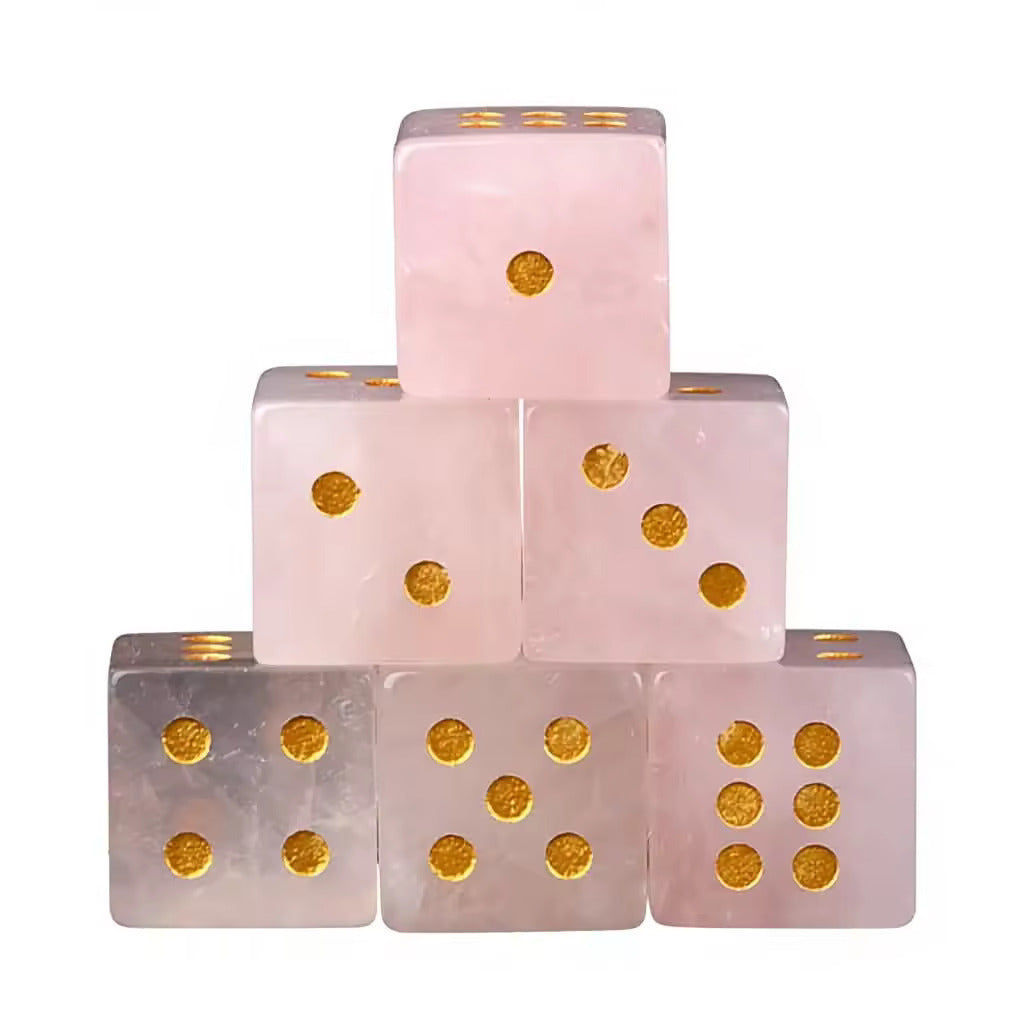
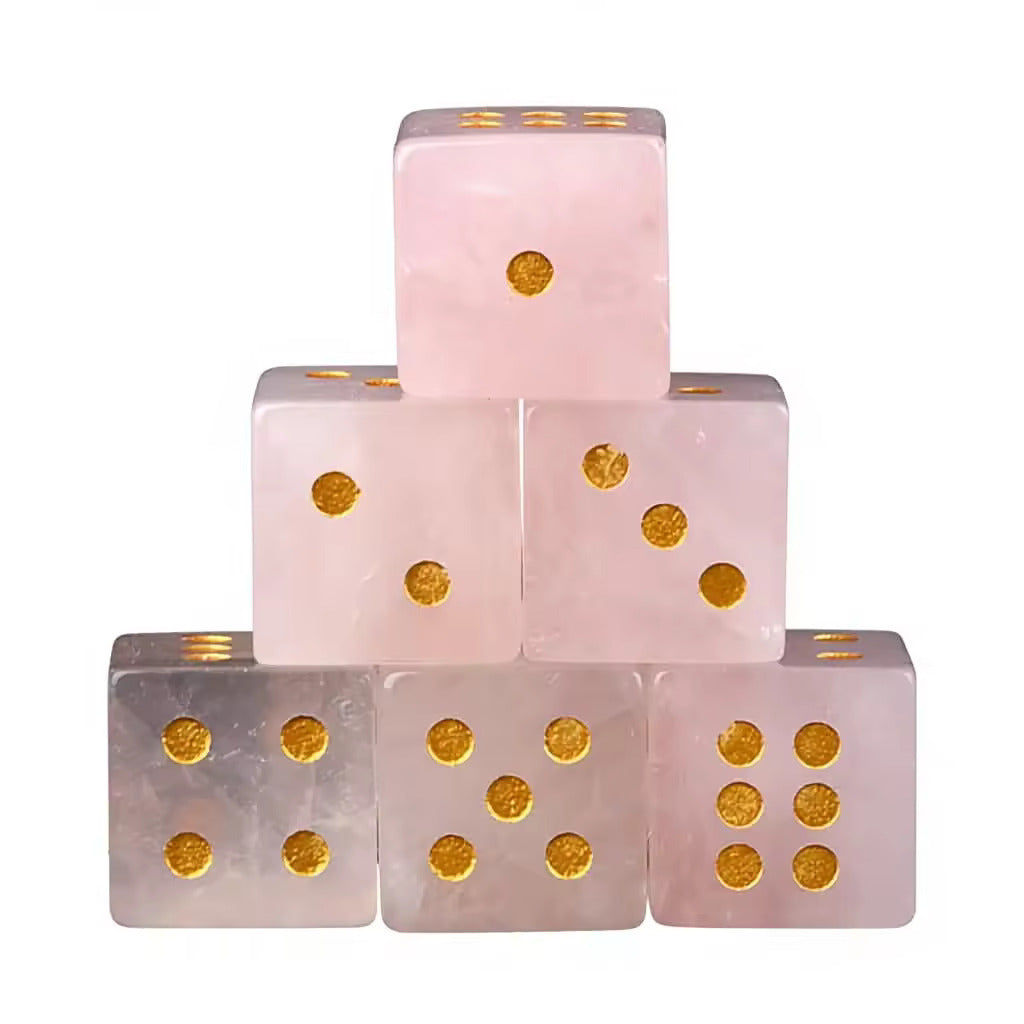
Dice (two) | Hosting or new play | Determines seating and dealing order per American rules | Usually provided at venues; bring spares if you host |
Most casual venues have shared sets, but owning one makes you a reliable player and lets you show up confidently. A set, mat, and racks transform a living room into a proper game space if you decide to host.
🀄 Shop best-selling mahjong sets →
What rules or card knowledge do I need before my first session?
You don't need to memorize the card—bring it to your first game. Learn these: American mahjong has pungs (3 identical tiles), kongs (4 identical), and jokers (wildcards that fill any tile in your hand or pung). You cannot use a joker in a single tile or a pair. Understanding jokers removes half the confusion newcomers feel. Recognize that hands come only from the current year's card; a 1-2-3 sequence (chow) does not exist in American mahjong—you can only expose pungs, kongs, and longer combinations. Ask "What hand are you going for?" after the Charleston (the tile-passing ritual at game start). Watch two full hands before playing; most tables pause to explain winning and scoring.
✨ Find your Mahstead set — free US shipping →
How often do San Diego open play groups meet, and can you drop in anytime?
Most groups meet weekly on a fixed night—ask when you arrive. A few meet biweekly or rotate venues by month. Drop-in play is standard; you don't need to register or commit. If you miss a week, return the next session and you'll be recognized. Some venues organize small tournaments (2–4 times a year) with prizes like snacks or mahjong accessories—check bulletin boards for announcements. Building a regular Tuesday or Thursday habit makes you part of the group and deepens friendships faster than casual attendance.
What to Check Before You Buy Your First Set
152 tiles + 8 jokers: Confirm the set includes all American tiles (Bams, Craks, Dots, winds, dragons, flowers, jokers). A set sold as 160 tiles includes spare tiles.
Clear tile faces: Numbers and symbols must be legible under table lighting; avoid very dark colors if your eyesight is less sharp.
Weight and feel: Hold a set in person if possible, or ask the seller how tiles stack and slide. Acrylic tiles are durable; heavier tiles (ceramic or resin) feel premium but are harder to transport.
Racks included?: Beginners benefit from racks with pushers to organize tiles. Check if your set comes with them or budget separately.
A carrying option: If you'll take your set to venues, choose a set that fits in a bag or case for protection.
🎁 See our most-loved mahjong sets & accessories →
Next Steps: From Your First Game to Hosting
Find your first venue using library bulletin boards, community center websites, or meetup searches. Call or visit in person to confirm meeting times.
Observe one full session before playing. Note how the Charleston works, where players sit, and how they call and expose tiles.
Learn the current year's card by photographing a few common hand patterns, then play your first hand with the card in hand.
Invest in your own set if you play two or three times. Owning tiles builds confidence and makes you a valued regular.
Host a game at home after you've played five sessions. A mahjong mat and racks turn a kitchen table into a pro setup.

FAQ
Do I need to know American mahjong rules before joining an open play group in San Diego?
No. Groups expect beginners and teach as you play. Bring the current year's card and watch two hands first. By session two, you'll recognize basic hand patterns and understand pung vs. kong calls.
Is there a cost to join San Diego open play mahjong?
Almost never. Casual games are free. Some venues may suggest a small donation for refreshments or space rental—typically $3–5 per person. Organized tournaments occasionally charge entry fees; check announcements at your venue.
Should I buy a mahjong set before attending open play, or do venues provide them?
Venues almost always provide shared sets, so don't buy before your first game. After three sessions, owning your own set speeds setup, gives you confidence, and makes you a reliable player. Newcomers often borrow a set to test whether they enjoy the game.
What's the best time of year to start playing in San Diego?
Anytime. Open play runs year-round. Casual groups meet every week regardless of season. Some venues pause for holidays (Thanksgiving week, winter break, summer travel), so confirm before attending a new-to-you location in December or July.
Can I play mahjong open play at a casual pace, or is everyone very competitive?
San Diego open play is casual and social. Players range from retirees to young professionals who come for friendship and mental exercise, not stakes. Competitive tournament play exists separately; open play groups explicitly welcome all skill levels and move at a pace that lets beginners ask questions.
If I buy a mahjong set from Mahstead, will it work at San Diego open play venues?
Yes. Mahstead sells American mahjong sets with 152 playing tiles and 8 jokers—the exact tiles used in all open play groups. All sets include the standard suits and winds, so any Mahstead set integrates seamlessly into any venue's game.


View More
View More
View More
