
Mahjong Open Play in Salt Lake City: Where to Find Games & Join Community
Last updated: Nov 23, 2026
Open play mahjong in Salt Lake City centers on community centers, libraries, senior centers, and casual home games hosted by players who meet weekly or monthly. The Salt Lake City Public Library system and university extension programs often post game schedules; check their website calendars directly or call the public affairs desk. Many players also connect through meetup boards, Facebook community groups dedicated to Salt Lake City activities, or by asking at local game shops and craft stores that stock playing cards or tiles. Games typically run Thursday through Sunday evenings (6–10 PM) or weekend afternoons (2–5 PM), lasting two to three hours per session. Most open play groups welcome beginners if you know the basics—reading the tile card, the Charleston, and hand-calling rules. Expect a friendly, teaching-first atmosphere; bring a 160-tile American mahjong set if you're hosting, and wear comfortable clothes for a few hours seated at a table. No entry fee is standard for casual community games; some groups donate to a community center or split refreshment costs.
Where do Salt Lake City mahjong groups actually meet?
Community centers run by Salt Lake City Parks & Recreation often host weekly mahjong in multipurpose rooms; check their online recreation guide for "mahjong" or call the front desk. Public library branches—especially the main library downtown and larger branch locations—sometimes offer game days or allow groups to reserve meeting rooms. Senior centers across the valley host open play for 55+ players most weekday afternoons. Home games are the backbone: established players rotate hosting; ask at craft stores or post on neighborhood Nextdoor or Facebook groups to find a regular table nearby. Churches, country clubs, and synagogues occasionally sponsor mahjong events. Your best first move: call Parks & Recreation, browse the library's event calendar, and search "[your neighborhood] mahjong" on Facebook. Most groups post a schedule or invite process once you make contact.
🀄 Shop best-selling mahjong sets →

How do beginners break into an existing open play group?
Show up early, bring what's in an American mahjong set, and be honest about your skill level—experienced players love teaching. Ask to kibitz (watch a round) first; most groups welcome observers. Bring snacks or coffee if you stay more than an hour. Ask one player to walk you through the current year's mahjong card and how they read it—that single gesture signals you're serious and humble. Attend the same day and time twice before assuming the group is full; regulars often skip, and a seat opens. If a group feels cliquish or dismissive, leave and find another—Salt Lake City has enough players that you'll find your fit. Most open play is taught-as-you-go; nobody expects tournament-level play on your first night.
What's the difference between open play, league play, and home games?
Format | Rules | Pace | Best For | Commitment |
Open Play | American mahjong, current-year card only | Relaxed, social | Learning, casual weekly fun | Drop-in or standing |
League Play | American mahjong, NMJL card, strict rules | Faster, competitive | Serious players, ratings | 8–16 weeks seasonal |
Home Games | Usually American, flexible card/variant | Very relaxed | Close friends, long nights | Monthly or weekly standing |
Open play forgives hesitation and rule lookups; league play enforces strict hand-calling and scoring. Home games sometimes mix variants (Chinese, Hong Kong, or house rules). Salt Lake City has no official NMJL league office, but some players participate remotely or form small competitive groups. Most newcomers start in open play to build confidence before trying league or home games.
What equipment do you need to host or join open play?
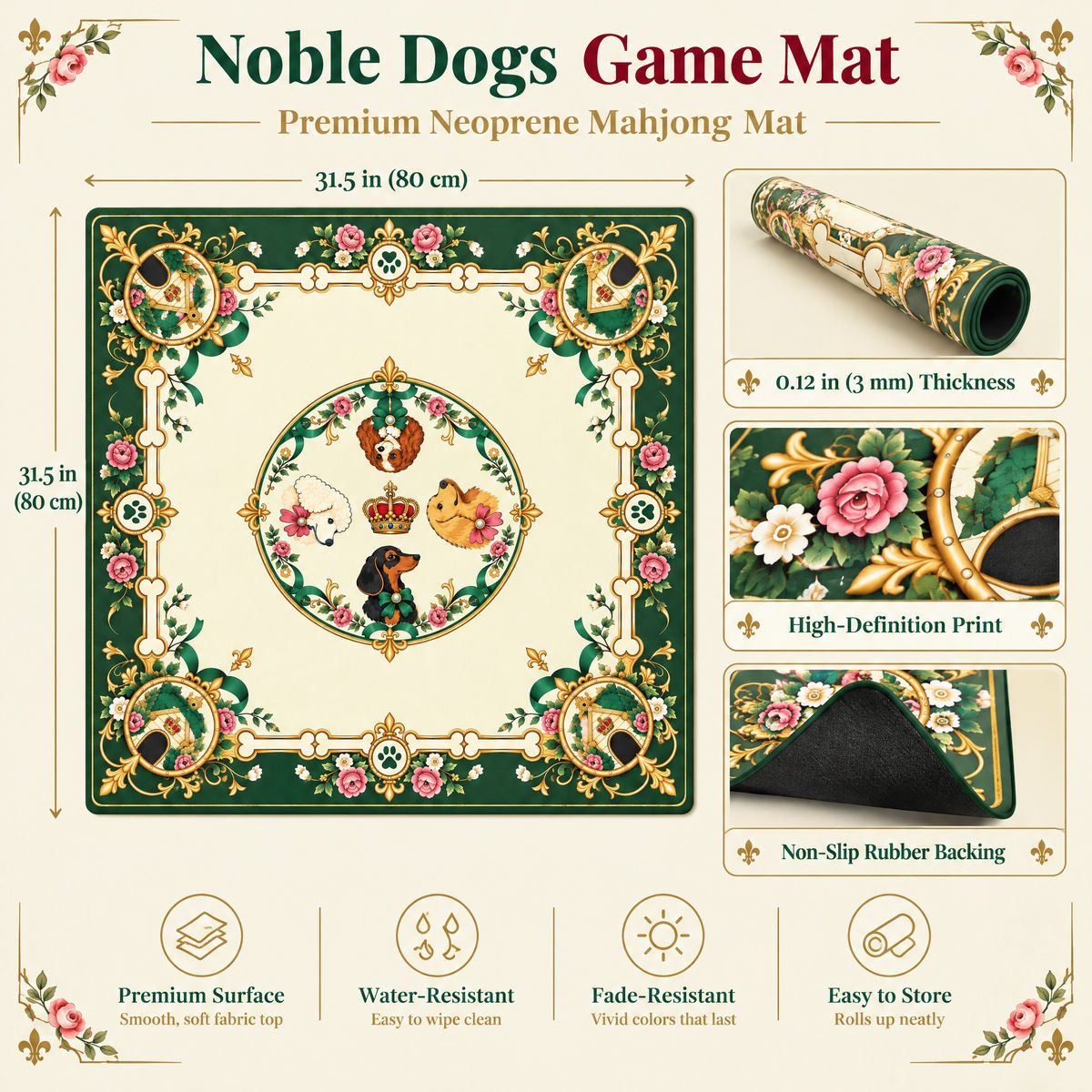
You need a 160-tile American mahjong set—check that the tiles are clearly marked (acrylic or bamboo), the jokers are easy to spot, and the rack system holds four players' tiles securely. A mat with tile guides and a score tracker helps, especially if you're new; it keeps the table clean and speeds setup. Dice, pushers (small tools to advance racks), a tile bag for the draw, and a case for transport become important once you're hosting regularly. If you're joining an established group, the hosts usually supply the set and mat; bring a notebook to track scores and a tile card reference if you're unsure how to read it. Many groups share one nice set among regulars; if you're serious about playing weekly, investing in our best-selling mahjong sets means you can offer to host or bring a backup set and build goodwill fast. A mahjong mat and racks with pushers transform a casual gathering into a smooth, professional experience—and they last years.
🎁 See our most-loved mahjong sets & accessories →

What rules and etiquette should Salt Lake City open play players know?
Learn how to play American mahjong and understand the Charleston (tile-passing) ritual before your first session; it sets the tone. Always play the current year's National Mah Jongg League card—no house variants in open play unless the group agrees beforehand. Call your hand loudly when you go mah jongg (win); don't whisper or announce softly. Respect the dealer position and wind rotation; keep score legibly on paper. Never touch another player's tiles during their turn. If you're unsure of a rule, stop play and ask before tiles are discarded; nobody wins when someone is confused. Turn off your phone. Pay attention even when you're not playing; slow players hurt the group's pace. Most Salt Lake City groups play for fun only (no money) and socialize between games. Bring enthusiasm and respect players' experience levels—beginners and retired players often sit at the same table, and both teach and learn.
What should you check before joining a specific Salt Lake City group?
Ask about the group's pace (casual, moderate, fast). Find out if they use house rules or stick to National Mah Jongg League standards—most open play uses the league card, but some groups modify hand-calling or scoring. Ask what experience level they expect (true beginners welcome, or intermediate+). Confirm the meeting day, time, and location won't change weekly. Ask whether you can invite a friend or if the group is closed. Find out what happens if a player no longer comes—do they hold seats or open spots to newcomers. Check whether the group plays for charity donations, splits snacks costs, or is completely free. Confirm they use 152-tile American mahjong (not a variant like Chinese or Riichi). A quick phone call or message to the organizer prevents wasted trips and awkward mismatches.
✨ Find your Mahstead set — free US shipping →
How often do open play groups meet, and what's a realistic schedule?
Most Salt Lake City open play groups meet once weekly on a fixed evening or afternoon—Thursday, Friday, or Saturday being common. Some larger groups offer two slots (early and late evening) or both weekday and weekend times. A few groups meet twice weekly. Sessions run 2–3 hours typically; some players stay for one round, others for five. You don't need to commit to every week; drop-in is the norm. A few groups ask for a standing RSVP (one week notice if you can't make it) to reserve a chair, but cancellations are normal and expected. Summer often sees fewer players (vacation schedules); winter tends to fill tables. If you want serious practice, look for a group that meets weekly in the same location at a consistent time—that builds rhythm and friendships fast. New groups sometimes advertise starting times in spring; that's a low-pressure entry point if you're nervous about joining established players.
What to check before you buy:
Set quality: Tiles should feel solid (not flimsy), and acrylic or bamboo is ideal—avoid thin plastic that cracks. Check that jokers are visually distinct.
Completeness: Confirm you have 152 tiles for play plus spare jokers (the 160-tile count includes spares). Count the suits (36 Bams, Craks, Dots each), winds, dragons, flowers, and jokers.
Rack durability: If you're buying racks, ensure pushers slide smoothly and don't stick mid-game.
Bag fit: Measure your mat, tiles, and racks before buying a travel case; a tight fit protects gear on the drive to open play.
Mat coverage: A mat should fit your table and leave room for score pads and water glasses.

FAQ
Can I learn mahjong by watching open play in Salt Lake City before I buy a set?
Yes. Most groups welcome kibitzers (observers). Sit nearby, ask questions between rounds, and watch one full game before deciding to buy or join. Many players lend beginners a tile card reference or loan a spare set for your first turn.
What's the age range at Salt Lake City open play groups?
Highly variable. Senior centers skew 55+; community centers and library groups mix 30s to 80s. Home games often match friend circles—some are young professionals, others longtime retirees. Call ahead and ask if you're concerned about fit.
Do I need to know Chinese or any other language to play open play in Salt Lake City?
No. American mahjong uses English tile names (Bam, Crak, Dot) and numbers. The National Mah Jongg League card is entirely in English. You're fine without any other language.
Is it rude to bring your own mahjong set to an established group?
Not at all. Offering an extra set or backup tiles is generous and often appreciated. Just let the host know you're bringing one. Some groups rotate hosts and sets to keep things fresh.
How much should I expect to spend on a starter set for open play?
See current price on the product page for our best-selling mahjong sets. A solid 160-tile acrylic set covers all your bases; mats and racks are optional add-ons you can buy later if you host regularly.
Can I play open play mahjong online or over video if I can't find a local group?
Yes. Several online platforms host open play mahjong with real-time chat and video. However, Salt Lake City has enough active groups that an in-person game is easier to find; online suits travel or schedule conflicts better.
What if a group asks for money to join open play—is that normal in Salt Lake City?
Casual open play is almost always free or split small costs (snacks, donations to venue). If someone asks for membership fees or player fees, clarify what that covers. Charity tournaments sometimes charge entry, but regular open play shouldn't.


View More
View More
View More
