
Mahjong Accessories Under 100: Best Buys for Every Budget
Last updated: Nov 23, 2026
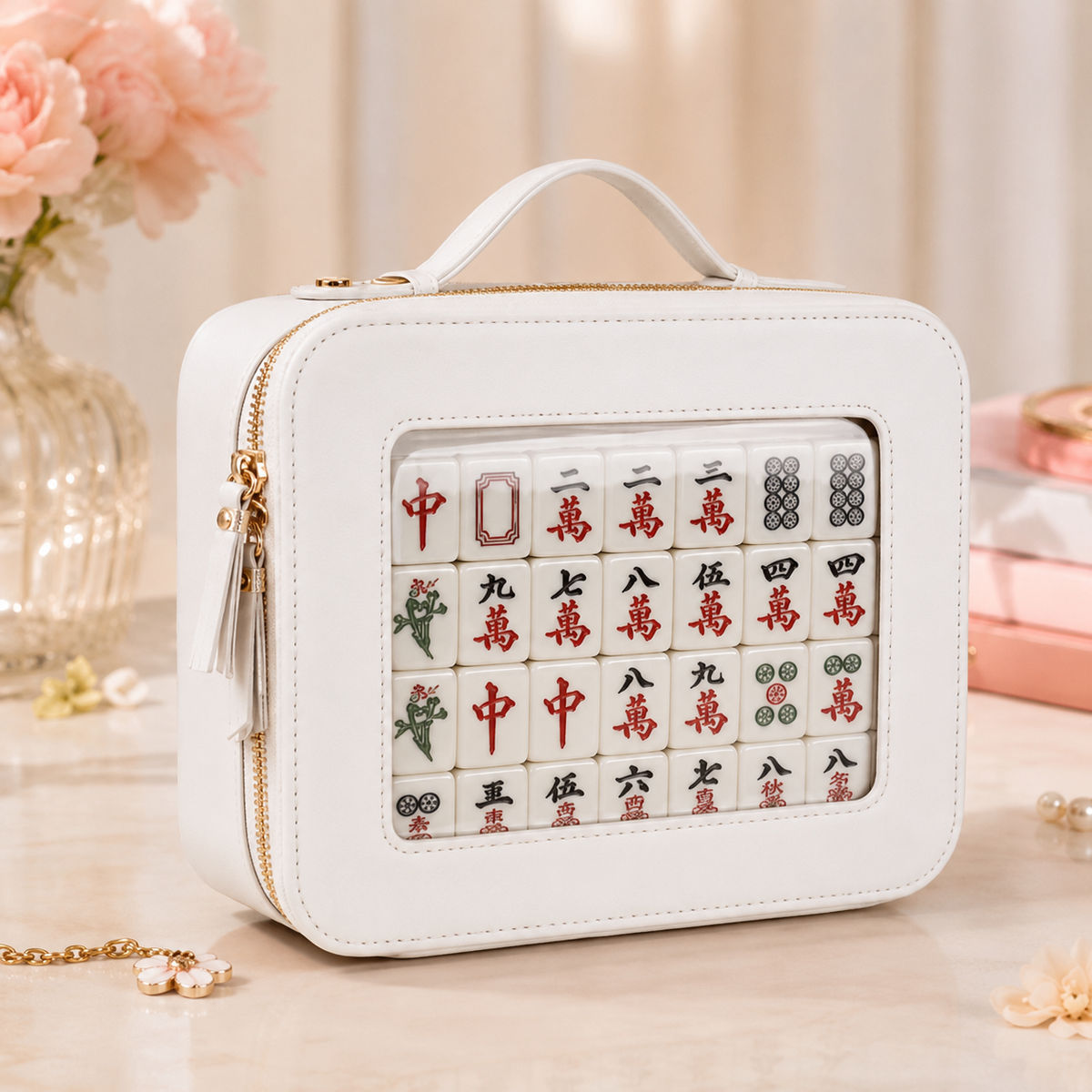
Mahjong accessories under budget include mid-range tile sets, compact mats, pushable racks, and durable travel bags—each solving a real hosting problem. A solid engraved American mahjong set covers the core; add a quality mat for tile grip and scoring space, racks with pushers to organize tiles and reduce table fatigue, and a padded case for portability. Most players find a complete starter bundle from our best-selling collection covers all four needs while staying within budget. Check dimensions against your table, confirm joker count for American play (8 jokers per standard 152-tile set), and verify the mat material won't curl or slide mid-game—cheap mats are false economy. 🀄 Shop best-selling mahjong sets →
What does "under budget" actually mean for a full setup?
When we say budget-conscious, we're talking about a working rig: a complete tile set (152 tiles + spares), a grip mat, four racks, and a case you can carry. Most players starting out expect to spend for durability, not luxury—acrylic tiles that survive drops, mats that don't bunch after two hours, racks that don't warp, and a bag that doesn't split at the seams. Buying pieces separately lets you start small (just a set and mat) and add racks and a case later as your group grows. That phased approach keeps early costs down while ensuring every piece actually works.
Which single item gives you the most game-hosting bang?
A quality mat is the unsung hero of home mahjong. It solves three problems at once: tiles stay in place instead of sliding mid-reach, scoring notation has room to breathe, and your table stays protected. A mid-range mat with non-slip backing and clear scoring zones costs far less than replacing a scratched table or losing a hand because tiles migrated mid-play. Pair it with your existing set, and suddenly your games feel pro-level without a big investment. The difference between a cheap mat that curls after three months and a solid one that lasts years is night-and-day in hosting confidence.
✨ Find your Mahstead set — free US shipping →
How do racks and pushers save money long-term?
Racks aren't luxury—they're injury prevention and precision. Players who arrange tiles by hand for years often develop wrist pain; pushers let you move tiles with one finger. A quad of quality racks also means four players spend less energy fumbling and more time playing, so your game runs sharper and faster. Over a year of weekly games, that means fewer mistakes, better-paced rounds, and frankly, less whining about sore hands. From a hosting perspective, racks signal you take the game seriously, which keeps players coming back. Budget racks that bend or have sticky pushers actually cost money because players avoid games where equipment fails mid-play.
What's the real difference between a set and a set-plus-case bundle?
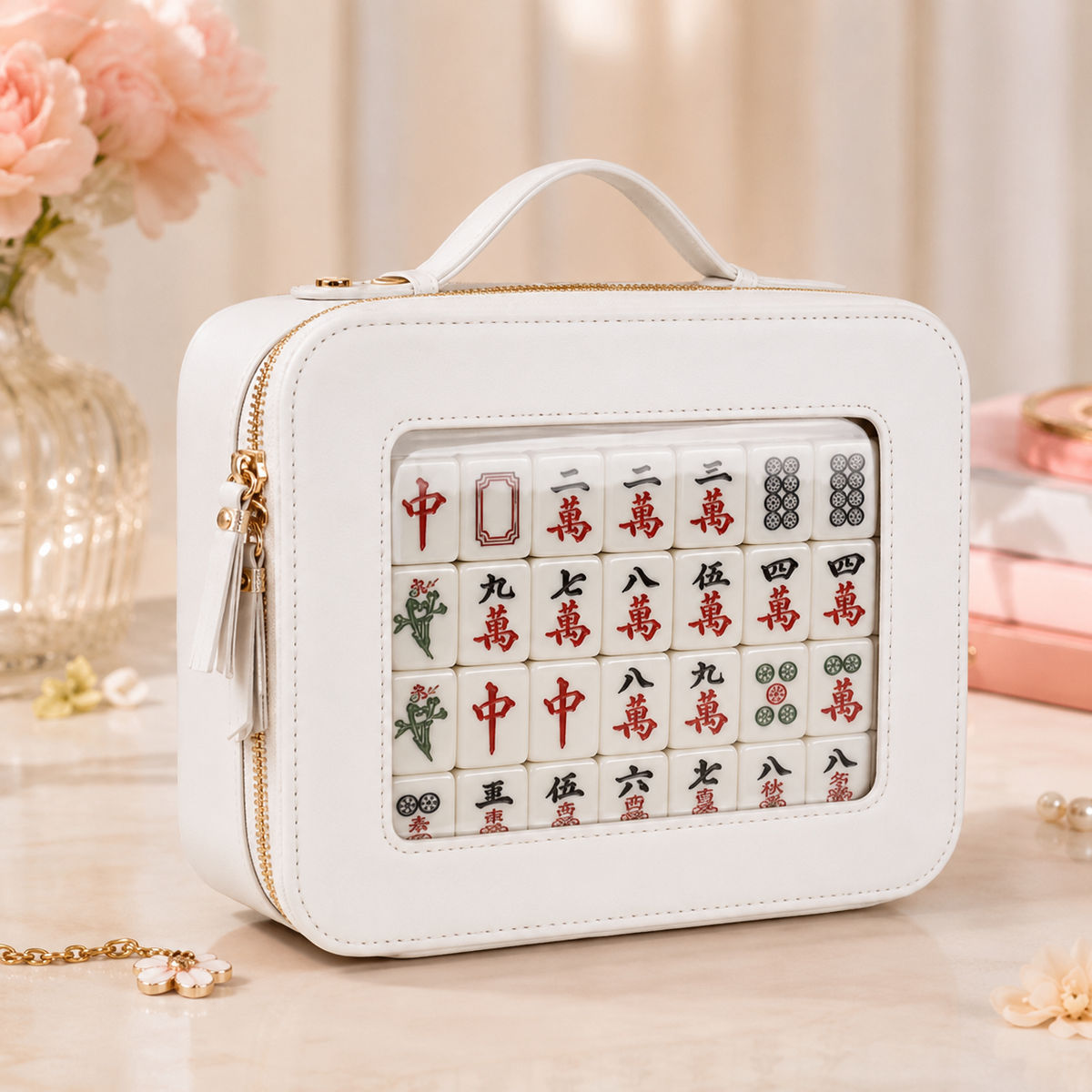
A tile set alone sits naked in a shoebox—and shoebox storage means tiles scatter, jokers vanish under the couch, and you spend 10 minutes hunting the Bam 1 on game night. A dedicated case keeps all 160 tiles organized, racks nested, mats rolled, and dice tucked—ready to grab and go. The case also protects tiles during transport; one accident with an open box ruins your Thursday night. A bundled case is cheaper per piece than buying case and set separately, so bundling actually saves money while solving a real problem. Look for cases with compartments (not just one open space), soft interiors, and handles that survive repeated use.
🎁 See our most-loved mahjong sets & accessories →

Can you host weekly games with budget gear without feeling cheap?
Absolutely. The trick is knowing where budget shines and where it fails. Acrylic tile sets from reputable makers are indistinguishable in play from premium options—color, feel, durability are identical. Mats, racks, and cases are where cheap materials show up first: a flimsy mat wrinkles, a bent rack frustrates players, a torn case embarrasses you. Spend smart on those three, save on extras (dice, joker counters, scoring chips), and no one knows you're on a budget. Players judge a game by smoothness and precision, not by gold accents on the box. We see hosts with mid-range Mahstead sets and solid accessories run games that rival country-club setups just because the equipment works and stays organized.
Comparison: Where to Put Your Money
Accessory | Who It's For | Key to Budget | Why It Works |
Tile Set (152 American) | Everyone | Acrylic, standard colors | Core game; quality acrylic = pro feel, any maker |
Non-Slip Mat | Daily players | 36"–40" size, rubber backing | Prevents tile drift; biggest ROI per dollar |
Rack Quad + Pushers | Comfort-focused | Smooth slides, stable base | Wrist relief; signals serious hosting |
Padded Carry Case | Portable groups | Fitted compartments, reinforced seams | Protect tiles; consolidate setup |
Dice + Marker | Score keepers | Basic set, no frills | Minimal spend, essential for rules |
What to Check Before You Buy
Tile count: American mahjong always uses 152 tiles plus 8 jokers in play; spares (extra jokers and/or blanks) come with larger sets but never join the game. Confirm your set includes all four suits, correct dragon counts, and eight flowers—a short set ruins the night.
Mat fit: Measure your table width. A 40-inch mat fits most rectangular tables; too small and scoring zones cramp, too large and it bunches. Non-slip backing matters; cheap felt slides under elbows during play.
Rack stability: Test one if possible. Racks that wobble or have loose pushers waste mental energy; solid ones feel like muscle memory after one game.
Case durability: Soft cases work for occasional transport; hard shells survive years of car trunks and closet stacking. Check seams and zippers, not just price.
Joker clarity: Jokers must be instantly identifiable mid-game. Avoid sets where jokers look too similar to numbered tiles or flowers.
Return policy: Not all makers offer easy returns for setup issues. Mahstead ships free across the US, so buying and testing is low-risk—a genuine advantage when choosing budget gear online.
The sweet spot for hosting without regret: a solid best-selling set, a grip mat with scoring zones, four racks with pushers, and a padded case. That combo covers all four hosting pain points, fits most budgets, and lasts years with basic care.
Next Steps: Building Your Hosting Kit
Choose your set. American or Chinese? Standard or engraved? Browse our best-selling options—most work for both solo play and weekly groups.
Add a mat. Measure your table, pick a non-slip style, and confirm scoring zones are printed clearly.
Grab racks and a case together. They ship as one unit, simplify storage, and usually cost less bundled.
Test for one game. Set up in your real space, time the Charleston and deal, note any wobbles or slide issues, and adjust before inviting the group.
Keep a spare joker and marker in the case. Murphy's Law says you'll lose one during a tournament hand.
Quality gear at any budget level comes down to honesty: does it work, is it durable, and will you enjoy using it every week? We've built Mahstead around that promise—no fluff, no shame, just tools that let you host great games.

FAQ
Can I host weekly games with a set and mat only, adding racks later?
Yes. Start with a solid tile set and quality mat, play for a month, then invest in racks when budget allows. Racks improve comfort but aren't mandatory; many casual groups play bare-handed for years without issue. A: Yes. A solid tile set and mat support weekly games; racks and cases are upgrades that prevent hand fatigue and organize gear. Phased buying spreads cost and lets you skip items you don't need.
What's the most common way people waste money on budget gear?
Buying a cheap mat that curls after two months, then replacing it. Or a case with poor zippers that burst, scattering tiles. Spend extra on items that take abuse (mat, case); save on decorative add-ons (dice colors, box art).
Should I buy a 160-tile or 152-tile set for home play?
American mahjong always plays with 152 tiles and 8 jokers; spares in a 160-tile set don't join the game. The extra tiles are backups for damage or loss. A 160-tile set from Mahstead gives you insurance without changing play or cost much more than 152-only options.
How do I know if a mat will work with my table shape?
Measure your table width (the playing surface, not edges). Most rectangular dining tables are 36–42 inches wide. A mat that's slightly smaller (36–40 inches) sits centered and won't overhang; larger mats bunch. Confirm the mat's stated dimensions match your table before ordering.
Do racks come with pushers, or do I buy them separately?
Quality racks include pushers as part of the set. Cheap racks sometimes sell pushers separately or include them loose. Check the product description; our racks with pushers collection includes both always, so no surprises.
Is free shipping really free, or hidden in the price?
Genuine free shipping across the US is built into Mahstead pricing—no markup for shipping, no coupon required. It's a core promise we keep; compare the final total at checkout to other makers' shipped prices and you'll see the difference.


View More
View More
View More
