
Mahjong Open Play in Plano: Where to Play & How to Join
Last updated: Nov 23, 2026
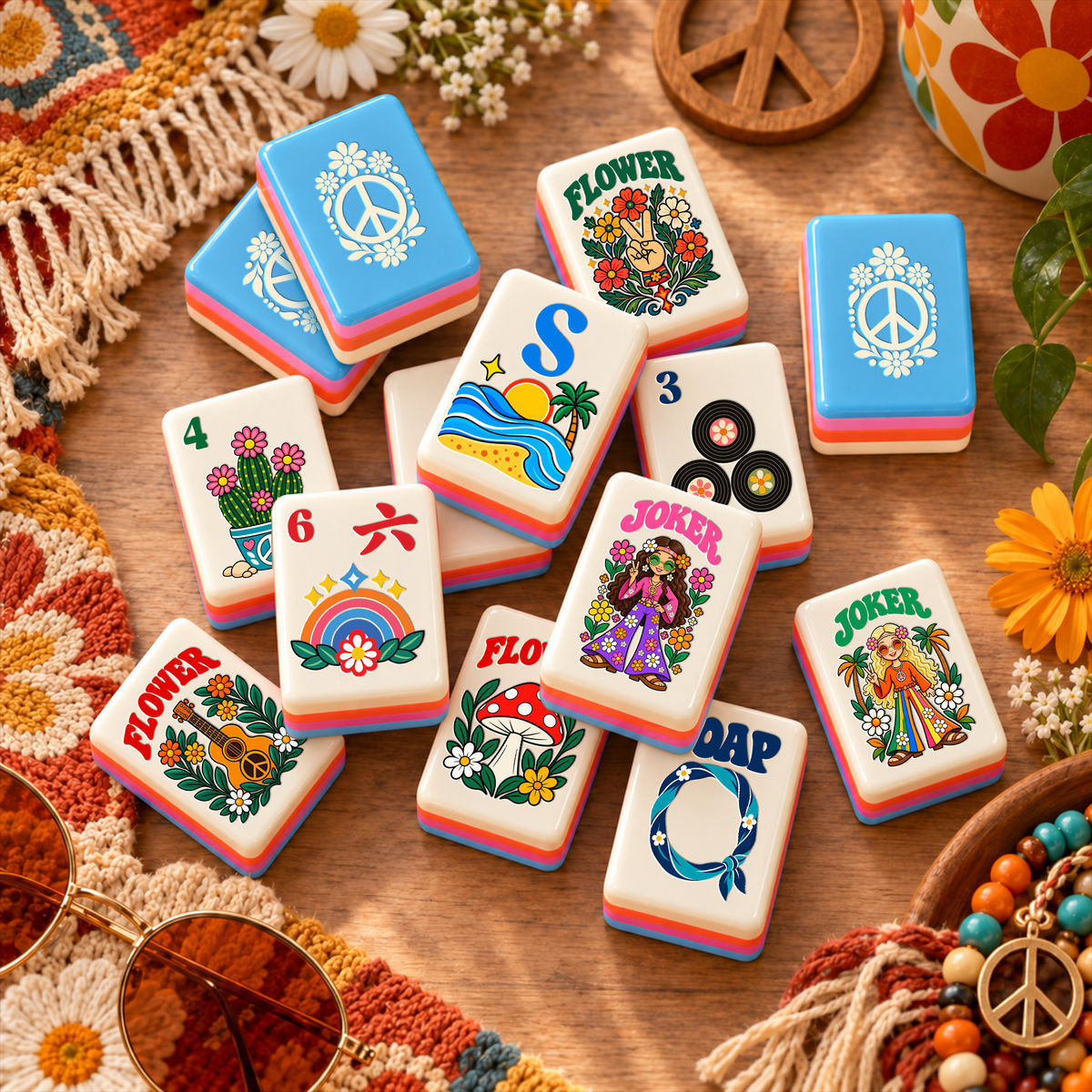
Open play mahjong in Plano happens weekly at public venues and private groups. Check Plano's Parks & Recreation department website, local libraries, synagogues, and community centers for posted schedules—many host American mahjong games on specific weekday evenings or weekend afternoons. Some groups advertise on Meetup or Facebook; others operate by referral. A typical session lasts three to four hours, costs nothing to a few dollars per hand for casual play, and welcomes players from complete beginners to experienced ones. You'll need a 160-tile set if hosting, but most groups provide tiles. Before attending, call ahead to confirm the game variant (American is standard in Texas), hand-selection method, and whether you should bring your own set or ask about shared equipment.
Where do Plano players actually meet?
Plano's mahjong community gathers at three main venue types. Public spaces include Plano's Parks & Recreation facilities, which often list game schedules on their website under adult activities or special interest groups. Libraries—particularly larger branches—sometimes host open mahjong tables during evening or weekend hours, and staff can point you toward active groups. Private clubs, country clubs, and membership organizations (especially those with senior programs or cultural community ties) often run weekly tables; these sometimes advertise via email lists or local bulletin boards. The best starting point: call Plano Parks & Recreation directly or check their website for "mahjong" or "game groups," then ask staff to connect you with organizers. Facebook community groups and Meetup boards sometimes list local gatherings, though you'll want to confirm details by phone before your first visit.

What's the typical vibe and cost?
Most Plano open play groups welcome newcomers warmly and run casual, social games rather than tournament-style competition. Cost is usually low—either a small per-hand fee (typically a few dollars) split among players, or games played purely for fun with no stakes. A typical evening runs three to four hours, starting around 6 or 7 p.m. on weekdays or 1 or 2 p.m. on weekends. Players bring snacks and beverages, chat between hands, and often mix experience levels at the same table. You'll rarely encounter pressure to play for money or strict tournament rules; the focus is on steady play and company. Some venues ask you to RSVP or arrive early to reserve a seat; others are first-come, first-served. Call or email the host ahead of time to learn the house rules, whether you need to bring a set, and what the mix of skill levels typically is.
Do you need to bring your own set?
Most established open-play groups in Plano own multiple sets and provide them at the table, so newcomers don't need to carry equipment to their first game. However, once you've joined a regular group, having your own set is courteous and convenient—many hosts appreciate it. If you decide to buy one, choose a best-selling mahjong set with clear tile markings (acrylic tiles with printed symbols are easier to read than carved bamboo if you're learning) and a sturdy case for transport. A 160-tile set includes the standard 152 tiles used in play, plus spares. If you plan to host games yourself later, you'll want your own set and a protective mat to keep tiles safe during shuffle and play. A quality mat also protects your table surface and speeds setup—important if you're running back-to-back games.
🀄 Shop best-selling mahjong sets →
How do you get started if you're a beginner?
Attend an open play session as a kibitzer (observer) first if the group allows it—this lets you watch how hands are built, how the tile pass (Charleston) works, and how scoring is called without the pressure of playing. If you've never played American mahjong, review how to play American mahjong before you go; understanding the basic goal and tile types cuts down confusion at the table. Bring a notebook to jot down unfamiliar terms and the year's hand patterns. Most groups are patient with beginners and will explain calls, joker use, and the hand card (which lists every winning combination for the current year). Don't worry if you don't score or win the first few hands—the learning curve flattens fast once you're sitting in. Ask questions between hands and accept guidance gracefully. Many players remember their first game and enjoy coaching newcomers; it's part of the open-play culture.

What should you bring and check before your first game?
Practical checklist for your first open-play session:
Item | Why You Need It | Note |
Phone number of host or venue | Confirm time/location/parking | Call 24 hours ahead if uncertain |
Notebook & pen | Record hand patterns, new terms | Helps you learn faster at the table |
Comfortable clothes & shoes | You'll sit 3–4 hours at a table | Bring a light layer; some rooms run cool |
Cash for small fee (if applicable) | Some groups charge per hand | Ask the host in advance about cost |
Water bottle | Stay hydrated during play | Venues may not provide it |
Snacks to share (optional) | Builds goodwill in the group | Check if anyone has food allergies |
Open mind about house rules | Every group tweaks scoring slightly | Ask before play starts what variant they use |
Call the venue or host at least one day in advance. Confirm the game starts on time, that newcomers are welcome, parking is available, and whether you should bring a set or if one will be provided. Ask the host or group coordinator about the National Mah Jongg League card year they use (updated each spring)—you'll need the correct year to follow hand patterns. If you own a set already, ask whether your tiles are compatible with theirs or if there's a house standard.
How do I find and connect with a group after my first game?
After your first session, exchange contact information with other players and ask how regulars stay in touch—some groups use a text thread, others rely on email or a private Facebook group. Many players are happy to give you a host's number or the recurring game schedule. If you enjoyed the group, commit to the same time slot for at least four or five sessions; familiarity builds confidence and you'll start recognizing faces and playing styles. Once you're comfortable, consider hosting a game yourself (you'll need a mahjong mat and a set, plus racks with pushers if hosting for four regular players improves the experience). Hosting is how many players deepen their friendships and become pillars of their local community.
🎁 See our most-loved mahjong sets & accessories →
What to Check Before You Buy Your First Set
If you decide to buy a set to use at home or contribute to a group, prioritize durability and clarity over novelty. Acrylic tile sets are lighter than bone-and-bamboo and easier to read for newer players—check that symbols are printed clearly (not hand-painted, which can fade). Verify the set is 160 tiles (152 playing tiles plus spares) and includes the full American complement: three suits (Bams, Craks, Dots), winds, dragons, and flowers. Buy from a maker who ships sets complete and inspects them before packing. Your tiles should arrive sorted and ready to play. If any tile is cracked, missing, or unmarked, contact the seller immediately—replacements matter for fair play. Most quality sets include a mat or protective bag; if you'll transport your set between venues, a case is essential.
✨ Find your Mahstead set — free US shipping →

FAQ
Is mahjong free to play in Plano open play groups?
Most open-play groups charge nothing or a small amount (typically a few dollars per hand) split among winners or the pot. Call the host in advance to confirm their cost structure.
Can complete beginners join open play?
Yes. Plano groups welcome newcomers. Arrive early to explain you're new, watch a few hands, ask questions, and learn house rules. Most players enjoy helping beginners.
Do I need to own a mahjong set to play?
No. Most established groups provide sets at the table. Once you're a regular, owning your own set is courteous and makes it easier to host or travel between games.
What's the difference between open play and tournaments?
Open play is casual, social, flexible in stakes, and focused on fun. Tournaments use National Mah Jongg League rules strictly, track scoring officially, and award prizes. Open play is usually the better starting point for new players.
How often do Plano groups meet?
Most meet weekly—typically one or two recurring time slots (e.g., Tuesday evenings, Saturday afternoons). Some venues run multiple tables or sessions. Call ahead to find a time that fits your schedule.
What's the mahjong Charleston and do all Plano groups do it?
The Charleston is a tile-passing ritual before each game—players exchange tiles three ways to randomize starting hands. All American mahjong groups use the Charleston. It takes about two minutes and is easy to learn by watching once.
Should I memorize hand patterns before my first game?
No. Bring a copy of the current year's National Mah Jongg League card (available free online or printed by many groups) and refer to it during play. Pattern recognition improves with practice; memorization is optional.
What's the typical age range in Plano open play?
Groups range from mixed adult (ages 30–75+) to senior-focused circles. Call the host to ask about the typical age mix and whether the pace suits your style.


View More
View More
View More
