
Mahjong Open Play in Phoenix: Where to Play & How to Join
Last updated: Nov 23, 2026
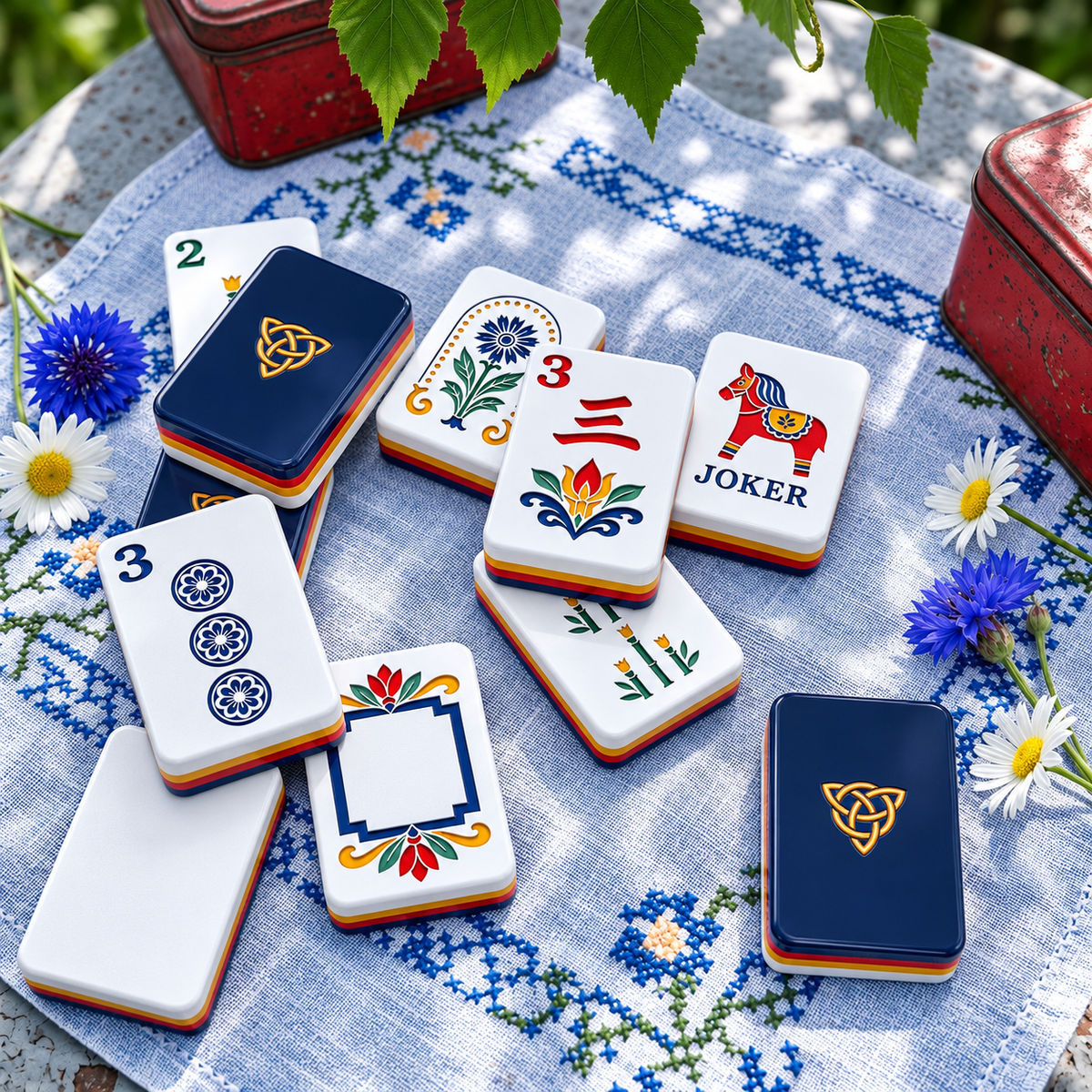
Open play mahjong in Phoenix happens year-round in community centers, libraries, synagogues, senior centers, and casual meetup networks. Most groups play American mahjong using the National Mah Jongg League card (updated each spring). Games typically run one to four hours, with players rotating in and out. To find groups, search online community boards, check your local library's program calendar, ask at nearby synagogues or country clubs, and browse meetup platforms for "mahjong" + "Phoenix." Beginners are generally welcome, though many groups ask new players to observe one game first. You'll need a 152-tile American set with jokers, a mat, and a copy of the current year's card—or borrow these from the group host. Most open play is casual and free or involves a small snack contribution.
Where do Phoenix players gather for open play?
Phoenix mahjong open play groups meet in three main settings: public community centers often host weekday or weekend sessions; libraries occasionally sponsor afternoon games or can direct you to active groups; and casual meetups organized through online boards or word-of-mouth happen in homes, coffee shops, and recreational venues. Senior centers are especially active hubs. Start by calling your neighborhood community center or visiting your library's events page—staff can often name groups that meet there or nearby.

How do I find a group that's right for my skill level?
Most Phoenix open play groups accommodate all levels because American mahjong isn't about speed—it's about matching hands to the card. Call ahead or arrive early; explain you're new, watch a hand or two, and ask questions. Experienced players expect beginners to ask "Is this hand on the card?" or "Can I call this tile?" Open play is forgiving; stakes are low or nonexistent. Avoid assuming a group plays a variant (Chinese, Riichi, Hong Kong) unless explicitly stated—American mahjong dominates in Phoenix's casual scene.
What should I bring to open play?
Most open play groups provide tiles, mats, and cards, so you can show up empty-handed. However, having your own best-selling mahjong sets means you're never dependent on borrowed equipment—your tiles stay familiar, your set holds its value, and you can host games yourself. A small notebook helps you track scoring or learn hand patterns. Bring water, a light snack to share (if house rules expect it), and a willingness to laugh at the shuffle. Phone or watch to track time if you're playing with a rotation.
🀄 Shop best-selling mahjong sets →
What are the unwritten rules of Phoenix open play?
Open play etiquette is simple: respect the shuffle and setup, call hands clearly (don't mumble or assume others heard), and never touch tiles that aren't yours or the wall you're drawing from. Announce when you're ready to draw and when the wall is depleted. Don't coach other players mid-hand unless they ask. If a hand is invalid, acknowledge it without drama—then move to the next wall. Keep the game flowing; rough sorting speeds play. Most groups welcome conversation between hands but expect focus during active turns. Phones on silent. Treat borrowed equipment as your own.

How does open play differ from league or tournament play?
Open play is casual, social, and flexible; league play follows strict National Mah Jongg League rules, tracks rankings, and enforces a formal card and tile standard. Open groups often allow house rules (e.g., a longer Charleston, or a grace period for new players). No one records your results or tracks a rating. You can play for fun, money (if local law permits), or simply social credit. This freedom makes open play the entry point for most new Phoenix players—no pressure, just tiles and friends. Once you catch the bug, you can explore how to play American mahjong more formally or join a league.
What's the best strategy for a beginner at open play?
Study the current year's National Mah Jongg League card for 15 minutes before your first game—know how hands are laid out in rows, what pungs and kongs look like, and why jokers matter. During play, watch how players call tiles and why they're discarding certain tiles. Don't memorize every hand; instead, ask "Is this on the card?" every time you think you're close. Keep your hand organized: group suits and ranks together, separate like tiles, and position jokers where you can see them. Call your winning hand clearly but don't stress—experienced players will verify it. The goal is to enjoy the rhythm, not to win your first week.
Aspect | Open Play | League Play | Tournament |
Setting | Casual (home, library, center) | Formal clubs or scheduled events | Competitive sanctioned venues |
Card used | Current NMJL card | Current NMJL card | Current NMJL card |
Rules flexibility | House rules allowed | Strict official rules | Strict official rules + time limits |
Stakes | Usually free or snack pot | Usually free or modest entry | Entry fee; prizes possible |
Best for | Beginners, social play | Serious learners, ranked ranking | Competitive players |
Duration | 1–4 hours, drop-in | 2–3 hours, scheduled | 3–6 hours, multiple rounds |
🎁 See our most-loved mahjong sets & accessories →
What to check before you buy or borrow a set for Phoenix open play
If you're investing in your own equipment, confirm you have a full 152-tile American set with 8 jokers—many bargain sets cut corners on joker count or include tiles that don't belong in American mahjong. Test the tiles' weight and feel; cheap plastic cracks or warps in Phoenix's dry heat. A set with clear markings (numbers and suit symbols) matters more than pretty decoration. If borrowing from a group, ask how old the set is and whether all jokers are present before your first game. Bring a mahjong mat or use the group's; a mat protects tiles and keeps hands organized. If you plan to host after a few sessions, invest in a durable set and a well-made mat from the start—they last decades.
✨ Find your Mahstead set — free US shipping →
How to prepare your first week of open play: a checklist
Day 1–2: Search "mahjong open play Phoenix" + your neighborhood on community boards and library sites; write down three contacts.
Day 3–4: Call or email groups; ask about beginner friendliness, meeting times, and what to bring.
Day 5: Print the current year's National Mah Jongg League card or download it; spend 20 minutes reading how hands are arranged and spotting sample patterns.
Day 6: Gather your own tiles and mat, or confirm the group will loan them; wear comfortable clothes and arrive 10 minutes early.
During play: Watch one full hand without joining; ask the dealer to explain their discards; call hands clearly; laugh at mistakes.

FAQ
Is there a cost to join open play mahjong groups in Phoenix?
Most casual open play groups are free or ask players to contribute a snack. Some groups pool small stakes (a dollar or two per hand) for a kitty; ask upfront. No league or formal membership is required for casual play.
Can I play American mahjong if I've only played Chinese or Riichi mahjong?
American mahjong is different—no chows or sequences, only pungs (3), kongs (4), and special combos; jokers can't form a pair or single tile; and hands come only from the current year's official card. You'll need to learn the American rules and card layout, but your tile knowledge transfers. Many Phoenix groups include players who've played other variants—ask for a teaching hand.
What if I lose tiles or damage borrowed equipment?
Tell the group immediately. Most open play hosts are forgiving if it's accidental; they've seen spilled tiles a hundred times. If you damage a tile badly or lose a joker, offer to replace the set or pay for repairs. Bring extra care to borrowed equipment—use a mat, keep tiles away from edges, and pack them gently in a case if you're taking them home.
How long does a typical open play session last?
Most sessions run one to four hours. Beginners often play fewer walls (games) per session; experienced players stay longer. Check with your group—many have a set start and end time, while others let you drop in or leave anytime.
Should I memorize the mahjong card before my first game?
No. Bring the card, refer to it during play, and ask "Is this on the card?" liberally. You'll start recognizing patterns after two or three sessions. Memorization comes naturally over weeks and months, not before. Many veteran players still glance at the card mid-game.
What tiles or equipment should I own before playing open play?
You don't need to own anything—borrow from the group for your first few sessions. Once you're hooked, a personal best-selling mahjong set and a quality mat mean you're never scrambling for borrowed tiles and you can eventually host. A full 152-tile American set with jokers is the baseline; anything less will cause frustration when hands don't match the card.


View More
View More
View More
