
Mahjong Classes for Beginners in Albuquerque
Last updated: Nov 23, 2026
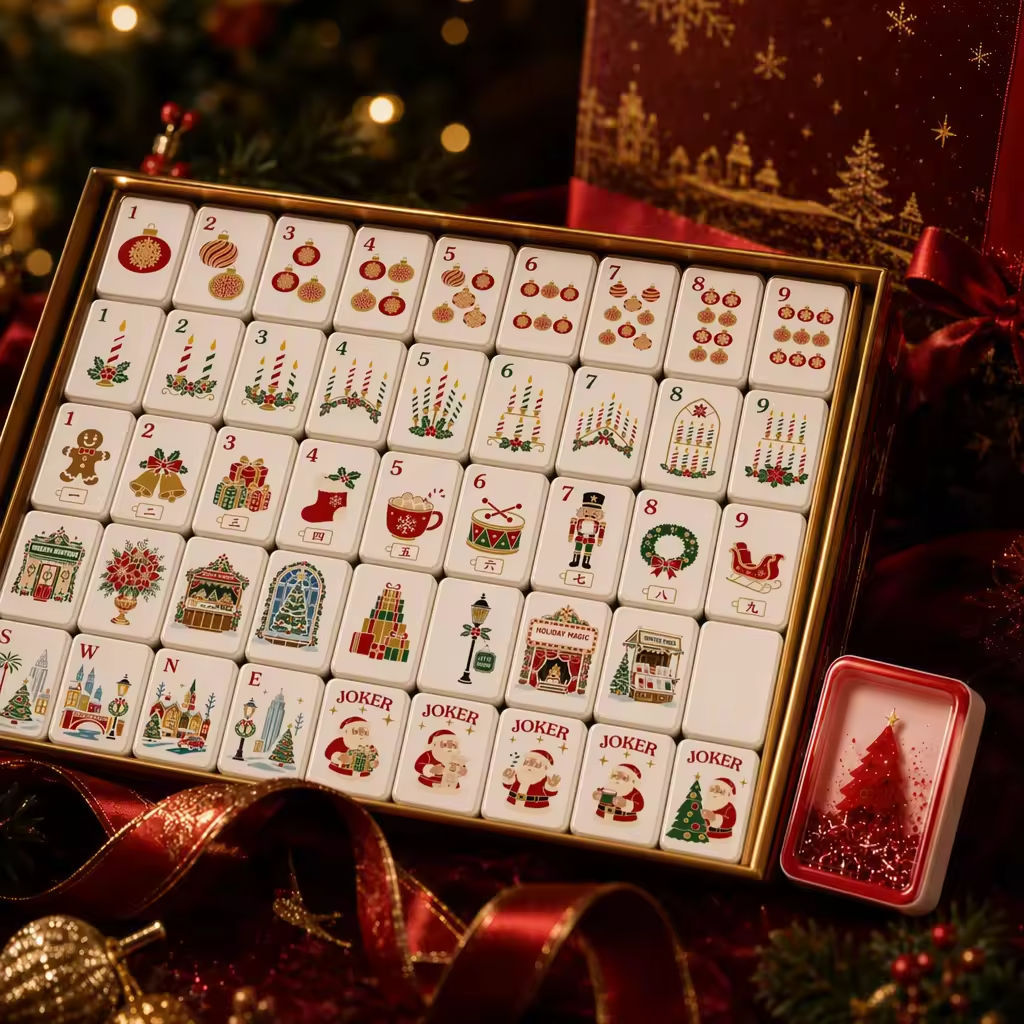
Beginner mahjong classes in Albuquerque meet at community centers, libraries, synagogues, and country clubs—check bulletin boards, Meetup, and local library websites for current groups. Most classes teach American mahjong and run 2–4 hours weekly; some charge a small drop-in fee or ask players to contribute to snacks. Expect to learn hand recognition, the Charleston tile pass, how to call melds, and scoring. You'll need a 160-tile acrylic set with racks and pushers; many instructors provide loaner equipment on your first visit, but having your own best-selling mahjong sets speeds your learning and shows commitment to the game.
Where do beginners find mahjong classes in Albuquerque?
Start by calling or visiting your local public library branch—many host weekly mahjong groups or can connect you to instructors. Check community center schedules online; recreation departments often list ongoing or seasonal classes. Meetup.com frequently shows local mahjong meetups; search "mahjong Albuquerque" or "mahjong ABQ." Synagogues, Buddhist meditation centers, and senior centers often host games. Browse bulletin boards at country clubs or tennis clubs; mahjong has a strong crossover with other social venues. Ask at local game stores if they know instructors. Once you find a group, attend as an observer first—most players welcome newcomers to watch and learn before sitting in.

What should I expect in a beginner mahjong class?
Your first session covers the tile setup: the 152 tiles, four copies of each number in three suits (Bams, Craks, Dots), winds, dragons, flowers, and eight jokers. Instructors teach you to hold and read tiles, then move into hand recognition using the current-year National Mah Jongg League card—the official rulebook for American mahjong. You'll learn the Charleston, the three-round tile-passing ritual that comes before every hand. Next: the deal, how to build your wall, how to draw and discard, and what "pung," "kong," and "quint" mean. Finally, they'll walk through calling your first hand and basic scoring. Most classes spend weeks on hand recognition alone, because reading the card fluently is where beginners slow down.
How long does it take to become comfortable playing?
Most players feel confident after 8–12 weekly classes—roughly 2 to 3 months of regular attendance. You'll recognize maybe 20–30 common hand patterns, understand joker rules, and know when to hold tiles vs. discard them. True fluency (reading the card in seconds, spotting winning tiles, managing strategy) takes 6–12 months of weekly play. The National Mah Jongg League updates the official card every spring, so learning is cyclical; veteran players re-learn parts each year. Don't rush: mahjong's depth is part of its appeal. Many players study the card at home between sessions—print the current card from the League's website or ask your instructor for a copy.
🀄 Shop best-selling mahjong sets →
What do I need to bring or buy before my first class?
Ask your instructor if loaner sets are available; if not, you'll need your own 160-tile American mahjong set with racks with pushers to keep tiles organized and visible. A mahjong mat protects your playing surface and makes tile movement smooth—essential if you're playing on a dining table weekly. Bring a notepad and pen for scorekeeping and to jot hand patterns that confused you. Some classes provide scorecards; others ask players to rotate scoring duty. Wear something comfortable; a typical session involves an hour of arm movement and concentration, and you'll sit for 2–4 hours. Bring water and a snack if allowed. Many groups keep house rules—ask before class starts so you're not surprised by house scoring differences.

How does American mahjong compare to other variants I might encounter?
American mahjong uses the official League card and forbids sequences (chows); you can only call pungs (three identical tiles), kongs (four), quints (five), and sextets (six), plus jokers to fill gaps. Chinese, Hong Kong, and Riichi mahjong all allow sequences—a very different game strategy. American games also let multiple players go out in the same hand and pay accordingly; most other variants crown one winner per hand. The American Charleston shuffle is unique; Chinese mahjong doesn't use it. If you learn American first, you'll have trouble switching variants without relearning rules—but American is the easiest entry point for Western players because the League card removes hand ambiguity. Ask your instructor which variant they teach before signing up; Albuquerque groups almost always teach American.
🎁 See our most-loved mahjong sets & accessories →
Common beginner mistakes to sidestep in your first month
Mistake 1: Memorizing hands instead of learning the card structure. New players try to memorize all 96 hands on the card; instead, learn the card layout. Hands are organized by pattern (Pung hands, Like Number, Consecutive Pung, etc.). Learn where patterns live, then spot them. Your brain does the rest.
Mistake 2: Using jokers as a single tile or in a pair. Jokers can only fill in exposed melds (pungs, kongs, quints, sextets)—never as a solo tile or paired. This mistake costs you hands and confuses everyone at the table.
Mistake 3: Discarding tiles too quickly. New players panic and throw away tiles without thinking strategy. Pause. See what others have discarded. Hold onto flowers and winds longer; they're useful for melds but less risky in the discard pile.
Mistake 4: Not learning the Charleston order. The Charleston (passing tiles three times in alternating directions) is ritual, but the direction matters. East passes right, South passes down, etc. Your instructor will drill this; practice at home if needed.
Mistake 5: Ignoring house rules. Before play starts, ask: Do we play loose jokers (any color) or strict (each joker in a set has one color)? Can we change hands after two turns? Are we playing soft joker rules (a joker can replace any single tile) or hard (strict melds)? Write down answers.
What You'll Need | Why It Matters | Best Starting Point |
160-tile acrylic set | Durable, clear tile prints, lasts years | |
Racks with pushers | Keeps tiles organized; pushers make discards smooth | |
Mahjong mat | Protects table, quiets tile sound, eases play | |
Current-year League card | Official rules and hand reference | Instructor or League website |
Notebook | Track patterns you learn, house rules | Any notepad |
How to choose your first mahjong set and gear
Start with a standard 160-tile acrylic set—acrylic is lighter and clearer than bone or bamboo, and won't wear tiles' faces. Acrylic also travels well; you can take it to class without worry. Avoid 144-tile sets; American mahjong always uses 152 tiles plus 8 jokers in play. When you buy, check that the set includes racks with pushers or plan to buy them separately; pushers make the discard ritual smooth and save your wrists. A mahjong mat is optional for your first class but becomes essential once you're playing weekly—it quiets tiles and defines the play area on any table. If you're gifting a beginner set to a friend, choose a design that speaks to them; engraved sets make great keepsakes. Most Albuquerque instructors will size you up on your first visit—they'll spot if your racks are too cramped or your mat too small—but buying a standard set upfront saves time and shows the group you're serious.
What to check before you buy your first set
Tile clarity: Can you read numbers and suits easily in low light? Acrylic sets with printed faces are fastest to read.
Rack comfort: Do the racks fit your hand size? Adjustable racks work for adults and teens; fixed racks suit one player.
Set completeness: Does it include jokers, flowers, and winds? A 160-tile set has spares; verify the seller states this.
Pusher quality: Are pushers included? They should be smooth and not crack after 100 games.
Delivery time: Classes start soon—can you get your set in time? Mahstead ships free across the US, so factor in a week lead time.
Return policy: Can you exchange if tiles are chipped on arrival? Ask before purchase.
✨ Find your Mahstead set — free US shipping →
Once you've found a class in Albuquerque and bought or borrowed a set, read the full beginner's guide to understand hand structures and learn how the tiles work before your first night. Most importantly: show up with an open mind and a sense of humor. Mahjong has a steep learning curve for the first month, then clicks fast. Your Albuquerque group will support you—they all started where you are.

FAQ
Can I learn mahjong online instead of in a local class?
Yes, but it's slower. Online videos teach rules and hand patterns, but you miss real-time feedback, table rhythm, and the crucial practice of reading tiles under time pressure. Many Albuquerque players start online then join a class to accelerate. Best approach: watch an intro video, then join a class.
Do I have to join a formal class or can I just find a casual game?
Casual games exist, but beginners do better in structured classes first. A casual group assumes you know the card, hand recognition, and pace—jumping in unprepared frustrates everyone. Take 4–6 weeks of classes, then join casual games.
What's the difference between American mahjong and other kinds I might hear about?
American mahjong uses the official League card, forbids sequences (chows), and lets multiple players win in one hand. Chinese, Hong Kong, and Riichi variants allow sequences and have different scoring. Learn American first; switching variants mid-game is confusing.
How much does it cost to join a beginner class in Albuquerque?
Most groups charge no membership fee; some ask for a small weekly drop-in (typically $2–5) or a shared snack fund. A few instructors charge per session. Call ahead to confirm. Your only other cost is a set and mat, which you'll use for years.
Should I buy an expensive engraved set or a basic set to start?
Start with a basic set. Once you're confident after 2–3 months of weekly play, upgrade to an engraved set as a gift to yourself or a friend. Beginners don't need decoration; they need clarity and comfort.
Can I bring the same set to different groups or instructors in Albuquerque?
Absolutely. Your set is yours; play with any group that welcomes you. Some groups have house rules (loose vs. strict jokers, soft vs. hard melds), so ask when you visit a new game. Your set and racks work in all American mahjong games.


View More
View More
View More
