
Any Like Numbers Section of the Mahjong Card Explained
Last updated: Nov 23, 2026
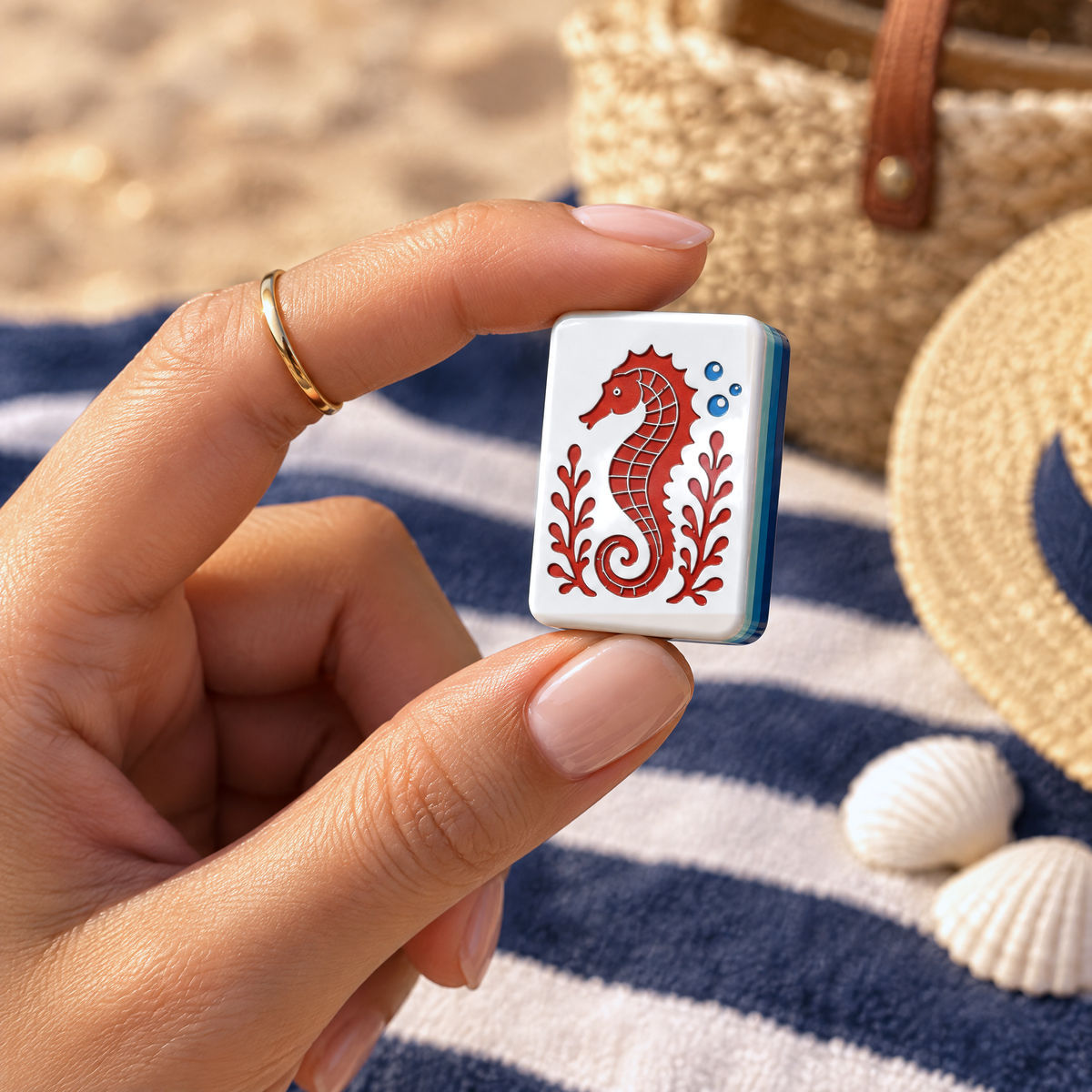
The "any like" section appears on every year's National Mah Jongg League card and describes hands where tiles are grouped by number or honor value alone—the suit doesn't matter. For example, you might need three 5s (any mix of 5 Bams, 5 Craks, 5 Dots), or any three winds, or any three dragons. These hands often include two pairs and several exposed groups (pungs, kongs, or sequences of identical ranks). The flexibility of "any like" makes it one of the easiest patterns to learn first. Understanding the full card structure helps you spot which patterns fit your draw, but "any like" stands out because suit mixing is forbidden—you cannot blend a 5 Bam with a 5 Crak in the same pung. Most hands take 8–14 turns to complete once you identify them.
What does "any like" actually mean on the card?
"Any like" means you group tiles by their number or honor rank, not by suit. If the card shows "Pung any like 5," you need exactly three identical 5s—three 5 Bams, three 5 Craks, or three 5 Dots, but never a mixed set. The word "any" refers to which specific number or honor, not to mixing suits; once you choose which 5 you need, all three must match. Jokers can fill gaps in longer sequences but not in pairs or single-tile slots. This rule is the same across all American mahjong games and separates "any like" patterns from hands that explicitly allow suit mixing, which never appear in American mahjong.

How do you spot an "any like" hand in your draw?
Start by counting identical numbers or honors in your hand. If you hold 5 Bam, 5 Crak, 5 Dot, look for "any like 5" rows on the card. Next, scan the complete row to see what other groups (exposed pungs, kongs, pairs) are listed. If the pattern includes "Pung any like 5, Pung 2 Bams, Pair any like wind," check whether you also have a pair of winds (North, East, South, or West). Match your holdings tile by tile against each row. Most rows fit into narrow bands on the card—usually rows 1–50 contain early-game patterns, rows 51–100 mid-game, and rows 101–152 harder combinations. Keeping a pencil and our best-selling mahjong sets nearby with a sturdy mat will help you spot patterns faster during play.
🀄 Shop best-selling mahjong sets →
What's the difference between "any like" and "like number"?
Both phrases describe grouping by number or rank rather than suit, so they function identically in American mahjong. Some card editions use "any like," others use "like number," but the rule remains unchanged: you group identical ranks across any suit. A "Pung like number 8" is the same as "Pung any like 8." The year's card will use one phrase or the other consistently, so familiarize yourself with that season's wording before your first game. This distinction matters mainly to avoid confusion when reading older cards or cards from different leagues, but modern National Mah Jongg League cards stick to one term per year.
Common mistakes when building "any like" hands
The biggest error is mixing suits within a single group. If you need a Pung any like 3, you cannot use 3 Bam, 3 Crak, and 3 Dot—you must pick one suit and use three of that tile. Another mistake is forgetting that jokers cannot fill a pair slot; if the hand calls for "Pair any like dragon," you must use two real dragon tiles, not one dragon and one joker. A third slip is misreading which pair the hand requires; some patterns call for a specific pair (Pair Red Dragon) while others say "Pair any like," so scan the full row before committing tiles. Finally, beginners often expose groups too early when chasing "any like" hands; hold tiles in your hand longer if multiple "any like" patterns could work, so you keep flexibility as draws come in.

How to build a quick reference guide for "any like" patterns
Write down every "any like" hand from the current year's card on a small notepad, organized by number or honor. For example:
"Any like 1": rows 12, 34, 67
"Any like Dragon": rows 44, 89
"Any like Wind": rows 15, 52, 103
Group patterns by what other tiles they require (for instance, if "Pung any like 5, Kong any like 1, Pair White Dragon" appears in row 45, file it under both 5 and 1). During play, glance at your hand, pick the most likely number, and flip to that section. This method cuts lookup time by half. Some players prefer color-coded mahjong mats with hand patterns laminated on the edge, which works equally well if your mat allows it.
🎁 See our most-loved mahjong sets & accessories →
Pattern Type | Example | What It Requires | Common Pitfall |
Pung any like | Pung any like 5 | Exactly 3 identical 5s (one suit only) | Mixing suits in the pung |
Kong any like | Kong any like 7 | Exactly 4 identical 7s (one suit only) | Using jokers in pairs |
Pair any like | Pair any like wind | 2 identical winds (one rank only) | Pairing different wind tiles |
Mixed "any like" hand | Pung any like 3, Pung any like 9, Pair Red Dragon | Three different grouped numbers + one specific pair | Misreading which pair is fixed vs. flexible |
Full hand example | 2 Pung any like, 1 Kong any like, 1 Pair any like, 1 Winning tile | Multiple flexible groups in one hand | Committing to the wrong suit early |
Why "any like" hands win so often
"Any like" patterns are statistically easier to complete because they offer suit flexibility—you need a 5, but any 5 works, rather than hunting for a specific 5 Bam. Once you hold any two tiles of the same number or rank, you have two of three slots filled. In a four-player game, at least one other player will discard tiles of each number, improving your odds. Many early rows on the card lean on "any like" groups, so newer players can match hands quickly. However, this same popularity means other players spot these patterns too, so they discard cautiously once "any like" patterns are exposed. Playing a strong American mahjong set and keeping your tiles organized helps you stay ahead of the competition.
What to check before you buy a new mahjong set
Verify the set includes a current-year card (or buy the card separately if it doesn't). Confirm the tiles are large enough to read—acrylic tiles with clear engraving matter for spotting "any like" numbers quickly during play. Check that racks and pushers are included so you can prop up your hand and mark exposed groups cleanly. Ensure the mat or case has adequate space for a full hand plus discard pile. Explore our best-selling mahjong sets to compare materials and layouts, or browse engraved American mahjong sets if you want personalized designs for regular game nights.
✨ Find your Mahstead set — free US shipping →

FAQ
Can I use a joker in a Pung any like?
No. In American mahjong, jokers cannot fill a pair or single-tile slot, only gaps in longer sequences. Your pung must be three real identical tiles.
What if I have 5 Bam, 5 Crak, and 5 Dot—can I use all three in one hand?
Only if the card shows three separate groups that each call for a 5. You cannot combine them into one pung or group because each tile is a different suit.
Do "any like" patterns appear in other variants of mahjong?
Chinese, Hong Kong, and Riichi mahjong use sequences (chows) that American mahjong forbids, so "any like" as an American concept does not directly translate. American mahjong is unique to the National Mah Jongg League card.
How many "any like" hands are on a typical year's card?
The card rotates roughly 36 patterns per year, and many include at least one "any like" group, so between 15–25 hands feature "any like" elements, depending on card design.
Should I discard low-number tiles early if I see "any like" patterns on the card?
Not always. If three other players also need low numbers, the tiles stay in play longer, improving your odds of completing your hand before discarding becomes risky.


View More
View More
View More
