
Coastal Mahjong Rack Bag: Travel, Protect & Play
Last updated: Nov 23, 2026
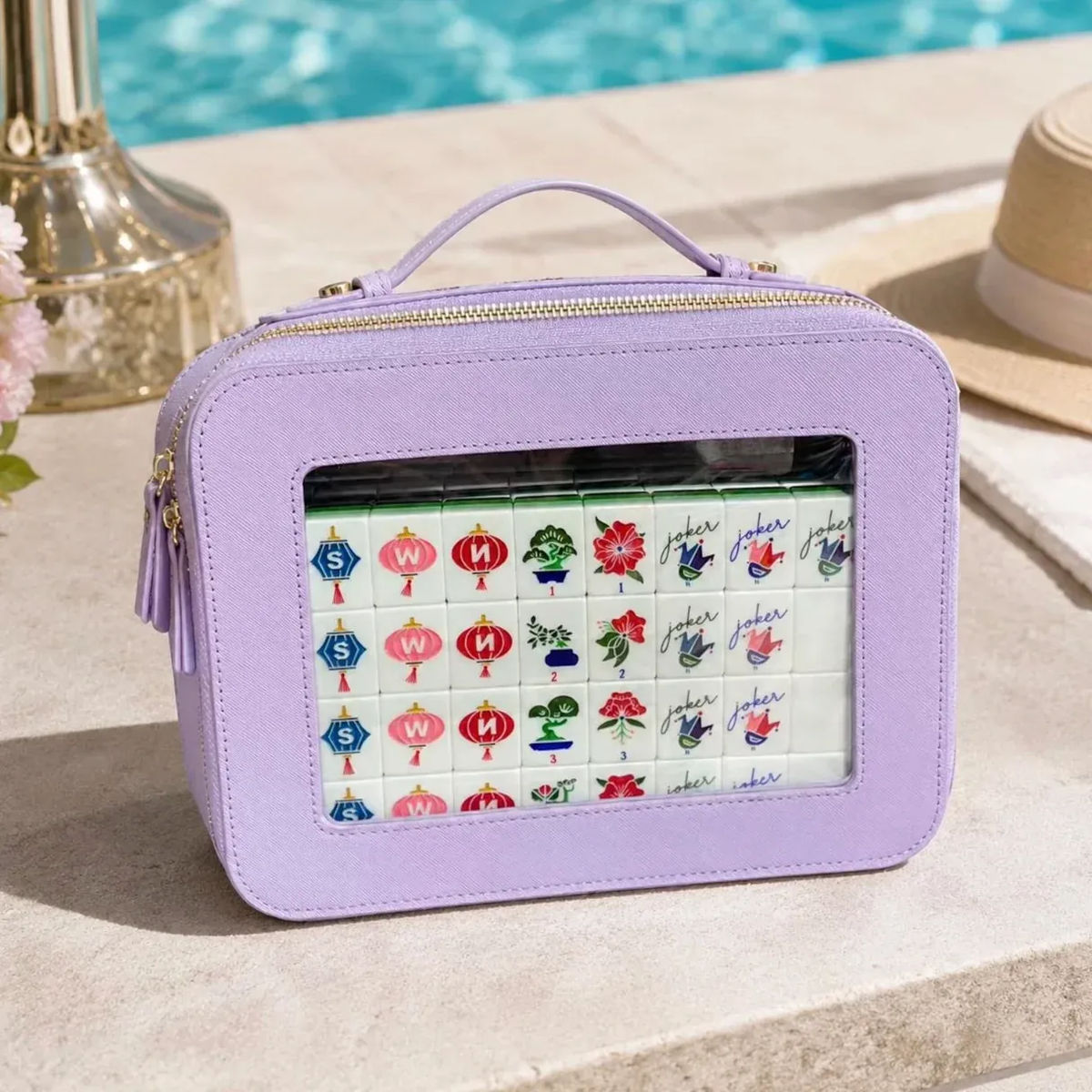
A coastal mahjong rack bag is a carrying case designed to hold a complete American mahjong set—tiles in racks, pushers, dice, and jokers—with a nautical or seaside design theme. These bags are typically canvas or synthetic fabric with reinforced stitching, interior pockets for smaller pieces, and handles or shoulder straps for portability. They protect tiles from moisture, salt spray, and sand during transport to beach houses, vacation rentals, or tournament venues. Sizes range from compact (fits one rack set) to large (holds full set plus mat and accessories). Cost varies by material and capacity; see current pricing on our travel bags collection. Before ordering, confirm the interior dimensions match your mahjong racks with pushers—most standard American racks are roughly 10–12 inches wide—and check whether the bag includes dividers or padding. Avoid bags with interior zippers that can snag tile edges; reinforced corners and a water-resistant base are worth the investment for coastal play. 🀄 Shop best-selling mahjong sets →
What does a coastal mahjong bag actually protect against?
A good coastal bag shields your tiles, racks, and wood or bamboo accessories from salt air, humidity, sand, and UV damage. Salt water corrodes metal hinges and tile edges; moisture warps bamboo racks and causes acrylic tiles to cloud or stick. The best coastal bags use salt-resistant fabric (marine-grade canvas or synthetic blends), sealed seams, and water-resistant zippers. Test this before a trip: place a damp cloth inside the closed bag for 30 minutes, then check the interior. If condensation pools or the fabric feels soggy, the bag isn't adequately sealed. A bag without a reinforced base or water-resistant lining will absorb sand and allow moisture to wick up into your set during seaside transport.
Who needs a coastal-styled rack bag instead of a generic case?
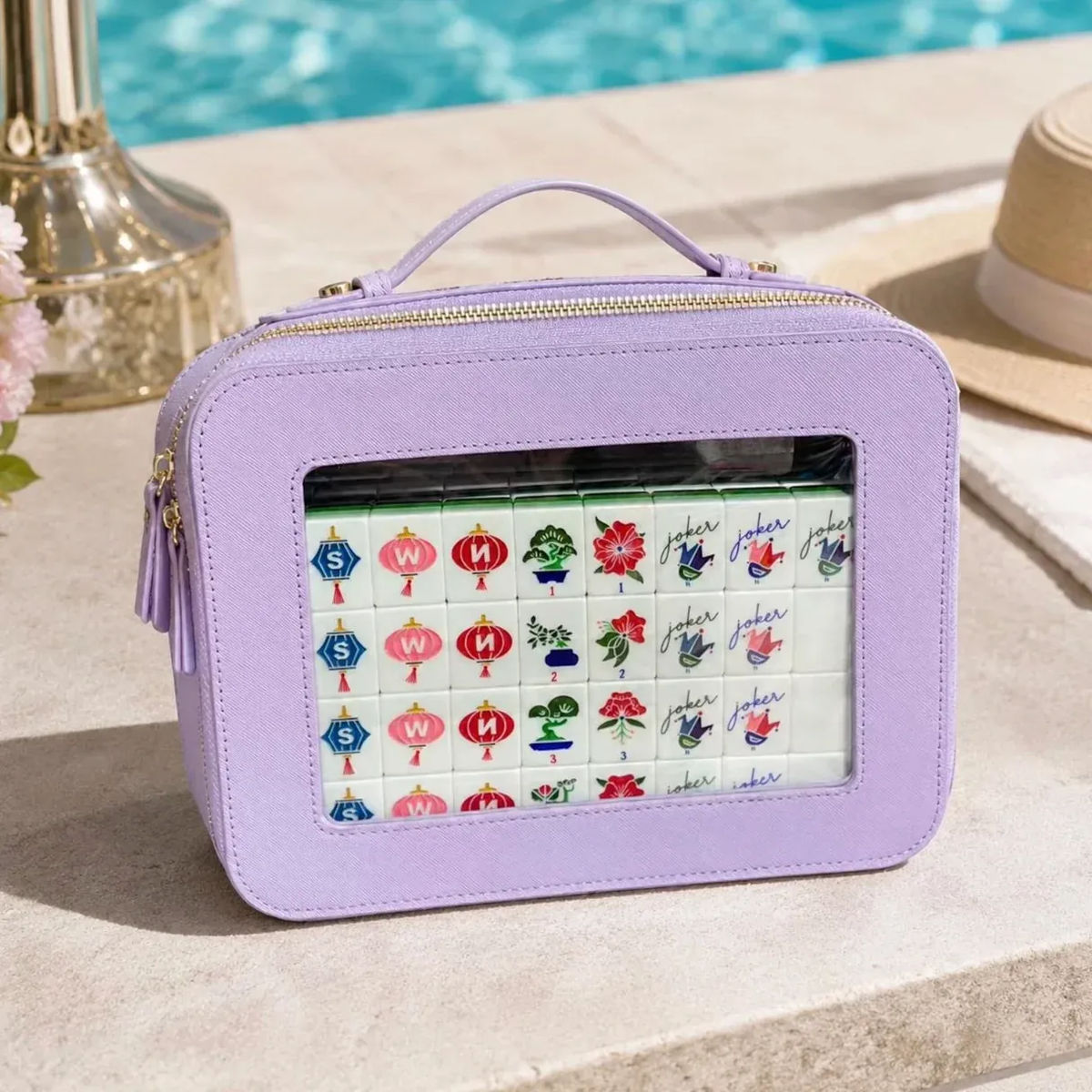
Coastal bags are ideal for players who host games at beach houses, vacation rentals, or waterfront clubs, or who travel to humid or salty environments regularly. Generic black or neutral cases work fine for dry, climate-controlled transport (living room to friend's house), but coastal designs signal that the bag is built for actual moisture and salt exposure—not just style. If you play year-round in a beach town, lake house, or riverside retreat, a coastal bag with reinforced hardware and drainage grommets prevents rust and mold buildup. Players who attend multi-day tournaments in coastal venues also benefit from the aesthetic: a coastal-themed bag fits naturally into the environment and makes your set recognizable at the table. For occasional travel (once or twice a year) by car to an air-conditioned venue, a standard protective bag is sufficient.
How do you pack a mahjong set into a coastal bag without damaging the racks?
Start by laying racks horizontally in the center of the bag—never stack them standing upright, which strains the hinges. Place dividers or rolled cloth between racks to prevent tile edges from scraping. Keep tile pushers in a dedicated pocket or small fabric pouch; loose pushers can puncture tiles or scratch racks. Dice and jokers go in sealed interior pouches to prevent loss in transit. If the bag has a water-resistant base, place a layer of packing paper or thin foam on the bottom before setting down racks. Fill empty space around the racks with soft fabric, not crumpled paper, which traps moisture. Seal all pockets and zippers completely before moving the bag; even a partially open zipper allows sand and salt spray to enter during transport. Never compress the bag by sitting on it or stacking heavy items on top—this warps racks and can crack tile edges.
🎁 See our most-loved mahjong sets & accessories →
Coastal bag comparison: which design fits your game?
Design Type | Who It's For | Key Features | Best For |
Canvas with rope handles | Players who carry bags short distances on foot | Durable, breathable, classic look | Casual beach games, local clubs |
Synthetic weatherproof with shoulder strap | Frequent travelers, tournaments, humid climates | Water-resistant seams, reinforced corners, ventilation grommets | Multi-day trips, coastal venues, salty air |
Themed nautical or ocean print | Hosts who want visual flair at the table | Aesthetic appeal, recognizable, good morale | Destination games, themed events, gift-worthy sets |
Compact single-rack tote | Solo players or tile-only transport | Lightweight, fits one set, minimal bulk | Quick casual games, apartment storage, portable demo |
Large hardcase-style with dividers | Tournament players, serious collectors | Maximum protection, organized compartments, heavy-duty latch | Frequent air or long-distance travel, valuable antique sets |
Each design trades off weight, weather resistance, and aesthetics. For a coastal game, prioritize water resistance and reinforced seams over color.

What should you check before ordering a coastal mahjong bag?
Before purchase, measure your mahjong racks length and width; standard American racks are typically 10–12 inches wide and 2–3 inches tall when stacked. Confirm the bag's interior dimensions are at least 2 inches larger in all directions to allow room for padding and removal. Check whether the bag includes padded dividers or if you must add your own—dividers are essential to prevent tile rack damage during movement. Verify that the fabric is described as water-resistant or marine-grade, not just "durable canvas." Look for reinforced corners, a sewn-in water-resistant base, and drainage grommets (small holes that allow water to escape rather than pool inside). Test the zipper quality—cheap zippers jam or fail with sand and salt; marine-grade zippers are smoother and self-healing. If the bag is meant to hold a full set including mat, confirm it has a separate pocket or strap, not just one large opening. Finally, check the return policy for water damage or zipper failure within the first few uses; a 30-day protection window is standard.
✨ Find your Mahstead set — free US shipping →
How does a coastal bag fit into your full travel setup?
A coastal bag is one piece of a complete travel system. Pair it with a mahjong mat for the playing surface, and ensure your complete mahjong set includes all 152 tiles and 8 jokers. Some players add a separate dice bag or drawstring pouch inside the coastal bag to keep the dice secure and easy to find. If you play in multiple locations, keep a coastal bag packed year-round with a backup set of racks and pushers, so you can grab it without repacking. For beach venues with sand, consider storing the entire bag in a larger plastic bin during off-hours—sand finds its way into everything at the shore, and an extra layer of protection is worth the space.
What to check before you buy
Interior dimensions vs. your racks: Measure and add 2 inches; confirm online product photos show actual size or contact for specs.
Water-resistant fabric and seams: Look for "marine-grade," "salt-resistant," or "sealed seams" in the description; avoid untreated canvas.
Zipper quality: Marine-grade or self-healing zippers prevent jamming with sand and salt; read reviews mentioning zipper durability.
Reinforced base and corners: Check for double-stitched seams and a hard or padded base, not thin fabric.
Drainage or ventilation: Coastal bags should have small grommets or vent holes to prevent moisture pooling inside.
Interior organization: Dividers, pockets, or pouches for pushers, dice, and jokers reduce loss and damage during transport.
Handle and strap options: Verify handles are reinforced and straps are adjustable or long enough for your needs.
Return or warranty: Confirm the seller allows returns or replacements if zippers fail or water seeps in within 30 days.
FAQ
Can I store a coastal mahjong bag outdoors, or does it need to be indoors?
Store indoors or in a dry shed. Coastal bags are water-resistant, not waterproof; prolonged outdoor storage allows UV damage, mold, and moisture accumulation. Cover the bag if you must keep it on a porch, and ensure it fully dries before sealing after each use.
Do coastal mahjong bags come with the mahjong set inside, or just the bag?
Most coastal bags are sold empty. You purchase the bag separately and fill it with your own mahjong set, racks, and accessories. Some retailers bundle a bag with a beginner set; confirm the product description before ordering.
How much weight can a coastal mahjong bag hold, and does it affect portability?
A full American mahjong set with racks and mat weighs 8–12 pounds depending on materials. Coastal bags with reinforced handles typically support 15–20 pounds safely. A shoulder strap distributes weight more comfortably than handles for trips longer than 10 minutes.
Will salt air damage the bag's zippers and metal hardware?
Yes, if not marine-grade. Standard zippers corrode and seize in salt spray within weeks. Look for stainless steel or coated metal hardware and marine-grade zippers; these resist corrosion for years. Rinse the bag's exterior with fresh water after each beach outing to remove salt residue.
Can I fit a mat inside a coastal rack bag, or do I need a separate case?
Some large coastal bags fit a rolled mat alongside racks; most compact bags do not. Check interior dimensions against your mat's rolled size (typically 24 × 24 × 3 inches). If the bag is too small, carry the mat separately or choose a larger travel bag.
What's the difference between a coastal bag and a standard mahjong bag?
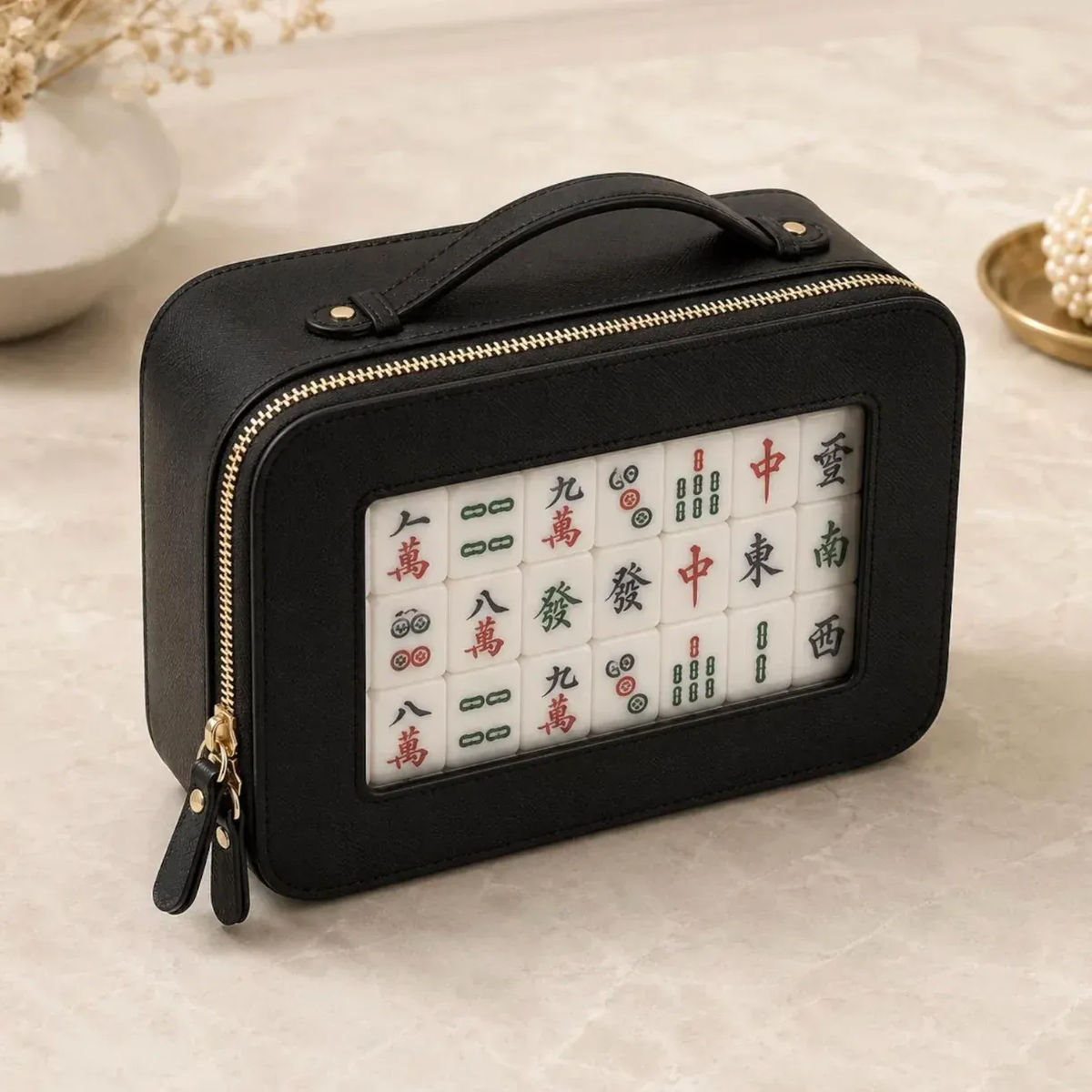
Coastal bags prioritize water resistance, salt-resistant fabric, reinforced seams, and drainage grommets for moisture-heavy environments. Standard bags focus on basic tile protection and portability; they work fine indoors or dry climates but won't guard against humidity, sand, or salt spray. Choose coastal if you play by water; standard if you play indoors or rarely travel.


View More
View More
View More
