
Mahjong Open Play in Oklahoma City: Where to Play & What to Bring
Last updated: Nov 23, 2026
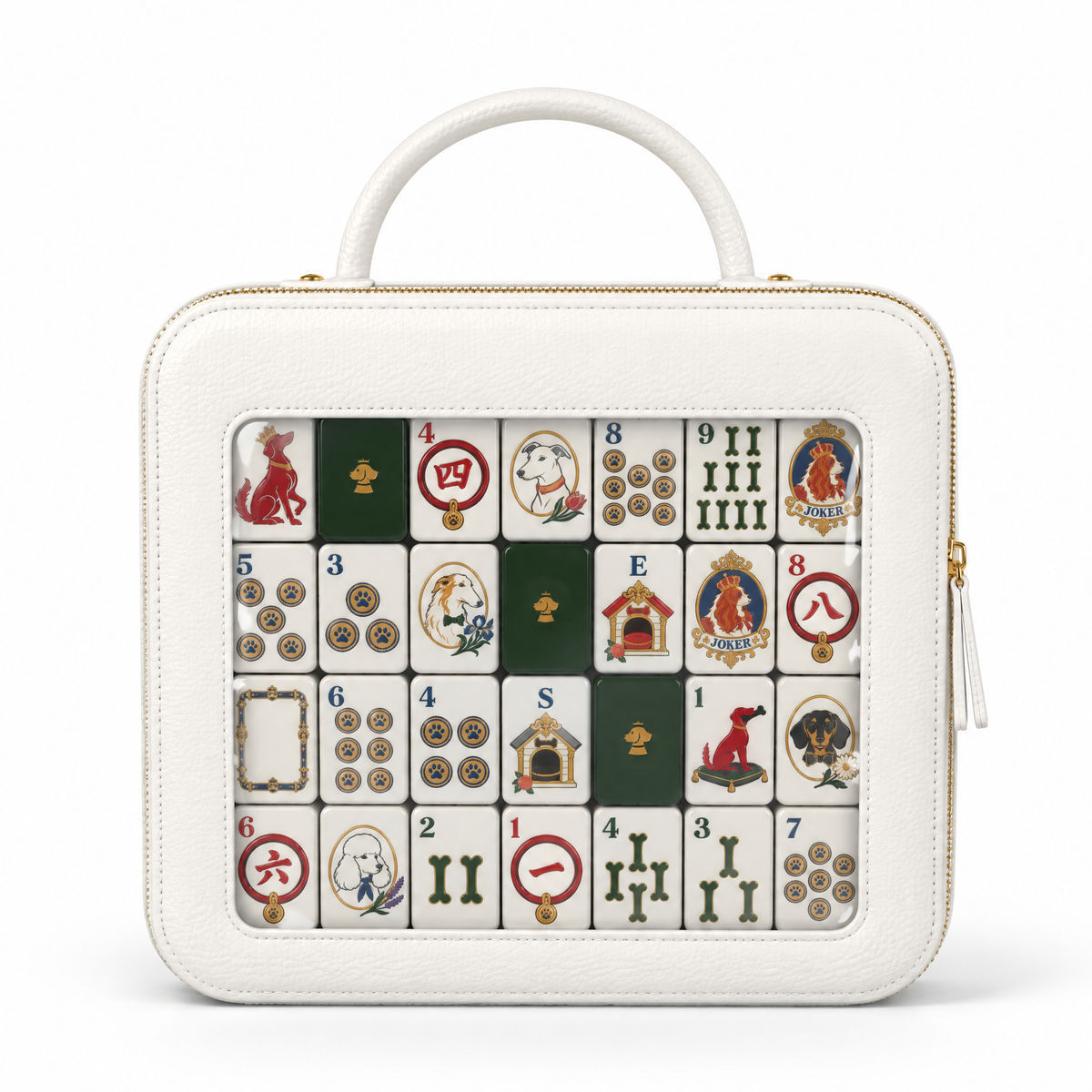
Mahjong open play in Oklahoma City centers on community centers, libraries, synagogues, and country clubs—the most reliable hosts for weekly or monthly American mahjong games. Search your city's parks and recreation department website, check library event calendars, visit local Jewish community centers, or ask at country clubs whether they host mahjong nights. Games typically run two to four hours, cost little or nothing to join, and welcome players of all levels. You'll need a 160-tile American mahjong set, a mat, racks with pushers, and the current National Mah Jongg League card to play. Call ahead to confirm the venue still hosts games, arrive 10–15 minutes early, and bring cash if there's a small table fee. Many Oklahoma City players bring their own sets to avoid tile mix-ups and ensure consistent equipment quality.
Where do I find open mahjong games in Oklahoma City?
Start with your city's parks and recreation department—most offer activities listings online or by phone. Public libraries often host game nights; call or check their website calendar. Jewish community centers almost always run mahjong groups and welcome all players regardless of background. Country clubs, senior centers, and casual gaming meetup boards (like local Facebook groups or Meetup.com) are reliable secondaries. Visit venues in person if possible, ask staff directly about mahjong, and get a contact name or email. Games in Oklahoma City range from casual weeknight home sessions to organized monthly tournaments; open play typically happens on a set day each week and accepts new players without registration. Most venues are happy to suggest nearby tables if they don't host themselves.

What skill level do I need to join open play?
Open play welcomes beginners through advanced players. Most games are social first, competitive second. If you've never played, attend a game and ask players to show you a hand or two before sitting in—most are generous with teaching. Bring the current National Mah Jongg League card (issued each spring) and a notebook to jot down winning patterns. Experienced players will explain calling, quinting, and scoring as you go. The best way to learn is by watching one round and asking questions during the break. Expect to play slowly your first few sessions—no one will rush you. After three or four games, the rhythm clicks.
What equipment do I absolutely need to bring?
You need four things: a standard 160-tile American mahjong set, the current year's National Mah Jongg League card, a mat (optional but helpful), and racks with pushers if the venue doesn't provide them. The set must include the full tile count—152 playing tiles plus 8 jokers—to ensure every hand works without tile shortages. Many Oklahoma City players carry their own best-selling mahjong sets to guarantee consistency and avoid disputes over damaged or missing tiles. A mat keeps tiles from sliding and defines each player's area. Racks with pushers speed up hand building and reduce fatigue. If you're new and don't own a set yet, ask the host whether you can borrow one for your first game; if you decide to play regularly, investing in your own set pays off quickly.
What You Need | Why It Matters | Do You Own One? |
160-tile American set | Ensures 152 playing tiles + 8 jokers; no short games | Check at home |
Current NMJL card | Only valid hands are on this year's card | Hosts often have spares |
Mat | Protects tiles; defines your seat area | Borrow first game |
Racks with pushers | Speeds up play; reduces hand fatigue | Venues often supply |
Pen & paper | Track discards; learn patterns | Essential |
🀄 Shop best-selling mahjong sets →
How do I prepare before my first game?
Read how to play American mahjong online (15 minutes) to learn the tile names, the Charleston passing ritual, and the basic flow: draw, discard, win or pass. Watch one complete round at your venue without playing—you'll see how quickly the game moves and where the pressure points are. Bring the NMJL card and a pen; write down any hand the winner plays so you start recognizing patterns. Arrive early, introduce yourself, and say honestly: "I've read the rules but haven't played. Can I watch this round?" Every player you meet will remember their first game and be patient. Eat a light meal before you arrive—games run two to four hours and focus is everything. Silence your phone. Most groups play in near-silence except for calling tiles and hands, so the noise level is low compared to social card games.

What's the unwritten etiquette I should know?
Never pick up or move another player's tiles unless you're discarding into the center. Don't comment on live hands ("Oh, you're close to a win!") or advise experienced players—let hands play out. When someone calls "Mahjong," congratulate them and wait silently while they score. Pay attention to the discard row; read it actively so you know what tiles are still in play. If you miss a tile, ask the player who discarded it, not a third party. During the Charleston, pass tiles politely and call out the count so everyone knows you're passing the right number. If you spot an error in scoring, raise it kindly before the hand is cleared away. Thank the host and other players at the end of the night, whether you won or lost. Respect starts small—it's how regular games stay friendly and grow.
🎁 See our most-loved mahjong sets & accessories →
What common mistakes do first-time players make?
The three biggest: forgetting that in American mahjong you cannot call chows (sequences like 1–2–3), only pungs (three identical tiles), kongs (four), and higher runs on the official card; misreading the NMJL card and thinking any pattern works (only hands on the current card are legal); and not tracking the discard pile closely enough, so you call tiles that were already thrown. Many new players also bring sets with missing or duplicate tiles—verify your set has exactly 152 tiles before your first game, or borrow a known-good set from the host. A third trap: assuming jokers can fill in for any tile (they can't—jokers can only substitute for tiles in exposed sets like pungs and kongs, never in your hand, and never to make a pair). Study the National Mah Jongg League card layout before you arrive so you recognize hand sections quickly.
✨ Find your Mahstead set — free US shipping →
What to check before you buy your own set
If you decide to join regularly and want your own equipment, inspect your set for completeness: count the tiles (152 playing tiles plus 8 jokers), check that each suit (Bams, Craks, Dots) has one copy of every number 1–9 in four shades or finishes, verify all winds and dragons are included, and confirm the jokers are clearly marked. Buy from a seller who specifies "160-tile set with 152 playing tiles and 8 jokers" so you know you're getting a full American set. Test the tiles in your hand—they should feel smooth, not sticky, and stack neatly. A mahjong rack with pushers will last years and make every game faster. A mat protects your tiles and the table. For travel to games, a durable bag keeps everything organized.

FAQ
Do I have to know how to play before I show up to open play?
No. Bring the National Mah Jongg League card, watch one round without playing, and ask questions. Every player remembers their first game. The group will teach you in the breaks between hands. Honesty about your skill level makes the learning faster and smoother.
What's the cost of joining open play in Oklahoma City?
Most community centers and library games are free or charge a small room fee (typically $0–5 per person). Some home games may have a nominal pot (winner or first prize, decided by the group). Call ahead to ask what the venue charges so you're prepared.
Can I borrow a set and mat on my first night?
Yes, in most cases. Ask the host in advance whether they have spare sets available. If the venue doesn't lend equipment, one of the regular players will often let you borrow tiles to try a few hands before you commit to buying your own.
Is American mahjong the same as Chinese or Hong Kong mahjong?
No. American mahjong uses a specific card of legal hands released each year by the National Mah Jongg League, has no chows (sequences), and relies heavily on the Charleston tile-passing ritual. Chinese and Hong Kong mahjong use different tile counts, hand patterns, and scoring rules. Ask the host which variant your venue plays—most Oklahoma City groups play American.
What's the hardest part for new players?
Learning to read the NMJL card quickly and remembering that you can only call three or more identical tiles (a pung), not sequences. The second challenge is tracking which tiles are still safe to discard. Both skills improve within three games—the pattern recognition becomes automatic.
Should I bring cash or how do players settle scores?
Always bring cash to pay winners if the game includes scoring. Ask the host in advance about the betting structure (many casual games are played for fun with no money at all). If money changes hands, scores are calculated using the year's official NMJL scoring rules; the host or an experienced player will handle the math and payouts.


View More
View More
View More
