
Filipino Mahjong Lessons Online: Learn Pusoy Dos & Tile Games
Last updated: Nov 23, 2026
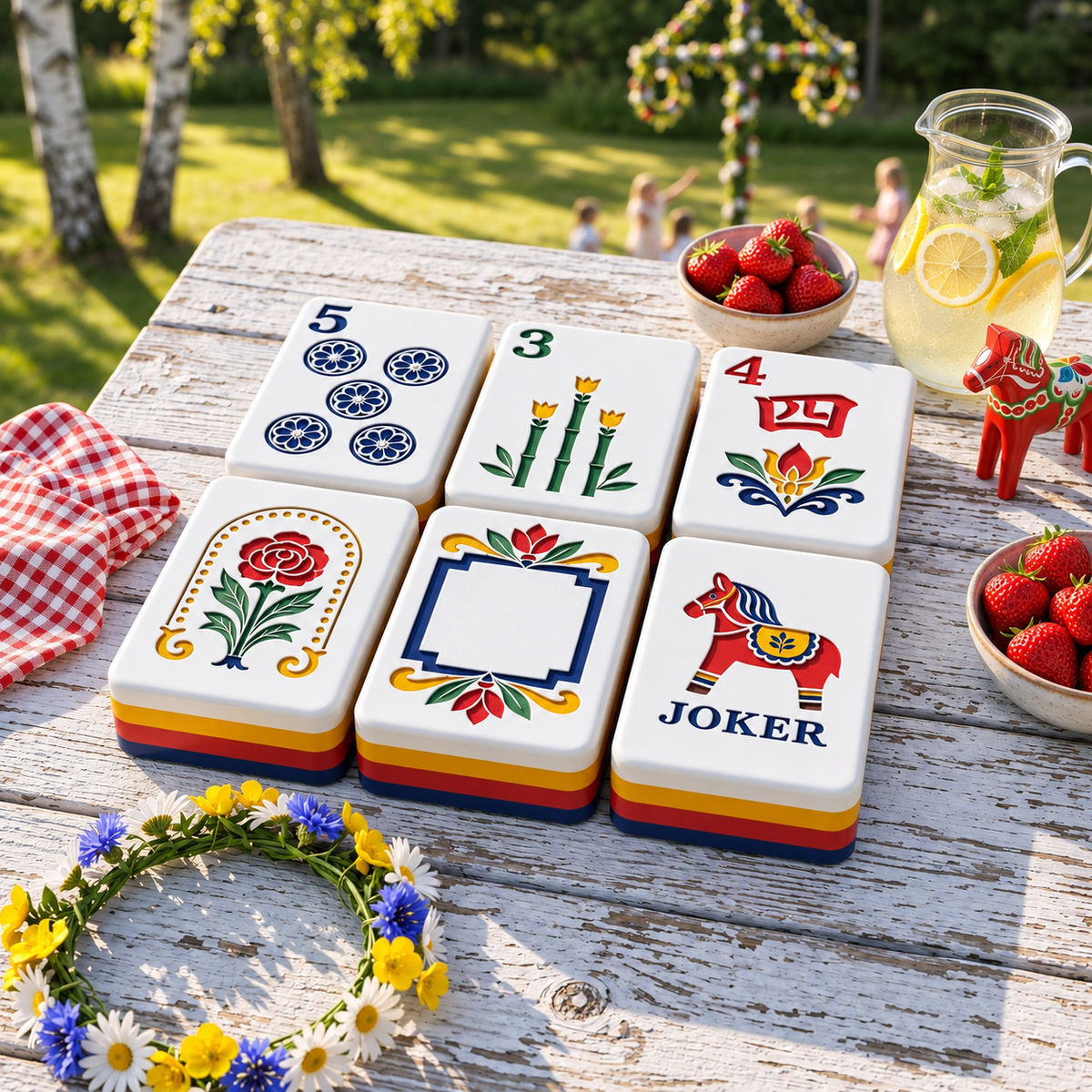
Filipino mahjong lessons online bridge the gap between casual family game nights and serious competitive play. Whether you're in Manila, Los Angeles, Toronto, or Sydney, real instructors now teach the variants and strategies Filipino players love most—and they do it live over video or through pre-recorded libraries you can rewatch at your pace.
Where do Filipino players actually teach mahjong online?
Facebook groups remain the primary hub for Filipino mahjong instruction. Search "mahjong lessons" + your city name, or join regional "Filipino mahjong" groups; many post lesson schedules pinned to the group wall. Meetup.com listings in major cities with Filipino communities often include weekly or monthly mahjong meetups led by experienced players willing to teach newcomers. YouTube channels run by Filipino mahjong enthusiasts post free introductory videos, hand tutorials, and strategy breakdowns—these are searchable and let you learn on your own timeline. Some instructors also list on Viber or WhatsApp; ask in Facebook groups for direct referrals. Community centers in areas with large Filipino populations (particularly in North America and Australia) sometimes host informal lessons or open play sessions where you can learn from neighbors. Always verify the instructor has active student reviews or plays regularly in local clubs before committing to paid sessions.

What's the difference between pusoy dos, mahjong, and Filipino mahjong lessons?
Pusoy dos is a card game—not mahjong—but it's often taught by the same instructors because Filipino players grow up playing both and they share similar strategic thinking: pattern recognition, hand reading, and betting psychology. Mahjong uses 152 tiles; pusoy dos uses a 52-card deck. Filipino mahjong lessons typically teach American mahjong (the standardized variant with the NMJL card), but adapted with common house rules or speed variations Filipinos prefer. Some instructors also teach Cantonese (Hong Kong) mahjong or other regional variants. Online lessons covering American mahjong usually focus on hand-reading from the published card, the Charleston (tile-passing ritual), joker strategy, and scoring—topics that apply whether you play in Manila or Melbourne. A good lesson will clarify which variant the instructor teaches in the first 5 minutes so you don't waste time on rules you won't use.
How much do Filipino mahjong lessons typically cost?
Pricing varies widely based on format and instructor experience. One-off live sessions (45–90 minutes) over Zoom typically cost 200–500 Philippine pesos (roughly USD 3.50–9) in the Philippines, or USD 10–25 per session if the instructor is abroad. Monthly series (4 lessons) usually offer a discount: 2,000–5,000 pesos or USD 30–80. Recorded video courses—either self-paced or with group discussions—run 500–3,000 pesos one-time or USD 15–60. Free YouTube tutorials and Facebook group lessons exist but lack the personalized feedback and structured curriculum paid instructors provide. When comparing costs, ask what's included: Do you get a strategy handout? Can you record the session? Is there a practice group afterward? Are corrections done one-on-one or in group only? Premium instructors who've played competitively often cost more but deliver faster progress because they skip beginner mistakes and teach winning tactics. Set a budget first; even 15-minute weekly check-ins with a good tutor beat sporadic expensive courses.
What should a beginner expect in the first Filipino mahjong lesson?
A structured first lesson opens with a quick history (optional but context-rich instructors do this) and tile recognition. You'll learn the three suits—Bams, Craks, Dots—plus winds, dragons, flowers, and jokers; the instructor will show each tile on screen and have you identify them by suit and number. Then comes hand types: a pung (three identical tiles), a kong (four identical), a quint or sextet (five or six identical), and an eye pair (two identical tiles needed to win). American mahjong forbids sequences (called "chows"), so exposure rules are strict—only pungs, kongs, and longer sets can be laid down. The instructor will walk through the current year's NMJL card (if teaching American) or the hand list for other variants, explaining how to read it. You'll likely play one or two practice hands—abbreviated rounds where the instructor stops play to explain each turn and strategy choices. Budget 60–90 minutes and have paper or a note app ready; the first lesson is heavy on reference material. A good instructor will ask if you've played before and adjust pace accordingly.
How do online lesson formats differ—live, recorded, or hybrid?
Live Zoom lessons offer real-time Q&A, personalized feedback on your play, and the chance to ask about house rules specific to your family or club. The instructor can watch your tile choices and correct mistakes immediately. Downside: fixed schedule, and shy players often stay silent and miss custom help. Recorded video courses let you pause, rewind, and rewatch complex rules as often as needed, then apply them at your own pace. You can also watch during lunch breaks or late at night without tying up an instructor's schedule. Downside: no live feedback, so if you misunderstand a rule, you may not realize it until you play and lose. Hybrid lessons—live group play plus recorded reference videos—combine both: you attend one live session weekly (for practice and feedback) and watch pre-recorded lessons on your own time. This is ideal if you're busy but want accountability. When choosing, ask: Can I record the live lesson for later? Are recordings provided afterward? Is there a chat or email support between sessions? Do I get access to a study group? The best format depends on your learning style; many players start with recorded basics and add live sessions once they're ready for real-money games.

What equipment do you need to join Filipino mahjong lessons online?
A stable internet connection and a device with a camera (laptop, tablet, or phone) are the minimum for live lessons—no fancy setup required. For recorded lessons, you only need a way to watch video. Here's where it gets important: once you finish lessons and play real games, you'll need an actual mahjong set. Most instructors encourage students to get a physical set early (even during lessons) so you can practice the tile feel, practice shuffling, and learn hand speed. American mahjong sets are standard because they're what the NMJL card describes and what online instructors reference most often; a 160-tile set (152 playing tiles plus spares) is the practical choice because you'll have extra jokers if one goes missing. Digital apps exist for learning rules but can't replace the tactile experience of actual tiles—hand speed and tile recognition improve dramatically once you hold and arrange physical tiles. As you progress, some students invest in a cloth mat for better tile movement and easier play during video calls (you can show the instructor your hand setup). Skip the expensive "premium" sets at first; focus on a standard set with clear markings. Once you commit to weekly play, then consider upgrades like engraved sets with personal touches or better mats if you're hosting games.
What's the fastest way to find a Filipino mahjong instructor in your city?
Start by searching Facebook with specific terms: "Mahjong + [your city name]," "Filipino mahjong," or "[your city] mahjong lessons." Join regional groups and post a question: "Anyone offering online lessons for beginners?" Many instructors lurk in these groups and respond within hours. Check Meetup.com in the events or hobbies section; filter for "mahjong" and your location. If few results show up, broaden to the nearest major city. Local libraries and community centers often have bulletin boards or event calendars—ask the front desk if they know of mahjong groups or teachers. YouTube: search "Filipino mahjong lessons" or "[your city] mahjong tutorial"—you might find local instructors' channels. Ask in Filipino cultural organizations, churches, or alumni groups if they know of mahjong teachers; these communities often have informal networks. When you find a prospect, message them and ask: How long have you been teaching? What variant do you teach? Can I try a free 15-minute sample lesson? References or student reviews? Avoid instructors who are evasive about these questions or who pressure you to pay upfront without a trial. The right fit is someone patient, clear, and available at times that work for you.
Format | Best For | Time Commitment | Typical Cost Range | Key Benefit |
Live Zoom (weekly) | Real-time feedback & accountability | 60–90 min/week, fixed schedule | 200–500 PHP/session | Personalized corrections; community |
Recorded video (self-paced) | Learning at your pace, busy schedules | 30–60 min per lesson, watch anytime | 500–3,000 PHP one-time | Rewind, no schedule pressure |
Hybrid (live + recorded) | Balanced learning & flexibility | 60 min live + flexible replay | 2,000–8,000 PHP/month | Best of both; structured + freedom |
In-person meetups (free or donation) | Face-to-face, real tiles immediately | Varies, often 2–3 hrs/week | 0–500 PHP | Fastest skill gain; social |
🀄 Shop best-selling mahjong sets →
What common beginner mistakes do Filipino mahjong instructors warn about?
Confusing hand types. Many beginners think any three tiles in a row count as a hand unit; American mahjong has no sequences, only sets of identical tiles (pungs, kongs, quints, sextets). An instructor will drill this hard in early lessons because exposing a wrong combination loses the hand or leads to misunderstanding the card. Forgetting joker limits. Jokers are wild in American mahjong but can never form a pair or fill a single tile position alone; they also can't appear in multiples within one set. New players often assume jokers can do anything—they can't. Ignoring the NMJL card. The published card changes yearly and dictates every legal hand for American play. Some students think they can build any hand they want if it "looks right." The card is law—check it every hand. Playing hand speed too fast. Filipino players often have relatives who play quick; beginners copy that speed and make tile-recognition errors. Instructors teach you to slow down until you're fluent in tile recognition, then gradually speed up. Mixing variants mid-game. A student learns American rules, then sits in a home game using Hong Kong house rules, and becomes confused. Always clarify the variant and local rules before sitting down. Not practicing the Charleston. The tile-passing ritual before American play feels awkward in online lessons (since you're not physically passing), but it's essential in real games. Good instructors include live Charleston practice or walk through it step-by-step on video so you don't freeze up in your first in-person game.
🎁 See our most-loved mahjong sets & accessories →
What to check before you buy a lesson package
Instructor's background. Ask if they play competitively or teach professionally. Have they lived through the learning curve themselves? Do they teach what they actually play, or theory-only? Curriculum clarity. Does the package have a syllabus—what topics each session covers? Or is it just "6 lessons, we'll see"? Structure matters; random lessons feel scattered. Format fit. Can you access recordings if you miss a live session? Is there a chat room or group for practice between lessons? Will the instructor give feedback on hands you text photos of? Schedule and rescheduling. What happens if you miss a session? Can you reschedule or watch a makeup? Is there a waitlist or is every cohort capped? Community. Do students stay in touch after the course? Is there a practice group or WhatsApp for ongoing play? Lonely learners often quit; community-based lessons stick. Money-back or trial option. If the first session doesn't fit your style, is there a partial refund or swap to a different instructor? Reputable teachers offer this; scam operators don't. Post-lesson support. Once the package ends, can you ask questions via email or book occasional single sessions for maintenance? Or do you disappear? The best instructors stay loosely in touch with alumni and help them find clubs to play with after lessons end.
✨ Find your Mahstead set — free US shipping →
Once you've completed lessons and are ready to play in regular games, a quality mahjong set becomes essential. Many Filipino players start with borrowed sets or apps but quickly invest in their own once they're serious. The standard American mahjong set is designed so tiles are clear, durable, and consistent—crucial for keeping up with faster play or hosting your own games. If you plan to host friends or family for weekly games after your lessons, consider a mat that makes shuffling and setup smoother; it also protects your table and keeps tiles organized. For travel to games in other cities or countries, a portable case or bag ensures your set arrives intact. These aren't fancy upgrades—they're practical tools that let you focus on strategy instead of wrestling with loose tiles or a cramped play surface.
Filipino mahjong lessons online have democratized access to serious instruction. You no longer need to live next door to a club or wait for family to teach you during holiday gatherings. Start with a free trial session, commit to 4–6 weeks of structured lessons, practice regularly with a real set, and you'll be ready to sit in any game—in person or online—with confidence. The community of Filipino players worldwide is generous with teaching; find your instructor, show up, and enjoy one of the most rewarding games across cultures.

FAQ
Can I learn Filipino mahjong entirely online, or do I need in-person practice?
Online lessons teach rules, strategy, and hand-reading perfectly well. However, in-person play—with real tiles and live opponents—develops speed, intuition, and table etiquette that video can't fully replicate. Most students combine online lessons with occasional local meetups or home games to solidify skills. Ask your instructor if they host or know of local play groups you can join after finishing lessons.
Do Filipino mahjong instructors teach American mahjong or a different variant?
Most online instructors teaching the Filipino diaspora focus on American mahjong because the NMJL card and rules are standardized and portable. However, many also know Cantonese (Hong Kong), Taiwanese, and house-rule variants common in specific families or regions. In your first message, ask which variant they primarily teach and whether they can pivot to another if needed.
What if I don't know any Philippine mahjong players in my area to practice with after lessons?
Post in local Facebook groups, Meetup, or community center boards that you're looking for a casual weekly game. Most cities with Filipino communities have existing games; instructors often connect alumni students with established groups. If nothing exists, start your own: invite classmates from your lessons and host a monthly night. One person hosting quickly becomes a regular meetup.
Is it cheaper to learn from YouTube free videos than pay for live lessons?
Free videos teach rules well but lack personalized feedback, structured pacing, and live correction—beginners often miss subtle strategy or develop bad habits YouTube doesn't catch. Live lessons cost 10–25 USD per session but accelerate learning by weeks. The time you save is worth the cost; compare 3 months of self-teaching versus 4–6 weeks of live lessons. For budget-conscious learners, one month of live lessons + YouTube practice for reinforcement is a strong compromise.
Should I buy a mahjong set before or after my first lesson?
After. Attend one or two lessons first to confirm you like the variant and instructor, then invest in a set. Some instructors let you practice hands with tiles on screen or loan you reference images; you can learn basics without owning tiles. Once you're committed to weekly play, a 160-tile American set is the practical entry point—clear tiles, standard size, affordable, and built to last years of home play.
What do I do if an online lesson is too fast or too slow for me?
Tell the instructor immediately—most adjust pacing mid-course if asked. If they don't respond to feedback, don't waste time; switch to a different instructor or course format. Learning speed varies by person; a teacher who won't adapt isn't a good fit. Red flags: instructors who say "everyone learns at this pace" or dismiss your request as "not serious." Good teachers celebrate different paces.


View More
View More
View More
